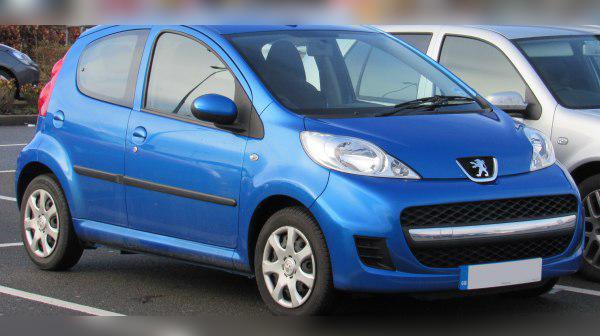
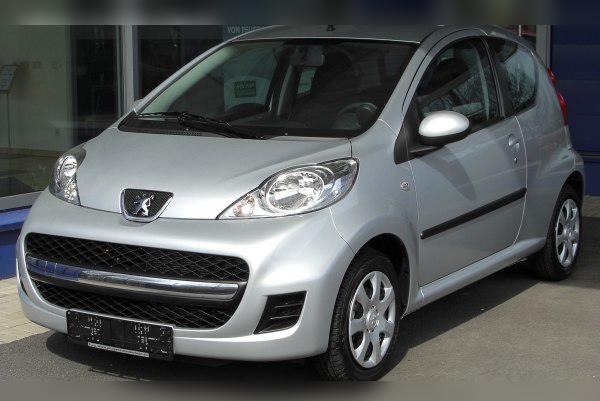
CFB 1KR (1.0 68 HP) – Experiences, problems, fuel consumption and used car buying tips
- Exceptional reliability: Basically, this is a Toyota engine (1KR-FE), one of the most durable three‑cylinder engines ever made.
- Cheap maintenance: Uses a timing chain, has no turbocharger and no fragile, high‑priced injectors.
- Characteristic sound: Like every three‑cylinder, at idle it has a distinctive mix of vibrations and sound that resembles a coffee grinder.
- City pocket rocket: A body weighing barely 850 kg makes it extremely agile in the city, but it is underpowered and very noisy on the motorway.
- Beware of gearboxes: Avoid EGS/2‑Tronic robotised automatics; the manual gearbox is a much better choice, although the clutch is somewhat weak from the factory.
- LPG: Not recommended due to sensitive valves (no hydraulic lifters).
Contents
- Introduction: Japanese heart in French clothing
- Technical specifications
- Reliability and maintenance
- Specific parts and costs
- Fuel consumption and performance
- Additional options and modifications
- Gearboxes: Manual vs automatic
- Buying used and conclusion
Introduction: Japanese heart in French clothing
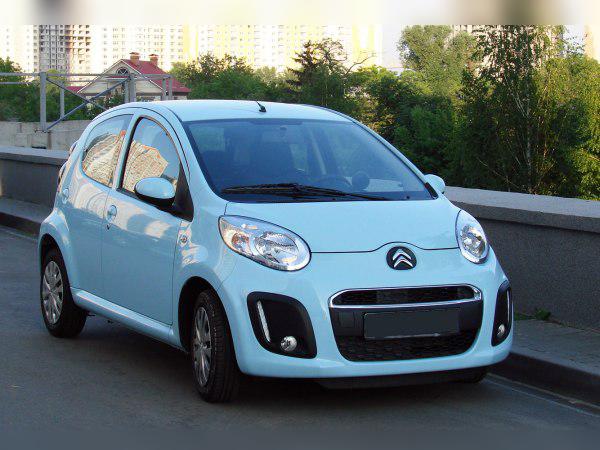
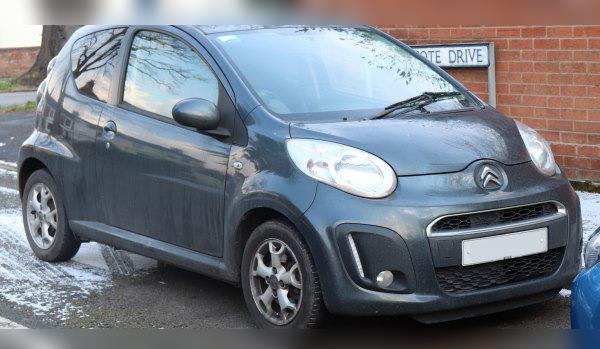
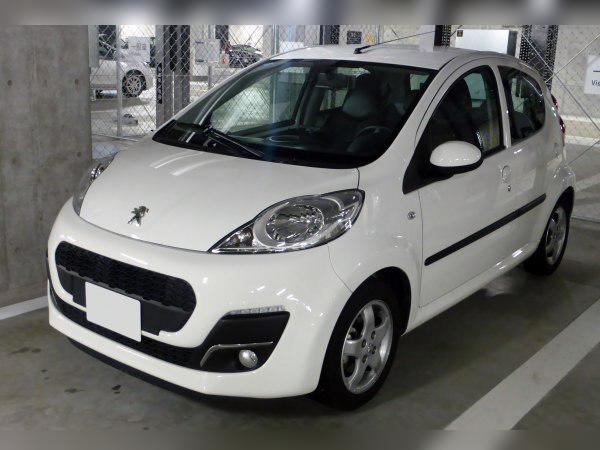
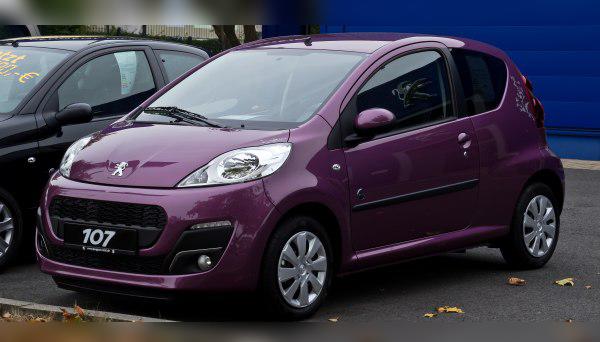
When Peugeot, Citroën and Toyota launched the “B0” project in the early 2000s, the result was three almost identical city cars: the Peugeot 107, Citroën C1 and Toyota Aygo. Under the bonnet of the French minis, with the code CFB 1KR, actually beats a thoroughbred Toyota 1KR‑FE engine. This one‑litre three‑cylinder engine was designed to be light, compact and above all – indestructible. It was so successful that it won “International Engine of the Year” titles in its class. That’s why it was installed in numerous facelifts (Phase II, Phase III) right up to the end of this generation’s production.
Technical specifications
| Specification | Data |
|---|---|
| Engine displacement | 998 cc |
| Power | 50 kW (68 HP) at 6000 rpm |
| Torque | 93 Nm at 3600 rpm |
| Engine codes | CFB (1KR), 1KR‑FE |
| Injection type | Indirect, multi‑point (MPI) |
| Induction | Naturally aspirated |
| Number of cylinders / valves | 3 cylinders / 12 valves |
Reliability and maintenance
Timing chain, major service and regular maintenance
This engine uses a timing chain instead of a timing belt. In practice, the chain is extremely long‑lasting and usually outlives the car’s body itself. A classic “major service” (replacement of timing belt, tensioner and rollers) is not done here. However, at around 100,000 to 150,000 km it is recommended to inspect and replace the auxiliary (serpentine) belt set and possibly the water pump, as it is considered one of the few weak points of this engine. The water pump tends to start leaking, which you will notice by pinkish traces of coolant on the engine block and a drop in coolant level in the expansion tank.
Oil, oil consumption and spark plugs
The CFB 1KR takes exactly 3.1 litres of oil (with filter change). The recommended grade is 5W‑30 (or 0W‑20 for very cold climates, which rarely makes sense in Europe in summer). As for oil consumption, these engines are “tight” from the factory, but with age and mileage they can start to consume oil due to stuck oil control rings. The manufacturer’s tolerance is always absurdly high (up to 0.5 litres per 1000 km), but in reality a healthy engine should not consume more than 0.5 to 1 litre in total over 10,000 km. Anything above that requires inspection.
As a proper petrol engine, it uses iridium spark plugs whose service life is usually between 60,000 and 90,000 kilometres. If you notice rough idle, harder starting or loss of its already modest power, it’s time for new plugs.
Specific parts and costs
One of this car’s main advantages is the absence of expensive and complicated components. The engine does not have a dual‑mass flywheel, it uses a simple solid flywheel, so when replacing the clutch you only change the classic set (pressure plate, disc, release bearing). The clutch for this model is not expensive (depends on the market).
The fuel injection system is conventional indirect injection (MPI – Multi Point Injection). The injectors are robust, rarely fail and are not overly sensitive to poorer fuel quality, unlike modern direct‑injection engines. The engine has no turbocharger, no DPF filter, and certainly no AdBlue system as it’s a petrol engine. It has a conventional EGR valve which, on this petrol engine, very rarely gets dirty enough to cause a problem that requires serious intervention. The costs of unexpected failures are reduced to an absolute minimum.
Fuel consumption and performance
City driving and power‑to‑weight ratio
With its 68 HP and 93 Nm, on paper this looks like a very weak engine. However, the Citroën C1 and Peugeot 107 weigh only about 800 to 850 kilograms. Thanks to this low weight, the engine is anything but “sluggish” in city driving. On the contrary, it is extremely nippy and lively when pulling away from traffic lights. The first three gears are short, so in city traffic you’ll have the impression you’re driving a much more powerful car.
Real‑world fuel consumption in urban conditions is among the best in its class and is between 5.5 and 6.5 l/100 km, depending on driving style and traffic. On open roads it easily drops to around 4.5 l/100 km.
Motorway driving
What shines in the city struggles seriously on the motorway. At 130 km/h this engine spins at a very high 3500 to 4000 rpm (depending on the gearbox). The cabin becomes quite noisy due to the lack of sound insulation and the high revs. It is not intended for long‑distance cruising at high speeds, and at 130 km/h fuel consumption rises sharply, exceeding 7 litres, because the engine is under full load due to air resistance.
Additional options and modifications
Should you install LPG?
Although fitting an LPG system to this engine may seem like a great idea for even cheaper running, it is not recommended. The CFB 1KR (1KR‑FE) does not have hydraulic valve lifters. The valves are mechanically adjusted and are very sensitive to the higher combustion temperatures produced by LPG. If LPG is installed, regular and relatively expensive valve clearance checks and adjustments (“buckets”) are necessary, otherwise the valves can burn and compression can drop. Considering it barely uses 6 litres of petrol in the city, investing in LPG is both uneconomical and risky.
Remapping (Stage 1)
Since this is a small‑displacement naturally aspirated engine, any remapping or “chipping” is just throwing money away. The power gain would be maybe 3 to 5 HP, which you won’t even feel. It cannot be safely and noticeably “chipped”.
Gearboxes: Manual vs automatic
This engine came with a conventional five‑speed manual gearbox and a robotised automated gearbox, called 2‑Tronic by Peugeot and EGS by Citroën.
Gearbox failures and maintenance
Manual gearbox: The gearbox itself is reliable, but the clutch actuation system is slightly under‑dimensioned. The most common issue is a heavy clutch pedal or squeaking due to a failing release bearing and worn pressure plate before the end of its normal service life. As mentioned, clutch replacement is not expensive (depends on the market).
2‑Tronic / EGS (robotised manual): This is not a conventional automatic, but a manual gearbox with a robotised actuator that presses the clutch and changes gears instead of you. In everyday driving it is often jerky, clumsy when parking and slow when shifting. The biggest problem is failure of the actuator itself (clutch electro‑motor), and replacement or overhaul of this part is expensive (depends on the market). In addition, this gearbox “eats” clutch discs much faster than an average driver with a manual.
As for maintenance, with both gearboxes it is recommended to change the gearbox oil every 60,000 km or at least every 5 years. This significantly extends the service life of the gearbox bearings.
Buying used and conclusion
When buying a used Citroën C1 or Peugeot 107 with this engine, you should not be put off by the slightly rough idle. That is a natural trait of this three‑cylinder. Here is what you must check:
- Cold start: Listen to the engine right at start‑up. If you hear metallic rattling or scraping for the first two seconds which then disappears, the chain is probably due for replacement.
- Around the water pump: Shine a light on the side of the engine where the belts are. If there are reddish/pinkish crusty deposits, the water pump is leaking.
- Clutch: On the manual gearbox, the clutch pedal must be light. If the pedal is heavy to press or the clutch bites right at the top with judder, be prepared to replace the clutch set soon.
- Exhaust: After the engine has warmed up, ask someone to blip the throttle sharply. If it emits bluish smoke, that is a clear sign the engine is burning oil (through valve stem seals or oil control rings).
Who is this engine for?
The CFB 1KR (1.0 68 HP) is an ideal choice for beginner drivers, delivery drivers or as a second family car intended purely for city use. Its minimal maintenance costs, resistance to stop‑and‑go city traffic and Japanese reliability make it one of the most rational choices on the used‑car market in this class. Buy a version with a manual gearbox, regularly check the oil level, change it every 10,000 km and this little engine will serve you for hundreds of thousands of kilometres.