3A92 Engine
- Engine
- 1193 cm3
- Aspiration
- Naturally aspirated engine
- Fuel
- Petrol (Gasoline)
- Fuel injection system
- Multi-port manifold injection
- Power
- 80 hp @ 6000 rpm
- Torque
- 106 Nm @ 5000 rpm
- Cylinders
- 3
- Valves
- 12, 4 per cylinder
- Cylinders position
- Inline
- Valvetrain
- DOHC
- Oil capacity
- 3 l
- Coolant
- 4 l
- Systems
- Start & Stop System
# Vehicles powered by this engine
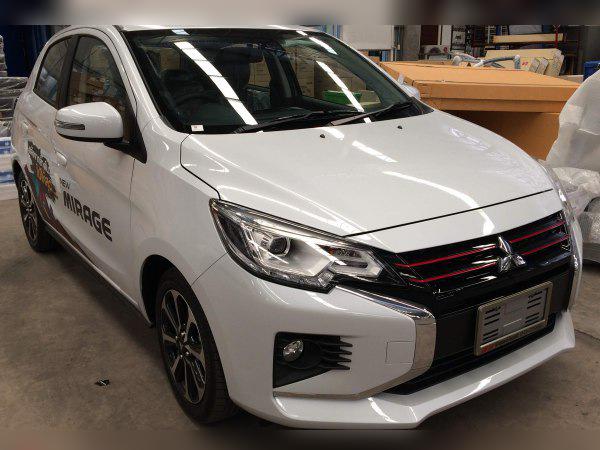
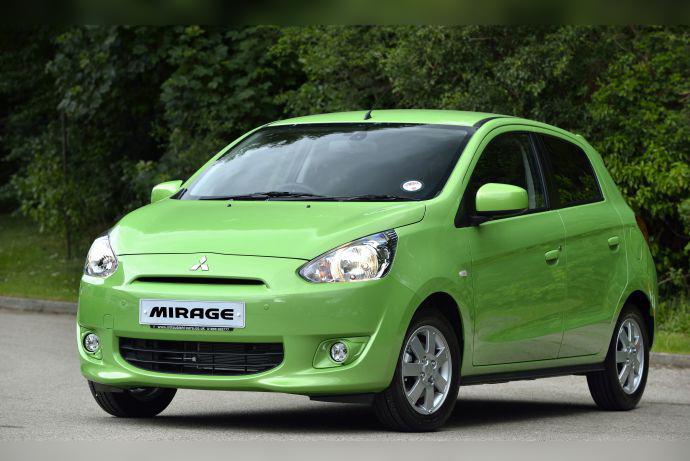
Mitsubishi 1.2 MIVEC (3A92) – Experiences, problems, fuel consumption and buying tips
Key points (TL;DR)
- Reliability: Extremely reliable Japanese naturally aspirated engine. Simple construction means fewer things that can break.
- Timing drive: Uses a chain instead of a timing belt, which reduces regular maintenance costs.
- Fuel consumption: A champion in city driving. On the open road, consumption rises disproportionately with speed due to the lack of a sixth gear and aerodynamics.
- Gearbox: The manual is practically “indestructible”, while the CVT automatic requires strict oil change intervals or it becomes a very expensive problem.
- Performance: The 3‑cylinder engine is noisy and has characteristic vibrations. It’s not for racing, but it’s more than adequate for the lightweight Mirage (Space Star) body.
- Costs: Maintenance is generally affordable, with no expensive components like a dual‑mass flywheel or turbo.
- Recommendation: Ideal for city use, deliveries or as a second family car. Best avoided for frequent long motorway trips.
Contents
- Technical specifications
- Reliability and maintenance
- Specific parts and costs
- Fuel consumption and performance
- Additional options and LPG
- Gearbox (Manual vs CVT)
- Used car buying guide and conclusion
The engine with the code 3A92 is the heart of the sixth‑generation Mitsubishi Mirage (better known in Europe as the Space Star). It is a classic representative of the Japanese “downsizing” school from before turbochargers became standard. This three‑cylinder petrol engine was designed with a clear goal: maximum efficiency and simplicity in urban conditions. Although 80 horsepower doesn’t look impressive on paper, in a car weighing less than 900 kg the story is a bit different. Below we analyze whether this is an engine that will serve you for years or a source of frustration.
Technical specifications
| Parameter | Value |
|---|---|
| Engine code | 3A92 (MIVEC series) |
| Displacement | 1193 cc (1.2 litres) |
| Configuration | Inline, 3 cylinders, 12 valves |
| Power | 59 kW (80 hp) at 6000 rpm |
| Torque | 106 Nm at 4000 rpm |
| Injection type | Multipoint (MPI) – indirect |
| Induction | Naturally aspirated (no turbo) |
| Emissions standard | Euro 5 / Euro 6 (depending on model year) |
Reliability and maintenance
Timing system: Chain or belt?
Good news for your wallet: the 3A92 uses a timing chain. This means there is no “major service” in the classic sense at 60,000 or 80,000 km as with belt‑driven engines. The chain on this engine is designed to last as long as the engine itself, but in practice it’s advisable to check its stretch at around 200,000 km. If you hear a metallic rattling noise on cold start that doesn’t disappear after a few seconds, that’s a sign the chain or chain tensioner is ready for replacement.
Minor service and engine oil
This is a small engine with a small oil sump. It takes roughly 3.0 to 3.2 litres of oil (including the filter). Due to the MIVEC system (variable valve timing) and tight tolerances, only low‑viscosity synthetic oil is recommended.
The manufacturer usually recommends 0W‑20 (for maximum fuel savings and cold climates) or 5W‑30 (better for hot summers). The minor service interval is 15,000 km or one year, but given the small oil capacity and city stop‑and‑go driving, it’s strongly recommended to shorten the interval to 10,000 km. It’s a cheap investment that drastically extends the life of the chain and piston rings.
Oil consumption and leaks
Like most modern petrol engines with thin piston rings (to reduce friction), the 3A92 can “drink” a bit of oil, especially if it’s often driven at high revs on the motorway. Consumption of up to 0.5 litres per 5,000 km is considered acceptable. However, if the engine uses more than that, the problem is usually in the valve stem seals or stuck piston rings due to infrequent oil changes. Leaks are rare, but check the valve cover gasket.
Most common failures
The engine is mechanically very robust. Problems are mostly peripheral:
- Engine mounts: Since this is a three‑cylinder, it naturally has an imbalance. That puts more stress on the engine mounts. The symptom is strong vibrations in the cabin at idle.
- Sensors: Occasional issues with oxygen sensors (lambda probes) or the MAF sensor can occur, which triggers the “Check Engine” light and increases fuel consumption.
- Alternator and starter: On models with the Start‑Stop system (AS&G), these parts are under greater stress and may fail earlier than on standard versions.
Specific parts (costs)
This is where the biggest advantage of this engine lies – simplicity.
- Dual‑mass flywheel: This engine DOES NOT have a dual‑mass flywheel. It uses a conventional solid flywheel. The clutch kit is relatively cheap and straightforward to replace.
- Turbocharger: The engine is naturally aspirated, so it HAS NO turbo. One less worry (and a few hundred euros in potential costs) to think about.
- Injectors and fuel system: It uses conventional MPI (multipoint) port injection. These injectors are very resistant to poorer fuel quality, rarely clog and are cheap to clean or replace compared to direct injection (GDI).
- EGR and DPF: Being a petrol engine, it has no DPF filter. It does have an EGR valve that recirculates exhaust gases. It can get dirty from city driving, causing rough running or hesitation, but this is often solved with cleaning rather than replacement.
Fuel consumption and performance
City driving
In the city this engine is in its element. Real‑world consumption in heavy traffic is between 5.5 and 6.5 litres per 100 km, which is an excellent result. It pulls well from traffic lights up to 50 km/h thanks to the short gearbox ratios.
Motorway and open road
This is where the compromise appears. The 3A92 is not sluggish for the car’s weight (the Mirage/Space Star is feather‑light), but it lacks torque for in‑gear acceleration at speeds over 100 km/h.
At 130 km/h in fifth gear, the engine spins at a high 3500–3800 rpm (depending on the gearbox). At that point it becomes noisy and fuel consumption jumps to around 6.5 to 7.5 litres, which is paradoxically more than in the city. Overtaking on country roads requires dropping to third gear and revving close to the redline.
Additional options and modifications
LPG conversion
This is an ideal engine for LPG installation. Thanks to the MPI injection system, installation is simple, inexpensive (standard sequential systems) and the engine handles LPG very well. However, Mitsubishi engines sometimes have slightly “softer” valve seats. It’s recommended either to install a valve lubrication system or to check valve clearances strictly every 40,000–50,000 km when running on LPG.
Remapping (Stage 1)
On small‑displacement naturally aspirated engines, chip tuning is a waste of money. The gain would be in the range of 3 to 5 hp, which is imperceptible in real driving. It’s better to invest that money in quality tyres or regular servicing.
Gearbox: Manual vs CVT
Manual gearbox (5‑speed)
The standard choice. It’s precise, easy to operate and very reliable. The most common expense is replacing the clutch kit (pressure plate, disc, release bearing), which falls into the “not expensive” category. Gearbox oil is changed preventively at 80,000–100,000 km (75W‑80 or similar as per specification).
CVT automatic gearbox (Jatco CVT7)
The car is fitted with a Jatco CVT gearbox (continuously variable transmission). It offers excellent comfort in the city because there are no gear changes. However, it has a specific driving feel – when you press the accelerator, the revs jump up and stay high while the car accelerates (the “scooter effect”).
Problems and maintenance: CVT gearboxes are sensitive. If the oil is not changed regularly, the internal belt starts slipping and metal shavings appear, which destroy the system. Changing the oil and filter in the CVT is MANDATORY every 40,000 to 60,000 km. If you’re buying a used car with a CVT and there is no proof of oil changes, it’s a big risk. Repairing a CVT gearbox falls into the “very expensive” category.
Used car buying guide and conclusion
If you’re looking at a Mitsubishi Mirage/Space Star with the 1.2 engine, here’s what to check:
- Chain noise: Listen to a cold start. Any rattling that lasts longer than 2–3 seconds is a red flag.
- Idle quality: The engine has 3 cylinders and vibrates a bit, but it should run smoothly. If the car shakes excessively, check the engine mounts.
- Clutch/CVT: On the manual, the clutch should engage smoothly. On the CVT, the car should start moving as soon as you release the brake, without jerks or hesitation. If the CVT “howls” or hesitates, walk away.
- Oil: Pull out the dipstick. If the level is at minimum or the oil is black like tar, the owner didn’t care for the car. These engines need clean oil.
Conclusion
The 3A92 (1.2 MIVEC) engine is one of the most rational choices for a city car. It’s not prestigious, it’s not fast, but it is economical and cheap to maintain. If you’re looking for a reliable means of transport from point A to point B and you spend most of your time in the city, this engine is a bullseye. Avoid neglected examples with a CVT gearbox and you’ll have peace of mind for years.
Was this content useful to you?
Your opinion helps us to improve the quality of the content.