B47D20A Engine
- Engine
- 1995 cm3
- Aspiration
- Twin-power turbo, Intercooler
- Fuel
- Diesel
- Fuel injection system
- Diesel Commonrail
- Power
- 190 hp @ 4000 rpm
- Torque
- 400 Nm
- Cylinders
- 4
- Valves
- 16, 4 per cylinder
- Cylinders position
- Inline
- Valvetrain
- DOHC
- Oil capacity
- 5 l
- Coolant
- 9.5 l
- Systems
- Particulate filter
# Vehicles powered by this engine
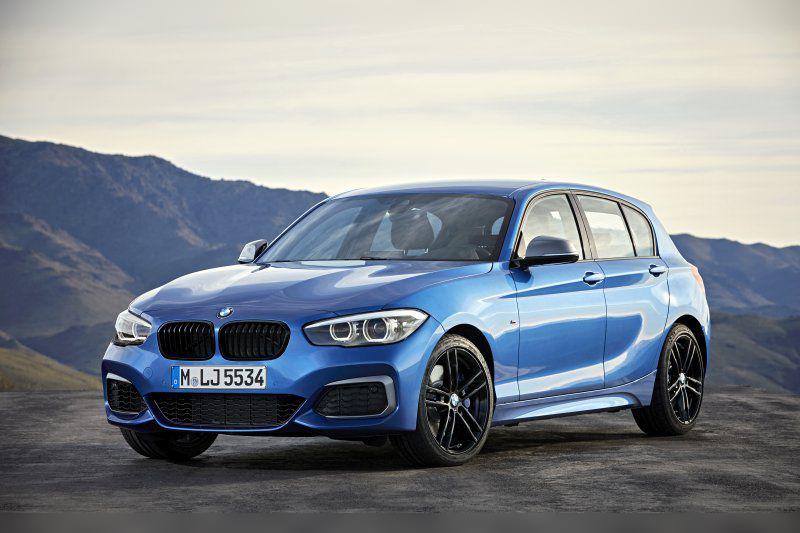
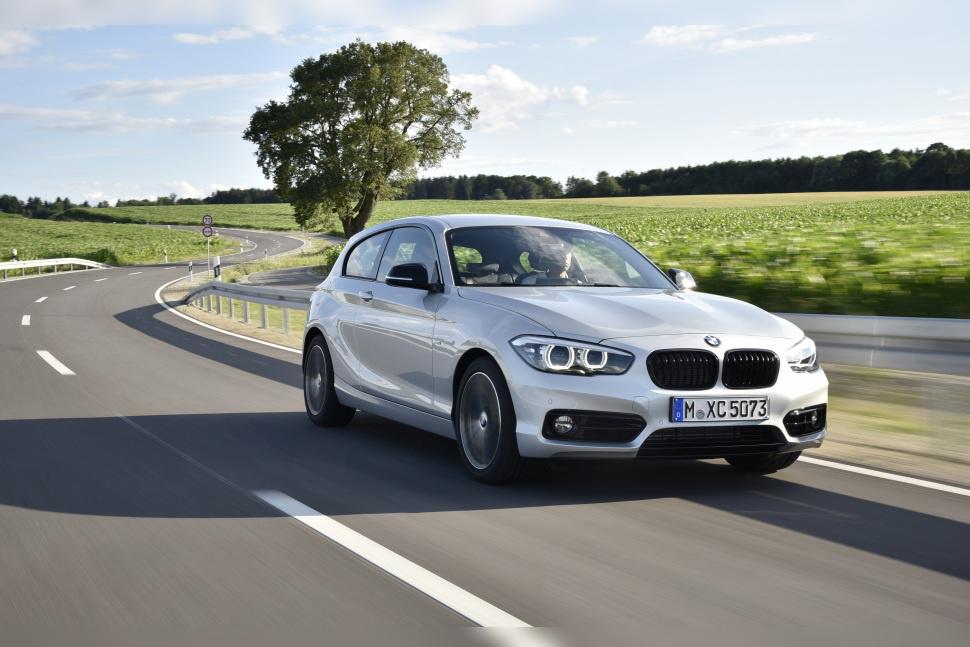
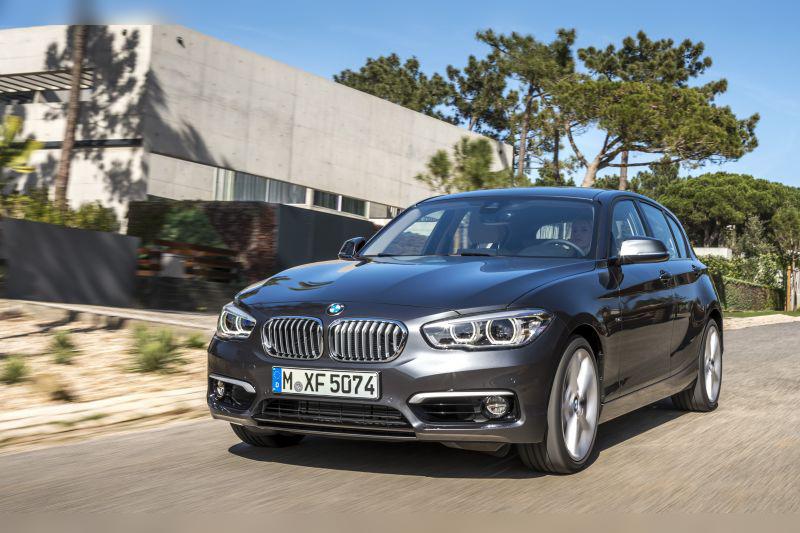
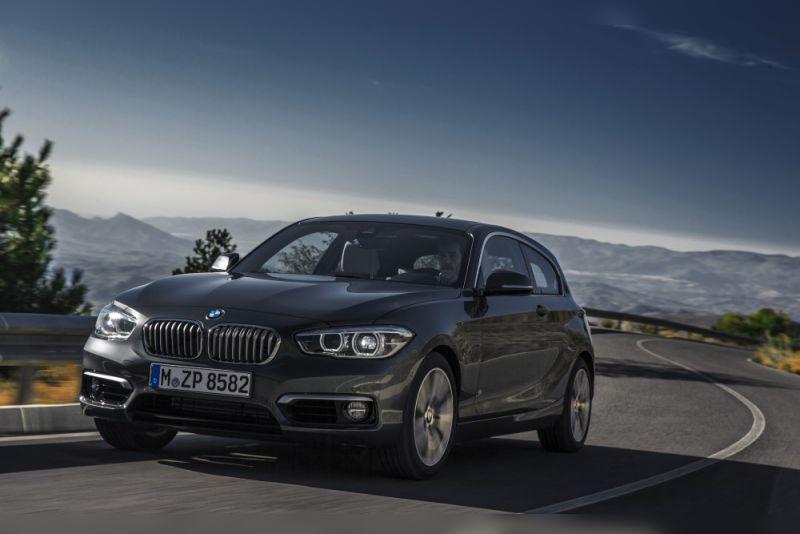




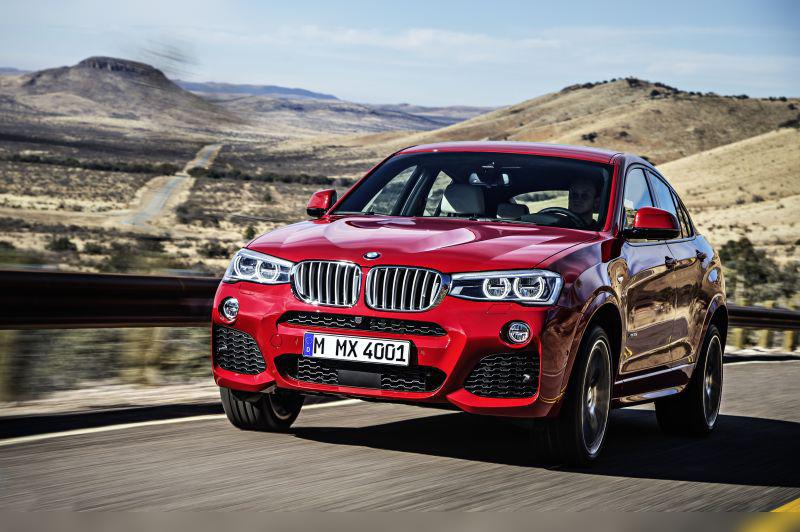
BMW B47D20A (2.0d 190 hp): Experiences, problems, fuel consumption and maintenance
Key points (TL;DR)
- Significantly better than its predecessor: The B47 has solved most of the catastrophic timing chain issues that plagued the old N47 engine, but caution is still advised.
- EGR cooler: This is the "Achilles' heel" of this engine. There are factory recalls due to fire risk caused by glycol leakage. A must-check item!
- Chains are still at the back: Although they fail less often, the chain is located next to the cabin (flywheel side), which means replacement is still expensive (requires engine removal).
- Fuel consumption and power: The performance-to-consumption ratio is probably the best in its class. It goes like an athlete, drinks like a lighter.
- ZF gearbox: If you choose the automatic (ZF 8HP), you get one of the best gearboxes ever made.
- Recommendation: An excellent engine to buy, provided the EGR system has been checked and the oil is changed every 10–15,000 km, not every 30,000 km.
Contents
- Introduction and models
- Technical specifications
- Reliability and maintenance (chain, oil, servicing)
- Specific parts and costs
- Fuel consumption and performance
- Additional options and tuning
- Gearbox: manual vs automatic
- Buying used and conclusion
Introduction: Successor to a problematic prince
The B47D20A engine is BMW’s answer to criticism. It arrived in 2014 as a replacement for the infamous N47, which gave owners headaches due to timing chain failures. The B47 is a modular engine (it shares its architecture with the B48 petrol) and represents the "heart" of BMW’s lineup in the mid-2010s.
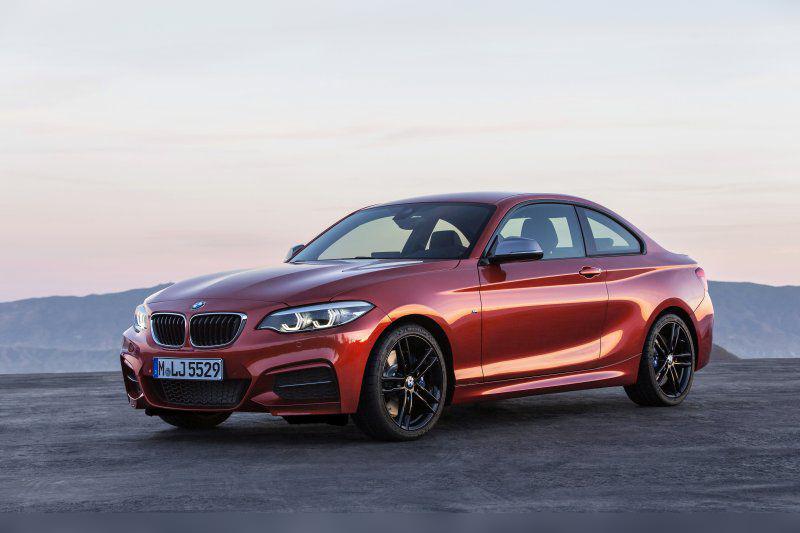
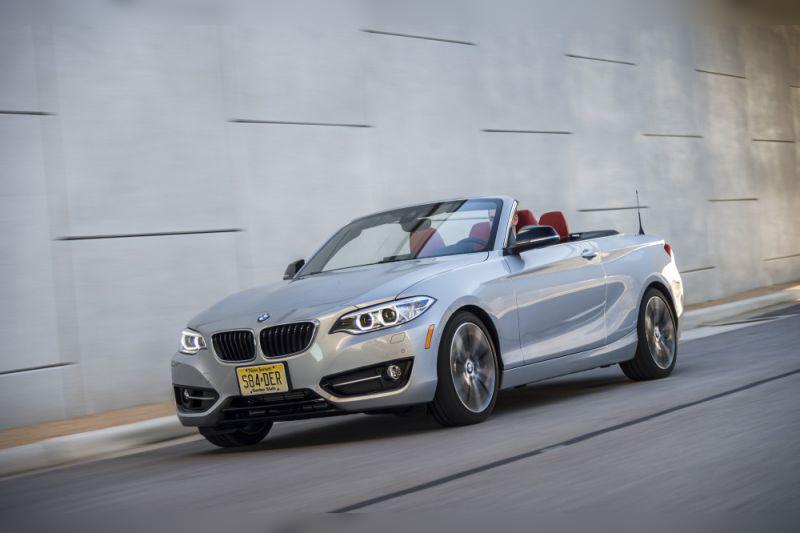
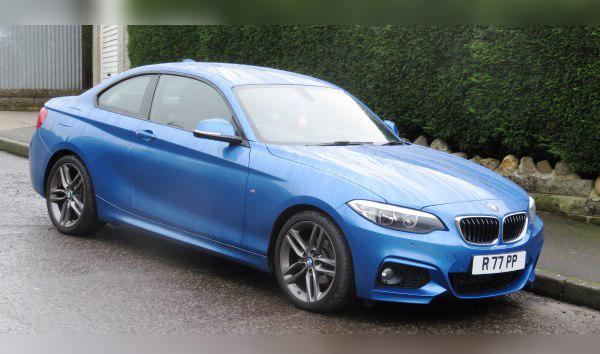
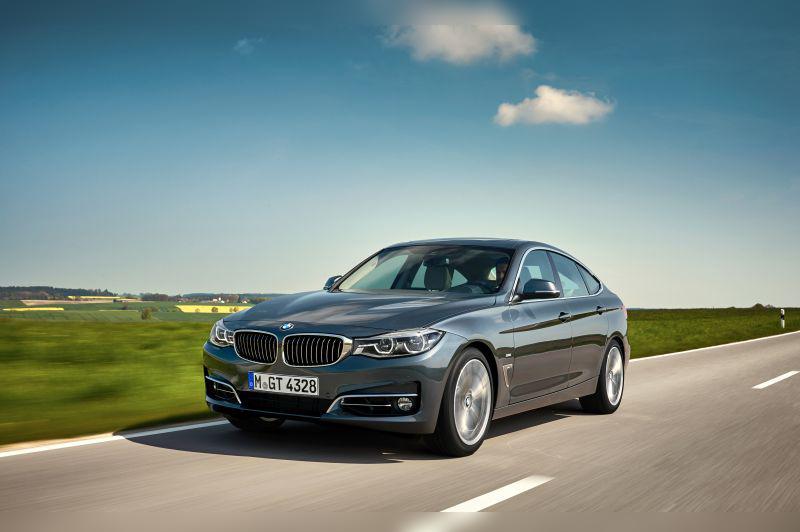
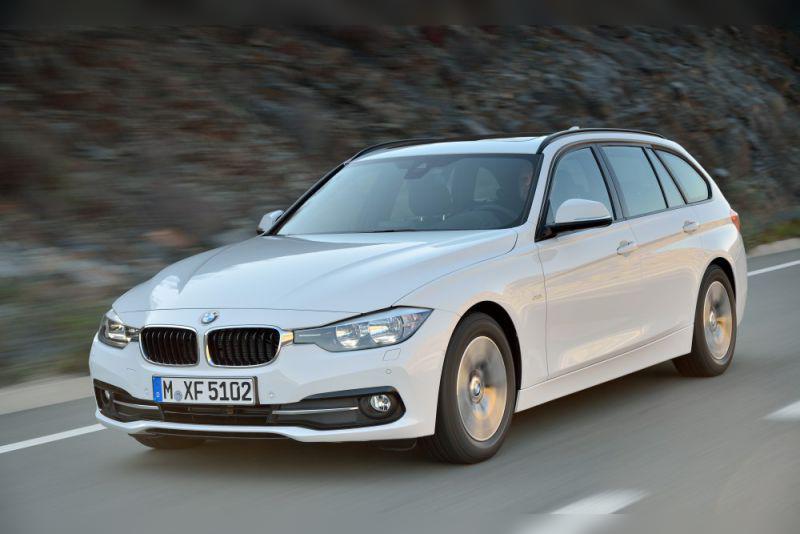
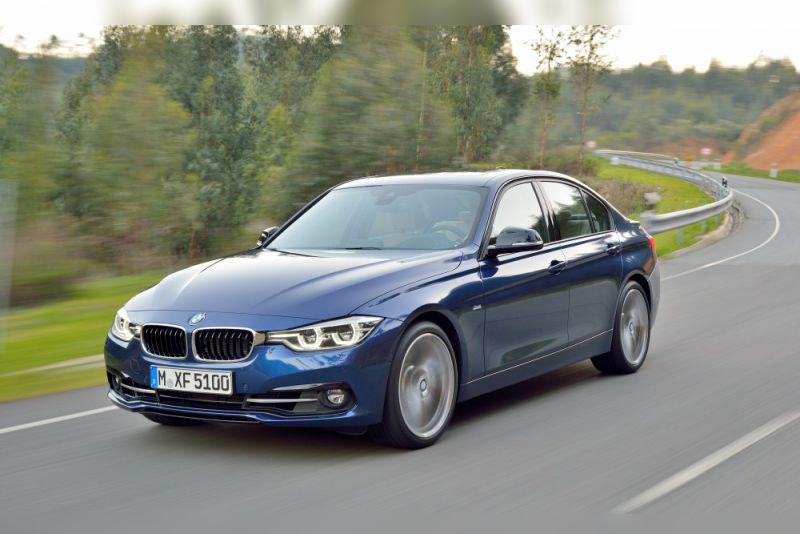
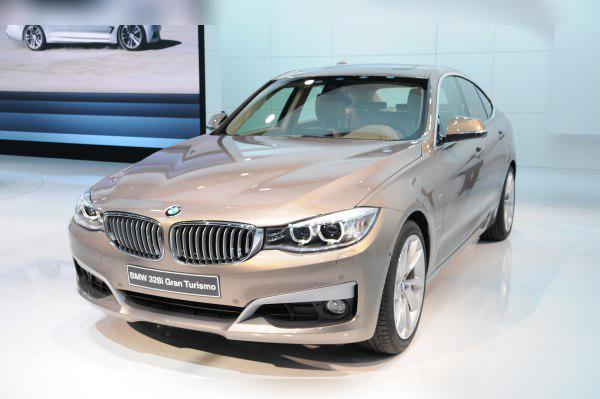
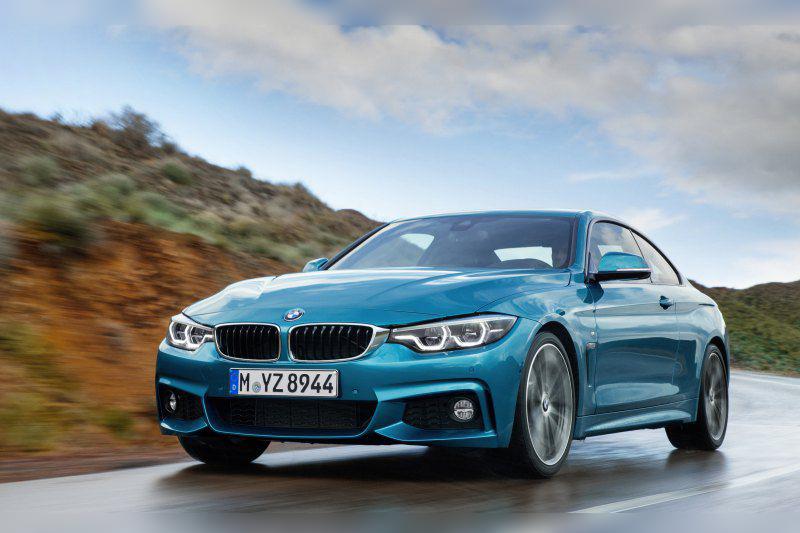
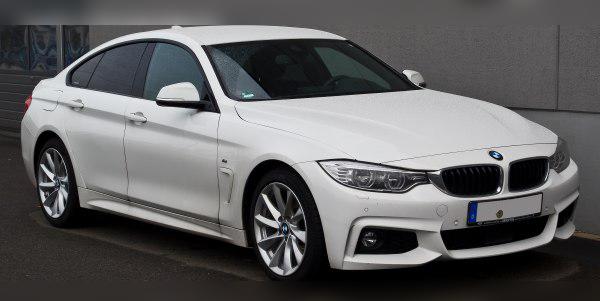
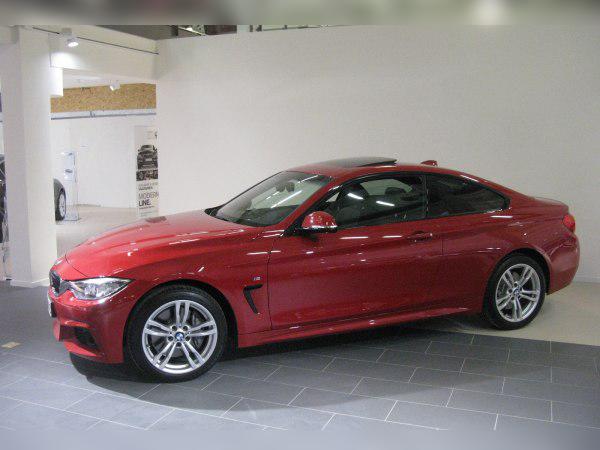
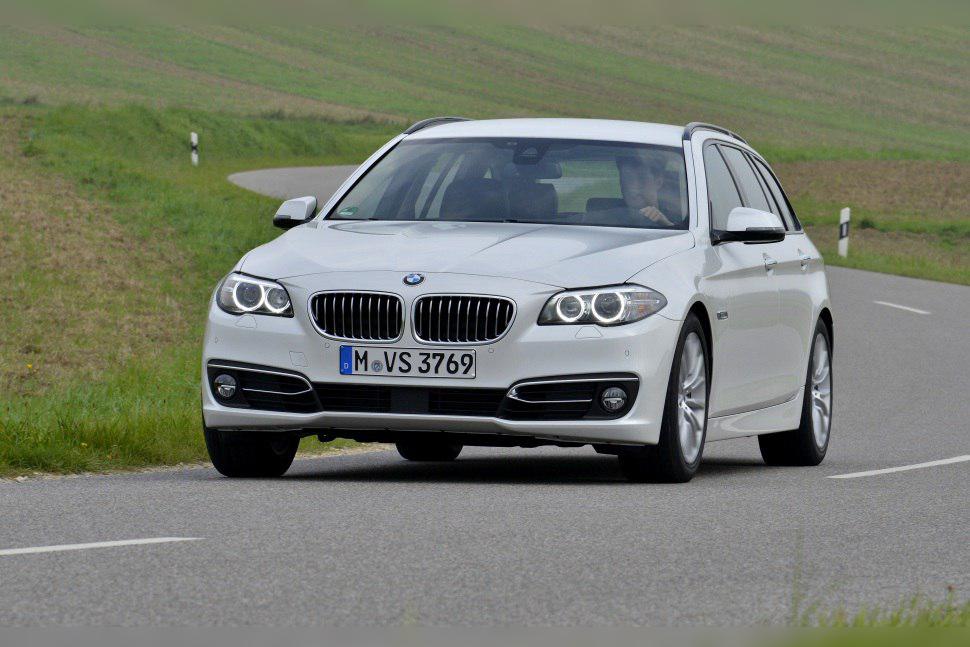
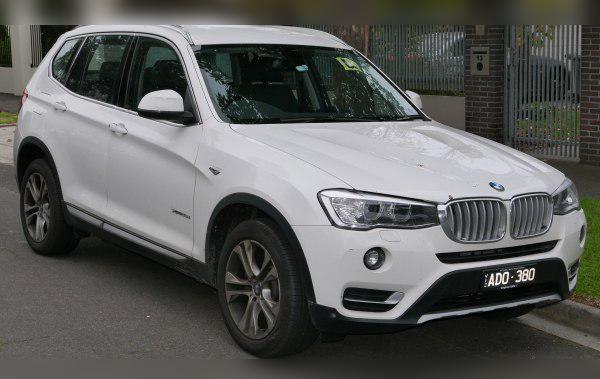
It was installed in almost everything – from the 1 Series (F20) to the 5 Series (F10/G30) and SUV models X3 and X4. The 190 hp (140 kW) version is the most desirable because it offers a perfect balance between power sufficient for overtaking and low registration/fuel costs.
Technical specifications
| Characteristic | Value |
|---|---|
| Engine code | B47D20A |
| Displacement | 1995 cc (2.0 L) |
| Power | 140 kW (190 hp) @ 4000 rpm |
| Torque | 400 Nm @ 1750–2500 rpm |
| Fuel type | Diesel (Common Rail) |
| Configuration | Inline 4-cylinder |
| Turbocharger | Single (TwinPower Turbo technology with variable geometry) |
| Emissions standard | Euro 6 (most versions use AdBlue) |
Reliability and maintenance
Does this engine have a timing belt or a chain?
The engine uses a chain. As with its predecessor, the timing chain is located on the rear side of the engine (between the engine and gearbox). This is bad news for servicing because it requires removing the engine or gearbox to access the chain.
The good news: BMW significantly improved the guides and tensioners on the B47. Chain failure is much less common than on the N47, but it is not impossible. The symptom the driver should listen for is a characteristic metallic "&shh-shh-shh" scraping noise at idle, especially when the engine is cold. If you hear that sound, go to a mechanic immediately.
What are the most common failures on this engine?
The biggest enemy of the B47 engine is the EGR system (exhaust gas recirculation cooler).
- Cause: The EGR cooler is prone to internal cracking, which leads to coolant (glycol) leaking into the intake manifold. Combined with soot, this creates a flammable mixture.
- Symptoms: Coolant level dropping without visible leaks under the car, exhaust smell in the cabin, or in the worst case – smoke under the bonnet and fire.
- Solution: Check with an authorised dealer whether your VIN is covered by a technical campaign (recall). BMW has been replacing these coolers on a large scale free of charge.
Other issues include intake manifold clogging (soot deposits) and occasional problems with the AdBlue system (urea tank heater).
At what mileage should the major service be done?
On BMW engines with a chain there is no prescribed "major service" interval as with a belt. The chain is designed to last the "lifetime" of the engine, but in practice that means around 200,000 to 250,000 km. However, many owners proactively replace the chain kit at around 180,000–200,000 km to avoid the risk, because the cost of repairing the damage if the chain snaps is astronomical.
How many litres of oil does this engine take and which grade is recommended?
The B47D20 takes approximately 5.0 to 5.2 litres of engine oil (depending on whether it is xDrive or rear-wheel drive, the oil pan can differ slightly).
Recommendation: Only fully synthetic 5W-30 or 0W-30 that meets the BMW Longlife-04 specification. Do not experiment with cheap oils.
Does it burn oil between services?
A healthy B47 engine should not consume a noticeable amount of oil. Consumption of 0.5 litres per 10,000 km is acceptable, but anything above that indicates a problem (turbo, piston rings or leaks).
Important note on service interval: BMW recommends oil changes every 30,000 km. Forget that. If you want this engine to last, change the oil at a maximum of 15,000 km or once a year. Long intervals are the main cause of chain and turbo failure.
Specific parts (costs)
Does the engine have a dual-mass flywheel?
Yes.
Manual gearbox: It has a dual-mass flywheel, which is a wear item. Replacement is expensive (clutch kit + flywheel).
Automatic gearbox: It does not have a classic dual-mass flywheel like the manual, but uses a hydraulic torque converter, and a flex plate which rarely fails. So with the automatic you don’t have that painful regular expense.
What kind of injection system does it have and are the injectors problematic?
It uses a Bosch Common Rail system with pressure up to 2000 bar (some versions up to 2500). The injectors are solenoid type on most 190 hp variants, which is good news because they are cheaper to refurbish than the piezo injectors used on some older models. In general they are very reliable if you use quality fuel. They are sensitive to water in the fuel.
Does the engine have one or two turbochargers and what is their lifespan?
The 190 hp versions (120d, 320d, 520d) have one turbocharger with variable geometry. The term "TwinPower Turbo" is BMW’s marketing name for the technology (twin-scroll inlet), not the number of turbos.
Only the more powerful versions (25d – 224 hp) have two turbos.
The typical lifespan of the turbo is over 200,000 km with regular oil changes. The first sign of failure is a siren-like whine or loss of power ("safe mode").
Does it have a DPF filter or EGR valve that often clogs?
It has both.
DPF (diesel particulate filter): If you mostly drive on open roads, it will last over 250,000 km. If you drive exclusively in the city (stop-and-go traffic), the DPF can clog as early as 150,000 km.
EGR: As mentioned, the EGR cooler is problematic (leaks), and the EGR valve itself can stick due to soot, causing jerking at low throttle.
Fuel consumption and performance
What is the real fuel consumption in city driving?
It depends on the body style:
- 1 and 2 Series: 6.5 – 7.5 l/100 km.
- 3 and 4 Series: 7.0 – 8.0 l/100 km.
- 5 Series, X3, X4 and xDrive models: 8.0 – 9.5 l/100 km.
Is this engine “lazy” for the weight of the car?
Absolutely not. With 400 Nm of torque available from just 1750 rpm, this engine "pulls like a train" in any of the listed body styles.
Even in a heavy X3 or 5 Series Touring, in-gear acceleration is excellent. In the lighter 1 Series (120d), this engine offers almost sports-car performance (0–100 km/h in about 7 seconds).
What is it like on the motorway and at what revs does it cruise at 130 km/h?
This is the engine’s natural habitat. Combined with the 8-speed automatic, at 130 km/h it spins at an extremely low 1,800 – 2,000 rpm (in 8th gear). This results in a quiet cabin and fuel consumption of around 5.0–6.0 litres on the highway.
Additional options and modifications
How far can this engine be safely tuned (Stage 1)?
The B47 responds very well to remapping.
Stage 1 (software only): It can be safely taken to around 220 – 230 hp and 450 – 470 Nm.
This significantly changes the character of the car. However, before remapping you must check the condition of the chain and clean the intake manifold. Also keep in mind that higher torque wears out the dual-mass flywheel faster on manual gearboxes.
Gearbox
Which manual and automatic gearboxes are fitted?
- Manual: 6-speed gearbox (Getrag/ZF).
- Automatic: ZF 8HP (8-speed Steptronic). This is probably the best automatic gearbox on the market of that generation.
Most common issues and maintenance?
Manual: It is robust, but suffers from dual-mass flywheel wear. If you feel vibrations in the clutch pedal or knocking when switching the engine off, the flywheel is at the end of its life. Replacement is expensive (often 600–1000 EUR for the kit).
Automatic (ZF 8HP): Extremely reliable. Problems are rare. However, BMW claims the oil in the gearbox is "lifetime fill". The gearbox manufacturer (ZF) says otherwise!
Recommendation: Change the oil and the pan (which contains the filter) every 80,000 – 100,000 km. If you do that, the gearbox will easily cover 400,000 km without issues.
xDrive (all-wheel drive): If you are buying an xDrive version, be aware that the transfer case (VTG) is sensitive to uneven tyre wear. The tyres on all four wheels must be the same brand, model and have similar tread depth (difference max 2 mm), otherwise the transfer case will fail (symptom: juddering under acceleration).
Buying used and conclusion
What to check before buying?
- Cold start: Listen to the chain at the rear of the engine. Any rhythmic scraping noise is a red flag.
- EGR/coolant: Check the coolant level. If it is low, ask why. Check the service history – has the EGR cooler recall been carried out?
- Exhaust: The exhaust tip should be clean (bare metal, grey/white), without black soot. Black soot indicates that the DPF has been removed or drilled through.
- Gearbox behaviour: The ZF automatic should shift imperceptibly. Any thump when engaging D or R, or "flaring" revs, is a sign to walk away from that car.
Conclusion
The BMW B47D20 (190 hp) is an excellent engine. It is much more refined and reliable than the old N47. It offers fantastic performance with laughably low fuel consumption. It is ideal for people who drive a lot (over 15–20,000 km per year).
Who is it not for? It is not for those who only drive short city trips (3–5 km), because the DPF and EGR will quickly fail. For city driving, look for a petrol (B48). For everyone else – a strong recommendation, provided you thoroughly check the maintenance history.
Was this content useful to you?
Your opinion helps us to improve the quality of the content.