B38 Engine
- Engine
- 1499 cm3
- Aspiration
- Twin-power turbo, Intercooler
- Fuel
- Petrol (Gasoline)
- Fuel injection system
- Direct injection
- Power
- 156 hp
- Torque
- 240 Nm
- Cylinders
- 3
- Valves
- 12, 4 per cylinder
- Cylinders position
- Inline
- Valvetrain
- VALVETRONIC, Double-VANOS
- Oil capacity
- 4.5 l
- Systems
- Start & Stop System, Particulate filter
# Vehicles powered by this engine
BMW B38 (1.5 Turbo) – Experiences, issues, fuel consumption and used-car buying tips
Key points in short (TL;DR)
- 3 cylinders: The engine has a characteristic sound and vibration, although they are well damped. Engine mounts are under higher stress.
- Timing chain: Uses a timing chain which is generally more reliable than on older N-series engines, but replacement is expensive due to its position on the engine.
- Mild Hybrid technology: The 48V system assists during acceleration and reduces fuel consumption, but adds complexity and potential electronic maintenance costs.
- Cooling: Coolant leaks (thermostat housing, water pump) are one of the more common issues.
- Direct injection: Risk of carbon buildup on intake valves at higher mileage.
- Gearbox: Comes with a 7-speed DCT (dual-clutch) gearbox that requires regular oil changes, even though the manufacturer often does not emphasize this.
- Recommendation: Excellent engine for daily driving, surprisingly lively, but maintenance costs are at a premium level (expensive).
Contents
- Introduction and Models
- Technical Specifications
- Reliability and Maintenance
- Specific Parts and Costs
- Fuel Consumption and Performance
- Additional Options and Modifications
- Gearbox
- Buying Used and Conclusion
Introduction and Models
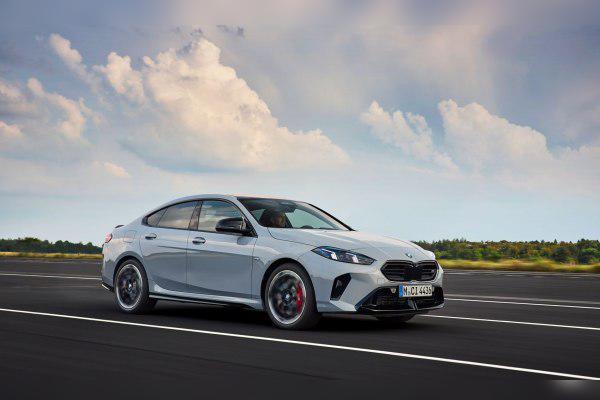
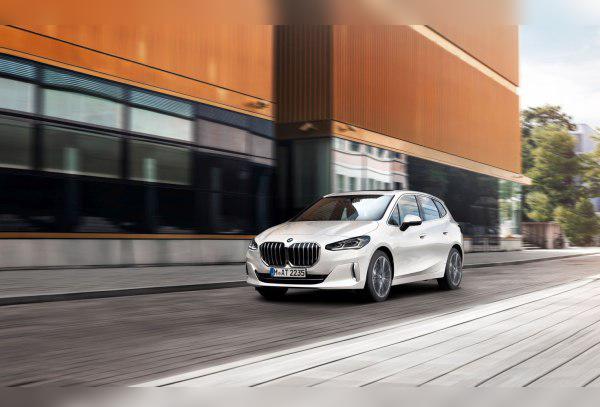
BMW’s B38 engine is the entry ticket into the world of modern Bavarian powertrains. It is a 1.5‑liter three‑cylinder modular unit that replaced the older four‑cylinder engines (N13/N20) in smaller models. In the version we’re talking about today, it is installed in the latest front‑wheel‑drive models (or xDrive based on FWD), specifically in the BMW 2 Series Gran Coupe (F74) and 2 Series Active Tourer (U06).
This is not a “regular” engine, but a Mild Hybrid system. That means the 156 hp petrol engine works in tandem with a small 48‑volt electric motor (integrated starter‑generator), which adds power, smooths out turbo lag and enables coasting with the engine off to save fuel. The total system output is often rated at 170 hp (125 kW).
Technical Specifications
| Specification | Value |
|---|---|
| Engine displacement | 1499 cc (1.5 l) |
| Configuration | Inline, 3 cylinders |
| Power (ICE engine) | 115 kW (156 hp) |
| System power (MHEV) | 125 kW (170 hp) |
| Torque | 240 Nm (plus e-boost) |
| Engine code | B38 (variants B38A15...) |
| Injection type | Direct injection (High Precision Injection) |
| Charging | TwinPower Turbo (single‑scroll turbo) + intercooler |
Reliability and Maintenance
Does this engine have a timing belt or a chain?
The B38 engine uses a timing chain. Unlike the notorious issues on older N47 diesels, the chain on B38 engines has proven to be much more durable. However, it is not eternal. What gives owners headaches is not so much chain breakage as its position. On these models (F74, U06) the engine is mounted transversely, and the chain is located at the rear of the engine (towards the gearbox/flywheel). This means that if it needs to be replaced (stretching, rattling), the engine or gearbox has to come out, which drastically increases labor costs.
What are the most common failures on this engine?
Although the engine is generally solid, pay attention to the following:
- Cooling system: Thermostat and water pump housings are plastic and prone to cracking or leaking after 100,000 km. Symptoms are coolant loss or overheating.
- Engine mounts: This is a 3‑cylinder engine which is naturally not perfectly balanced. Vibrations are damped by a heavy flywheel and hydraulic mounts. These mounts fail faster than on 4‑cylinder engines. You will feel strong vibrations in the cabin at idle when they are worn.
- VANOS solenoids: They can get dirty or fail, leading to rough running or loss of power.
- GPF sensors: As this is a modern Euro 6d engine, issues with exhaust pressure sensors are not uncommon.
At what mileage is the major service due?
Since the engine has a chain, a classic “major service” like with a belt does not exist at a fixed interval. The chain is replaced as needed, most often when rattling is heard on cold start. In practice, this usually happens between 150,000 and 200,000 km, but with regular oil changes it can last longer. The auxiliary (serpentine) belt and tensioners should be checked and replaced at around 100,000–120,000 km.
How many liters of oil does this engine take and which grade is recommended?
The sump holds approximately 4.25 to 4.5 liters of oil (always check the exact amount by VIN, as sumps may vary). For these newer engines (especially Mild Hybrid), BMW strictly recommends low‑viscosity oils to reduce friction and fuel consumption. The most commonly used grade is 0W‑20 (BMW Longlife‑17 FE+ specification). 5W‑30 (BMW Longlife‑04) can also be used, but 0W‑20 is the factory fill to achieve the claimed fuel consumption.
Does it consume oil between services?
B38 engines are known to be “tight” and should not consume a significant amount of oil while in good condition. Consumption up to 0.5 liters per 10,000 km is acceptable. If it uses more than 1 liter per service interval, this may indicate an issue with piston rings or valve stem seals, or more often – leaks at the turbo or gaskets. The factory will say that even 0.7 l/1000 km is “within tolerance” to protect itself, but in practice, a healthy B38 does not require topping up between services.
At what mileage should spark plugs be replaced?
On direct‑injection engines like this one, spark plugs are under higher stress. The recommendation is to replace them every 40,000 to 50,000 km (or at every second “minor” service). Waiting until 100,000 km can lead to coil failure (which is expensive) or poor combustion that damages the catalytic converter.
Specific Parts (Costs)
Does the engine have a dual‑mass flywheel?
Yes. A dual‑mass flywheel (DMF) is absolutely necessary on a three‑cylinder engine to absorb crankshaft torsional vibrations and make driving smooth. Its lifespan depends on driving style, but with an automatic (DCT) it usually lasts longer than with a manual, often over 150,000 km. Replacement is expensive (depends on the market, but expect a serious bill).
What kind of injection system does it have and are the injectors problematic?
It uses high‑pressure direct fuel injection. The injectors are piezo‑electric. They are generally reliable, but sensitive to poor fuel quality. If one fails, it is replaced individually, but coding is required. The price of a single injector is high.
Does this engine have a turbocharger and what is its lifespan?
It has a single turbocharger (the TwinPower badge on BMW denotes technology, not the number of turbos). It uses a single‑scroll design for quicker response. The turbo is water‑cooled (bearing housing), which extends its lifespan. With regular oil changes and proper cool‑down after spirited driving, the turbo should last as long as the engine. A potential issue is the electric actuator (wastegate), which can develop play and rattle, or stop working, requiring turbo repair or replacement.
Does this model have a DPF filter or EGR valve?
Since it’s a petrol engine, it doesn’t have a DPF, but it does have its equivalent – a GPF (Gasoline Particulate Filter) or OPF. It serves to trap soot (which occurs due to direct injection). If you drive only in the city at low revs, the GPF can clog. The solution is occasional highway driving at higher revs. There is also an EGR valve for exhaust gas recirculation; it is less prone to clogging than on diesels, but not immune.
Does this engine use AdBlue?
No. AdBlue is used exclusively on diesel engines (SCR catalysts). This petrol engine does not require any additional fluids besides fuel, oil, coolant and washer fluid.
Fuel Consumption and Performance
What is the real‑world fuel consumption in city driving?
Although “on paper” this is a small consumer, reality is a bit different due to the weight of the 2 Series Gran Coupe or Active Tourer body. Thanks to the Mild Hybrid system, which shuts the engine off during deceleration and assists when setting off, you can expect city consumption between 7.5 and 9.0 liters per 100 km. If you have a heavy right foot in stop‑and‑go traffic, it can easily go up to 10 liters.
Is this engine “lazy” for the weight of the car?
Absolutely not. Don’t let the 1.5‑liter displacement fool you. With 240 Nm of torque available at low revs plus the additional “electric punch” (e‑boost) from the hybrid system, the car feels very lively, especially in the city and when overtaking on country roads. It reaches 100 km/h in about 8 seconds, which is perfectly respectable.
How does the engine behave on the motorway and at what revs does it cruise at 130 km/h?
On the motorway it behaves decently. The 7‑speed gearbox keeps revs relatively low. At 130 km/h the engine spins at around 2,200–2,400 rpm (depending on gradient and load). Sound insulation is good, so the three‑cylinder “purr” is barely audible. Fuel consumption on cruise control at 130 km/h is around 6.0 to 7.0 liters.
Additional Options and Modifications
Is this engine suitable for LPG conversion?
Not recommended. Due to direct fuel injection, a special (and very expensive) LPG system is required, using liquid phase or injecting petrol in parallel to cool the injectors. The investment is usually over 1000 EUR, and given the complex electronics and Mild Hybrid system, the risk of issues and “check engine” lights is huge. Economic viability is questionable.
How far can this engine be safely tuned (Stage 1)?
The engine has power reserves. A Stage 1 remap can raise ICE power from 156 hp to about 180–190 hp, and torque to about 280–300 Nm. However, be careful because of the gearbox and warranty (if the car is new). The Mild Hybrid system is complex and not every tuner knows how to properly calibrate the map without causing conflicts with the electric motor. It is recommended to do this only with reputable tuning companies.
Gearbox
Which gearboxes are fitted?
The 220i Mild Hybrid models (F74, U06) come standard with a 7‑speed Steptronic dual‑clutch gearbox (DCT). A manual gearbox is generally not an option for these specific hybrid versions.
What are the most common automatic gearbox issues?
The DCT gearbox is fast and efficient, but not without flaws. The most common issues are:
- Mechatronics: The electronic‑hydraulic brain of the gearbox can fail, resulting in harsh shifts or inability to engage gears.
- Oil leaks: At gaskets or seals.
- Clutch wear: Although these are “wet” clutches (running in oil), city driving with constant creeping wears out the clutch packs. Symptoms are slipping or jerks when setting off.
How much does clutch replacement cost?
A clutch kit for a DCT gearbox is very expensive. This is not a simple friction plate replacement like on a manual. The entire dual‑clutch assembly is often replaced, and the price including labor can easily reach four figures in euros (depending on the workshop and parts).
At what mileage should the gearbox be serviced?
BMW often states that the gearbox oil is “lifetime”. Do not believe this. The gearbox manufacturer (Getrag/Magna) recommends replacement. To avoid costly failures, change the oil and filters in the DCT gearbox every 60,000 to 80,000 km. This is the key to longevity.
Buying Used and Conclusion
Before buying a used BMW with this engine, make sure to do the following:
- Cold start: Listen to the engine while it is cold. Rattling for the first 2–3 seconds is “okay” (until the oil reaches the top), but if it continues, the chain is the issue.
- Creeping: Put it in D and release the brake. The car should move off smoothly, without jerks. Jerking indicates clutch issues in the gearbox.
- Vibrations: If at a traffic light the steering wheel and seat vibrate excessively, prepare money for new engine mounts.
- Diagnostics: Check the status of the 48V battery and hybrid system. Replacing these components is extremely expensive.
Conclusion: The BMW B38 in its 156/170 hp version is a modern, technologically advanced unit that offers an excellent balance between performance and fuel consumption. It is not as cheap to maintain as older naturally aspirated engines, but it provides a premium driving feel. It is ideal for those who drive a mix of city and highway and want a modern car with an automatic gearbox. If you cover huge motorway mileages, a diesel is still a better (although more expensive to buy) option.
Was this content useful to you?
Your opinion helps us to improve the quality of the content.