C25XE Engine
- Engine
- 2489 cm3
- Aspiration
- Naturally aspirated engine
- Fuel
- Petrol (Gasoline)
- Fuel injection system
- Multi-port manifold injection
- Power
- 170 hp @ 6000 rpm
- Torque
- 227 Nm @ 4200 rpm
- Cylinders
- 6
- Valves
- 24, 4 per cylinder
- Cylinders position
- V-engine
- Valvetrain
- DOHC
- Oil capacity
- 4.5 l
- Coolant
- 7.5 l
# Vehicles powered by this engine

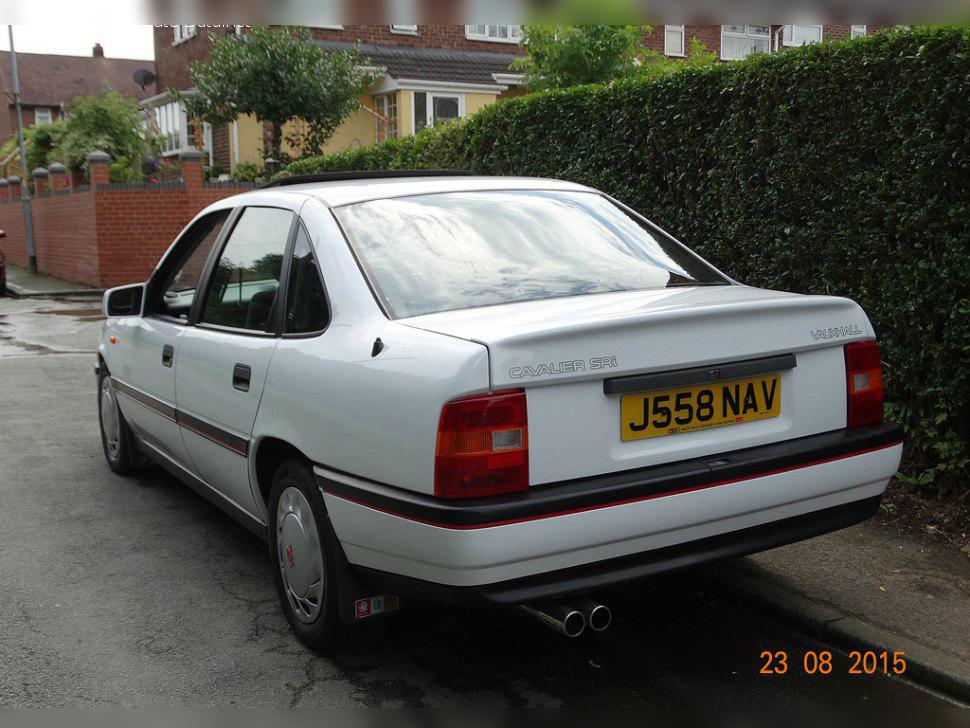
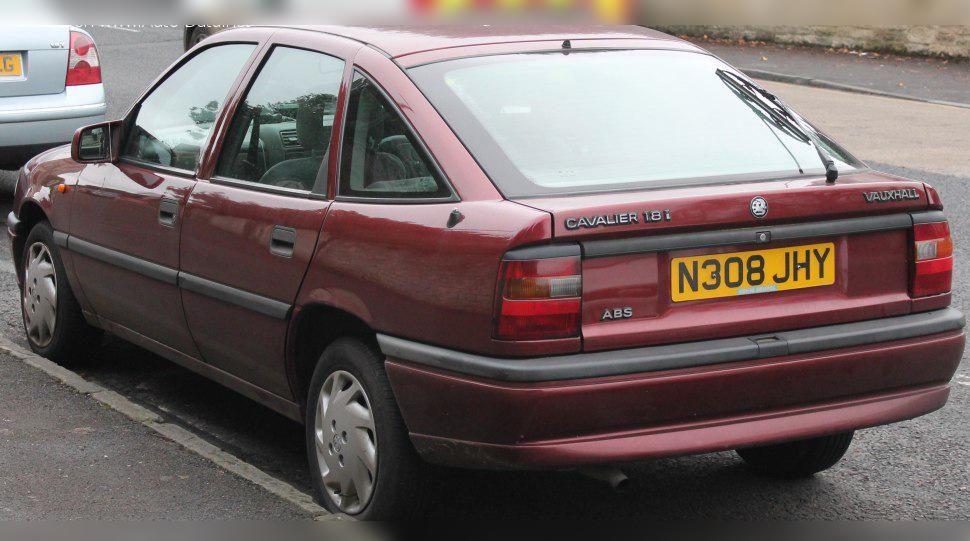
Opel 2.5 V6 C25XE: Experiences, Problems, Fuel Consumption and Buying Tips
Key points (TL;DR)
- Great sound and refinement: This is a true old-school V6 that offers smoothness modern four-cylinders simply can’t match.
- A nightmare for mechanics: The engine is mounted transversely in a very tight engine bay (Vectra A, Calibra). Any job requires many labor hours (expensive labor).
- Oil cooler is the Achilles’ heel: It sits between the cylinder heads (in the “V”) and often cracks, mixing oil and coolant.
- Timing service is expensive: Because of the complicated access and the need for specific timing tools.
- Ideal cruiser: It’s not a traffic-light drag racer, but an autobahn machine for long-distance driving.
- Excellent on LPG: It handles LPG very well, which is a lifesaver for your wallet considering the fuel consumption.
Contents
- Introduction and Applications
- Technical Specifications
- Reliability and Maintenance
- Specific Parts and Systems
- Fuel Consumption and Performance
- Additional Options (LPG and Tuning)
- Gearbox and Drivetrain
- Buying Used and Conclusion
Introduction and Applications
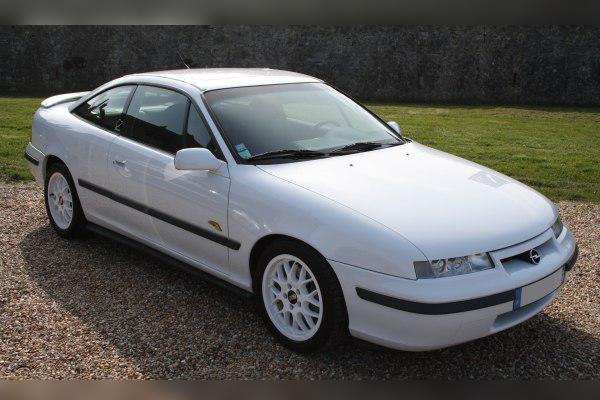
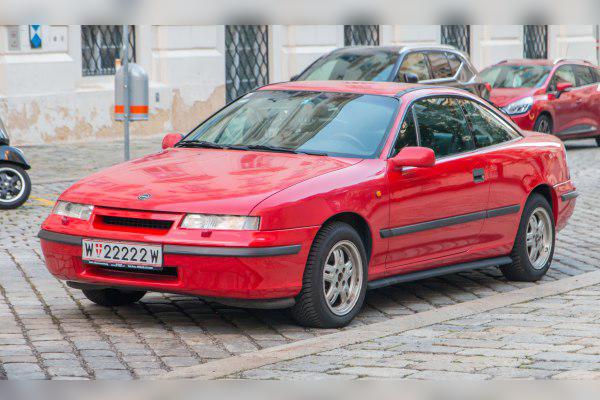
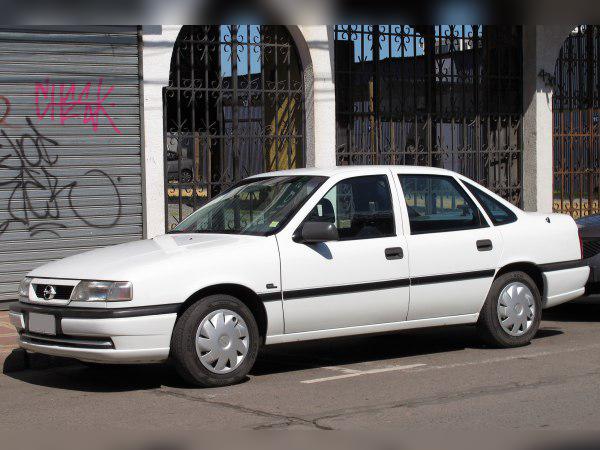
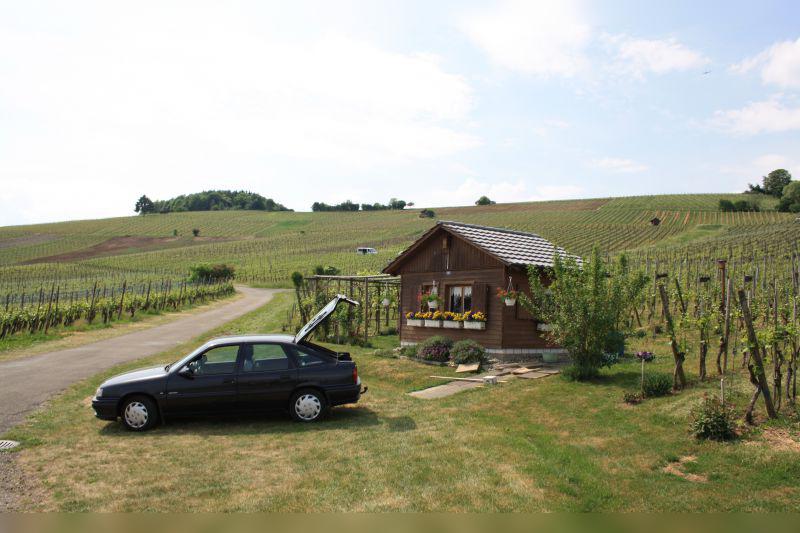
The engine designated C25XE represents Opel’s entry into the world of compact V6 engines in the early 1990s. It was primarily installed in top models such as the Opel Calibra and Vectra A (facelift versions). This engine was a status symbol of its time – it offered the power and prestige of six cylinders in a mid-size body.
Unlike the later X25XE (used in the Vectra B), the C25XE is “rawer”, with a slightly more aggressive map and without the strangling effect of strict emission standards (Euro 1/2 era). However, its biggest flaw is in its design – engineers squeezed a large V6 under a bonnet originally designed for inline four-cylinders. The result is a fantastic sound and full performance, but also an extremely cramped space for any kind of servicing.
Technical Specifications
| Parameter | Value |
|---|---|
| Displacement | 2498 cm³ (2.5 L) |
| Configuration | V6 (54-degree angle) |
| Power | 125 kW (170 hp) @ 6000 rpm |
| Torque | 227 Nm @ 4200 rpm |
| Engine code | C25XE |
| Injection type | Multipoint (Bosch Motronic 2.8) |
| Aspiration | Naturally aspirated (no turbo) |
| Number of valves | 24 (4 per cylinder) |
Reliability and Maintenance
Does this engine have a timing belt or a chain?
The C25XE uses a timing belt. The system is quite complex because the belt has to synchronize four camshafts via a series of idlers and tensioners. Warning: If the belt snaps, the pistons and valves will collide, which means total engine failure (a “salad” inside the engine).
At what mileage should the major timing service be done?
The original factory recommendation was optimistic (around 120,000 km), but real-world experience has shown this to be risky. Today, any experienced mechanic will tell you that the major timing service on a C25XE should be done every 60,000 km or 4 to 5 years, whichever comes first.
Note: The price of the parts for the timing service is not that terrible, but the labor cost is high. There is very little room to work, and access to the rear cylinder head is difficult.
What are the most common failures on this engine?
Owners most often “pull their hair out” over the following issues:
- Oil cooler: This is the most famous weak point. The cooler sits in the “V” of the engine, submerged in coolant. Over time it corrodes or the seals fail. The symptom is “mayonnaise” (oil and water emulsion) in the expansion tank. Replacement is expensive because the intake manifold and the entire injection system have to be removed.
- Valve cover gaskets: The plastic covers warp over time from heat. Oil leaks directly onto the exhaust manifolds, so you get a strong burning smell in the cabin. Oil can also fill the spark plug wells, causing the engine to misfire.
- Crankshaft and camshaft sensors: They often fail due to age and heat, causing the engine to stall or preventing it from starting until it cools down.
- Spark plug leads and DIS module (coil pack): Access to the rear bank of spark plugs is difficult, so they are often neglected, which overloads the leads and coil pack.
How many liters of oil does it take and what grade?
The sump holds between 4.5 and 5 liters of oil, depending on whether you change the filter as well (which is mandatory). For our climate and the age of these engines, a quality semi-synthetic 10W-40 is recommended, although well-preserved examples can also use 5W-40 synthetic for better lubrication during cold starts.
Oil consumption – what is normal?
These engines tend to “drink” some oil, especially when driven at high revs. Consumption of around 0.5 liters per 1,000 km is considered acceptable for an engine of this age. If it uses more (e.g. 1 liter per 1,000 km), the problem is usually valve stem seals that have hardened, or in a worse case, worn piston rings. Blue smoke from the exhaust on cold start is a sure sign of bad valve stem seals.
Specific Parts (Costs)
Injection system and injectors
The C25XE uses the Bosch Motronic 2.8 system. The injectors are conventional, electromagnetic and very durable. They rarely fail. If problems do occur, they can be cleaned ultrasonically. They are neither expensive nor complicated like modern direct injection systems (GDI/FSI).
Turbocharger, DPF and EGR
- Turbo: The engine is naturally aspirated, it has no turbocharger. That’s one less thing to worry about (no turbo rebuilds).
- DPF: There is no DPF filter (it was produced before the DPF era).
- EGR valve: There is an exhaust gas recirculation system, but it is primitive. It often gets clogged with soot, causing rough idle. Many owners physically block it off without any major consequences for engine operation on these older models.
Fuel Consumption and Performance
Real-world fuel consumption
Let’s be honest – this is not an economical engine.
- City driving: Expect 11 to 14 liters per 100 km, depending on how heavy your right foot is and how bad the traffic is. The automatic uses about a liter more.
- Highway / open road: This is where the engine shines. With normal driving it can get down to 7.5 to 8.5 liters.
- Average: Count on around 10–11 liters combined.
Performance and “sluggishness”
With 170 hp and 227 Nm, the engine is not sluggish, but like many 90s V6s it loves revs. “Below 3000 rpm it’s a gentleman, above 4000 it’s a hooligan.” At low revs it is very linear and smooth, so it can feel slower than it really is. It shows its true strength only when it’s revved out. For the Vectra A or Calibra body (which are relatively light compared to today’s cars, around 1300 kg), this engine offers excellent performance (0–100 km/h in about 7.8–8.5 seconds).
Motorway driving
This is the C25XE’s primary mission. At 130 km/h the engine is relaxed, usually below 3500 rpm (depending on the gearbox), quiet and vibration-free. There is plenty of power in reserve to accelerate up to 200 km/h without even downshifting.
Additional Options and Modifications
Is it suitable for LPG?
Absolutely yes. The C25XE works very well with LPG systems (a sequential system is mandatory because of the plastic intake manifold). The valves are durable and do not require additional lubrication systems. Considering the petrol consumption, LPG installation pays for itself very quickly. The only real problem for installers is the lack of space under the bonnet for the vaporizer and injectors.
Chipping (Stage 1)
On naturally aspirated petrol engines, “chipping” does not bring dramatic results. You can expect a gain of about 5 to 8 hp, which is barely noticeable in real driving. However, a remap can improve throttle response and slightly smooth out the torque curve. Don’t waste money expecting miracles; this engine is tuned the old-school mechanical way (cams, intake, exhaust), which is very expensive.
Gearbox
Manual and automatic gearboxes
- Manual (F25): 5-speed gearbox. Known for very long gear lever throws and a “stirring dough” feel. It is very robust and can handle a lot of power, but it’s not quick or sporty.
- Automatic (AF20 / ZF 4HP18): 4-speed traditional automatic. Reliable if the oil is changed regularly, but technologically outdated. It shifts slowly, kills performance and increases fuel consumption.
Flywheel and clutch
Most models with the C25XE and the F25 manual gearbox use a solid flywheel or a specific heavy “pot type” flywheel, but not the problematic dual-mass flywheels found on modern diesels. That’s good news – no 500+ euro flywheel replacements.
However, replacing the clutch kit is expensive in labor. The front subframe often has to be dropped or the engine removed to separate the gearbox, simply because there is no space.
Gearbox servicing
- Manual: Opel claims it is “fill for life”, but it’s recommended to change the oil every 80,000–100,000 km. Use 75W-90 or the original GM oil (which is reddish).
- Automatic: Oil and filter must be changed every 60,000 km. If the automatic jerks or hesitates when shifting into “D”, it is probably nearing the end of its life.
Buying Used and Conclusion
When looking at a Vectra A or Calibra with this engine, pay attention to the following:
- Open the coolant expansion tank: If you see oily residue or “mayonnaise”, walk away. The oil cooler has failed and the repair is expensive.
- Inspect the engine from below and from the sides: Oil leaks from the valve covers are common, but check whether it’s leaking from the crankshaft seal (between engine and gearbox), as that requires gearbox removal.
- Listen to the engine on cold start: If you hear tapping that disappears after a few seconds, those are the hydraulic lifters. If the tapping doesn’t go away, the engine has been neglected.
- Timing belt: Ask for proof of when it was changed. If there is no proof, immediately factor in 300–400 euros (parts + labor) into the price of the car.
Verdict
The C25XE is a great piece of 90s engineering that offers emotion, sound and power. However, it is not for drivers who just want a cheap means of transport from A to B. This is an engine for enthusiasts who are willing to pay more for maintenance (especially labor) in exchange for the smile that a V6 at 6000 rpm puts on your face. If you find a well-preserved example, hold on to it – it’s a future classic.
Was this content useful to you?
Your opinion helps us to improve the quality of the content.