A20DT Engine
- Engine
- 1956 cm3
- Aspiration
- Turbocharger, Intercooler
- Fuel
- Diesel
- Fuel injection system
- Diesel Commonrail
- Power
- 130 hp @ 4000 rpm
- Torque
- 300 Nm @ 1750 rpm
- Cylinders
- 4
- Valves
- 16, 4 per cylinder
- Cylinders position
- Inline
- Valvetrain
- DOHC
- Oil capacity
- 4.5 l
- Coolant
- 9 l
- Systems
- Particulate filter
# Vehicles powered by this engine
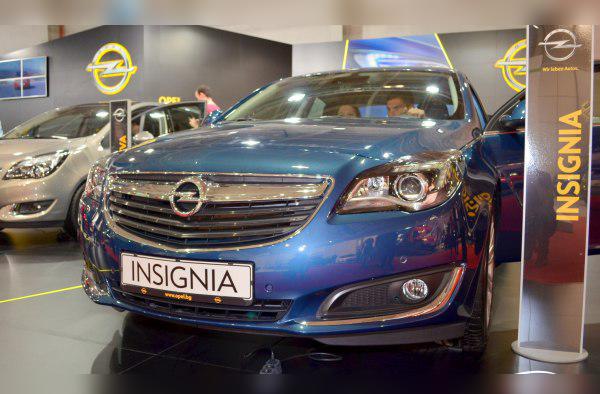
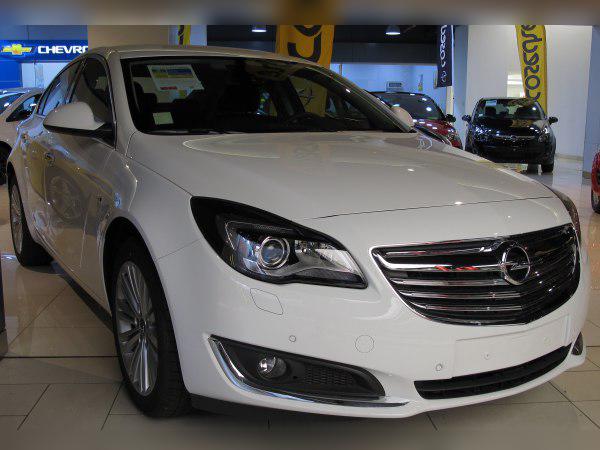
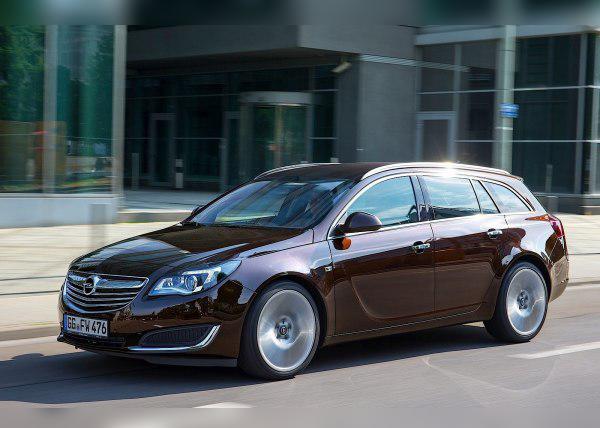
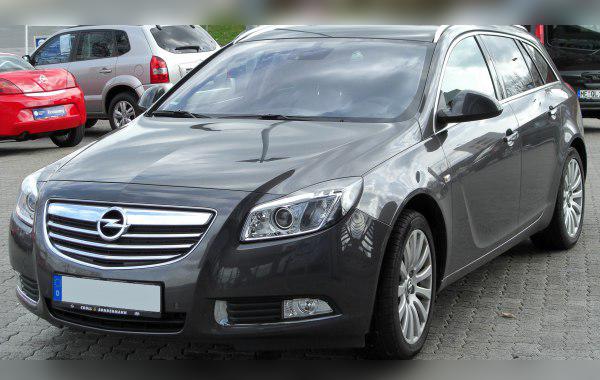
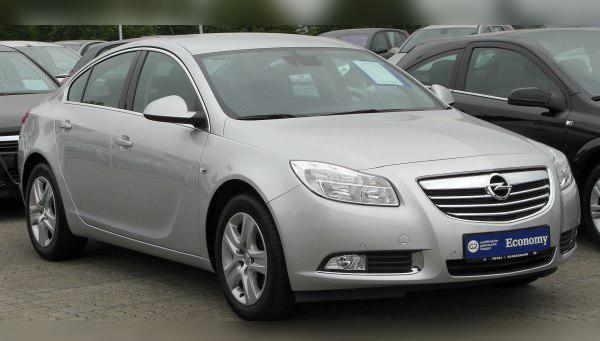


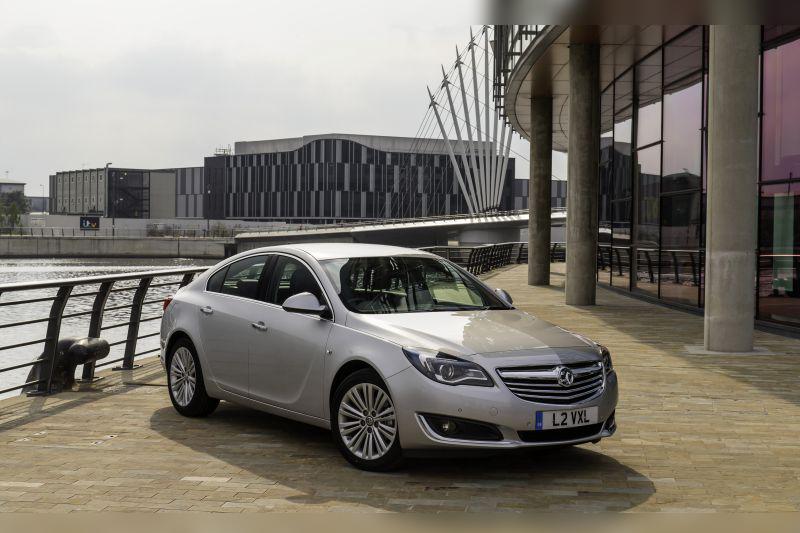
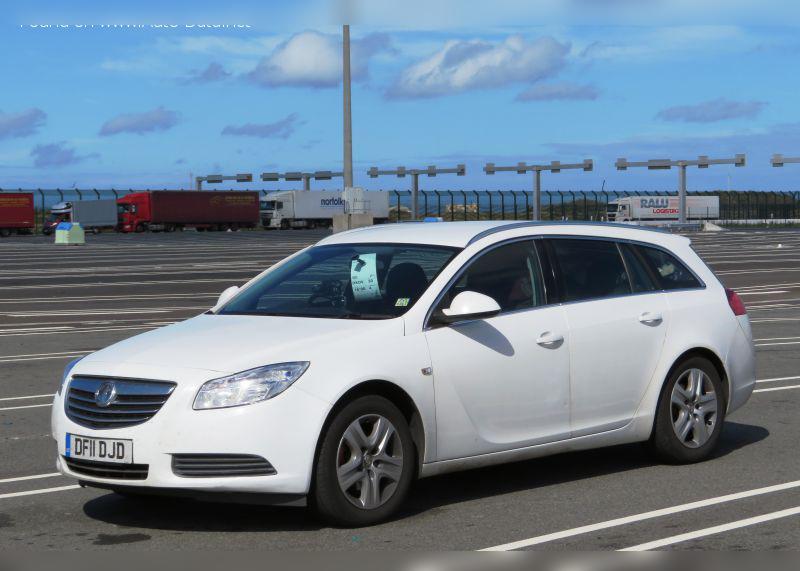
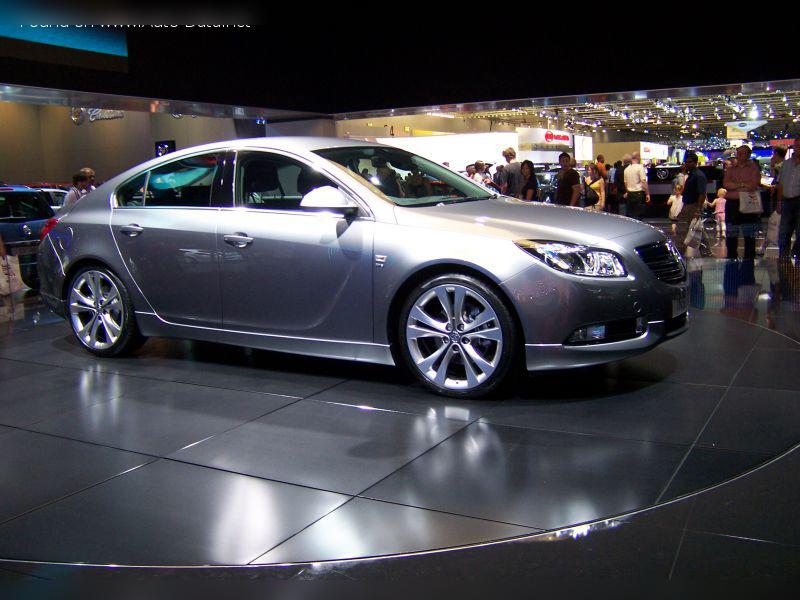
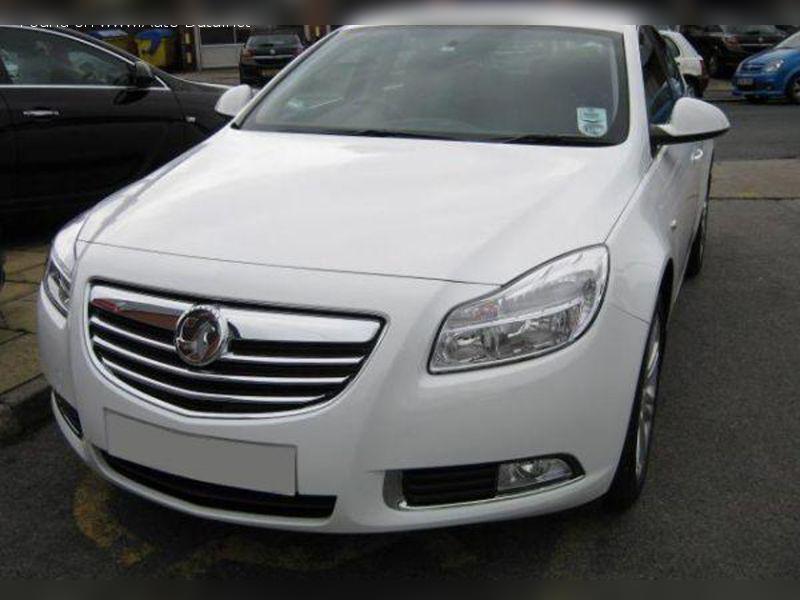
Opel 2.0 CDTI (A20DT) – Experiences, maintenance, the “oil pump O-ring” and buying used
Key points (TL;DR)
- Achilles’ heel: The oil pump O-ring which hardens over time and loses its sealing function. This is problem number 1 and can lead to engine seizure.
- Performance: With 130 hp and 300 Nm, this is the “sweet spot” for fleet sales, but in the heavy Insignia it feels slightly sluggish when moving off from a standstill.
- Gearbox: Often paired with the infamous M32 manual gearbox (bearing issues). The automatic (Aisin) is a more reliable choice if properly maintained.
- Maintenance: The engine requires strictly regular maintenance. It is not tolerant of skipped services like the old 1.9 JTD.
- Fuel consumption: Extremely economical on the open road, but in the city the heavy body takes its toll (expect higher consumption).
- DPF filter: Sensitive to frequent city driving. The Insignia with this engine was built for the motorway.
Contents
- Introduction and Models
- Technical specifications
- Reliability, Major service and Issues
- Specific parts and Costs
- Fuel consumption and Performance
- Tuning and Modifications
- Gearbox: Manual and Automatic
- Buying tips and Conclusion
Introduction: The workhorse of European roads
The engine designated A20DT (and related derivatives) was the backbone of Opel’s D-segment offering in the early 2010s. It is a 2.0‑liter diesel unit developed as an evolution of the famous Fiat 1.9 Multijet engine, but Opel (GM) made significant changes to it.
This 130 hp (96 kW) version is actually a “software‑detuned” variant of the more powerful 160 hp model. It was widely installed in the Opel Insignia (A and facelift) and Zafira Tourer. Buyers often chose it because of lower registration and insurance costs in some countries, as well as a lower purchase price. Although it looks weaker on paper, the 300 Nm of torque (with overboost up to 320 Nm) makes it perfectly usable for family and business purposes, provided you are familiar with its specific quirks.
Technical specifications
| Specification | Data |
|---|---|
| Displacement | 1956 cc (2.0 L) |
| Power | 96 kW / 130 hp |
| Torque | 300 Nm (up to 320 Nm with Overboost) |
| Configuration | Inline 4-cylinder, 16 valves |
| Engine code | A20DT, A20DTJ (depending on market and emission standard) |
| Injection | Common Rail (Bosch) |
| Turbo | VGT (Variable Geometry Turbocharger) |
| Camshaft drive | Timing belt |
Reliability and Maintenance: Owners’ biggest fear
Timing belt or chain?
This engine uses a timing belt to drive the camshafts. The factory replacement interval is optimistically set at 150,000 km or 10 years. However, the experience of mechanics and owners strongly suggests shortening this interval.
Recommendation: Do the major service at a maximum of 100,000 to 120,000 km or every 5–6 years. A snapped belt causes piston-to-valve contact, which is a catastrophic failure. When replacing the timing kit, always replace the water pump as well.
Issue number 1: Oil pump O-ring
If you are buying this engine, you must know this: The O-ring on the oil pump pickup in the sump is a factory defect. Over time, this rubber becomes hard and plastic-like. When that happens, the pump starts drawing air instead of oil, especially on cold starts.
Symptoms: On the first start in the morning, the oil pressure warning light stays on a few seconds longer than usual and then goes out. The trip computer may display “Low Oil Pressure”. If you see this, switch off the engine immediately. The engine is then running dry, which leads to crankshaft bearing damage (big-end and main bearings) and engine seizure.
Solution: Preventive replacement of the O-ring every 4–5 years or at every major service. It is a cheap part, but requires removal of the oil sump.
Oil consumption and service intervals
The engine takes about 4.5 liters of oil. Always use oil that meets the GM Dexos 2 specification, most commonly viscosity grade 5W-30 or 5W-40.
The engine is tolerant of some oil consumption. Between two services (10,000–15,000 km), it is normal to consume 0.5 to 1 liter of oil, especially if driven aggressively on the motorway. If it consumes more than that, check the turbocharger or possible leaks at the oil seals.
Other common failures
Besides the oil pump O-ring, a common issue is intercooler hose rupture. The symptom is a loud hissing sound when accelerating and a sudden loss of power accompanied by black smoke. Also, the EGR cooler housing is made of plastic and can crack, which leads to coolant loss without visible traces under the car (the coolant evaporates on the hot engine).
Specific Parts (Costs)
Dual mass flywheel
Yes, this engine has a dual mass flywheel (DMF). Its lifespan is usually around 150,000–200,000 km, depending on driving style. Symptoms include a metallic clatter when switching off the engine, vibrations in the clutch pedal or jolts when changing gears. The cost of replacing the clutch kit with the flywheel falls into the “expensive” category, but this is a standard expense for all modern diesels.
Injection system and Turbo
The good news is that the injectors are mostly Bosch solenoid types (electromagnetic), which are robust and can be refurbished at a reasonable price, unlike piezo injectors. They are sensitive to poor-quality fuel, so regular replacement of the fuel filter is recommended.
The engine uses a single variable-geometry turbocharger. The turbo is generally long-lasting if the engine is not switched off immediately after fast driving and if quality oil is used. Turbocharger overhaul falls into the mid-price range.
DPF and EGR
All A20DT models (Insignia and Zafira) are equipped with a DPF filter and an EGR valve. The EGR valve often gets clogged with soot, which causes jerking at low revs while driving. The DPF filter is problematic only if the car is driven exclusively in the city.
The regeneration system on Opels is somewhat specific – instantaneous fuel consumption rises sharply (to 2–3 l/h at idle) and the rear window heater turns on. If you frequently interrupt this process by switching off the engine, the DPF will clog and require expensive cleaning or replacement.
Fuel Consumption and Performance
Real-world consumption
Do not trust the factory figures. The Insignia and Zafira are heavy cars (over 1600 kg).
- City driving: Expect between 8.0 and 9.5 l/100 km. In heavy winter traffic, the automatic can drink over 10 liters.
- Open road (rural roads): This is where the engine shines. Consumption drops to 5.0–6.0 l/100 km.
- Motorway (130 km/h): Consumption is around 6.0–7.0 l/100 km.
Is the engine “lazy”?
For the average driver, 130 hp is enough, but do not expect sporty performance. The feeling of “laziness” comes from the car’s high weight. Up to 1800 rpm the engine can feel sleepy (turbo lag), after which it pulls decisively. For overtaking on country roads you will often need to shift down. On the motorway, at 130 km/h in sixth gear, the engine spins at about 2,200 rpm (depending on the gearbox), which is its comfort zone – it is quiet and stable.
Additional Options and Modifications
Chip Tuning (Stage 1): This engine is an excellent candidate for remapping. Why? Because it is almost identical in hardware to the 160 hp version. With a simple Stage 1 remap you can safely increase power to about 160–170 hp and torque to 350–380 Nm. This drastically changes the character of the car – it becomes livelier, carries the body more easily, and fuel consumption in normal driving can even drop slightly.
Gearbox: Manual and Automatic
Manual gearbox (M32 vs F40)
Here lies a potential trap. The 130 hp version often came with the M32 gearbox (6-speed). This gearbox is notorious for bearing problems.
M32 failure symptoms: Whining noise in 5th and 6th gear, or the gear lever moving back and forth when you press and release the throttle (most often in 1st or 5th gear). A rebuild involves replacing the bearings and the casing, which is not cheap.
Some models (especially those with Start/Stop or later facelift models) may have the F40 gearbox, which is much more robust and can handle higher torque without issues. It is stiff and shifts hard when cold, but it does not tend to fail.
Automatic gearbox (Aisin AF40)
The automatic is a classic hydraulic torque-converter unit from Japanese manufacturer Aisin. It is very reliable if maintained properly.
Maintenance: The oil in the automatic gearbox must be changed every 60,000 km. If the gearbox jerks when shifting from “N” to “D” or “R”, or if it slips, the valve body (hydraulic block) has likely been damaged by old oil. An oil change is mandatory, even though Opel sometimes claims it is “fill for life”.
Buying Used and Conclusion
Before buying an Opel Insignia or Zafira with the 2.0 CDTI (130 hp) engine, pay attention to the following:
- Cold start: Insist that the engine is completely cold. Listen for any chain rattle (although it has a belt, a chain connects the camshafts inside the head – rarely, but it can be heard). Most important: How long does the oil warning light stay on? If it stays on for more than 2–3 seconds with an audible warning – walk away from that car or budget for a full rebuild.
- Gearbox operation: While driving, shift into 6th gear at about 80–90 km/h and listen for whining. Watch the gear lever when you apply throttle.
- Flywheel and Clutch: Listen when switching off the engine (without pressing the clutch). There should be no metallic knocks.
- Diagnostics: Check DPF saturation level and injector corrections.
Conclusion
The 130 hp A20DT engine is a sensible choice for drivers who cover a lot of kilometers on the open road. It offers the comfort, safety and efficiency of a long-distance cruiser. It is not ideal for strictly urban driving (because of the DPF and consumption) nor for those seeking sporty performance (without remapping).
If you proactively sort out the oil pump O-ring (a cost of a few dozen euros for the part plus labor) and check the condition of the gearbox, you will get a very durable and dependable car that offers plenty of equipment and comfort for the money.
Was this content useful to you?
Your opinion helps us to improve the quality of the content.