EB2LTD Engine
- Engine
- 1199 cm3
- Aspiration
- Turbocharger, Intercooler
- Fuel
- Petrol (Gasoline)
- Fuel injection system
- Direct injection
- Power
- 136 hp @ 5500 rpm
- Torque
- 230 Nm @ 1750 rpm
- Cylinders
- 3
- Valves
- 12, 4 per cylinder
- Cylinders position
- Inline
- Valvetrain
- DOHC
- Oil capacity
- 3.5 l
- Systems
- Start & Stop System, Particulate filter
# Vehicles powered by this engine
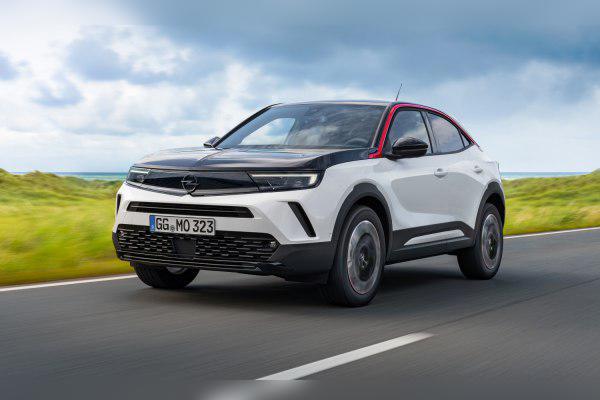
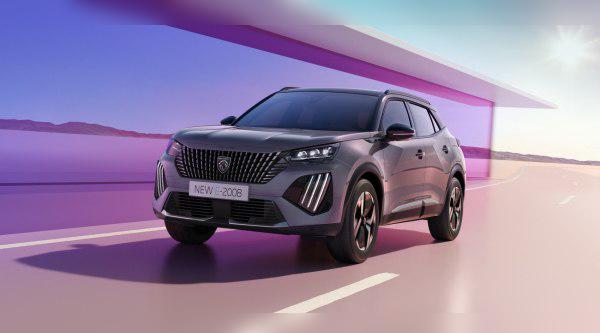
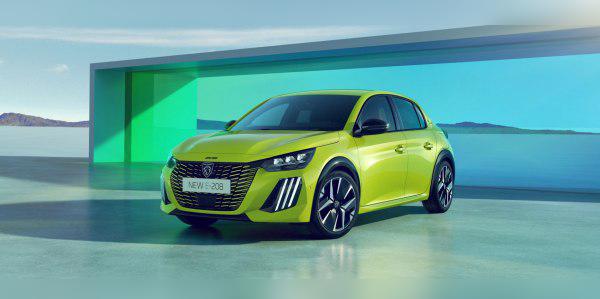
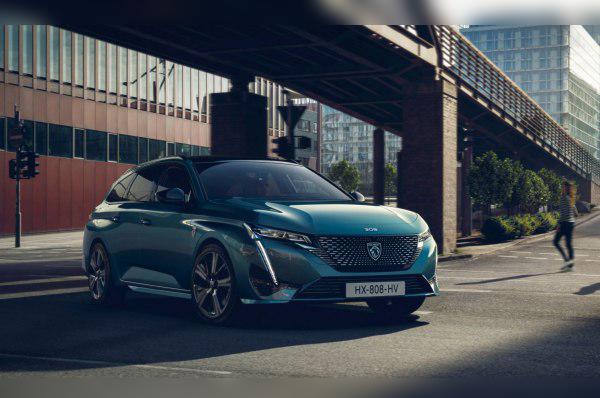
1.2 PureTech (EB2LTD) 136 HP Hybrid – Experiences, Problems, Fuel Consumption and Used Car Buying Guide
Key points (TL;DR)
- Biggest news: Unlike the notorious older 1.2 PureTech engines with a “wet” timing belt, this hybrid version (EB2LTD) finally uses a timing chain.
- Hybrid system: This is a 48V mild hybrid with an electric motor integrated into the gearbox, which significantly reduces fuel consumption in city driving.
- Gearbox: It comes exclusively with the new e-DCS6 (dual-clutch automatic gearbox); there are no manual versions for this specific engine code.
- Performance: With 230 Nm and an additional “electric punch”, the engine is surprisingly lively off the line, but runs out of breath at very high speeds.
- Oil consumption: You still need to keep an eye on the oil level, although the issue of the oil pump strainer clogging has been solved by switching to a chain.
- Recommendation: This is currently the most reliable iteration of the 1.2 PureTech engine and by far a better choice than the older non-hybrid 110 or 130 HP versions.
Contents
- Technical specifications
- Reliability and Maintenance (Chain vs Belt)
- Specific Parts and Costs
- Fuel Consumption and Performance
- Additional Options and Modifications
- Gearbox (e-DCS6)
- Buying Used and Conclusion
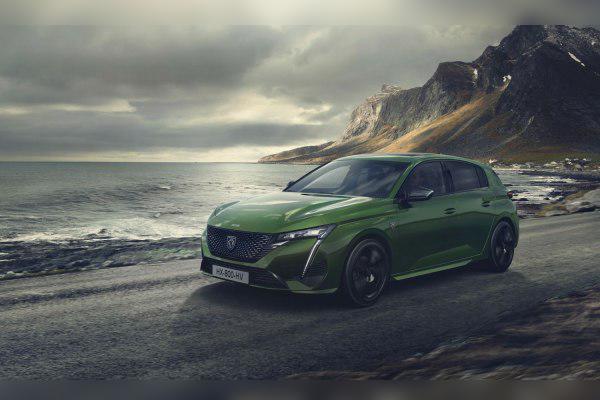
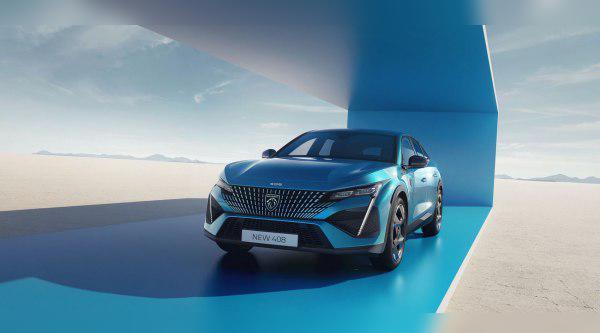
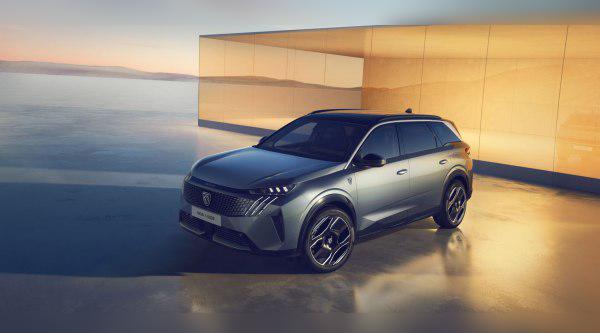
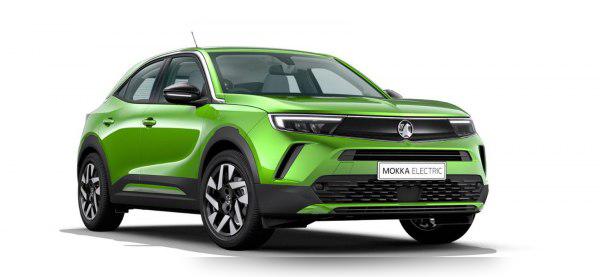
The engine designated as EB2LTD is Stellantis’ attempt to restore the reputation of its three-cylinder petrol engines. It has been fitted to the latest models since 2023 onwards, including the facelifted Peugeot 2008, 308, 408, as well as the Opel Mokka. The key difference compared to its predecessors is not only the addition of a hybrid system, but a complete redesign of the timing drive in order to eliminate the biggest flaw of the previous generation – degradation of the timing belt running in oil.
Technical specifications
| Parameter | Data |
|---|---|
| Engine displacement | 1199 cc (1.2 litres) |
| Configuration | Inline, 3 cylinders |
| Power | 100 kW (136 HP) / 107 kW (145 HP – depending on boost/market) |
| Torque | 230 Nm (at 1750 rpm) |
| Engine code | EB2LTD / EB2ADTD (generic codes may vary) |
| Injection type | Direct injection (GDI) |
| Forced induction | Variable-geometry turbocharger + intercooler |
| Hybrid system | 48V Mild Hybrid (e-DCS) |
Reliability and Maintenance
Does this engine have a timing belt or a chain?
This is the most important question. The EB2LTD (Hybrid 136 HP) has a timing chain. After painful experience with the previous versions (which had a “wet” belt that crumbled and clogged the oil pump), Stellantis switched to a timing chain in this new hybrid generation. This dramatically improves reliability and eliminates the risk of sudden oil pressure loss caused by belt disintegration.
What are the most common issues with this engine?
Although the engine is relatively new (in widespread use since 2023), there are a few things to keep an eye on:
- Carbon build-up: Like any direct-injection engine, the intake valves tend to get dirty because fuel does not wash over them. This can lead to rough idle after 60–80,000 km.
- Hybrid software issues: Drivers occasionally report warning messages on the instrument cluster related to the 48V system, which are most often resolved by a software update at an authorised service centre.
- GPF filter: If the car is driven exclusively in the city on short trips (where the hybrid works the most), the GPF filter can clog because the engine does not reach the operating temperature needed for regeneration.
At what mileage is the “major service” due?
Since the engine has a chain, the classic “major service” (timing belt replacement) is no longer done at a fixed interval as before (which used to be at 100,000 km or 6 years). The chain is designed to last the service life of the engine, but in practice you can expect inspection and potential replacement of the chain kit and tensioner at around 150,000–200,000 km, or earlier if you hear rattling on cold start. The auxiliary (serpentine) belt is replaced regularly at around 80,000–100,000 km.
How many litres of oil does this engine take and which grade is recommended?
The engine takes about 3.5 to 4.0 litres of oil (depending on sump and filter size). It is extremely important to use only 0W-20 oil that meets the specific Stellantis standard (most commonly PSA B71 2010). Because of the hybrid system and frequent engine stop/start operation, experimenting with thicker oils (5W-30 or 10W-40) is strictly forbidden and can damage the turbocharger or variable cam phaser.
Does it consume oil between services?
Three-cylinder engines of this design are known to “drink” a bit of oil. Consumption of up to 0.3–0.5 litres per 10,000 km is considered acceptable and normal. If consumption exceeds 1 litre per service interval, this points to an issue with piston rings or valve stem seals. Regular dipstick checks are mandatory, at least once a month.
Specific Parts (Costs)
Does this engine have a dual-mass flywheel?
Yes. Since it is paired with a dual-clutch automatic gearbox (e-DCS6) and is a three-cylinder (which naturally has more vibration), a dual-mass flywheel is used to smooth out vibrations before they reach the gearbox. Replacement cost falls into the “expensive” category.
What kind of injection system does it have and are the injectors problematic?
The engine uses high-pressure direct injection (200+ bar). The injectors are precise and sensitive to fuel quality. They are not widely known as a weak point, but filling up at dubious fuel stations can lead to costly failures. A single injector is quite expensive (in the “very expensive” category for an OEM part).
Does the engine have a turbocharger and what is its lifespan?
It has a small turbocharger with variable geometry for better low-end response. With regular oil changes, its lifespan is over 200,000 km. The hybrid system helps reduce turbo stress during take-off from a standstill, which theoretically extends its life.
Does it have a DPF or an EGR valve?
Being a petrol engine, it does not have a DPF, but it does have a GPF (Gasoline Particulate Filter) which serves the same purpose – trapping soot. An EGR valve is present. The GPF rarely fails, but the EGR valve can get clogged from city driving. Cleaning the EGR is routine, while replacing the GPF is expensive.
Fuel Consumption and Performance
What is the real-world fuel consumption in city driving?
This is where the hybrid system (e-DCS) shines. Thanks to the electric motor that moves the car during manoeuvring and stop-and-go traffic, real-world city consumption is between 5.5 and 6.5 l/100 km. For a car the size of a Peugeot 308 or 408, this is an excellent result. Older non-hybrid models used 1–2 litres more.
Is this engine “underpowered” for the weight of the car?
No, it is not underpowered. The electric motor (21 kW/28 HP) provides instant torque when setting off, filling the “hole” before the turbo spools up. The driving impression is that the car is more eager than the 136 HP figure suggests. In heavier models such as the Peugeot 5008, the engine is adequate for normal driving, but you should not expect sports-car performance.
How does the engine perform on the motorway?
On the motorway the hybrid system does not help much. At 130 km/h the engine spins at about 2,600–2,800 rpm (in 6th gear). Fuel consumption then rises to about 6.5–7.5 l/100 km, depending on the vehicle’s aerodynamics (for example, the Mokka and 408 use more than the 308). Sound insulation is good, but the characteristic three-cylinder note can be heard under hard acceleration.
Additional Options and Modifications
Is this engine suitable for LPG conversion?
Not recommended. Technically it is possible, but very expensive and complicated. You have direct injection (which requires an expensive system that still uses petrol while running on gas) plus a hybrid system that frequently stops and starts the petrol engine. The savings would be minimal, while the risk of issues with electronics and injectors would be huge.
How far can this engine be safely “chipped” (Stage 1)?
The engine is already factory “stressed” to 136 HP from 1.2 litres of displacement (over 110 HP per litre). A Stage 1 remap can raise power to about 150–155 HP and 260 Nm. However, tuning this engine is not advisable. The small engine block is already under high thermal load, and the gearbox is calibrated for a specific torque output of the hybrid system. You risk overheating and shortening the gearbox’s lifespan.
Gearbox
Which gearboxes are fitted?
The EB2LTD Hybrid engine comes exclusively with the e-DCS6. This is a 6-speed dual-clutch automatic gearbox produced by Punch Powertrain. Its specific feature is that the electric motor is integrated into the gearbox housing.
Most common automatic gearbox issues?
Since this is a new technology, long-term data is limited. Early symptoms can include jerking when shifting from 1st to 2nd gear or a delay when setting off (while the electronics decide whether to use electric or petrol power). These are mostly software-related issues that can be resolved with an update (recalibration). Mechanically, the clutch packs are wear items, but they should last over 150,000 km.
At what mileage should the gearbox be serviced?
Although manufacturers often say “sealed for life” (no maintenance), to ensure a long life for this gearbox it is recommended to change the oil every 60,000 km. The oil in the gearbox is subjected to higher loads due to the integrated electric motor and system cooling.
Buying Used and Conclusion
What should you check before buying?
- Chain noise: On cold start (first 3–5 seconds), listen for metallic rattling or knocking. This is a sign that the chain or tensioner needs replacement.
- Service history: Check whether only 0W-20 oil has been used. If 5W-30 or 10W-40 has been used, walk away from that car.
- Hybrid operation: During the test drive, pay attention to how smoothly the car transitions from electric to petrol power. Any strong jolt or a “Service” warning light is a red flag.
Conclusion
The 1.2 PureTech Hybrid (136 HP) engine is a huge step forward for the Stellantis group. Introducing a chain instead of a belt solves the main concern of buyers. This engine is ideal for drivers who cover up to 20–25,000 km per year, drive a mix of city and open road, and want modern technology with low fuel consumption. It is not for racers, nor for those who plan to cover 500,000 km without opening the bonnet, but for the average European driver it is currently one of the better choices in the small petrol engine class.
Was this content useful to you?
Your opinion helps us to improve the quality of the content.