KDX TU3MC, KFX TU3JP Engine
- Engine
- 1361 cm3
- Aspiration
- Naturally aspirated engine
- Fuel
- Petrol (Gasoline)
- Fuel injection system
- Multi-port manifold injection
- Power
- 75 hp @ 5800 rpm
- Torque
- 111 Nm @ 3400 rpm
- Cylinders
- 4
- Valves
- 8, 2 per cylinder
- Cylinders position
- Inline
- Valvetrain
- OHC
- Oil capacity
- 3.2 l
- Coolant
- 6.5 l
# Vehicles powered by this engine
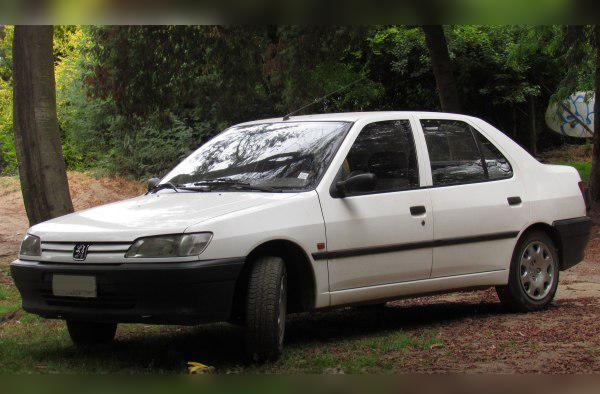
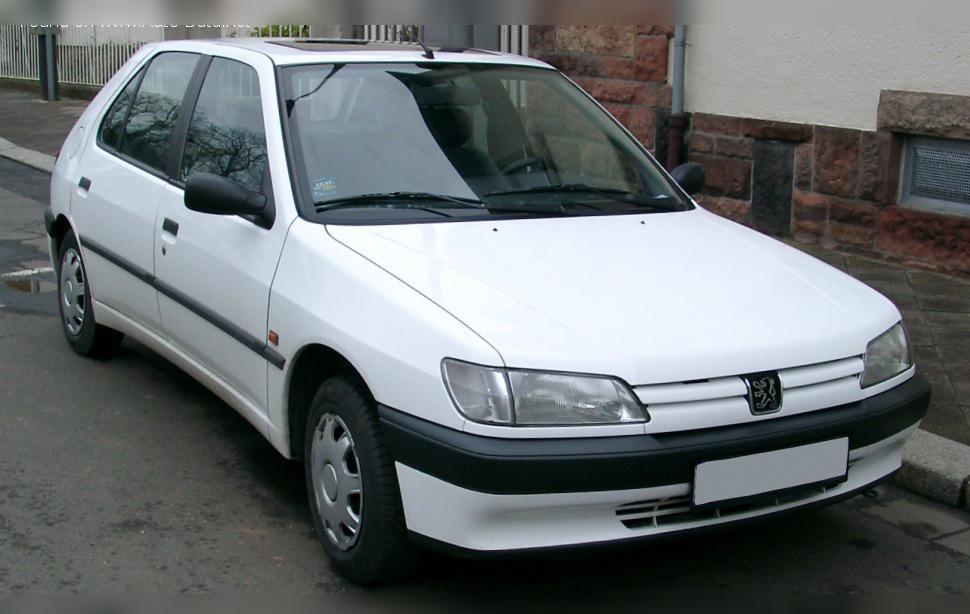
1.4 PSA TU3 (KDX / KFX): Experiences, problems, fuel consumption and buying advice
Most important points in short (TL;DR)
- Biggest drawback: Head gasket. This is the "Achilles' heel" of TU engines; it almost inevitably fails at the corner near the alternator.
- Maintenance: Extremely cheap. Parts are available everywhere, and the engine is so simple that practically any mechanic knows how to repair it.
- Performance: With 75 hp, this is no racer. The engine feels "lively" in the city thanks to short gearing, but it struggles on the highway and with the A/C on.
- LPG: One of the best engines for LPG conversion. It handles LPG systems very well.
- Electronics: Problems with the idle control valve (stepper motor) and ignition coils are common, but repairs are not expensive.
- Recommendation: An ideal engine for beginners, city driving and drivers on a tight budget who want cheap running costs.
Contents
- Introduction and applications
- Technical specifications
- Reliability and maintenance
- Specific parts and injection system
- Fuel consumption and performance
- LPG and tuning
- Gearbox and drivetrain
- Buying used and conclusion
Introduction: A legend of French engineering
The 1.4 engine from the PSA group (Peugeot-Citroën), known under the code TU3, is one of the most widespread petrol engines in Europe during the 90s and early 2000s. It was installed in the Peugeot 306, 206, 106, Citroën Saxo, Xsara and many others. The versions we are talking about here are KDX (TU3MC) and KFX (TU3JP).
This is a classic naturally aspirated 8-valve engine that earned its reputation thanks to its simplicity. Although it does not offer spectacular performance, its purpose was clear: to be cheap to produce, easy to maintain and durable enough to cover hundreds of thousands of kilometres with minimal attention. For a used-car buyer today, this is a double-edged sword – the engine is cheap to run, but the cars are often old and poorly maintained.
Technical specifications
| Displacement | 1361 cc (1.4 L) |
| Power | 55 kW (75 hp) @ 5500 rpm |
| Torque | 111 Nm @ 3400 rpm |
| Engine codes | KDX (TU3MC) - Single-point / KFX (TU3JP) - Multi-point |
| Cylinders / Valves | 4 cylinders / 8 valves (SOHC) |
| Injection type | Indirect (SPI or MPI depending on version) |
| Turbo / NA | Naturally aspirated (no turbo) |
| Engine block | Aluminium (in most TU3 versions) or cast iron |
Reliability and maintenance
Does this engine have a timing belt or chain?
This engine uses a timing belt. The system is very simple. Replacement is quick and cheap compared to modern engines. The recommended interval used to be 120,000 km, but considering the age of the vehicles and the quality of today’s aftermarket parts, I recommend doing the major service every 60,000 to 80,000 km or every 5 years. A snapped belt leads to piston-to-valve contact, which is a failure that often exceeds the value of the car.
What are the most common failures on this engine?
Although robust, the TU3 engine has several characteristic issues:
- Head gasket failure: This is the most common mechanical problem. The symptom is oil leaking at the front left corner of the block (above the alternator) or mixing of oil and coolant (mayonnaise on the filler cap, oily spots in the coolant reservoir). The reason is the design of the oil channel, which is too close to the edge of the block.
- Valve stem seals: At higher mileage they harden, so the engine starts consuming oil and emits blue smoke at startup or after engine braking.
- Idle control valve (stepper motor): Causes unstable idle, stalling at traffic lights or fluctuating revs. Cleaning helps temporarily; replacement is the permanent solution.
- Cooling system: The thermostat housing is plastic and prone to cracking, and radiators on the Peugeot 306 are susceptible to corrosion and leaks.
Oil: quantity, grade and consumption
The sump holds about 3.2 to 3.5 litres of oil, depending on whether you also change the filter (always change the filter). The recommended grade is 10W-40 (semi-synthetic). There is no need for expensive fully synthetic 5W-30 or 5W-40 oils; older TU engines generally prefer “thicker” oil.
Does it consume oil? Yes, TU engines are known to like to “drink” a bit of oil, especially if the valve stem seals are old. Consumption of up to 0.3 - 0.5 litres per 1,000 km is often tolerated on older examples, but anything above that indicates the need for a cylinder head refresh (replacement of valve stem seals and guides).
Specific parts (costs)
Does the engine have a dual-mass flywheel?
No. This engine uses a classic solid flywheel. This is great news for your wallet because a clutch kit costs dramatically less than on modern diesels, and the flywheel itself is almost never replaced.
Injection system and injectors
This is where we come to the difference between the KDX and KFX variants:
- KDX (TU3MC): Usually uses single-point injection (one injector for all cylinders, looks similar to a carburettor). These injectors are rarely a problem, but the fuel pressure regulator or throttle position sensor can cause issues.
- KFX (TU3JP): Uses multi-point injection (4 injectors). The injectors are reliable but sensitive to poor-quality fuel. More common problems are the MAP sensor or the ignition coil pack (often Sagem brand, which is problematic – replacement with Bougicord or Bosch is recommended).
Turbo, DPF, EGR?
The engine does not have a turbocharger, has no DPF filter, and has no complex EGR systems (older versions have no EGR at all, newer ones may have a primitive recirculation system that is easy to block off or clean). This means you don’t have expensive components that cost hundreds of euros to replace.
Fuel consumption and performance
Real-world fuel consumption
- City driving: Expect between 8.0 and 9.5 l/100 km. Although the engine is small, in the relatively heavy Peugeot 306 body (especially the sedan) it has to rev to get going, which increases consumption. In winter this easily goes to 10 l/100 km.
- Open road: Here it is economical. At 80–90 km/h, consumption drops to 5.5 - 6.5 l/100 km.
Is the engine “sluggish”?
By today’s standards – yes, it is. With 111 Nm of torque, a Peugeot 306 with this engine is not fast. In the city it is perfectly adequate and nippy up to 60 km/h thanks to short gearbox ratios. However, overtaking on country roads requires dropping to third gear, turning off the A/C and careful judgement. If the car is full of passengers and luggage, uphill sections will be a challenge.
Driving on the motorway
This is not the natural habitat of this engine. The gearbox is usually “short”, so at 130 km/h the engine is spinning at over 4000 rpm. This results in cabin noise and increased fuel consumption (over 8 l/100 km). A comfortable cruising speed is around 110–120 km/h.
Additional options and modifications
LPG installation
This engine is a perfect candidate for LPG. Due to the simple design of the valves and head, it handles LPG very well. On the KDX (single-point) version you can fit a cheaper venturi system, while for the KFX (multi-point) I recommend a sequential LPG system to avoid backfires in the intake manifold (which is plastic on newer models).
Remapping (Stage 1)
Forget about it. On a naturally aspirated 1.4 petrol, a remap will give you maybe 2 to 4 hp, which is imperceptible in real driving. It’s better to invest that money in quality tyres or refreshing the suspension.
Gearbox
Gearbox type and issues
This engine is almost always paired with the MA5 5-speed manual gearbox. There were also rare automatic versions (old-fashioned 3- or 4-speed automatics), but they should be avoided because they are slow, increase fuel consumption and are expensive to repair.
Most common manual gearbox problems:
- Gear linkage rods: Over time they wear out, so the gear lever becomes imprecise (feels like “stirring soup”). A linkage repair kit is cheap.
- Second and third gear synchros: If the gearbox grinds when shifting quickly, the synchros are worn.
- Noise: A whining sound that changes with speed usually points to the input shaft bearing.
Clutch replacement: Not expensive (falls into the category of affordable parts). The clutch is usually cable-operated (on older models); the cable can snap or become heavy, so check it as well.
Gearbox oil: It is recommended to change it every 60,000 km. It uses 75W-80 oil, capacity is about 2 litres.
Buying used and conclusion
What to check before buying? (Checklist)
- Oil filler cap: Open it while the engine is cold. If you see yellow emulsion (“mayonnaise”), walk away – the head gasket has mixed oil and coolant (or the car only does very short trips, but the risk is high).
- Corner of the engine block: Look at the left side of the engine (passenger side in Europe, near the belts) at the front. If the block is oily from fresh oil, the head gasket is starting to fail.
- Rear axle (torsion beam): Although not part of the engine, this is crucial for the Peugeot 306. Stand behind the car. If the wheels are leaning outwards at the bottom (like the letter A / \), the torsion beam is worn out. A rebuild costs from 200 to 400 EUR, which is often half the value of the car.
- Idle: Start the car. Do the revs fluctuate? Does the engine stall? This points to sensor or idle control issues.
Final verdict
The Peugeot 306 with the 1.4 (KDX/KFX) engine is a car for rational buyers on a smaller budget. If you find an example with solid bodywork and a healthy rear axle, the engine will serve you for years with laughably low running costs. It’s not fast, it’s not quiet on the motorway, but it will always get you from point A to point B, and you can practically buy parts at the newsstand.
Ideal for: A first car for beginners, city delivery work, or as a cheap second car in the family.
Was this content useful to you?
Your opinion helps us to improve the quality of the content.