5FY EP6DTS Engine
- Engine
- 1598 cm3
- Aspiration
- Turbocharger, Intercooler
- Fuel
- Petrol (Gasoline)
- Fuel injection system
- Direct injection
- Power
- 175 hp @ 6000 rpm
- Torque
- 240 Nm @ 1600 rpm
- Cylinders
- 4
- Valves
- 16, 4 per cylinder
- Cylinders position
- Inline
- Valvetrain
- DOHC, VVT
- Oil capacity
- 4.3 l
- Coolant
- 6.2 l
# Vehicles powered by this engine
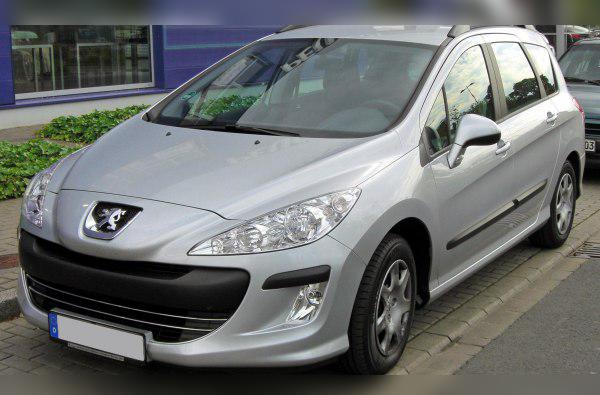
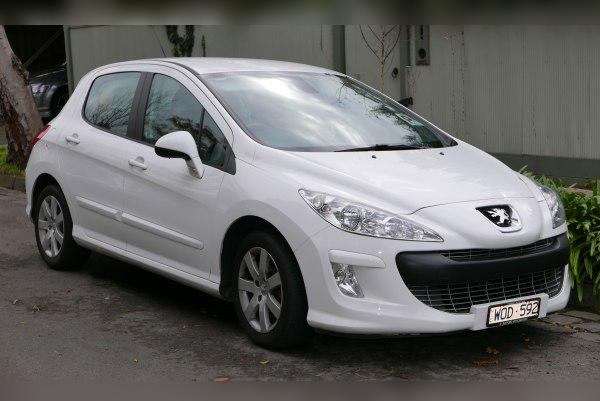
Peugeot 1.6 THP 175 HP (5FY EP6DTS) – Experiences, problems, fuel consumption and buying used
When BMW and the PSA group (Peugeot/Citroën) team up to build an engine, expectations are huge. The result of that cooperation is the famous "Prince" engine family, and in front of us is its most powerful early iteration – the 1.6 THP with 175 HP (engine code 5FY or EP6DTS). This engine is the heart of models such as the first-generation Peugeot 308 GT and 207 RC. On paper, it’s a technological gem: twin-scroll turbo, direct injection and fantastic torque. In practice? This is an engine that demands an owner with strong nerves and a deep pocket, but in return offers genuine driving pleasure.
Key points (TL;DR)
- Performance: Excellent. The engine is very flexible, pulls well from low revs thanks to the twin-scroll turbo.
- Biggest weakness: Timing chain. A notorious issue that can lead to catastrophic failure if the “rattling” is ignored.
- Maintenance: Demanding and expensive. Sensitive to oil and fuel quality and to regular servicing.
- Carbon buildup on valves: As a direct-injection engine, it suffers from deposits on the intake valves.
- Recommendation: Only for enthusiasts who know what they’re buying and are ready for preventive investment. Not for those who want a “fill up and drive” car.
Contents
- Technical specifications
- Reliability and maintenance
- Specific parts and costs
- Fuel consumption and performance
- Additional options and modifications
- Gearbox
- Buying used and conclusion
Technical specifications
| Engine displacement | 1598 cc (1.6 L) |
| Power | 128 kW (175 HP) at 6000 rpm |
| Torque | 240 Nm (260 Nm with overboost) at 1600 rpm |
| Engine code | 5FY (EP6DTS) |
| Injection type | Direct injection (GDI) |
| Forced induction | Twin-scroll turbocharger + intercooler |
| Camshaft drive | Chain |
Reliability and maintenance
This is the section you must read carefully before buying. The 1.6 THP 175 HP is a great-performing engine, but its reputation has been damaged by series defects in the first years of production (2007–2010), precisely when it was installed in the first-generation Peugeot 308.
Does this engine have a timing belt or a chain?
The engine uses a timing chain. Unfortunately, this is its Achilles’ heel. The chain is prone to stretching, and the hydraulic chain tensioner often fails. Symptoms are metallic rattling (diesel-like sound) on cold start in the morning (“death rattle”). If you hear that sound, replacement is urgent. If the chain jumps a tooth, pistons and valves will collide, which means total engine failure.
What are the most common failures on this engine?
- High-pressure fuel pump (HPFP): Can fail suddenly. Symptoms are loss of power, going into “safe mode” and harder starting. The part is quite expensive.
- Carbon buildup on intake valves: Due to direct injection, fuel does not wash the intake valves. Over time, carbon builds up, which chokes the engine, increases fuel consumption and causes rough running. The solution is mechanical cleaning (walnut shell blasting) every 60–80,000 km.
- Thermostat and thermostat housing: Frequent coolant leaks or coolant temperature sensor faults.
- Variable valve timing solenoids (VANOS/VVT): Can get dirty or fail, which affects performance.
At what mileage should the major service be done?
Although in theory the chain should last “forever” or at least 200,000 km, this is not the case with the 5FY engine. The major service (replacement of chain, guides and tensioner) is done as needed, often already at 80,000–120,000 km, or as soon as the first suspicious noise appears. The recommendation is preventive replacement of the complete timing set with the latest revision of parts immediately after buying a used car, if you don’t have proof that it was done recently.
How many liters of oil does this engine take and which grade is recommended?
The sump holds approximately 4.25 liters of oil (with filter). Only fully synthetic oil of grade 0W-30 or 5W-30 should be used. It is very important that the oil meets PSA B71 2290 (or newer) specifications and that it is “Low SAPS” because of the catalytic converter. Shorten the oil change interval to 10,000 km – do not follow the factory 30,000 km interval!
Does it consume oil between services?
Yes, oil consumption is common. Up to 0.5 L per 1,000 km is considered “normal” by the (overly tolerant) factory standards, but in practice a healthy engine should not consume more than 1–1.5 liters per 10,000 km. Increased consumption usually comes from hardened valve stem seals or clogged oil control rings.
Specific parts (costs)
Does the engine have a dual-mass flywheel?
Yes, the 175 HP version (5FY) comes standard with a dual-mass flywheel. Due to the high torque, it is heavily stressed. Failure symptoms are knocking when switching the engine off, vibrations in the clutch pedal or clutch slip. The cost of replacing the clutch kit with flywheel falls into the “expensive” category.
What kind of injection system does it have and are the injectors problematic?
The system is direct petrol injection. Injectors are generally durable but sensitive to poor fuel quality. They can clog or “spray” fuel, which washes oil off the cylinder walls. Injector replacement is expensive, so occasional use of fuel system cleaning additives is recommended.
Does this engine have a turbocharger and what is its lifespan like?
The engine uses a single twin-scroll turbocharger (usually a BorgWarner K03 variant adapted for PSA/Mini). Twin-scroll technology separates exhaust gas pulses for quicker response (less turbo lag). The turbo itself is quite robust if the engine is properly maintained (regular oil changes, letting it cool before shutting off), but the turbo control solenoids and vacuum hoses tend to fail. Turbo cooling is assisted by an additional electric water pump that runs even after the engine is switched off.
Does this model have a DPF filter or EGR valve?
This model (Euro 4 standard) does not have a DPF (or GPF – gasoline particulate filter) because it was produced before it became mandatory for petrol engines. It has a catalytic converter. As for the EGR system, on this engine it is achieved by variable valve timing (internal recirculation), so a classic EGR valve that clogs with soot is not the main issue here as it is on diesels, but the “carbonization” of the intake (mentioned earlier) is a direct consequence of how the engine operates.
Fuel consumption and performance
What is the real fuel consumption in city driving?
Forget the factory figures. In the heavy body of the Peugeot 308 SW or hatchback, real city consumption is between 10 and 12 liters per 100 km. If you have a heavy right foot, it easily goes over 13 liters.
Is this engine “lazy” for the weight of the car?
Absolutely not. With 175 HP and 240 Nm (which rises to 260 Nm in “overboost” mode at full throttle), this engine plays with the 308’s body. Acceleration is convincing and in-gear acceleration is excellent. There is no feeling of sluggishness even when the car is fully loaded.
What is it like on the motorway and at what revs does it cruise at 130 km/h?
It’s an excellent cruiser. Thanks to the 6-speed gearbox, at 130 km/h the engine runs at about 3,000–3,200 rpm (depending on tyre size). The cabin is quiet, and there is always enough power for overtaking without the need to downshift. Fuel consumption on the open road is around 7–8 liters.
Additional options and modifications
Is this engine suitable for LPG conversion?
It is not an ideal candidate. Because of direct injection, a regular sequential LPG system cannot be installed. You need a direct-injection LPG system (which also uses some petrol to cool the injectors) or a liquid-phase system. The price of such a system is very high (often over 800–1000 EUR), which significantly extends the payback period.
How far can this engine be safely tuned (Stage 1)?
The engine has huge potential. With software remapping alone (Stage 1), it easily reaches 200–210 HP and over 300 Nm of torque. However, given the sensitivity of the chain and pistons on these early series, tuning is not recommended unless the engine is in perfect condition (new chain, clean valves, perfect pump). Increasing turbo pressure further stresses already sensitive components.
Gearbox
Which gearboxes are used?
With the 5FY engine (175 HP) in the first-generation Peugeot 308 you almost exclusively get a 6-speed manual gearbox (code MCM or ML6C, depending on market and year). An automatic in this strongest pre-facelift version was rare or not available on all markets (the weaker 150 HP THP more often had an automatic).
Most common gearbox issues?
The manual gearbox is generally more reliable than the engine. Possible problems are worn synchros on second and third gear if the car has been driven aggressively (“sporty”). The gear lever can become imprecise with age (plastic bushings in the selector).
Clutch replacement cost?
As mentioned, the dual-mass flywheel significantly increases the cost. Expect a bill that falls into the “very expensive” category for the complete job (clutch kit + flywheel + release bearing + labour).
At what mileage should the gearbox be serviced?
Although the manufacturer often claims the gearbox oil is “lifetime filled”, it is recommended to change the oil in the manual gearbox every 80,000–100,000 km. Use quality 75W-80 or 75W-90 gearbox oil (check the exact specification according to the VIN).
Buying used and conclusion
Buying a Peugeot 308 with the 1.6 THP 175 HP engine is a “gamble” if you don’t have service history.
What you must check:
- Cold start: Insist on starting the car when the engine is completely cold. If you hear chain rattling/knocking for the first few seconds (or longer) – walk away or lower the price by the cost of a complete timing replacement.
- Behaviour while driving: Full throttle in 3rd and 4th gear. If the car jerks, loses power or lights up the engine warning (“Anti-pollution fault”), the problem is likely the high-pressure pump or carbon buildup on the valves.
- Exhaust smoke: Bluish smoke after idling and then revving indicates bad valve stem seals or a worn turbo.
- Oil level: Check the dipstick. If it’s at minimum, the owner probably doesn’t top up as often as this engine needs.
Final verdict
Who is this engine for? Driving enthusiasts who want hot-hatch performance in a discreet package and are willing to pay for maintenance. It’s a fun car, but technically demanding.
Who is it not for? Drivers looking for economy, point A to point B reliability and cheap maintenance. If your maintenance budget is tight, look for the 2.0 HDi diesel or the regular 1.6 petrol (although it is much slower).
Was this content useful to you?
Your opinion helps us to improve the quality of the content.