CFFE Engine
- Engine
- 1968 cm3
- Aspiration
- Turbocharger, Intercooler
- Fuel
- Diesel
- Fuel injection system
- Diesel Commonrail
- Power
- 115 hp @ 4200 rpm
- Torque
- 280 Nm
- Cylinders
- 4
- Valves
- 16, 4 per cylinder
- Cylinders position
- Inline
- Oil capacity
- 4.3 l
- Coolant
- 7 l
- Systems
- Particulate filter
# Vehicles powered by this engine
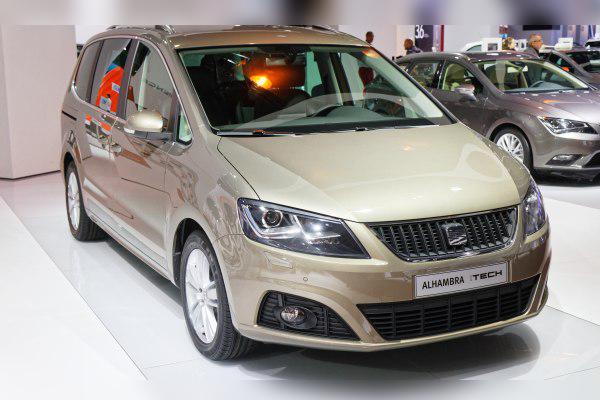
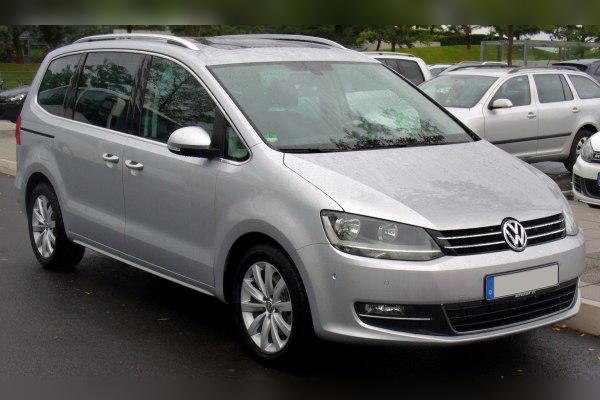
VW / Seat 2.0 TDI (CFFE) – Experiences, problems, fuel consumption and buying tips
Key points (TL;DR)
- Durability: The CFFE is basically a “detuned” version of the more powerful 2.0 TDI engines, which means the internal components are less stressed and the engine is mechanically very long‑lasting.
- Power vs Weight: With 115 hp and 280 Nm, this engine is at the lower limit of acceptability for the heavy Sharan and Alhambra bodies. The lack of power is noticeable when overtaking.
- Emissions systems: It has a DPF, EGR and SCR (AdBlue) system. These systems are the most common reason for warning lights on the dashboard, especially in city driving.
- Tuning potential: Since it is software‑limited, this engine “wakes up” fantastically with a remap (chiptuning), where you can safely gain a significant amount of power.
- Maintenance: Standard for the VAG group – parts are widely available, prices are moderate, but it requires regular changes of high‑quality oil.
- Dual‑mass flywheel: It is present and fails faster than on lighter cars (Golf/Passat) because of the high vehicle mass it has to move.
Contents
- Introduction and applications
- Technical specifications
- Reliability and maintenance
- Specific parts and systems
- Fuel consumption and performance
- Additional options and modifications
- Gearbox and drivetrain
- Conclusion and buying advice
Introduction and applications
The engine with the code CFFE belongs to the family of 2.0 TDI Common Rail diesel engines from the VAG group. It is specific in that it represents the entry‑level power unit for large MPV vehicles such as the Volkswagen Sharan II and Seat Alhambra II. Although a 2.0‑liter displacement sounds sufficient, the output of 115 hp (85 kW) is modest for vehicles that weigh close to 1.8 tons empty and exceed 2.5 tons when fully loaded.
This engine was often chosen for fleets (taxis, company cars) because of its lower purchase price and low official fuel consumption. For a used‑car buyer, this can be a double‑edged sword – you get a reliable engine block that is not pushed to its limits, but in a heavy body that does not forgive neglect.
Technical specifications
| Parameter | Value |
|---|---|
| Engine displacement | 1968 ccm |
| Power | 85 kW (115 hp) at 4200 rpm |
| Torque | 280 Nm at 1750–2750 rpm |
| Engine code | CFFE |
| Injection system | Common Rail (direct injection) |
| Charging | Turbocharger with variable geometry + intercooler |
| Emissions standard | Euro 5 / Euro 6 (depending on model year and market, with SCR system) |
Reliability and maintenance
Timing belt or chain?
The CFFE engine uses a timing belt for the valvetrain. This is the standard solution for 2.0 TDI CR engines. The oil pump drive is usually handled by a small toothed belt in the sump (the so‑called “wet belt”) or by a hexagonal shaft, depending on the exact block revision, but the main timing drive is a “dry” belt.
Major service and intervals
The factory recommendation for timing belt replacement is often an optimistic 210,000 km. However, as an experienced technical editor, I recommend shortening this interval. Due to the demanding operating conditions (high vehicle mass, city driving), it is ideal to do the major service between 150,000 km and 180,000 km or at the latest after 5 to 6 years of age, whichever comes first. A snapped belt leads to catastrophic engine failure (pistons hitting the valves).
Oil: quantity and grade
The engine takes approximately 4.3 to 4.6 liters of oil (always buy 5 liters). It is mandatory to use oil that meets the VW 507.00 specification. The recommended viscosity grade is usually 5W-30. Because of the DPF, using “Low SAPS” oil is essential to prevent the filter from clogging with ash.
Oil consumption
TDI engines are known to consume a small amount of oil, especially when driven on the motorway at higher revs. Consumption of up to 0.5 liters per 10,000 km is considered completely normal and does not require intervention. If the engine uses a liter per 1,000 or 2,000 km, this points to a problem with the turbo, piston rings or valve stem seals.
Most common failures
In addition to standard wear‑and‑tear parts, the CFFE engine in the Sharan/Alhambra suffers from:
- Cooling system: Coolant pump leaks are relatively common before the scheduled major service. Symptoms are coolant loss and traces of fluid under the car.
- EGR valve: Because the engine is often “lugged” at low revs to save fuel, the EGR valve frequently gets clogged with soot, leading to power loss and the engine going into “safe mode”.
- Exhaust gas temperature sensors: Failure of these sensors is common and can prevent DPF regeneration.
Specific parts (costs)
Injection system (injectors)
This engine uses a modern Common Rail system (usually Bosch or Continental). The injectors are generally very reliable and can last over 250,000–300,000 km with good‑quality fuel. Symptoms of bad injectors are uneven idle (rev “hunting”), increased smoke under acceleration and harder starting. Refurbishment is possible, but prices vary (depending on the market: they fall into the mid‑price category).
Turbocharger
The engine has a single turbocharger with variable geometry. The turbo’s lifespan depends directly on oil quality and driving style. In the CFFE, the turbo is under more stress than in more powerful versions because the driver has to press the accelerator more to move the heavy vehicle. Still, with regular oil changes and proper cool‑down after fast driving, the turbo rarely fails before 200,000 km.
Dual‑mass flywheel
Yes, the CFFE engine has a dual‑mass flywheel. This is one of the weaker points in combination with the Sharan/Alhambra. The heavy body and high torque when setting off put the flywheel under serious strain. Symptoms of failure are a metallic knocking sound when starting and stopping the engine, as well as vibrations in the clutch pedal. The cost of replacing the clutch kit with the flywheel is high (market‑dependent).
DPF, EGR and AdBlue (SCR)
Models with the “SCR” designation (as in your query) are equipped with an AdBlue injection system to reduce NOx emissions.
Problems: The heater in the AdBlue tank or the pump can fail, which is a very expensive repair. Also, the AdBlue injector can clog due to crystallization if the car is driven infrequently.
DPF filter: Clogging is possible if the car is used exclusively in the city (stop‑and‑go). It is essential to take the car out on the open road from time to time to allow passive regeneration.
Fuel consumption and performance
Is the engine “sluggish”?
To be completely honest – yes. 115 hp in a vehicle that weighs over 2 tons with passengers and luggage is the bare minimum needed to get it moving. In the city this is tolerable thanks to the 280 Nm of torque available at low revs. However, overtaking on country roads requires good planning, a long stretch of road and “dropping a gear or two”. If you plan to tow a trailer, this engine will struggle.
Real‑world fuel consumption
- City driving: Expect between 7.5 and 9.0 l/100 km. The high vehicle mass takes its toll every time you pull away from a traffic light.
- Open road (secondary roads): This is where it is most economical, it can go down to around 5.5–6.0 l/100 km.
- Motorway (130 km/h): Consumption rises due to the “brick‑like” aerodynamics, typically around 6.5–7.5 l/100 km.
Motorway and revs
The engine is perfectly capable of cruising at 130 km/h. Thanks to the 6‑speed gearbox, at 130 km/h the engine spins at a comfortable 2200–2400 rpm (depending on the gearbox and tyre size). The cabin is well insulated, so engine noise is not an issue.
Additional options and modifications
Chiptuning (Stage 1)
This is the best aspect of the CFFE engine. Since it is hardware‑wise very similar (often identical in block and head) to the more powerful 140 hp or even 150 hp versions, this engine is “software‑strangled”.
With a quality remap (Stage 1), power can be safely raised to 140–150 hp, and torque to over 320 Nm. This drastically changes the character of the vehicle, makes overtaking easier and can even slightly reduce fuel consumption because the engine works less hard. It is recommended only from reputable tuners.
Gearbox
Types of gearboxes
This engine most commonly comes with a 6‑speed manual gearbox. There are also versions with a DSG automatic gearbox (usually the 6‑speed DQ250 with wet clutches).
Problems and maintenance
- Manual gearbox: Very reliable. Problems are related to the clutch kit and flywheel (as described above). The oil in the manual gearbox is not officially scheduled for replacement, but it is recommended to change it at around 150,000–200,000 km for smoother shifting.
- DSG gearbox: Requires strict oil and filter changes every 60,000 km. If this is skipped, the mechatronics (the gearbox “brain”) or the clutch packs can fail, and these repairs fall into the “very expensive” category. A healthy DSG must shift imperceptibly, without jerks when setting off or coming to a stop.
Buying used and conclusion
Before buying a Sharan or Alhambra with the CFFE engine, pay attention to:
- Flywheel noise: Listen for metallic knocking while the car is idling and when you switch it off.
- Diagnostics (DPF/AdBlue): Check the DPF saturation level and whether there are any fault codes related to the AdBlue tank heater system (a common and expensive issue).
- Coolant leaks: Look around the timing belt area for traces of reddish coolant.
Verdict: The CFFE 2.0 TDI (115 hp) is a rational choice for drivers who are not in a hurry, have a large family and need to keep an eye on the purchase budget. It is ideal for taxi use or as a second family car for relaxed journeys. It is not intended for those who enjoy dynamic driving, unless you plan to do a “chiptune” immediately after purchase. Mechanically it is robust, but its “surroundings” (DPF, AdBlue, flywheel) require attention and money.
Was this content useful to you?
Your opinion helps us to improve the quality of the content.