BZB Engine
- Engine
- 1798 cm3
- Aspiration
- Turbocharger, Intercooler
- Fuel
- Petrol (Gasoline)
- Fuel injection system
- Direct injection
- Power
- 160 hp @ 5800 rpm
- Torque
- 250 Nm @ 1950 rpm
- Cylinders
- 4
- Valves
- 16, 4 per cylinder
- Cylinders position
- Inline
- Valvetrain
- DOHC
- Oil capacity
- 4.7 l
- Coolant
- 5.6 l
# Vehicles powered by this engine

Key points (TL;DR)
- Timing chain: The Achilles' heel of this engine. The hydraulic tensioner can fail, causing the chain to skip and the engine to crash. Checking the tensioner revision is mandatory.
- Oil consumption: Although the BZB engine code is known for being less problematic than later (CDAA/CDAB) versions in terms of piston rings, oil consumption is still possible due to the PCV valve or oil vapor separator.
- Carbon buildup: As a direct-injection engine, the valves are prone to carbon deposits, which gradually choke the engine.
- Dual-mass flywheel: Present on both manual and DSG gearboxes. An expensive maintenance item.
- Gearbox (DSG): Often paired with the 7-speed DSG (dry clutch), which is more sensitive than the older 6-speed versions, especially in city driving.
- Performance: Excellent power-to-economy ratio. The engine is very lively and potent, ideal for overtaking.
- Recommendation: Buy only with verifiable service history (especially the chain) and a thorough diagnostic check.
Contents
1.8 TSI (BZB) – Experiences, issues and maintenance of the popular turbo petrol engine
The engine with the code BZB belongs to the EA888 family (Gen 2, early phase) of the Volkswagen Group. This power unit once brought a revolution to the performance of "people’s" cars, offering diesel-like torque with petrol refinement. It was installed in a key period (roughly 2007–2010) before it was replaced by newer but, ironically, more problematic versions (such as CDAA).
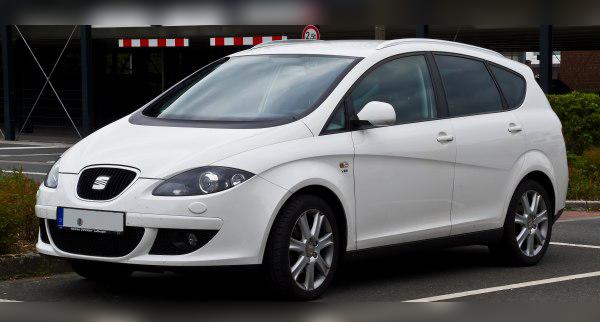
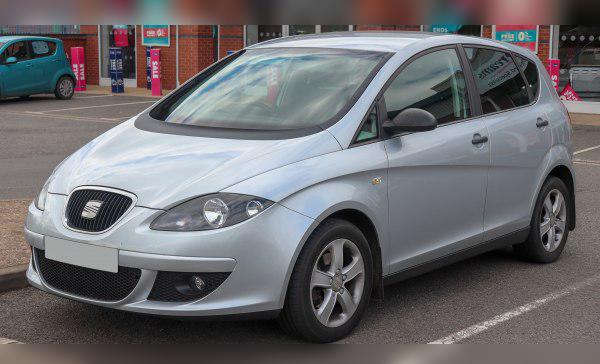
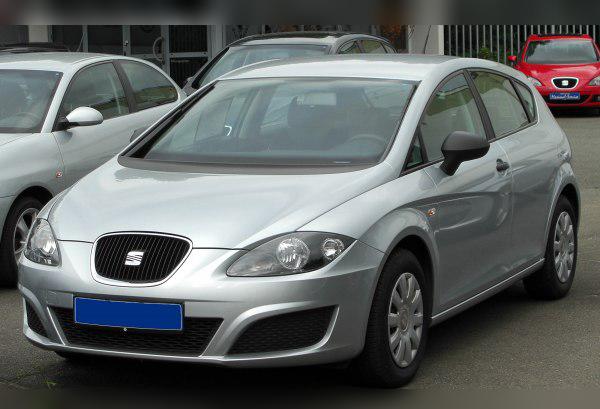
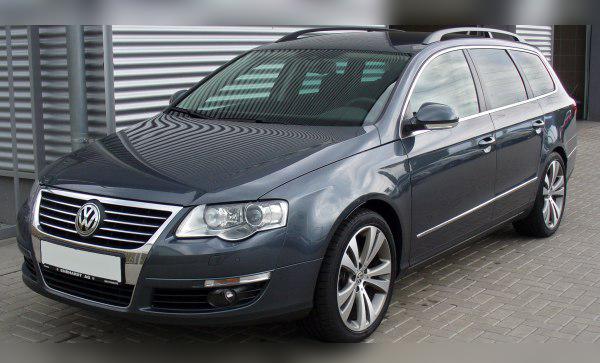
You’ll find it under the bonnet of popular models such as the Seat Leon, Seat Altea and VW Passat B6. For many drivers, the BZB is the "golden middle ground" – it is more powerful and more fun than the 1.4 TSI, yet cheaper to register and lighter than the 2.0 TSI engines. Still, like any complex turbo petrol engine, it requires specific knowledge and maintenance.
Technical Specifications
| Parameter | Value |
|---|---|
| Engine displacement | 1798 cc (1.8 l) |
| Power | 118 kW (160 hp) |
| Torque | 250 Nm at 1500–4200 rpm |
| Engine code | BZB (EA888 Gen 2) |
| Injection system | Direct injection (TSI/TFSI) |
| Induction | Turbocharger + intercooler |
| Number of cylinders / valves | R4 / 16v |
Reliability and Maintenance
Chain or belt?
This engine uses a timing chain for valve timing. On paper, the chain is designed to last the lifetime of the vehicle. In practice, on 1.8 TSI engines, the chain and its hydraulic tensioner are the most critical point. Early versions of the tensioner are prone to failure, which leads to the chain becoming loose. If the chain skips, the pistons and valves collide, which means complete engine failure (a catastrophic expense).
Recommendation: Immediately after purchase, check the condition of the chain and tensioner via diagnostics (camshaft phase angle) or by physical inspection through the cover opening. If the revised version of the tensioner has not been installed, replacement is mandatory.
Most common failures
Besides the chain, drivers often encounter the following issues:
- PCV valve (oil vapor separator): When the membrane in this valve tears, the engine starts consuming oil, idles roughly and a whistling noise may be heard. Fortunately, the repair is not very expensive.
- Water pump: The thermostat housing and water pump are often made of plastic which cracks over the years, leading to coolant leaks.
- Carbon buildup (soot): Due to direct injection, the fuel does not wash the intake valves. Over time, carbon builds up on them, reducing performance and increasing fuel consumption. Cleaning ("decarbonisation" with walnut shell blasting) is required at higher mileages.
- Ignition coils: They can fail suddenly, causing the engine to run on 3 cylinders and the "Check Engine" light to come on.
Service intervals and oil
The engine oil capacity is usually around 4.6 to 4.8 litres (depending on filter size and whether all the oil has been drained from the oil cooler). Only fully synthetic 5W-30 or 5W-40 oil that meets strict VW standards (VW 504.00 / 507.00 or 502.00 for fixed intervals) is recommended.
Although the manufacturer allows "Long Life" intervals of 30,000 km, for the longevity of the chain and turbo, the minor service should be done at a maximum of 10,000 to 12,000 km or once a year.
Oil consumption: Unlike the notorious engines from 2009–2012, the BZB engine has different piston rings and in general is not as prone to extreme oil consumption. Still, consumption of around 0.5 litres per 5,000 km is considered acceptable and normal for a turbo engine of this design. If it uses a litre per 1,000 km, the problem is likely in the turbo or piston rings.
Spark plugs: Replacement is recommended every 60,000 km. However, if the car is remapped or driven aggressively, that interval should be halved to 30,000 km. Use only iridium or platinum spark plugs according to the catalogue.
Specific Parts and Costs
Dual-mass flywheel
Yes, the 1.8 TSI (BZB) uses a dual-mass flywheel (DMF). This applies both to versions with a manual gearbox and those with a DSG gearbox. Its role is to dampen engine vibrations before they are transmitted to the gearbox. Failure symptoms include rattling at idle that disappears when you press the clutch (on manuals) or thumps when switching the engine off. Replacement is expensive (depends on the market), but necessary for comfort and to protect the gearbox.
Injection system and injectors
The system is high-pressure (direct injection). The injectors are generally reliable and rarely fail before 200,000 km. However, the high-pressure fuel pump (HPFP) can have issues with the cam follower, which wears out, although this is more pronounced on older 2.0 TFSI engines. Still, it is worth checking.
Turbocharger
The engine uses a single KKK K03 turbocharger. This is a relatively small turbo that spools up quickly (minimal turbo lag). Its lifespan is long (over 200,000 km) with regular oil changes and proper cooling of the engine before switching it off. The most common failure is related to the wastegate valve, which can stick or rattle, leading to loss of power.
Emissions equipment (EGR, DPF, AdBlue)
Good news: since this is a petrol engine, it does not have a DPF filter and does not have an AdBlue system. Also, these engines often do not have a classic EGR valve prone to clogging, but instead use a variable valve timing (VVT) system to achieve the effect of exhaust gas recirculation. That means fewer parts to clog up and require expensive replacement compared to diesels.
Fuel Consumption and Performance
This is not an engine for those seeking extreme fuel savings, but it offers an excellent compromise.
- City driving: Realistically expect between 9.5 and 11.5 l/100 km. In heavy stop-and-go traffic and in winter, this figure easily goes up to 13 litres.
- Open road (rural / B-roads): This is where the engine shines and can use around 6.5–7.5 l/100 km.
- Motorway (130 km/h): Consumption is around 7.5–8.5 l/100 km. Thanks to the 6th gear (or 7th on DSG), the engine runs at relatively low revs (around 2,800–3,000 rpm), making the drive quiet and comfortable.
Is the engine sluggish? Absolutely not. With 160 hp and 250 Nm available from just 1,500 rpm, this engine pulls strongly from low revs. In a Seat Leon or Altea body it delivers almost sporty performance (0–100 km/h in about 8 seconds). Even in a heavier Passat estate, there is more than enough power for safe overtaking and fully loaded driving.
Additional Options and Modifications
LPG conversion
Since this is a direct-injection engine, LPG conversion is complicated and expensive. You cannot install a simple sequential system. You need a system that either injects liquid gas directly through the petrol injectors (the best but most expensive solution) or a system that periodically injects petrol to cool the injectors (cheaper, but it also uses petrol while driving). The cost-effectiveness of conversion is questionable if you do not cover high annual mileage (over 20–30k km per year).
Remapping (Stage 1)
The 1.8 TSI BZB is excellent for tuning. From the factory it is "detuned" so as not to jeopardise sales of the 2.0 TSI models. With a safe Stage 1 remap, power can easily be raised to 200–210 hp, and torque to over 300 Nm. The engine can mechanically handle this without issues, but keep in mind that it will shorten clutch life and require more frequent servicing.
Gearbox
Two types of gearboxes were most commonly paired with this engine:
- 6-speed manual gearbox: Very precise and reliable. Maintenance includes changing the gearbox oil every 100,000 km (even though the manufacturer claims it is "lifetime"). The main expense is the clutch kit with dual-mass flywheel.
- 7-speed DSG (DQ200): This is where you need to be careful. Most 1.8 TSI models with front-wheel drive (Leon, Passat, Altea) came with this gearbox, which has dry clutches.
- Failures: The DQ200 is known for overheating in city traffic, faster wear of the clutch packs and mechatronic failures. It is limited to 250 Nm of torque, which is exactly what this engine produces.
- Maintenance: Although it is a "dry" gearbox, there is oil in the gear section and oil in the mechatronics. It is recommended to check and replace it every 60,000 km as a preventive measure, even though this is not standard procedure in authorised service centres for this type of gearbox.
- Failure symptoms: Jerking when moving off, hesitation when shifting, metallic noises. Repairs are expensive.
Buying Used and Conclusion
Before buying a car with the BZB engine, pay attention to the following:
- Cold start: Ask the seller to keep the engine completely cold. Start it and listen. If you hear chain rattling for longer than 2–3 seconds, walk away or negotiate the price to cover chain replacement (very expensive).
- Exhaust smoke: Bluish smoke when revving or after idling indicates oil consumption (turbo or valve stem seals/piston rings).
- Gearbox (for DSG): The gearbox must engage smoothly, without jerks, both when moving forward and in reverse.
Conclusion
The 1.8 TSI (BZB) is a fantastic driver’s engine. It offers performance that puts a smile on your face, and in bodies such as the Seat Altea XL it turns a family MPV into a fast people carrier. It is a better choice than the problematic 1.4 TSI (twincharged) engines from that era, and mechanically more robust than later 1.8 TSI units that were heavy oil drinkers.
However, this is not an engine for someone who wants a "fill up and drive" experience with minimal investment. It requires quality oil, preventive chain replacement and attention to the DSG gearbox. If you are prepared for that level of maintenance, you will get one of the most entertaining petrol engines in its class.
Was this content useful to you?
Your opinion helps us to improve the quality of the content.