CHZB Engine
- Engine
- 999 cm3
- Aspiration
- Turbocharger, Intercooler
- Fuel
- Petrol (Gasoline)
- Fuel injection system
- Direct injection
- Power
- 95 hp
- Torque
- 160 Nm
- Cylinders
- 3
- Valves
- 12, 4 per cylinder
- Cylinders position
- Inline
- Oil capacity
- 4 l
- Coolant
- 8 l
# Vehicles powered by this engine

1.0 TSI (CHZB) – Experiences, issues, fuel consumption and used car buying guide
- More reliable than its predecessor: Belongs to the EA211 family, uses a timing belt instead of the problematic chain (as on the old 1.2 TSI).
- Ideal for city driving: The engine warms up quickly, is flexible at low revs and has low fuel consumption.
- Sound and vibrations: As a three‑cylinder, it has a characteristic “snorty” sound and mild vibrations at idle, which is normal.
- Water pump: The plastic housing of the thermostat and pump is a weak point – check for coolant leaks.
- Maintenance: Requires high‑quality oil and regular servicing due to the turbocharger and direct injection.
- Flywheel: Manual gearboxes (95 hp) usually have a solid flywheel (cheaper maintenance), while DSG models require more caution.
If you’re looking for details on the following topics, click the links below:
- Introduction and engine applications
- Technical specifications
- Reliability, maintenance and service intervals
- Specific components (injectors, turbo, flywheel)
- Fuel consumption and performance
- LPG and remapping
- Gearbox (manual and DSG)
- Used car buying tips and conclusion
Introduction: A small giant in the Volkswagen Group
The engine with the code CHZB is a 1.0‑liter three‑cylinder turbo petrol unit that belongs to the EA211 engine series of the Volkswagen Group. This unit came as a replacement for the older 1.2 TSI engines and naturally aspirated 1.4 engines. Its primary role was “downsizing” – reducing displacement to lower fuel consumption and emissions, while maintaining or increasing power with the help of a turbocharger.
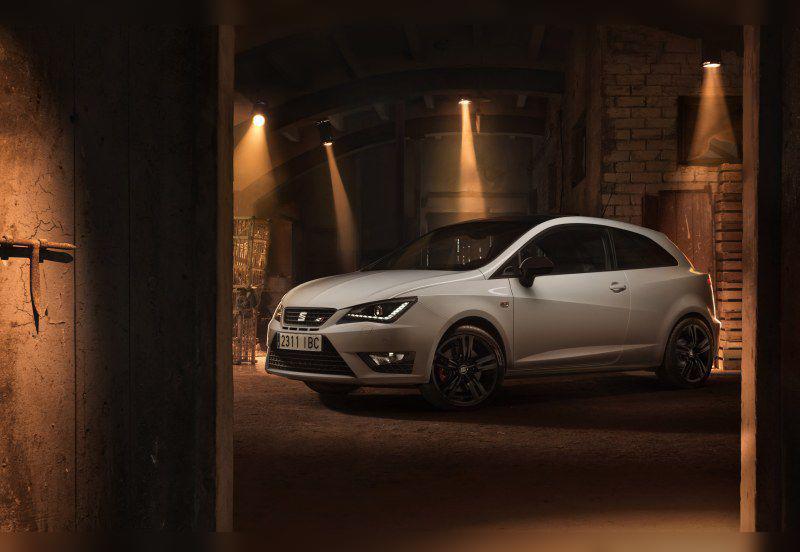
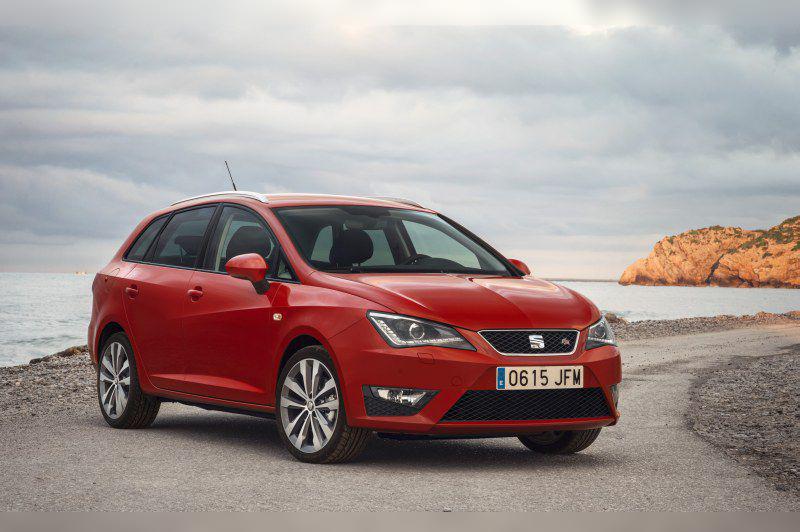
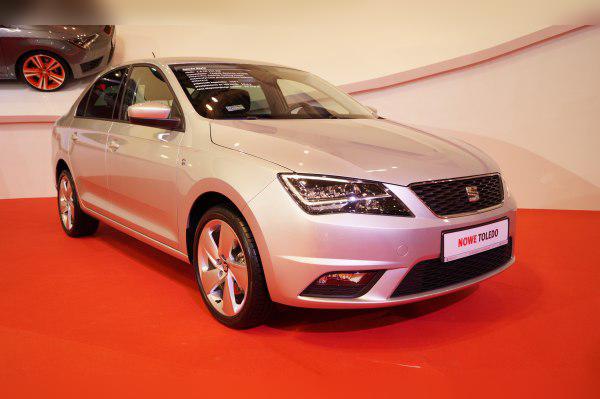
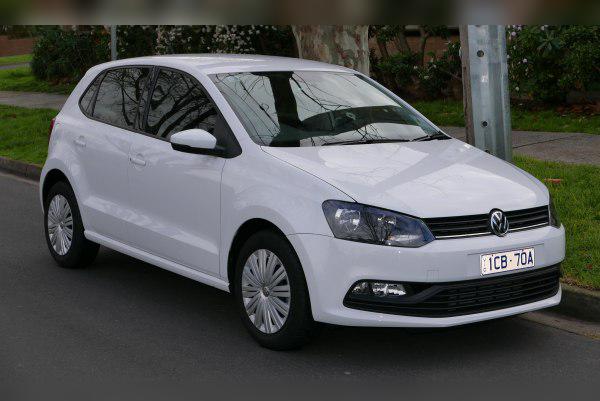
You’ll most often find it in facelifted models of the VW Polo V, Seat Ibiza IV and Seat Toledo produced from 2014 to 2017. Although 95 horsepower on paper doesn’t sound like much, in practice this engine offers surprisingly lively performance thanks to the low weight of the cars it’s installed in.
Technical specifications
| Parameter | Value |
|---|---|
| Engine displacement | 999 cc (3 cylinders) |
| Power | 70 kW / 95 hp (at 5000–5500 rpm) |
| Torque | 160 Nm (at 1500–3500 rpm) |
| Engine code | CHZB (EA211 family) |
| Injection system | TSI – direct injection |
| Charging | Turbocharger with intercooler (integrated into the intake manifold) |
| Number of valves | 12 (4 per cylinder) |
Reliability and maintenance
Belt or chain?
This is the most common question due to the bad reputation of older TSI engines. The CHZB engine uses a timing belt, not a chain. This is excellent news. By switching to a belt in the EA211 series, VW solved the problems with chain stretching and rattling that plagued previous generations. The system is robust and quiet.
Major and minor service
Although the manufacturer often states optimistic intervals for timing belt replacement (sometimes over 200,000 km with no time limit), real‑world practice and mechanics’ experience are different.
Recommended timing belt service: It’s best to replace the timing belt kit, tensioner and water pump between 150,000 km and 180,000 km or after 8 to 10 years of age, whichever comes first. A snapped belt leads to catastrophic engine damage.
Oil and oil consumption
This engine takes approximately 4.0 liters of engine oil. The recommended grade is usually 5W‑30 (VW 504.00/507.00 standard) or on newer variants 0W‑20 (VW 508.00). Always check the sticker under the bonnet or the owner’s manual.
As for oil consumption, EA211 engines are significantly better than the old EA111/EA888 generations. The CHZB should not consume a noticeable amount of oil between services. Consumption up to 0.5 liters per 10,000 km is acceptable. If it uses a liter per 2,000 km, the problem is usually piston rings or the turbo, which requires serious work.
Tip: Shorten the oil change interval from the factory 30,000 km (LongLife) to 10,000–15,000 km. This is crucial for the longevity of the turbo and the camshaft drive.
Spark plugs and injectors
On the CHZB petrol engine, spark plugs are replaced every 60,000 km or 4 years. Since this is a direct‑injection engine, use only iridium or platinum plugs recommended by the manufacturer (NGK or Bosch), because poor‑quality plugs can damage the coil packs (one per cylinder).
Most common failures
The engine is generally reliable, but pay attention to:
- Thermostat housing and water pump: Often made of plastic that deforms over time due to heat cycles, which leads to coolant leaks. Symptoms are a dropping coolant level in the expansion tank or a smell of coolant in the cabin.
- Carbon buildup: Like any direct‑injection engine, the intake valves are not “washed” by fuel. Over time, carbon deposits build up, which can reduce power and cause rough running. This is solved by mechanical cleaning (walnut shell blasting) at higher mileages (over 150k km).
- Turbo actuator: Sometimes the wastegate lever on the turbo can stick, which triggers the check‑engine light and causes a loss of power.
Specific components (costs)
Flywheel:
This is good news for your budget. The 95 hp CHZB version paired with the 5‑speed manual gearbox in 99% of cases has a solid (single‑mass) flywheel. This means that the clutch kit is significantly cheaper to replace than on more powerful diesels or stronger petrol engines.
Note: If you drive a model with a DSG gearbox, the situation is different (see the Gearbox section).
Injection system:
The engine uses high‑pressure injectors (direct injection). They are generally durable, but sensitive to poor‑quality fuel. If they fail, they are expensive (very expensive, depending on the market) and cannot always be successfully refurbished like old‑type injectors. Symptoms are jerking, black smoke and increased fuel consumption.
Turbocharger:
The engine has a small single turbocharger. Its lifespan is closely linked to regular oil changes. With proper maintenance, the turbo lasts as long as the engine (over 200–250k km). The intercooler is integrated into the intake manifold (water‑to‑air system), which means air cooling is more efficient, but repairs in case of leaks are more expensive because the whole intake assembly is replaced.
DPF / EGR / GPF:
This engine has no DPF (because it’s a petrol). Also, CHZB engines (2014–2017) generally do not have a GPF (gasoline particulate filter), as it became mandatory only with stricter Euro 6d‑TEMP standards (usually from 2018, when engines with codes like DKLA appeared). This is an advantage because you have one less thing to worry about. There is an EGR valve, but petrol engines warm up much faster than diesels, so EGR clogging is rarer, unless the car is used exclusively on very short trips.
The engine does not have an AdBlue system.
Fuel consumption and performance
City driving:
Real‑world city consumption is between 5.5 and 7.0 l/100 km, depending on traffic and how heavy your right foot is. The start‑stop system helps reduce consumption, but many drivers switch it off to preserve the battery and starter.
Is the engine “lazy”?
Absolutely not. With 160 Nm of torque available from as low as 1500 rpm, the car pulls surprisingly well. In an Ibiza or Polo body (weighing around 1100 kg), it feels more dynamic than the old 1.4 or 1.6 naturally aspirated engines. It is perfectly adequate for overtaking on country roads.
Motorway:
This is where you notice the limits of the small displacement and 5‑speed gearbox. At 130 km/h, the engine spins at around 3000–3200 rpm in fifth gear. Consumption then rises to about 6.0–6.5 l/100 km. Engine noise becomes more noticeable, but not unbearable. Models with the 7‑speed DSG are quieter and more economical on the motorway because seventh gear lowers the revs.
Additional options and modifications
LPG conversion:
Since this is a direct‑injection (TSI) engine, LPG installation is complex and expensive. A special system is required (direct liquid injection or a system that mixes petrol and LPG to cool the injectors).
The installation cost is high (very expensive, depending on the market) and the payback is questionable unless you cover very high mileages (over 30–40k km per year). For the average driver – not recommended.
Remapping (Stage 1):
This engine responds very well to remapping. A safe Stage 1 raises power from 95 hp to about 115–120 hp, and torque to nearly 200 Nm. The difference in driving is dramatic; the car becomes much more flexible. However, keep in mind that higher torque wears the clutch out faster.
Gearbox: manual vs DSG
There are two gearbox options with the CHZB engine:
- Manual gearbox (5‑speed): Very reliable and precise. Code MQ200.
- Failures: Rare. Sometimes the input shaft bearing can be heard (a humming noise), but in general it can handle much more torque than this engine can produce.
- Maintenance: The gearbox oil is “lifetime fill” from the factory, but it’s recommended to replace it every 100,000 km for smoother shifting.
- Clutch: Replacing the clutch kit is relatively cheap (not expensive, depending on the market).
- Automatic gearbox (7‑speed DSG – DQ200): This is a gearbox with “dry” clutches.
- Failures: Mechatronics is the weak point. Electronics can fail or the hydraulic system can leak. Also, the clutch pack (friction plates) wears out faster in city stop‑and‑go driving than on a manual. Symptoms are juddering when moving off or harsh shifts.
- Flywheel: DSG models usually have a specific flywheel that is more expensive than the solid one on the manual.
- Maintenance: Although VW says the oil is “fill for life”, you MUST change the oil in the mechatronics and gear set every 60,000 km if you want it to last.
Used car buying guide and conclusion
Before buying a car with the CHZB engine, pay attention to the following:
- Cold start: Start the engine when it’s cold. The sound should settle after a few seconds. If you hear metallic rattling that doesn’t go away, or uneven running, this may indicate an issue with the cam phaser or injectors.
- Check fluids: Look at the coolant expansion tank. The level must be stable and the fluid clean (no traces of oil). Check around the thermostat housing (on the right‑hand side of the engine when viewed from the front) for pink traces of leakage.
- Test drive: Accelerate in 3rd or 4th gear from low revs. Acceleration should be linear, without “flat spots”. If you have a DSG, gear changes should be imperceptible.
Conclusion:
The 1.0 TSI (CHZB) engine is an excellent choice for drivers who spend most of their time in the city and on country roads. Maintenance is cheaper than on diesels (no DPF, solid flywheel on manuals), road tax/registration is lower, and fuel consumption is modest. If you’re choosing between this engine and the older 1.4 or 1.2 TSI, the 1.0 TSI (CHZB) is technically superior and more reliable. The manual gearbox is the safer option when buying a higher‑mileage used car.
Was this content useful to you?
Your opinion helps us to improve the quality of the content.