CRBC, CRLB Engine
- Engine
- 1968 cm3
- Aspiration
- Turbocharger, Intercooler
- Fuel
- Diesel
- Fuel injection system
- Diesel Commonrail
- Power
- 150 hp
- Torque
- 320 Nm
- Cylinders
- 4
- Valves
- 16, 4 per cylinder
- Cylinders position
- Inline
- Valvetrain
- DOHC
- Oil capacity
- 4.7 l
- Coolant
- 8 l
- Systems
- Start & Stop System, Particulate filter
# Vehicles powered by this engine
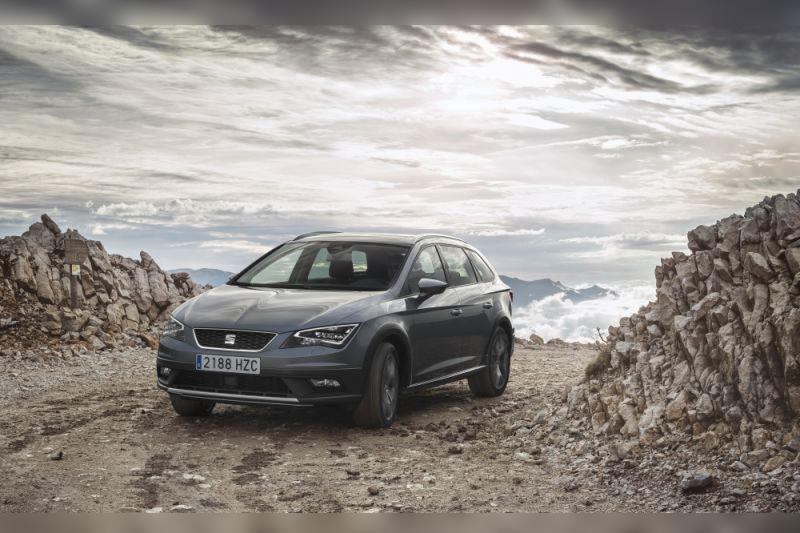
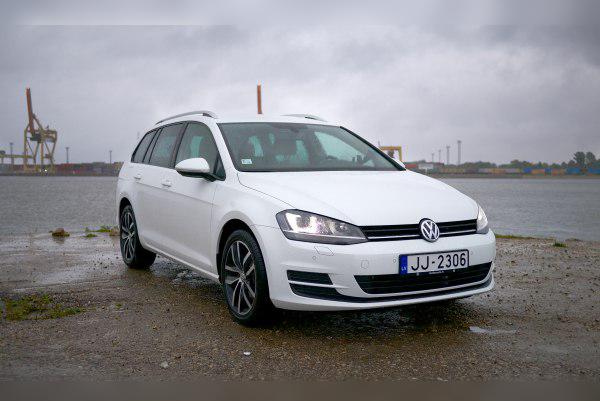
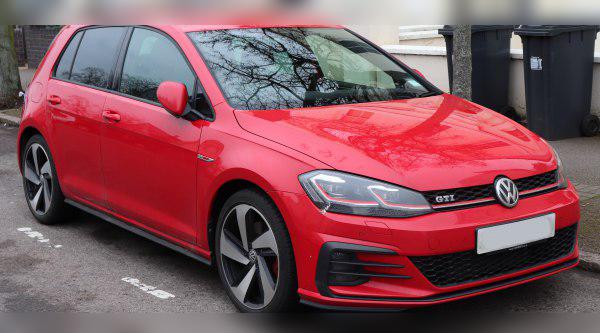
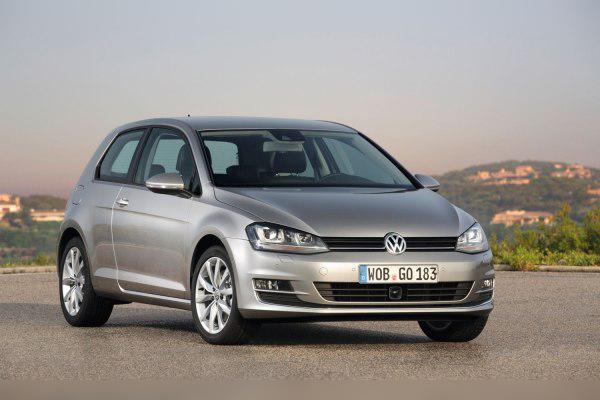
2.0 TDI (CRBC, CRLB) 150 HP – Experiences, problems, fuel consumption and buying used
Most important in short (TL;DR)
- Water pump is a weak point: The plastic thermostat housing and the pump itself often start leaking or seize up before the timing belt service interval.
- Reliable injection system: Unlike older generations, the Bosch solenoid injectors in these engines are extremely durable.
- Excellent balance of power and economy: With 150 HP and 320 Nm, this is probably the best all‑round option for the Golf VII and Seat Leon.
- DPF regeneration: Sensitive to frequent short trips; it needs occasional highway runs.
- DSG gearbox (DQ250): Great “wet” dual‑clutch gearbox, but it strictly requires an oil change every 60,000 km.
- Timing belt: The engine uses a belt, not a chain, which makes maintenance cheaper compared to some competitors.
- Recommendation: One of the most reliable modern VW Group diesels, provided it has been properly maintained.
Contents
Introduction and engine applications
The engine we are talking about today belongs to the EA288 family of Volkswagen diesel units. This is the engine that replaced the famous (and sometimes infamous) EA189 engine. The codes CRBC and CRLB refer to the 150 HP (110 kW) variants, which are the “sweet spot” in the VW Group’s compact class lineup. It was installed in a huge number of MQB platform vehicles, most commonly in the VW Golf VII (hatchback and Variant/estate) and the Seat Leon.
This engine is important because it represents the modern standard for a two‑liter diesel – clean enough to meet strict emissions regulations (Euro 5 and Euro 6), yet mechanically robust enough to cover high mileages. Compared to the smaller 1.6 TDI, this engine offers a drastically better driving experience without a significant increase in fuel consumption.
Technical specifications
| Characteristic | Data |
|---|---|
| Engine displacement | 1968 cc (2.0 L) |
| Power | 110 kW (150 HP) |
| Torque | 320 Nm at 1750–3000 rpm |
| Engine codes | CRBC (Euro 5/Euro 6b), CRLB (Euro 6) |
| Injection type | Common Rail (Bosch) |
| Charging | Turbocharger (VGT) + intercooler |
| Number of cylinders / valves | 4 / 16 |
Reliability and maintenance
Timing belt or chain?
These engines (CRBC, CRLB) use a timing belt for the valve train. This is good news for most owners because the system is quieter and more predictable than a chain, which can stretch.
Service intervals and “major service”
The factory recommendation for timing belt replacement is often an optimistic 210,000 km. However, real‑world experience from mechanics shows that this is too long. The recommendation is to do the major service between 150,000 km and 180,000 km, or every 5 to 7 years, whichever comes first.
The most common failure and critical point: The water pump. On EA288 engines, the water pump has a variable shroud (slider) that controls coolant flow for faster engine warm‑up. This mechanism often seizes, causing the engine to overheat or coolant to leak long before the timing belt service is due. If you notice the engine temperature climbing above 90°C or you are losing coolant, have the pump checked immediately.
Oil: capacity and consumption
The engine takes approximately 4.6 to 5.0 liters of oil (always buy 5 liters). You must use oil that meets the VW 507.00 specification, most commonly in 5W‑30 grade.
As for oil consumption, CRBC and CRLB engines have proven to be very good. Between two services (if done every 10–15 thousand km), it is normal for the level to drop by a few millimeters on the dipstick, which is about 0.2 to 0.5 liters. If the engine consumes more than 1 liter per 10,000 km, this may indicate a problem with the turbocharger or piston rings, although this is rare below 250,000 km.
Injector longevity
Unlike the older piezo injectors (which were a nightmare on some 2.0 TDI PD engines), CRBC and CRLB use robust Bosch solenoid injectors. They are very durable and rarely fail before 250,000–300,000 km, provided good‑quality fuel is used. Symptoms of bad injectors are rough idle (“hammering”) and increased smoke.
Specific parts (costs)
Dual‑mass flywheel
Yes, this engine has a dual‑mass flywheel (DMF), regardless of whether it is paired with a manual or DSG gearbox. Its lifespan is usually around 150,000 to 200,000 km, depending on driving style. Failure symptoms: Metallic knocking noise when switching the engine off, vibrations in the clutch pedal or shuddering of the car when pulling away. Replacement is expensive (depends on the market), but necessary for comfortable driving and to protect the gearbox.
Turbocharger
The engine uses a single variable‑geometry turbocharger (VGT). It is generally reliable. Problems can occur if the DPF gets clogged (creating back pressure) or if oil changes are neglected. With proper maintenance, turbo life often exceeds 300,000 km. The turbo actuator (the electronic part) can fail earlier, which leads to loss of power (“safe mode”).
DPF, EGR and AdBlue
All CRBC and CRLB engines are equipped with a DPF filter and EGR valve.
The EGR valve on these engines is integrated with the exhaust gas cooler and is located at the back of the engine (harder to access). The EGR cooler can start leaking, causing the engine to “drink” coolant.
AdBlue: This is an important point. In the Golf VII and Leon, CRBC and CRLB engines (from the start of production up to 2015/2016, and even later variants in lighter body styles) usually DO NOT have an AdBlue system (SCR). They meet the Euro 6 standard using a LNT (Lean NOx Trap) catalyst that does not require fluid. This is a big advantage because you have one less system to maintain (no AdBlue heaters, no pump, no refilling). Still, always check the fuel filler area before buying – if there is no blue cap next to the diesel filler, you don’t have AdBlue.
Fuel consumption and performance
This is the strongest selling point of the 2.0 TDI 150 HP engine. It offers more than enough performance for everyday use, with laughably low fuel consumption.
- City driving: Real‑world consumption is between 6.0 and 7.5 l/100 km, depending on traffic, how heavy your right foot is, and whether you drive an automatic or manual. In winter, this can go up to 8 l/100 km on short trips.
- Country roads: This is where the engine shines. It is possible to get consumption down to 4.0 to 4.5 l/100 km.
- Motorway: At 130 km/h in sixth gear, the engine cruises relaxed at around 2,000–2,150 rpm. Consumption is then about 5.0 to 5.5 l/100 km.
Is the engine sluggish? Absolutely not. With 320 Nm of torque available from just 1750 rpm, a Golf VII (even the Variant/estate) accelerates convincingly. Overtaking is safe, and the 4Motion all‑wheel drive (where available) further helps with traction off the line, although it adds about 0.5 l/100 km to fuel consumption.
Additional options and modifications
This engine responds very well to “chipping” (remap).
- Stage 1 tuning: Power can safely be raised from the stock 150 HP to 185–195 HP, and torque to around 400–420 Nm.
However, keep in mind that increasing power shortens the lifespan of the clutch and dual‑mass flywheel, especially if the driver often uses full throttle at low revs. The stock components can handle Stage 1, but they will wear out faster.
Gearbox: Manual and DSG
Types of gearboxes
With CRBC/CRLB engines you get two options:
1. 6‑speed manual gearbox (MQ350): Very precise and robust.
2. 6‑speed DSG automatic gearbox (DQ250): Dual‑clutch gearbox with wet clutches (“wet” DSG).
Failures and maintenance
Manual gearbox: The gearbox itself is rarely a problem. The headaches come from the clutch kit and dual‑mass flywheel. A worn clutch will slip (revs rise, the car doesn’t accelerate) when you floor the throttle in 4th, 5th or 6th gear.
DSG (DQ250): This is one of the best automatic gearboxes on the market, BUT it requires maintenance.
Maintenance: Oil and filter in the DSG gearbox MUST be changed every 60,000 km. If this is skipped, the mechatronics (the gearbox brain) and clutch packs will fail.
DSG failure symptoms: Jerking when pulling away, hesitation when changing gear, or harsh engagement when shifting from P to D or R. Repairing a DSG gearbox is very expensive (depends on the market, often over 1000 EUR for serious failures).
Clutch replacement cost: Replacing the clutch kit together with the dual‑mass flywheel is a significant expense. For the manual gearbox it is somewhat cheaper than for the DSG, but in both cases it falls into the category of expensive repairs.
Buying used and conclusion
Before buying a car with this engine, pay attention to the following:
- Coolant traces: Look around the coolant reservoir and on the right‑hand side of the engine. Pink deposits indicate a leak from the water pump or thermostat housing.
- Flywheel noise: Listen to the engine as it is being switched off. There should be no metallic rattling.
- Diagnostics (DPF): Check DPF load (soot mass and oil ash volume). If oil ash is close to the limit (around 80 g), the DPF is nearing the end of its life.
- Cold start: The engine should start “on half a turn” and immediately run smoothly. Rough running indicates a problem with glow plugs or injectors.
Final conclusion
The 2.0 TDI (CRBC/CRLB) 150 HP engine is an excellent choice. It offers much better performance than the 1.6 TDI models, while maintenance costs are similar (apart from road tax in some countries). This is an ideal engine for drivers who cover a lot of mileage, especially on open roads. If you find a car with a full service history (especially for the DSG gearbox) and a replaced water pump, you can buy it without overthinking.
Was this content useful to you?
Your opinion helps us to improve the quality of the content.