EA888 / CJXA Engine
- Engine
- 1984 cm3
- Aspiration
- Turbocharger, Intercooler
- Fuel
- Petrol (Gasoline)
- Fuel injection system
- Direct injection and Multi-port manifold injection
- Power
- 280 hp
- Torque
- 350 Nm
- Cylinders
- 4
- Valves
- 16, 4 per cylinder
- Cylinders position
- Inline
- Valvetrain
- DOHC
- Oil capacity
- 5.7 l
- Coolant
- 10 l
- Systems
- Start & Stop System
# Vehicles powered by this engine
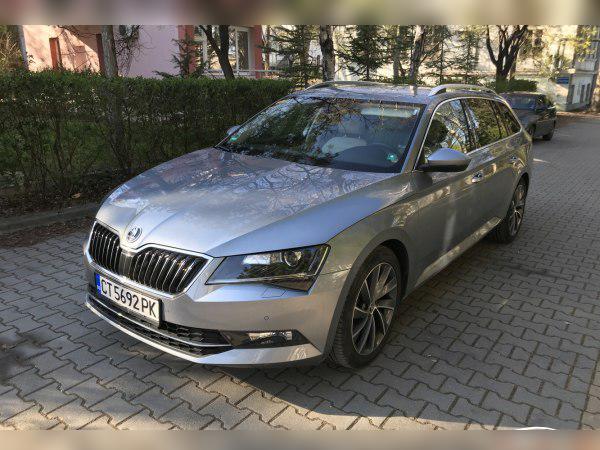
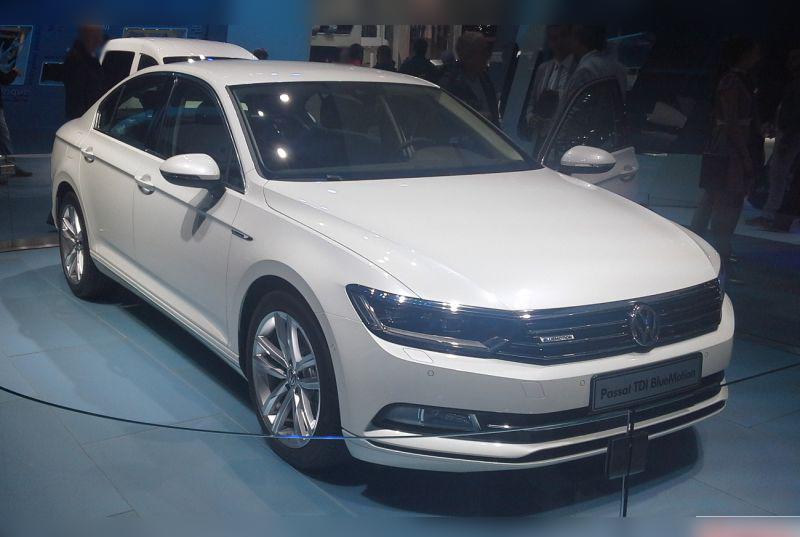
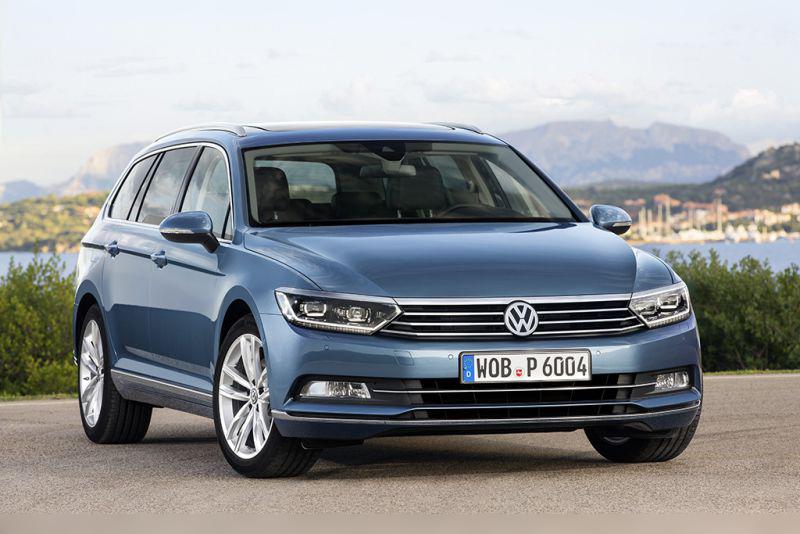
2.0 TSI (EA888 Gen 3) CJXA: Experiences, Issues, Fuel Consumption and Buying Used
Key points (TL;DR)
- Performance: This is a serious sports engine (280 hp). In “civilian” bodies (Passat, Superb) it turns the car into a real sleeper, while in the Leon Cupra it’s a proper track toy.
- Reliability: Significantly better than the previous generation (Gen 2). The issue of massive oil consumption that plagued older 1.8 and 2.0 TSI engines has been resolved.
- Biggest weakness: Thermostat housing and water pump. They are plastic and prone to cracking and coolant leaks.
- Maintenance: Requires high‑quality oil and regular changes. DSG gearbox service is mandatory every 60,000 km.
- Drivetrain: In the Passat and Superb it comes exclusively with 4x4 (Haldex) and DSG, which means fantastic traction but also more expensive drivetrain maintenance.
- Potential: One of the best engines on the market for tuning (Stage 1).
Contents
- Technical specifications
- Reliability and Maintenance
- Specific Parts and Costs
- Fuel Consumption and Performance
- Additional Options and Tuning
- Gearbox and Drivetrain
- Buying Used and Conclusion
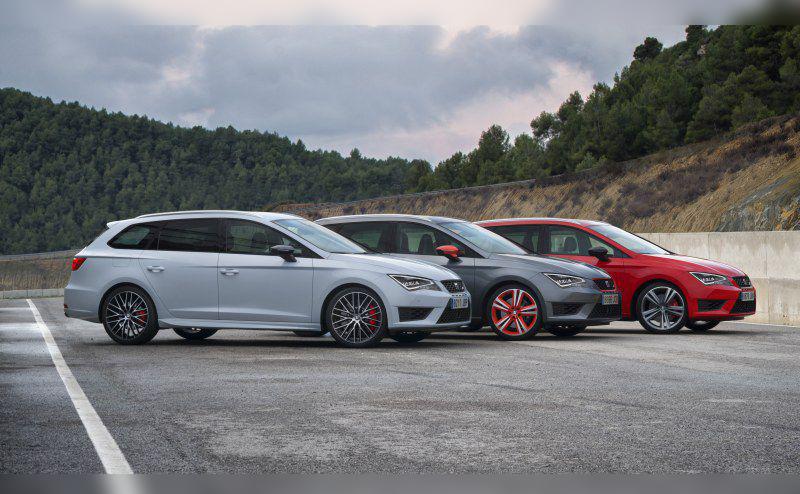
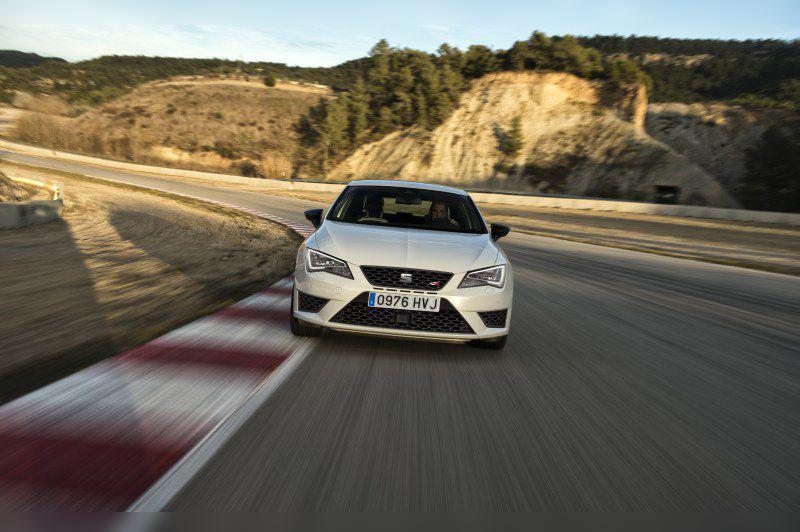
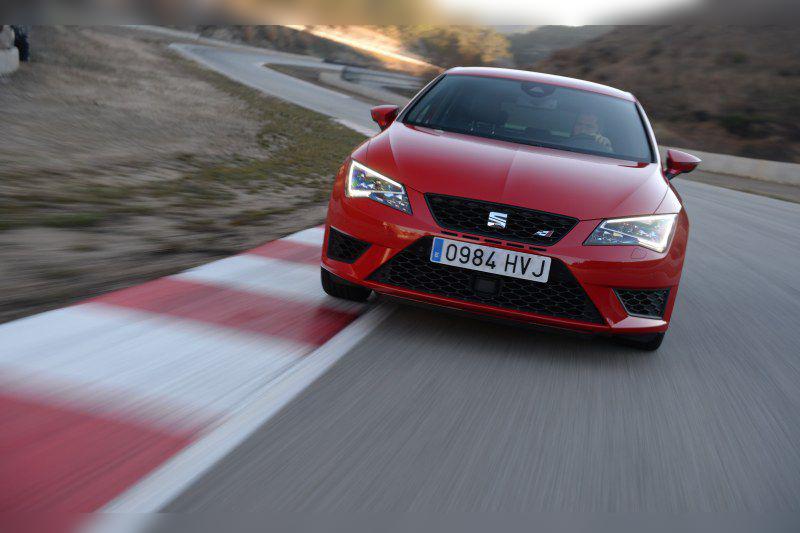
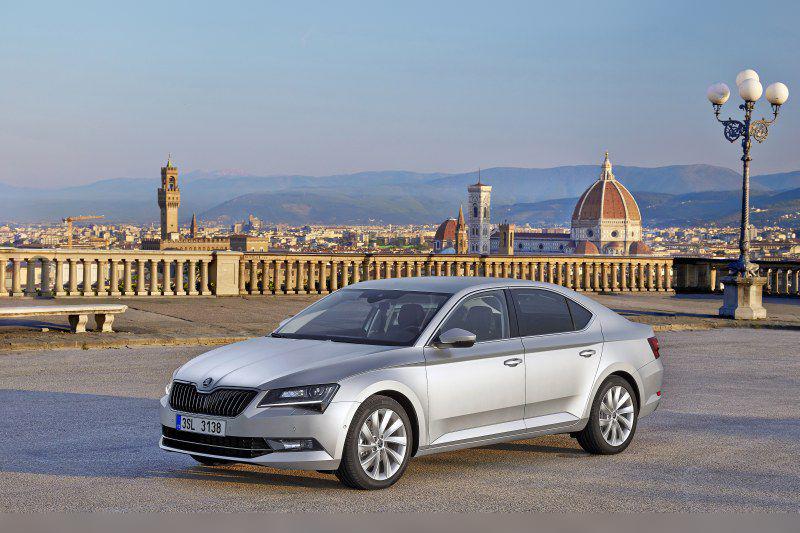
The CJXA engine belongs to the third generation (Gen 3) of the famous VAG EA888 family. This is not the “regular” 2.0 TSI you’ll find in a base Tiguan. It’s a derivative of the engine from the Golf 7 R or Audi S3, slightly “detuned” or adapted for models such as the Seat Leon Cupra, Škoda Superb (top version) and VW Passat B8. It’s a powerplant that offers sports‑car performance in the body of a family sedan or wagon. Unlike the notorious second generation that drank oil like fuel, this engine is a mechanical gem, but like any complex machine, it requires specific care.
Technical specifications
| Parameter | Value |
|---|---|
| Engine code | EA888 Gen 3 / CJXA |
| Displacement | 1984 cc (2.0 L) |
| Power | 206 kW (280 hp) @ 5600-6500 rpm |
| Torque | 350 Nm @ 1700-5600 rpm |
| Fuel type | Petrol (Recommended 98 or 100 RON) |
| Forced induction | Turbocharger (IHI IS38) + intercooler |
| Injection system | Combined: Direct (FSI) + Port (MPI) |
| Cylinder layout | I4 (inline, 4 cylinders) |
Reliability and Maintenance
Timing chain or belt?
The CJXA engine uses a timing chain. In this third generation of EA888 engines, the chain‑stretch problem that destroyed engines before 2012 has been largely solved. The chain is now robust and designed to last the life of the engine, but in practice it should be thoroughly checked (diagnostic check of timing phase or “stretch”) after 150,000 - 200,000 km. If you hear rattling on cold start that doesn’t disappear after a few seconds, that’s a red flag.
Most common issues
Although the engine is reliable, there are three main pain points for owners:
- Thermostat and water pump: This is the most common failure. The housing is made of plastic that deforms over time from heat, which leads to coolant leaks. Symptoms are coolant loss or engine overheating. Replacement is not cheap (depends on market) because the assembly is hard to access.
- PCV valve (oil separator): When the membrane in this valve tears, the engine starts to run rough, you may hear a whistling sound, and oil consumption often increases. Fortunately, this is a relatively inexpensive fix.
- Intake valve carbon build‑up: Although this engine also has port injectors that wash the intake valves at low load, with aggressive driving and lower‑quality fuel you can still get carbon deposits on the intake valves, which reduces power.
Service intervals and spark plugs
There is no “major service” in the classic sense (timing belt replacement) because the engine has a chain. However, it’s recommended to replace the auxiliary (serpentine) belt and tensioner at around 100,000 - 120,000 km or 5–6 years of age.
As for the spark plugs, the factory recommendation is often 60,000 km, but for this engine (especially if driven hard) a strict recommendation is replacement every 30,000 to 40,000 km. Use only NGK or OEM plugs specified for this model.
Oil: Capacity and Consumption
The engine takes approximately 5.7 liters of oil. The recommended grade is 5W-30 or 0W-30 with specification VW 504.00 / 507.00. For more aggressive driving and hotter climates, many enthusiasts switch to 5W-40 (with a fixed change interval).
Does it burn oil? Unlike its predecessor, this engine has redesigned piston rings. Oil consumption is drastically reduced. Still, it’s normal for an engine with this level of performance to use 0.5 to 1 liter of oil per 10,000 km, especially if it’s often driven at high rpm. Anything above that requires investigation (PCV valve or turbo).
Specific Parts (Costs)
Injection system and injectors
The engine uses an advanced system with eight injectors (four for direct injection into the cylinder and four for port injection into the intake manifold). This is a great solution because the port injectors wash the valves at low load. The injectors are generally reliable, but the high‑pressure direct injectors are expensive if they fail. The high‑pressure fuel pump (HPFP) can be heard “ticking”, which is a normal operating sound.
Turbocharger
This 280 hp version usually uses the IHI IS38 turbocharger, which is larger than the one in the GTI (IS20). The turbo is very durable with regular oil changes. Its lifespan is often over 200,000 km, but it’s crucial not to switch the engine off immediately after hard runs on the motorway; let it idle for a minute or two to cool down.
Dual‑mass flywheel
Yes, it has one. Regardless of whether it’s a DSG or manual gearbox, a dual‑mass flywheel is fitted to absorb the substantial 350 Nm of torque. On DSG models, failure is recognized by metallic rattling from the gearbox at idle (P or N). Replacement is expensive (depends on market).
Emissions equipment (DPF, EGR, AdBlue)
This is a petrol engine, so it does not have a DPF in the classic sense. However, models produced after 2018/2019 (depending on market and WLTP introduction) may have an OPF/GPF (gasoline particulate filter). The CJXA is mostly a “pre‑GPF” engine, which is good news because it has a better sound and fewer exhaust restrictions.
No AdBlue fluid. EGR function is often handled via variable valve timing (internal EGR), so there is no traditional EGR valve that clogs up like on diesels.
Fuel Consumption and Performance
Real‑world consumption
Let’s be honest – buying a 280 hp car and obsessing over every deciliter don’t go together.
- City driving: Expect between 10 and 13 l/100 km. In heavy traffic and with a heavy right foot, this easily goes to 15 l/100 km.
- Country roads: You can get it down to 6.5 - 7.5 l/100 km with smooth driving.
- Motorway (130 km/h): Consumption is around 8 - 9 l/100 km.
Is the engine “lazy”?
Absolutely not. With 280 hp and 350 Nm available from as low as 1700 rpm, this engine moves the body of a Passat or Superb (even the wagon) with incredible ease. 0–100 km/h times are often under 6 seconds (with 4x4). In‑gear acceleration is brutal; overtakes are over in the blink of an eye.
Behaviour on the motorway
This is the natural habitat for the Passat and Superb with this engine. At 130 km/h, in top gear (6th or 7th in the DSG), the engine spins at about 2,600 - 2,800 rpm, making for a quiet and comfortable ride. There’s enough power to accelerate to 200 km/h without even changing gear.
Additional Options and Modifications
LPG conversion
Technically possible, but very expensive and complicated. Due to direct injection, you need a special system that either injects liquid gas directly through the petrol injectors, or a system that uses a petrol‑LPG mix (to cool the petrol injectors). Given the sporty nature of the engine, LPG conversion is generally not recommended as it can lead to issues with thermal stress on the cylinder head and injectors.
Remap (Stage 1)
This is one of the most rewarding engines for tuning. With just a software remap (Stage 1), without any mechanical changes, power can be safely raised to 350 - 370 hp, and torque to over 450 Nm. The engine and turbo handle this very well, but keep in mind it will shorten the lifespan of spark plugs, coils and the clutch/DSG if the car is constantly driven hard.
Gearbox and Drivetrain
Manual vs Automatic (DSG)
Most models with this engine (especially the Passat and Superb) come exclusively with a DSG gearbox and all‑wheel drive (4Motion/4x4). The Seat Leon Cupra could also be had with a manual gearbox.
- DSG (DQ250 / DQ381): Most commonly you’ll find the 6‑speed DQ250 (wet clutch) or in newer years the 7‑speed DQ381 (also wet). These are extremely quick and reliable gearboxes if maintained properly.
- Manual gearbox: Rare. The clutch is the weak point on manuals if the engine is tuned, because the stock clutch struggles to hold more than 400 Nm.
Gearbox maintenance
On DSG gearboxes with wet clutches (the ones paired with this engine), oil and filter changes are MANDATORY every 60,000 km. Skipping this service leads to mechatronic failure, which costs a small fortune (very expensive). Clutch failures are less common, but the friction plates do wear and their replacement is also a significant expense.
The cost of replacing the clutch kit with the dual‑mass flywheel is high (depends on market), but it’s done rarely (usually at 150k–200k km, depending on driving style).
Buying Used and Conclusion
What to check before buying?
- Coolant leaks: Look under the intake manifold for traces of pink residue (antifreeze). That’s a sign the thermostat/pump housing needs replacement.
- Cold start: The engine should fire up immediately. If you hear metallic chain rattle for more than 2–3 seconds, walk away or negotiate the price to cover chain replacement.
- DSG behaviour: The gearbox should shift seamlessly. Any jerking when setting off or banging when shifting from P to D/R is a bad sign.
- 4x4 service history: If the car is 4x4 (Haldex), the oil in the Haldex coupling must be changed (usually every 3 years or 40–60k km). Check whether this has been done.
Conclusion
The 2.0 TSI (280 hp) CJXA engine is a fantastic choice for drivers who want a compromise between family practicality and brutal performance. In the Seat Leon Cupra it offers pure fun, while in the Passat and Superb it delivers effortless motorway dominance with all‑wheel drive.
It’s not as cheap to run as a 2.0 TDI (fuel consumption, tax, tyres, brakes), but in return it puts a smile on your face every time you press the throttle. If you find a car with a properly documented service history for both engine and gearbox, it’s a purchase you’re unlikely to regret.
Was this content useful to you?
Your opinion helps us to improve the quality of the content.