EA188 / BXE Engine
- Engine
- 1896 cm3
- Aspiration
- Turbocharger, Intercooler
- Fuel
- Diesel
- Fuel injection system
- Pump-nozzle (Unit Injector)
- Power
- 105 hp @ 4000 rpm
- Torque
- 250 Nm @ 1900 rpm
- Cylinders
- 4
- Valves
- 8, 2 per cylinder
- Cylinders position
- Inline
- Valvetrain
- SOHC
- Oil capacity
- 3.8 l
- Coolant
- 8 l
- Systems
- Particulate filter
# Vehicles powered by this engine

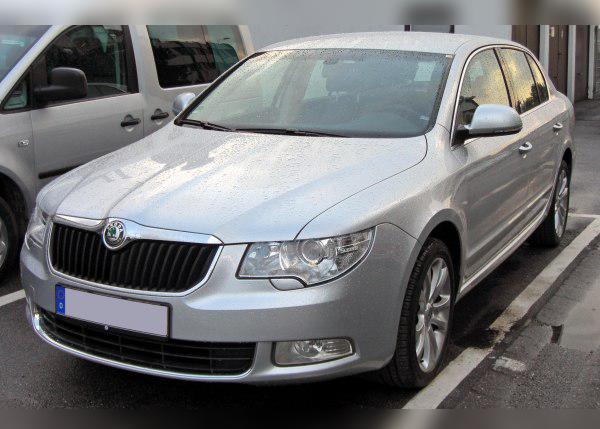
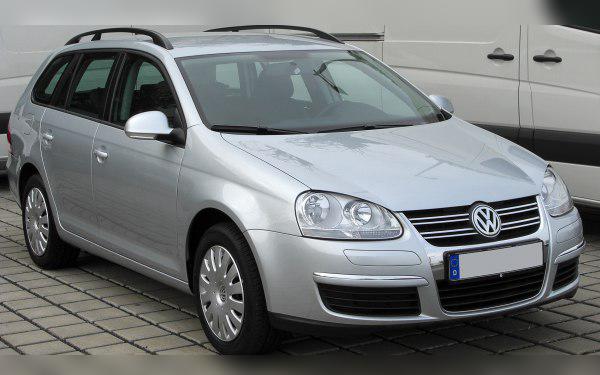
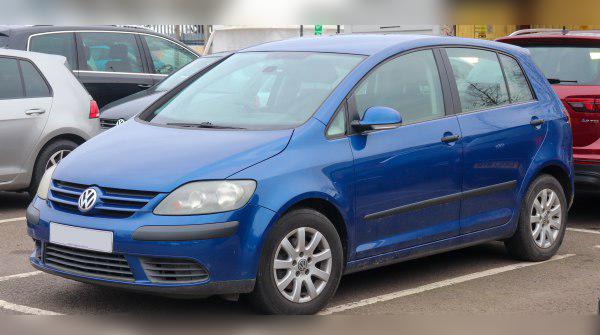
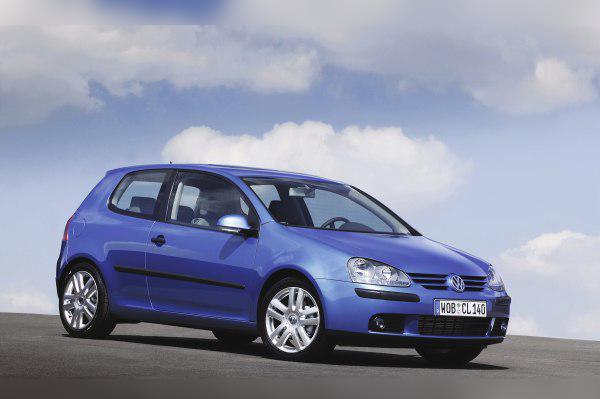
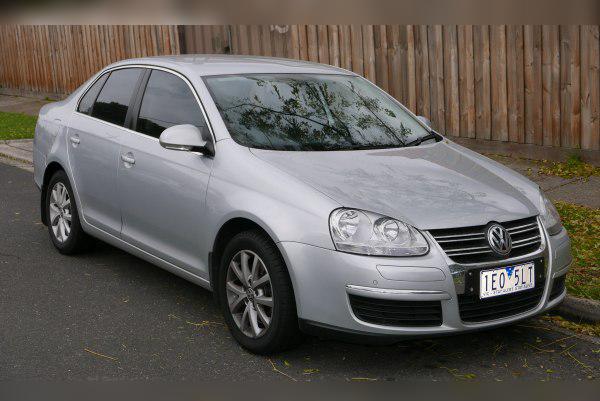
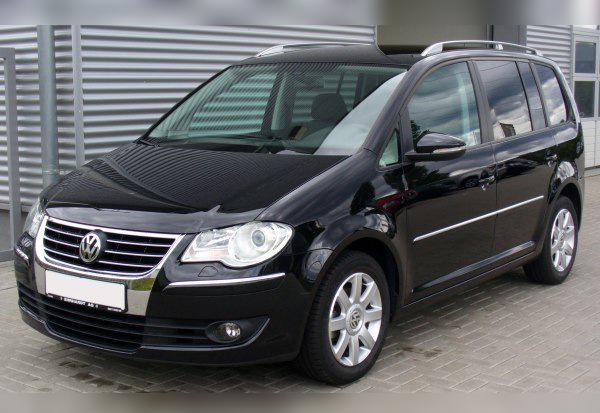
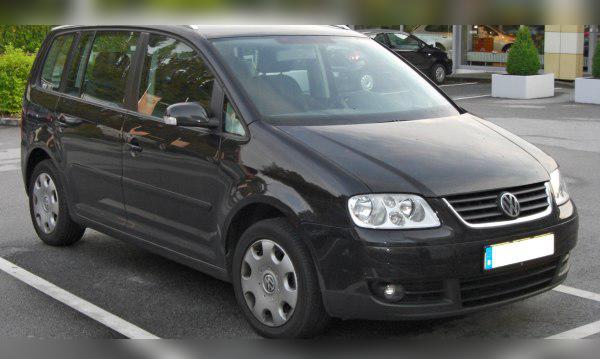
1.9 TDI BXE (105 HP) – Experiences, problems, fuel consumption and used-car buying tips
The 1.9 TDI engine with the BXE code marks the end of an era. This is one of the last "Pumpe-Düse" (PD) engines before the Volkswagen Group fully switched to the Common Rail system. Although it shares the legendary reputation of the 1.9 TDI unit in terms of low fuel consumption and good performance, the BXE carries a specific "baggage" of problems that sets it apart from the older, almost indestructible versions. It was installed in a wide range of vehicles from 2006 to 2010, including the Golf V, Touran, Škoda Superb and Seat Leon.
Key points in short (TL;DR)
- Fuel consumption: Extremely economical, a true fuel-saving champion (average around 5.5–6.5 l/100 km).
- Biggest weakness: Known issue with big-end bearings and conrod failure (catastrophic damage), especially on 2007–2008 model years.
- Maintenance: Requires strict adherence to the oil specification (VW 505.01) because of the camshaft.
- Dual-mass flywheel: Present and represents a standard expense at higher mileage.
- DPF filter: The BXE version most often does not have a DPF from factory (unlike the BLS engine code), which is a big plus for city driving.
- Recommendation: An excellent engine if the crankshaft bearing issue has been solved preventively; otherwise, it carries a certain risk.
Contents
- Technical specifications
- Reliability and maintenance
- Specific parts (costs)
- Fuel consumption and performance
- Additional options and modifications
- Gearbox (manual and DSG)
- Conclusion and buying advice
Technical specifications
| Characteristic | Data |
|---|---|
| Engine displacement | 1896 cc (1.9 L) |
| Power | 77 kW (105 HP) at 4000 rpm |
| Torque | 250 Nm at 1900 rpm |
| Engine code | BXE (Related: BKC, BLS) |
| Injection system | Pumpe-Düse (PD) |
| Charging type | Turbocharger with variable geometry (VGT) + intercooler |
| Configuration | Inline 4-cylinder, 8 valves (SOHC) |
Reliability and maintenance
Timing belt or chain?
The 1.9 TDI BXE engine uses a timing belt. This is a traditional and reliable solution, provided it is replaced on time. Factory intervals have changed over time (often listed as 120,000 km or 150,000 km), but experienced mechanics and real-world practice suggest doing the major service at a maximum of 90,000 to 100,000 km or every 5 years, whichever comes first. A snapped belt leads to piston-to-valve contact, which usually means a write-off.
Most common failures and the BXE engine’s “Achilles’ heel”
The BXE engine is generally robust, but it has one fatal flaw that follows it, especially on series produced in 2007 and 2008:
- Conrod failure: This is a specific issue for BXE (and BLS) engines. Material fatigue occurs on the conrod bolts or bearings, causing the conrod to punch through the engine block (it literally "comes out"). This happens suddenly, without prior symptoms, and requires replacement of the entire engine. Many owners proactively replace the big-end bearings and conrod bolts immediately after purchase (the cost is not high compared to the risk).
- Camshaft wear: The PD (Pumpe-Düse) system puts a lot of stress on the camshaft. If the wrong oil is used, the lobes wear out. The symptom is a characteristic "dull, deep sound" (drumming) from the air filter housing and loss of power.
- Injector wiring (loom): The wiring that sits in oil inside the cylinder head often loses contact. Symptoms are misfiring, running on 3 cylinders or occasional stalling.
Oil: quantity and specification
The engine takes approximately 3.8 to 4.3 litres of oil (depending on the filter size and sump on specific models). The most critical factor on this engine is the oil specification.
Mandatory: The oil must meet the VW 505.01 standard. This is a special oil for Pumpe-Düse engines that can withstand the extreme pressures on the camshaft. The recommended viscosity is 5W-30 or 5W-40. Using oil without this specification drastically shortens the camshaft’s lifespan.
Oil consumption
Like most TDI engines, the BXE can consume some oil. Consumption of up to 0.5 to 0.8 litres per 10,000 km is considered acceptable and normal, especially if the car is driven more aggressively or on the motorway. If it uses more than 1 litre per service interval, the turbo should be checked (whether it is leaking oil into the intercooler) as well as the injector seals.
Injector lifespan (Pumpe-Düse elements)
Bosch PD elements are extremely robust and often last over 300,000 km. However, the problem is not the injectors themselves but the injector seals. Over time they harden, so fuel leaks into the oil (the oil level rises) or air returns into the fuel system (hard cold starts, long cranking). Replacing the seals and adjusting the injectors is a routine job at higher mileage.
Specific parts (costs)
Dual-mass flywheel
Yes, this engine has a dual-mass flywheel. Its purpose is to absorb the strong vibrations produced by a high-torque diesel engine. Typical lifespan is between 150,000 and 200,000 km, depending on driving style. Symptoms of failure are rattling at idle that disappears when the clutch is pressed, and a strong jolt when switching the engine off. Replacement is expensive (depends on the market), but necessary for comfortable driving and to protect the gearbox.
Turbocharger
The BXE uses a single turbo with variable geometry (VGT). Lifespan is long if the engine is properly maintained and allowed to cool down after fast driving. A common problem is “sticking vanes” due to soot build-up, which happens if the car is driven exclusively gently and only in the city. The symptom is “safe mode” (loss of power) under hard acceleration at around 3000 rpm. Cleaning the turbo is possible and much cheaper than a full rebuild.
DPF filter and EGR valve
A big advantage of the BXE engine (in most cases) is that it does not have a DPF filter. This makes it ideal for markets where emission standards are not very strict and for drivers who do a lot of city miles, as there is no risk of the particulate filter clogging. (Note: Always check by VIN, as there are rare exceptions depending on the delivery market.)
The EGR valve is present and prone to clogging with soot, which leads to black smoke and poorer throttle response. It is often cleaned or both software- and physically blocked (where legally allowed).
AdBlue
This engine does not have an AdBlue system. That technology came much later with Euro 6 standards. One less thing to worry about in maintenance.
Fuel consumption and performance
Real-world fuel consumption
- City driving: Expect between 6.5 and 8.0 l/100 km. In heavy stop-and-go traffic it can reach 8.5 litres, but rarely more than that.
- Country roads: This is where the engine shines. Consumption drops to 4.5 to 5.5 l/100 km with normal driving.
- Motorway: At 130 km/h, fuel consumption is around 5.8–6.2 l/100 km.
Is the engine “sluggish”?
With 105 HP and 250 Nm, the engine is no racer, but it is not sluggish either. Thanks to the turbocharger and torque available from just 1900 rpm, it feels stronger than the numbers suggest. In a Golf V or Leon it is perfectly adequate for all overtaking. However, in heavier bodies such as the Passat Variant, Škoda Superb or VW Touran, when fully loaded with passengers and luggage, the lack of power on inclines can be felt and more frequent downshifting is needed.
Behaviour on the motorway
This depends on the gearbox. Versions with a 5-speed gearbox spin at slightly higher revs at 130 km/h (around 2800–3000 rpm), which increases cabin noise. Versions with 6 speeds (or DSG) are more relaxed, quieter and more economical on the motorway, cruising at around 2400–2500 rpm.
Additional options and modifications
Chip tuning (Stage 1)
1.9 TDI engines are favourites among tuners. The BXE can be remapped, but with great caution. A safe Stage 1 raises power to about 130–140 HP and torque to 300–320 Nm.
WARNING: Given the known weakness of the conrods on the BXE code, aggressively increasing power and torque at low revs drastically increases the risk of engine failure. If you plan to remap, first sort out the bearings and have the map done by a specialist who knows how to protect the bottom end (linear power delivery).
Gearbox (manual and DSG)
Manual gearbox
Most commonly paired with a 5-speed manual gearbox (code 0A4), which is very reliable and cheap to maintain. There are also 6-speed versions (mainly in heavier vehicles or 4Motion versions). Failures are rare and mostly come down to wear of the gear selector mechanism (the gear lever becomes "sloppy"). VW declares the gearbox oil as “lifetime”, but it is recommended to replace it every 100,000–150,000 km for smoother shifting in winter.
Automatic DSG gearbox
With this engine, a 6-speed DSG (DQ250) with wet clutch was fitted. This is an excellent gearbox that offers fast shifts.
- Maintenance: Requires oil and filter changes every 60,000 km. If this is skipped, failures are guaranteed.
- Most common issues: Mechatronics (the gearbox “brain”) and the dual-mass flywheel (different from the manual one and often more expensive). Symptoms of problems are jerking when taking off or a delay when engaging “R”.
Conclusion and buying advice
The 1.9 TDI BXE engine is a double-edged sword. On one hand, it offers fantastic economy, cheap suspension and peripheral parts, and no complicated DPF filter. On the other hand, the risk of conrod failure casts a shadow over an otherwise good package.
What to check before buying?
- Engine sound: Listen for “drumming” from the intake (sign of a worn camshaft).
- Cold start: It should fire up “on half a turn”. Long cranking points to issues with injector seals or the tandem pump.
- Idle: Vibrations in the seat indicate a bad dual-mass flywheel or injectors that are out of balance.
- Service history: Have the big-end bearings been replaced? If not, and the car has around 200,000 km, that should be your first investment (not expensive, but essential).
Who is this engine for? It is ideal for drivers who cover a lot of kilometres, want low fuel costs and are willing to invest in preventive servicing (bearings) in order to get a loyal workhorse that can cover hundreds of thousands more kilometres.
Was this content useful to you?
Your opinion helps us to improve the quality of the content.