EA188 / BJB, BXE Engine
- Engine
- 1896 cm3
- Aspiration
- Turbocharger, Intercooler
- Fuel
- Diesel
- Fuel injection system
- Pump-nozzle (Unit Injector)
- Power
- 105 hp @ 4000 rpm
- Torque
- 250 Nm @ 1900 rpm
- Cylinders
- 4
- Valves
- 8, 2 per cylinder
- Cylinders position
- Inline
- Valvetrain
- SOHC
- Oil capacity
- 3.8 l
- Coolant
- 7.7 l
# Vehicles powered by this engine
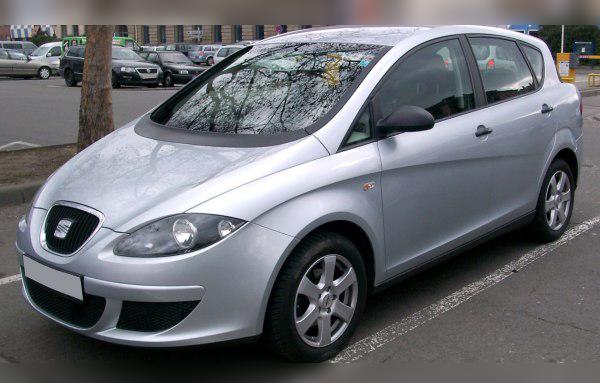
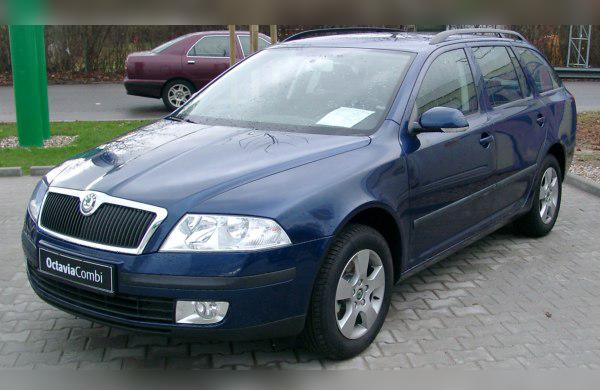
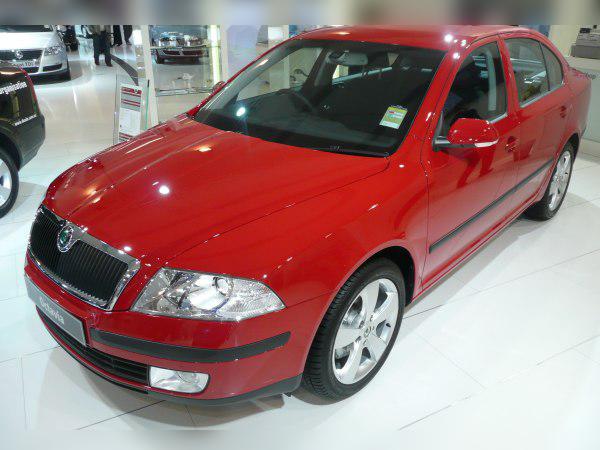
1.9 TDI PD (105 HP) – The last “real one” or a ticking time bomb? Experience, issues and maintenance
When someone in Europe mentions the 1.9 TDI, most drivers tip their hat. It’s considered indestructible, economical and cheap to maintain. However, the 77 kW (105 HP) version used in the Škoda Octavia A5 (II) and Seat Toledo III comes with a footnote many sellers conveniently skip. Not all 1.9 TDI engines are the same.
In this text we analyze the engine codes BJB and the notorious BXE. Is this still the best used-car buy, or are you risking catastrophic engine failure? As someone who has spent years under the bonnet and behind the keyboard, I’ll be honest with you – this is an engine of contrasts.
Key points (TL;DR)
- Fuel consumption: Extremely low, a “lighter” in its class (average around 5.5–6 l/100 km).
- Maintenance: Parts are available everywhere and prices are reasonable.
- Biggest flaw (BXE): On BXE engines (2006–2010) there is a risk of connecting rod failure and the rod punching through the engine block.
- Dual-mass flywheel: It’s there and it’s a standard expense at around 200,000+ km.
- Camshaft: Sensitive to poor-quality oil; you must use 505.01 spec.
- Gearboxes: The 5-speed manual is excellent, DSG requires regular maintenance.
- Verdict: BJB is the “gold standard”, BXE requires caution and preventive replacement of crankshaft rod bearings.
Contents
- Technical specifications
- Reliability and maintenance
- Specific parts (prices and failures)
- Fuel consumption and performance
- Gearbox and drivetrain
- Additional options and modifications
- Buying used and conclusion
Technical specifications
| Feature | Data |
|---|---|
| Engine displacement | 1896 cc (1.9 L) |
| Power | 77 kW (105 HP) at 4000 rpm |
| Torque | 250 Nm at 1900 rpm |
| Engine codes | BJB (older, more reliable), BXE (newer, more problematic), BKC, BLS |
| Injection system | PD (Pumpe-Düse / Unit injector) |
| Charging | Turbocharger (VNT geometry) + intercooler |
| Emission standard | Euro 3 / Euro 4 (depending on model year and DPF) |
Reliability and maintenance
Belt or chain?
This engine uses a timing belt. That’s good news because the system is quieter and cheaper to replace than the complex chains on newer engines. Still, it does not tolerate delayed servicing.
Major and minor service
The major service (timing belt, tensioners, water pump) is factory-recommended at 120,000 km or 150,000 km (depending on model year), but real-world practice and mechanics advise doing it at 90,000 to 100,000 km or every 5 years. A snapped belt means engine destruction (pistons and valves “collide”).
Oil and oil consumption
The engine takes approximately 3.8 to 4.3 liters of oil (always buy 5L). There is no compromise here:
MANDATORY: The oil must meet VW 505.01 specification (for PD engines). The usual grade is 5W-40 or 5W-30.
Using the wrong oil (e.g. regular 10W-40) leads to rapid camshaft wear, which is a common failure on these engines. Oil consumption up to 0.5L per 10,000 km is acceptable, while anything over 1L points to a problem with the turbo or valve stem seals.
Most common and most serious failures (BJB vs BXE)
This is where we get to the key difference:
- BJB (and BKC): Considered the “real” old TDI engines. They are robust and can cover 500,000+ km with regular maintenance.
- BXE (production 2006–2010): They have a factory defect in the material of the connecting rod bearings (big-end bearings) and connecting rod bolts. It happens that a connecting rod breaks and punches through the engine block without any prior warning (noise or warning light). This usually occurs between 150,000 and 250,000 km.
Tip: If you’re buying a BXE, have the connecting rod bearings and bolts replaced preventively right after purchase. It’s not an expensive job and it saves the engine.
Specific parts (costs)
Dual-mass flywheel
Yes, all listed models (Octavia II, Toledo III) with this engine have a dual-mass flywheel. Its lifespan is usually around 200,000 km, but it heavily depends on driving style. Symptoms include rattling at idle that disappears when you press the clutch, and vibrations when switching the engine off. The price of the kit (flywheel + clutch kit) falls into the “moderately expensive” category (300–500 EUR, depending on brand and market).
Injection system (unit injectors)
The system is robust. Injectors rarely fail completely, but injector seals are a common issue. If the car is hard to start when parked uphill/downhill or mixes diesel with oil (oil level rising), the seals are the culprit. They’re not expensive, but require professional installation.
Turbocharger
The engine has a single turbo with variable geometry (VNT). Service life is long if the car is not “choked”. City driving at low revs clogs the geometry with soot, and the car goes into “safe mode” (loses power above 3000 rpm). Refurbishment is common and is a mid-range expense.
EGR and DPF
The EGR valve often clogs with soot, causing smoke and poor throttle response. Cleaning helps, but it’s often blanked off.
DPF filter: Most BJB and BXE engines DO NOT HAVE a DPF filter, which is a huge advantage for a used car! However, engines with the code BLS (similar and also 105 HP) DO HAVE a DPF. Check by VIN or the sticker in the boot. If there is no DPF, there are no headaches with regeneration.
Fuel consumption and performance
Real-world fuel consumption
- City: Expect between 6.5 and 7.5 liters per 100 km, depending on traffic and how heavy your right foot is. In winter it can go up to 8 l.
- Open road: This is where the engine shines. On country roads, consumption drops to around 4.5 l/100 km.
- Motorway: At 130 km/h it uses about 5.5–6.0 liters.
Performance: Is it “sluggish”?
With 250 Nm of torque available from just 1900 rpm, this engine is not sluggish in real-world driving. The Octavia Combi and Toledo pull nicely in town and during overtakes on country roads. The “kick in the back” turbo feel is there.
Motorway and cruising
The Achilles’ heel of the version with the 5-speed gearbox is motorway driving. At 130 km/h the engine spins at around 2800–3000 rpm, which creates noise in the cabin. A 6th gear is missing for quieter cruising. Versions with a DSG gearbox or 4x4 drivetrain have 6 gears and are more pleasant on the motorway.
Gearbox and drivetrain
Manual gearbox (5-speed)
The most common option. Extremely reliable, precise and cheap to maintain. The gearbox oil is “lifetime fill” from the factory, but it’s recommended to change it every 150,000 km for easier shifting in winter.
DSG automatic gearbox (6-speed – DQ250)
This engine was paired with a 6-speed DSG with wet clutch.
Failures: Mechatronics (the gearbox brain) and the clutch pack. Failures are very expensive (often 1000+ EUR).
Maintenance: Requires oil and filter changes every 60,000 km. If you don’t have proof this has been done, skip that car.
4x4 drivetrain (Haldex)
On the Octavia 4x4 a Haldex coupling is used. It also needs its own oil and filter every 60,000 km. When working properly, the system is excellent in snow, but increases fuel consumption by about 1 liter.
Additional options and modifications
Chip tuning (remapping)
This engine responds very well to tuning. Stage 1 raises power to 130–140 HP and torque to over 300 Nm.
Risk: The engine itself can handle it without problems, but the dual-mass flywheel and clutch wear out much faster due to the sudden increase in torque. Also, on BXE engines, the extra stress on the connecting rods increases the risk of failure.
Buying used and conclusion
What to check before buying?
- Cold start: The engine should fire up “on half a turn”. Long cranking or white smoke indicate a problem with fuel supply or injectors.
- Engine code: Lift the boot floor and look for the code on the sticker (BJB, BXE, BLS). If it’s BXE, immediately factor in the cost of replacing the connecting rod bearings.
- Flywheel noise: Listen for metallic noises while the engine idles and when you switch it off.
- Diagnostics: Check injector correction values. Anything close to 0 is good; above +/- 2.0 is bad.
Final verdict
The 1.9 TDI (105 HP) in the Octavia II or Toledo III is still one of the most rational choices for the average driver in Europe. It offers a great balance of power, low fuel consumption and parts availability.
Who is it for? Families, taxi drivers and people who cover a lot of kilometers and want low running costs.
Should you buy it? YES, but with caution. Look for the BJB code if possible. If you find a good BXE, buy it, but immediately replace the big-end bearings and connecting rod bolts. It’s a small price to pay for peace of mind with such a good car.
Was this content useful to you?
Your opinion helps us to improve the quality of the content.