EA111 / CGPB Engine
- Engine
- 1198 cm3
- Aspiration
- Naturally aspirated engine
- Fuel
- Petrol (Gasoline)
- Fuel injection system
- Multi-port manifold injection
- Power
- 60 hp @ 5200 rpm
- Torque
- 108 Nm @ 3000 rpm
- Cylinders
- 3
- Valves
- 12, 4 per cylinder
- Cylinders position
- Inline
- Valvetrain
- DOHC
- Oil capacity
- 2.8 l
- Coolant
- 5.6 l
# Vehicles powered by this engine
1.2 12V EA111 (CGPB) 60 HP – Experiences, problems, fuel consumption and buying tips
Key points (TL;DR)
- Simplicity: This is a naturally aspirated petrol engine without a turbo, dual-mass flywheel or DPF, which drastically reduces maintenance costs.
- Timing drive: Although it uses a chain, it is not lifetime. It is known for stretching and jumping teeth if the rattling noise at cold start is ignored.
- Performance: With only 60 HP, this engine is extremely sluggish. Ideal for city driving, but a struggle on the motorway and when overtaking.
- LPG: An excellent candidate for LPG conversion thanks to its classic MPI injection system.
- Ignition coils: The most common “small” failure that can leave you stranded is ignition coil failure.
- Conclusion: A perfect choice for beginner drivers and strictly urban driving where maintenance costs take priority over speed.
Contents
- Introduction and models
- Technical specifications
- Reliability and maintenance
- Specific parts and costs
- Fuel consumption and performance
- Additional options and modifications
- Gearbox and drivetrain
- Buying used and conclusion
Introduction and models
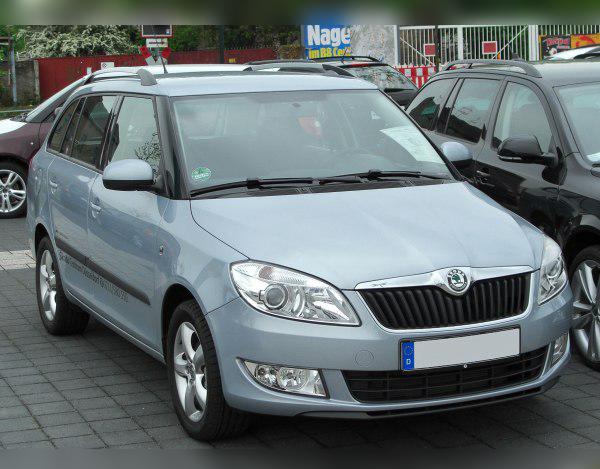
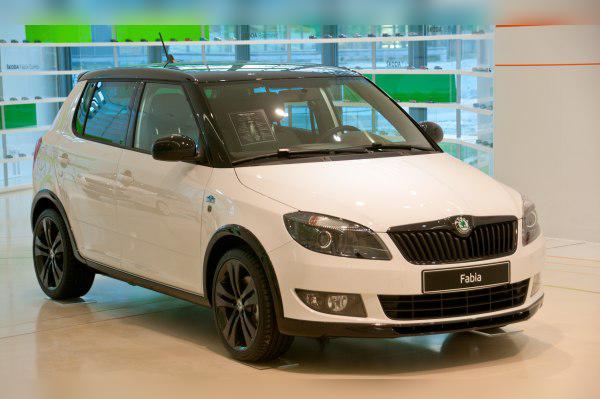
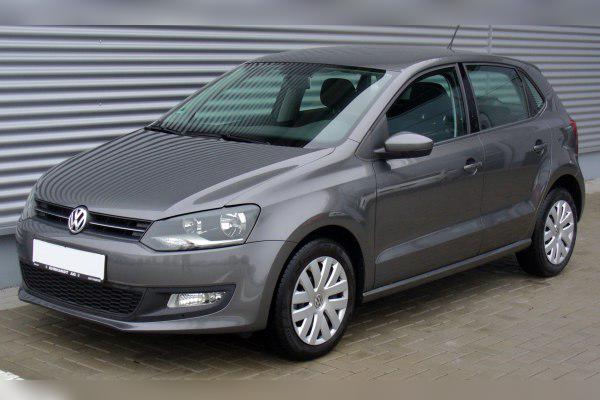
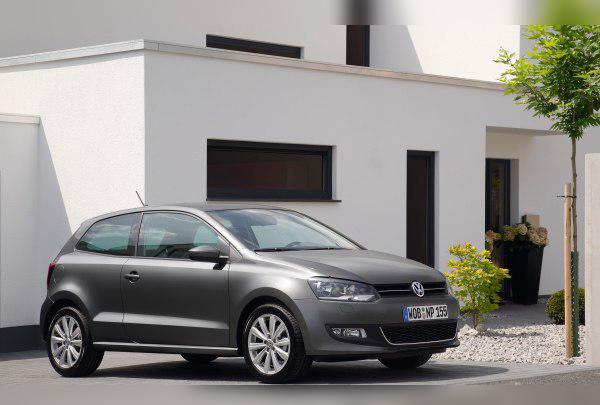
The engine with the internal code EA111 in its 1.2‑liter version is a three‑cylinder unit that defined the entry‑level offering of the Volkswagen Group. Here we are talking specifically about the CGPB 60 HP version, which represents the Euro 5 evolution of the older “HTP” engines. It was installed in the facelifted Škoda Fabia II and VW Polo V. Its main role was to offer a cheap entry into the world of German cars, with a focus on low registration and maintenance costs, sacrificing performance and refinement in the process.
Technical specifications
| Specification | Data |
|---|---|
| Engine displacement | 1198 cc |
| Configuration | R3 (3 cylinders in line), 12 valves |
| Power | 44 kW / 60 HP at 5200 rpm |
| Torque | 108 Nm at 3000 rpm |
| Engine code | CGPB (EA111 family) |
| Injection type | MPI (Multi-Point Injection) – Indirect |
| Aspiration | Naturally aspirated (No turbo) |
Reliability and maintenance
Does this engine have a timing belt or a chain?
The 1.2 CGPB engine uses a timing chain. Although the engineers’ idea was for the chain to last the lifetime of the engine, in practice this has not proven true for the EA111 series. The chain is prone to stretching, and the hydraulic tensioner can fail. The symptom is a characteristic metallic rattling noise at cold start lasting a few seconds. If this is ignored, the chain can jump teeth, which leads to piston‑to‑valve contact (catastrophic engine failure). The chain kit is usually replaced preventively when the noise appears, often between 100,000 and 150,000 km.
What are the most common failures on this engine?
Apart from the chain, the most common problem is ignition coils. Since the engine has three cylinders, the failure of a single coil leads to a drastic loss of power, strong vibrations and the “Check Engine” light coming on. Also, a dirty throttle body can cause fluctuating idle speed. Older versions had issues with the catalytic converter overheating and sending particles back into the engine, damaging the cylinders, but with the CGPB version this is rarer, although you should still check compression before buying.
At what mileage should the major service be done?
Since the engine has a chain, a classic “major service” (timing belt replacement) does not exist at a fixed interval. However, experienced mechanics recommend replacing the chain kit (chain, guides, tensioner) at around 120,000 km to 150,000 km, or earlier if rattling is heard. The auxiliary (serpentine) belt and its tensioners should be checked and replaced at around 80,000–100,000 km.
How many liters of oil does this engine take and which grade is recommended?
The sump holds a small amount of oil, approximately 2.8 to 3.0 liters (with filter). Because of the small oil capacity, it degrades more quickly, so regular changes are crucial. Fully synthetic 5W-30 or 5W-40 that meets VW standards (VW 502.00 or VW 504.00) is recommended. The minor service should strictly be done every 10,000 km or once a year.
Does it consume oil between services?
A healthy CGPB engine should not consume significant amounts of oil. Consumption of up to 0.5 liters per 10,000 km is considered acceptable. If the engine consumes more (e.g. 1 liter every 2–3 thousand km), this usually points to worn piston rings or valve stem seals, often as a result of high‑rev motorway driving, where this small engine is heavily stressed.
At what mileage should the spark plugs be replaced?
Spark plugs should be replaced every 30,000 to 40,000 km if you use standard nickel plugs, or up to 60,000 km for iridium plugs (which is the factory recommendation for LongLife services, but is not advisable in practice). Regular spark plug replacement protects the ignition coils from overheating and failure.
Specific parts (Costs)
Does this engine have a dual-mass flywheel?
No, this engine has a solid flywheel. This is great news for owners, because the clutch kit is much cheaper and there are no expensive repairs typical of diesel engines. Clutch replacement costs are affordable (depend on the market, but fall into the cheaper category).
What kind of injection system does it have and are the injectors problematic?
The engine uses a classic MPI (Multi-Point Injection) system with injection into the intake manifold. Petrol injectors are very reliable and rarely cause problems. They are not as sensitive to fuel quality as injectors on direct‑injection engines (FSI/TSI).
Does this engine have a turbocharger?
No, this is a naturally aspirated engine. There is no turbocharger, no intercooler, and no complex vacuum system for the turbo. Fewer parts – fewer headaches.
Does this model have a DPF filter, EGR valve or AdBlue?
The engine does not have a DPF filter and does not use AdBlue, as it is a petrol engine. It does have an EGR valve (exhaust gas recirculation valve), which can sometimes get clogged due to city driving, but it can often be cleaned without replacement. EGR issues are less common than on diesels.
Fuel consumption and performance
What is the real fuel consumption in city driving?
Although the engine is small, it has to be “revved” to move the relatively heavy body (especially in the Fabia Combi). Real‑world city consumption is between 7 and 8.5 liters per 100 km, depending on traffic and how heavy your right foot is. In winter it can go up to 9 liters.
Is this engine “lazy” for the weight of the car?
Yes, to be honest – the engine is quite lazy. With 108 Nm of torque available only at 3000 rpm, driving requires frequent gear changes. Acceleration to 100 km/h takes an “eternity” (around 16 seconds). If the car is fully loaded with passengers and luggage, every uphill stretch becomes a challenge, and the air conditioning has a noticeable impact on engine power.
How does the engine behave on the motorway and at what revs does it cruise at 130 km/h?
The motorway is not this engine’s natural habitat. Due to the short gearbox ratios (to compensate for the lack of power), at 130 km/h the engine spins at around 3800–4000 rpm. This results in high cabin noise and increased fuel consumption, which can then exceed 7.5–8 liters. The optimal cruising speed for this engine is around 110 km/h.
Additional options and modifications
Is this engine suitable for LPG conversion?
Yes, it is extremely suitable. Thanks to the MPI injection system and hydraulic tappets, this engine handles LPG very well. Installation is simple and inexpensive (standard sequential system), and given the fuel consumption, the investment pays off quickly.
How much can this engine be safely “chipped” (Stage 1)?
Remapping a naturally aspirated engine of this displacement is economically unjustified and practically pointless. The gain would be in the range of 3 to 5 HP, which is imperceptible in real driving. It is better to invest that money in quality maintenance or good tyres.
Gearbox
Which gearboxes are fitted to this engine?
The 60 HP version almost exclusively comes with a 5‑speed manual gearbox (code MQ200). Automatic (DSG) gearboxes were usually reserved for more powerful TSI engines or the 1.4/1.6 naturally aspirated engines in this generation.
What are the most common failures of the manual gearbox?
The gearbox is generally very precise and reliable. However, on high‑mileage cars there can be play in the gear selector or worn synchros (usually second gear), which manifests as grinding during fast shifts. The gearbox bearings have sometimes been known to cause problems (whining noise while driving), but this is rarer on this weakest engine because it does not produce high torque that would stress them.
At what mileage should the gearbox be serviced and the oil changed?
The manufacturer often states that the gearbox oil is “lifetime”. However, it is recommended to change the oil in the manual gearbox every 100,000 to 120,000 km. This will preserve the bearings and ensure smooth shifting, especially in winter.
Buying used and conclusion
What should be checked before buying?
- Cold start: Insist that the engine is completely cold when you start it. Listen for metallic rattling (chain) lasting longer than 2–3 seconds.
- Smooth running: The engine has 3 cylinders and naturally vibrates a bit, but it should run rhythmically. Jerking points to issues with coils, spark plugs or valves.
- Oil cap: Remove the cap while the engine is running. If there is a lot of blow‑by smoke, the engine may be worn. Also check for white emulsion on the cap (so‑called “mayonnaise”), which can indicate coolant mixing with oil or simply condensation from short trips.
- Warning lights: Check that the “Check Engine” light comes on with ignition and goes out after starting. Sellers sometimes remove the bulb or tape over it.
Final conclusion
The 1.2 60 HP (CGPB) engine is a rational choice for beginner drivers, students or as a second family car that will spend 90% of its time in city traffic. Its biggest advantages are low maintenance costs (no turbo, no dual‑mass flywheel) and suitability for LPG conversion.
However, if you plan frequent long‑distance trips, driving with a fully loaded car, or you simply enjoy more dynamic driving, you should avoid this engine. In that case, the 1.4 naturally aspirated (86 HP) or even the 1.2 TSI are much better choices, despite somewhat higher maintenance costs.
Was this content useful to you?
Your opinion helps us to improve the quality of the content.