1WW Engine
- Engine
- 1598 cm3
- Aspiration
- Turbocharger, Intercooler
- Fuel
- Diesel
- Fuel injection system
- Diesel Commonrail
- Power
- 112 hp @ 4000 rpm
- Torque
- 270 Nm @ 2000 rpm
- Cylinders
- 4
- Valves
- 16, 4 per cylinder
- Cylinders position
- Inline
- Valvetrain
- DOHC
- Oil capacity
- 5.2 l
- Coolant
- 7 l
- Systems
- Particulate filter
# Vehicles powered by this engine
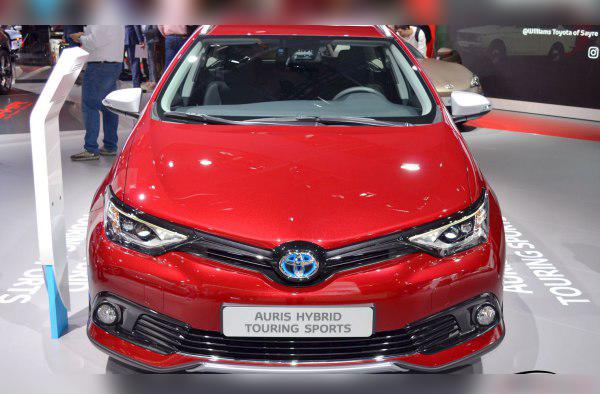

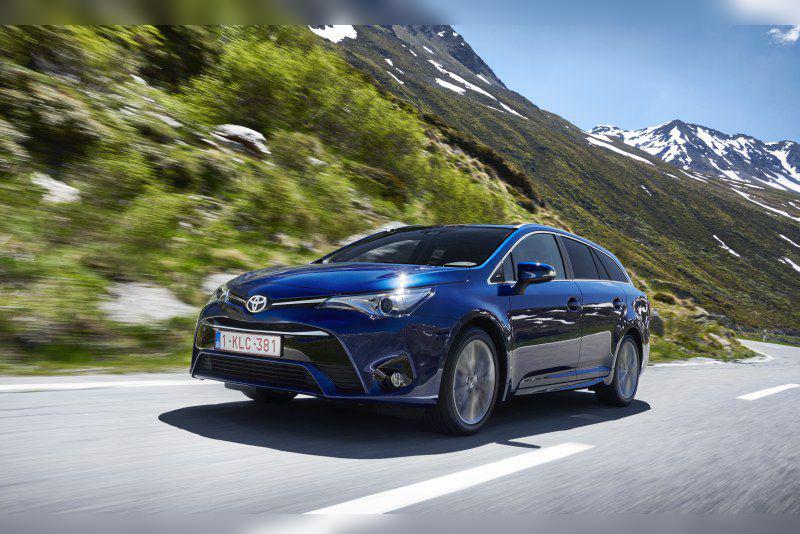
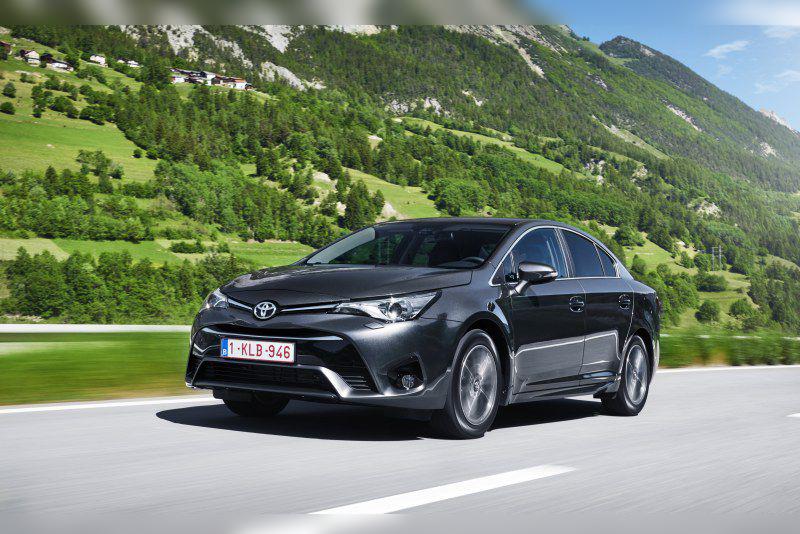
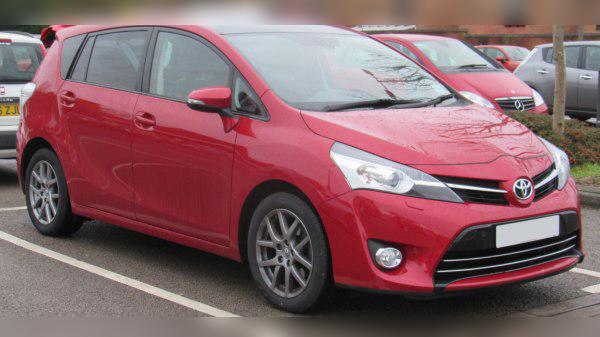
Toyota 1.6 D-4D (1WW): A BMW Heart in a Japanese Body – Experiences, Problems, Fuel Consumption and Buying Used
Key points (TL;DR)
- Origin: This is not a Toyota engine. The 1WW is actually BMW’s N47 engine, installed in Toyotas based on cooperation between the two brands.
- Timing drive: The engine uses a timing chain. Although the later versions of the N47 engine (used by Toyota) are more reliable, the chain is located at the rear of the engine, which makes replacement expensive if it becomes necessary.
- Emissions: Equipped with DPF and EGR systems adapted to Euro 6 standards – sensitive to frequent short city driving.
- Fuel consumption: Extremely economical unit, ideal for highway and open-road driving.
- Maintenance: Parts are more expensive than for older Toyota diesels (1.4 or 2.0 D-4D) because most components are of BMW origin.
- Dual-mass flywheel: Yes, it has one, and it is considered a wear item.
- Recommendation: An excellent choice for drivers who cover a lot of kilometers on open roads, but it requires strict maintenance (oil changes at a maximum of 15,000 km).
Contents
- Introduction and engine origin
- Technical specifications
- Reliability and maintenance
- Specific parts (Costs)
- Fuel consumption and performance
- Additional options and modifications
- Gearbox and drivetrain
- Buying used and conclusion
Introduction and engine origin
When you open the hood of a Toyota Avensis or Auris from after 2014/2015 with the 1.6 D-4D badge, you’re not looking at Japanese engineering, but Bavarian. The engine code 1WW is Toyota’s designation for the well-known BMW N47 diesel engine with reduced displacement. Toyota made this move because it was not cost-effective for them to develop their own small diesel engine that would meet the strict Euro 6 standards for the European market.
This is important to know because it changes the maintenance approach. This is not that old “fill it up and drive” Toyota diesel from 2005, but a sophisticated machine that requires quality oil and regular attention, but in return offers excellent refinement and low fuel consumption. It was installed in popular family models such as the Verso, Avensis and Auris.
Technical specifications
| Specification | Data |
|---|---|
| Engine code | 1WW (Toyota) / N47C16 (BMW base) |
| Displacement | 1598 cc |
| Power | 82 kW (112 hp) at 4000 rpm |
| Torque | 270 Nm at 1750–2250 rpm |
| Number of cylinders / valves | 4 / 16 |
| Injection type | Common Rail (Direct) |
| Charging | Variable-geometry turbocharger + intercooler |
| Camshaft drive | Chain |
Reliability and maintenance
Does this engine have a timing belt or a chain?
The engine uses a timing chain. This is the most controversial point of this engine. BMW’s N47 engine is notorious for timing chain failures. However, the 1WW version installed in Toyotas from 2014/2015 onward is revised, and problems are much less common than on BMW models from 2007–2011. Still, the chain is not eternal. The problem is that the chain is located at the rear of the engine (towards the cabin/gearbox). If it needs to be replaced (due to stretching and rattling), the engine has to be removed from the car, which makes the labor cost very high (often more expensive than the parts themselves).
What are the most common failures on this engine?
In addition to the potential chain issue (it can sound like metallic rattling or scraping on cold start), drivers report problems with the EGR cooler, which can crack and lose coolant. Also, the exhaust gas pressure sensor electronics can cause issues, turning on the check engine light. The crankshaft pulley (damper) is another point to check at around 150,000 km, because the rubber in it deteriorates and causes vibrations.
At what mileage is the major service due?
Since the engine has a chain, a classic “major service” (timing belt replacement) does not exist at a fixed interval. The chain is replaced as needed, i.e. when it becomes noisy. However, it is recommended to check and replace the auxiliary (serpentine) belt, tensioners and water pump at around 120,000 to 150,000 km. If you want peace of mind, an inspection of the chain condition is recommended at around 200,000 km.
How many liters of oil does this engine take and which grade is recommended?
The sump holds about 5.2 liters of engine oil. It is mandatory to use 5W-30 oil that meets the ACEA C3 (Low SAPS) standard because of the DPF filter. Toyota has its own branded oil, but any quality oil with BMW Longlife-04 specification will be suitable. Do the minor service strictly every 10,000 to 15,000 km or once a year. Extended intervals of 30,000 km are fatal for this engine’s chain.
Does it consume oil between services?
In general, 1WW engines do not consume much oil if they are in good condition. Consumption of up to 0.5 liters per 10,000 km is considered completely acceptable and normal. If it consumes more, first suspect the turbocharger or the PCV valve (breather), and only then the piston rings.
Specific parts (Costs)
Does the engine have a dual-mass flywheel?
Yes, this engine is paired with a dual-mass flywheel. Considering the 270 Nm of torque and the vehicle weight (especially Avensis and Verso), the flywheel is under significant load. Failure symptoms include knocking when starting/stopping the engine and vibrations in the clutch pedal. The cost of replacing the clutch kit with the flywheel falls into the “expensive” category (often between 600 and 900 EUR, depending on the parts manufacturer such as LuK or Sachs).
What type of injection system does it use and are the injectors problematic?
It uses a Bosch Common Rail system with solenoid injectors. This is good news because solenoid injectors are cheaper to refurbish than piezo injectors. They are not known to be particularly problematic, provided that quality fuel is used.
Does the engine have a turbocharger and what is its lifespan?
It has a single variable-geometry turbocharger (VGT). The turbo is generally durable and, with regular oil changes and proper cooldown after fast driving, can last over 250,000 km. Failure symptoms include whistling (like an ambulance siren) or a sudden loss of power (safe mode).
Does it have a DPF filter or an EGR valve that often clogs?
As a Euro 6 engine, it has both a DPF and a sophisticated EGR system. The EGR valve is prone to clogging with soot if the car is driven exclusively in the city (“stop-and-go” driving). The DPF filter can also cause problems in such conditions because it does not get the chance to regenerate properly. For drivers who spend 90% of their time in the city, this engine is not the best choice – a petrol or hybrid is a better option.
Fuel consumption and performance
What is the real fuel consumption in city driving?
Depending on the model’s weight (Auris is lighter, Verso and Avensis are heavier):
- City: 6.0 to 7.5 l/100 km. The Start&Stop system helps reduce consumption, but the heavy body in traffic jams takes its toll.
- Combined: Expect around 5.5 to 6.0 l/100 km on average.
Is this engine “sluggish” for the weight of the car?
For the Auris, the engine is perfectly adequate and feels lively. For the Avensis and Verso (especially fully loaded with 7 seats), 112 hp is the lower limit of acceptable. It’s not a “racer”. You need to rev the engine a bit more when overtaking. However, thanks to the 270 Nm of torque available low down, the driving feel is better than the numbers suggest. It is not sluggish for normal family driving, but don’t expect sporty performance.
How does the engine behave on the highway?
This is the engine’s natural habitat. At 130 km/h in sixth gear, the engine runs at a comfortable 2200–2400 rpm (depending on the model and tire size). It is very quiet and refined. Highway fuel consumption is around 5.0 to 5.5 l/100 km, which makes it an excellent cruiser.
Additional options and modifications
Is this engine suitable for LPG conversion?
No. This is a diesel engine; LPG conversion is neither economically viable nor a standard technical procedure for passenger cars of this type.
How far can this engine be safely tuned (Stage 1)?
BMW engines are known to respond well to remapping. A Stage 1 remap can safely raise the power to about 140–150 hp and torque to around 320 Nm. This significantly improves driving characteristics, especially in the heavier Avensis. However, keep in mind that the increased power puts additional stress on the clutch, flywheel and chain. Do this only at reputable tuning shops.
Gearbox
Which manual and automatic gearboxes are used?
With the 1.6 D-4D (1WW) engine, Toyota almost exclusively supplied a 6-speed manual gearbox. Automatic gearboxes were reserved for more powerful 2.0 diesel engines or petrols (CVT). The manual gearbox is precise and well geared.
What are the most common gearbox issues?
The gearbox itself (gears, synchros) is very robust and rarely fails. Problems are mostly related to peripheral components: the gear cables can seize (making it hard to engage gears), or the aforementioned dual-mass flywheel whose vibrations can damage the gearbox if it is not replaced in time.
At what mileage should the gearbox be serviced and the oil changed?
Although manufacturers often say “fill for life”, experienced mechanics recommend changing the oil in the manual gearbox every 80,000 to 100,000 km. This is not an expensive job (it takes about 2–2.5 liters of 75W-90 or similar oil), and it significantly extends the life of the gearbox bearings and makes shifting easier in winter.
Buying used and conclusion
When buying a used Toyota with this engine, the key thing is a cold start. Ask the seller to keep the engine completely cold.
1. Open the hood and listen to the engine during the first 3–5 seconds after starting. Any rattling, scraping or chain noise from the rear of the engine is a red flag and a potential cost of 1000+ EUR.
2. Check the exhaust – it should be clean (greyish), without black soot, which indicates that the DPF filter is healthy and still in place.
3. Pay attention to vibrations at idle – if the steering wheel or seats are shaking, the engine mounts or flywheel are nearing the end of their life.
Verdict: The Toyota 1.6 D-4D (1WW) is an excellent “marriage of convenience”. You get Toyota’s build quality of the body and interior, combined with BMW’s efficiency and performance. The engine is great for those who drive a lot on open roads. For exclusively city driving, a hybrid Auris/Verso is a better choice. Maintenance is more expensive than on old Toyotas, but if you find a car with a proper service history (especially frequent oil changes), this engine will faithfully serve you for hundreds of thousands of kilometers.
Was this content useful to you?
Your opinion helps us to improve the quality of the content.