CBTA, CBUA Engine
- Engine
- 2480 cm3
- Aspiration
- Naturally aspirated engine
- Fuel
- Petrol (Gasoline)
- Fuel injection system
- Multi-port manifold injection
- Power
- 170 hp @ 5700 rpm
- Torque
- 240 Nm @ 4250 rpm
- Cylinders
- 5
- Valves
- 20, 4 per cylinder
- Cylinders position
- Inline
- Valvetrain
- DOHC
- Oil capacity
- 5.5 l
- Coolant
- 9.5 l
# Vehicles powered by this engine

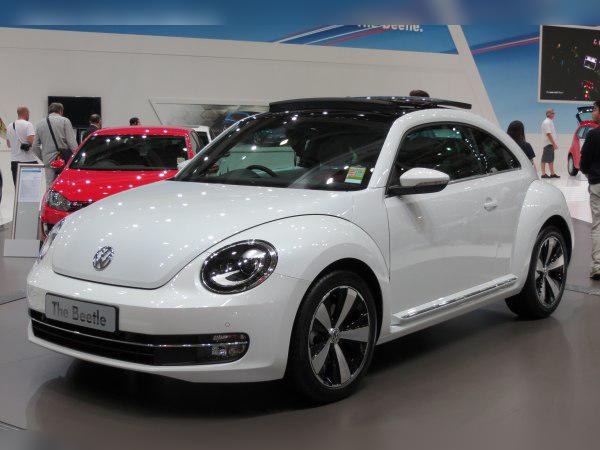
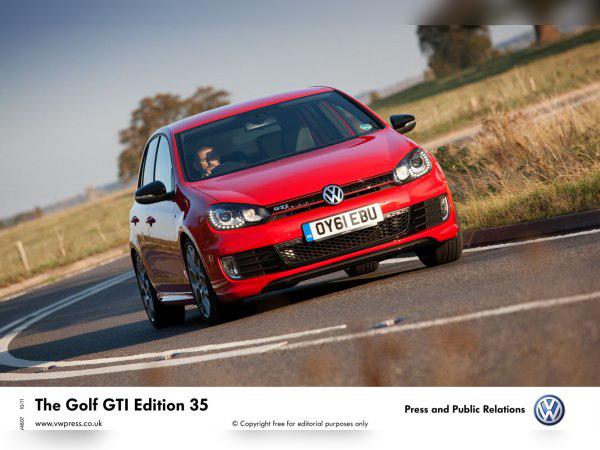
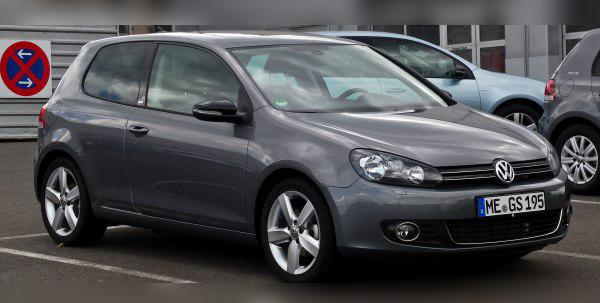
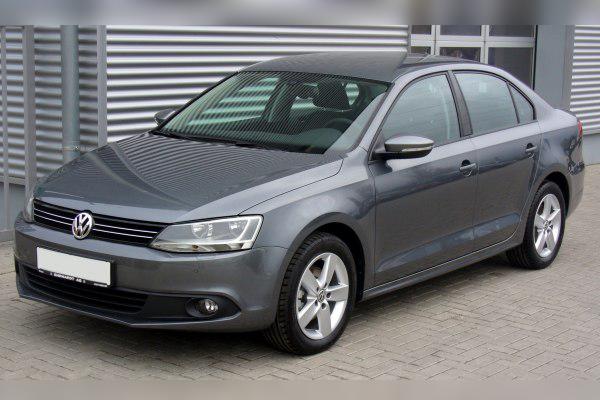
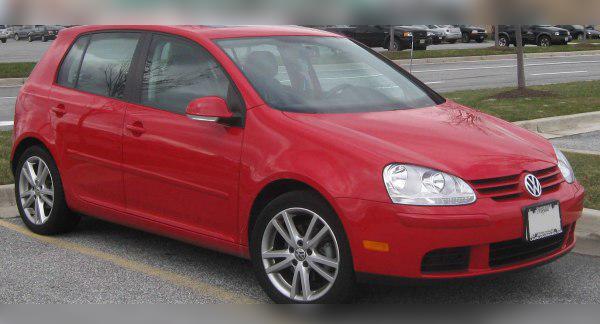
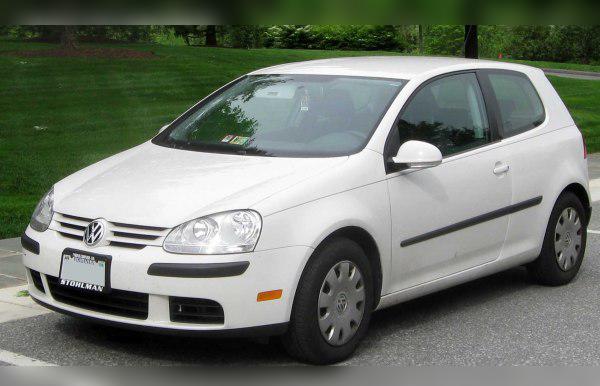
VW 2.5 R5 (CBTA, CBUA) – Experiences, problems, fuel consumption and maintenance of the unique “five‑cylinder”
In short (TL;DR)
- Sound and character: The 5‑cylinder engine offers a fantastic, throaty sound (like half a V10) and linear power delivery.
- Reliability: Considered one of the most reliable modern VW petrol engines. No turbo, no direct injection.
- Timing: Uses a timing chain that is quite durable, but not immune to stretching at high mileage.
- Fuel consumption: Not economical. Expect double‑digit consumption in city driving.
- LPG: An ideal candidate for LPG conversion thanks to its port (indirect) injection.
- Transmission: Often comes with a conventional automatic (Aisin), not a DSG, which many see as an advantage.
- Main downside: Oil leaks at the vacuum pump and issues with the PCV valve (membrane).
Contents
Introduction: The American dream in a European package
When you open the hood of a VW Golf VI or Jetta and find a 2.5‑liter 5‑cylinder engine inside, you know you’re looking at a model that was primarily intended for the North American market (USA and Canada). These engines, with the codes CBTA and CBUA, are an evolution of the older 150 hp versions, now boosted to 170 hp.
This is not a typical European “downsized” engine. This is “old school” – large displacement, no turbo, port injection. Many mechanics call it “indestructible” compared to the more delicate TSI engines from the same period. Although rare in Europe, it is often imported and drivers appreciate it for its distinctive sound and straightforward maintenance.
Technical specifications
| Parameter | Value |
|---|---|
| Displacement | 2480 cc (2.5 L) |
| Configuration | Inline, 5 cylinders (R5) |
| Power | 125 kW (170 hp) @ 5700 rpm |
| Torque | 240 Nm @ 4250 rpm |
| Engine codes | CBTA, CBUA |
| Injection type | MPI (Multi‑Point Injection) – Port injection |
| Induction | Naturally aspirated – No turbo |
| Valves | 20 valves (4 per cylinder), DOHC |
Reliability, maintenance and servicing
Timing system: Chain or belt?
The 2.5 R5 engine uses a timing chain (actually two chains). The chain is located on the gearbox side (rear of the engine), which complicates replacement if needed. Fortunately, the system is very robust. Unlike the notorious TSI chains from that era, the chain on the 2.5 engines rarely snaps. However, after more than 250,000 km it can stretch. Symptoms include rattling on cold start or a camshaft/crankshaft correlation error.
Most common failures
Although mechanically it’s a “tank”, the peripheral components can cause issues:
- PCV valve (oil separator): The most common problem. It is integrated into the valve cover. When the membrane tears, the engine idles roughly (shudders), the “Check Engine” light comes on, and you hear a characteristic whistling noise. Unfortunately, the solution is often to replace the entire valve cover.
- Vacuum pump: It often leaks oil or loses efficiency, which makes braking harder (stiff pedal). Oil leaking from this part can make a big mess on the gearbox below.
- MAP sensor: Can get dirty or fail, causing poor throttle response.
- Ignition coils: As with any petrol engine, individual coils can fail, causing the engine to run on 4 cylinders.
Service intervals and oil
Minor service: Recommended every 10,000 to 12,000 km or once a year. Do not use LongLife intervals of 30,000 km on this engine if you want it to last.
Oil quantity and grade: The engine takes about 6.0 liters of oil (a fairly large amount, which helps cooling). The recommended grade is 5W‑40 or 5W‑30 that meets the VW 502 00 specification.
Oil consumption
These engines are generally not known for high oil consumption if the piston rings are in good condition. Consumption up to 0.5 liters per 10,000 km is acceptable. If it uses more, first check for leaks at the vacuum pump or oil filter housing before suspecting internal engine wear.
Spark plugs
Since this is a petrol engine, spark plugs are crucial. Replacement is recommended every 60,000 km (for standard plugs) or up to 90,000 km for iridium/platinum, although more frequent replacement is always better for the coils.
Specific parts and costs
Dual‑mass flywheel
The answer here depends on the gearbox. Manual gearboxes usually have a dual‑mass flywheel, which serves to dampen the vibrations of the five‑cylinder. Automatic gearboxes (much more common with this engine) do not have a dual‑mass flywheel, but a classic torque converter, which is one less thing to worry about.
Fuel injection system
Good news! The engine uses an MPI (Multi‑Point Injection) system. Fuel is injected into the intake manifold, not directly into the cylinder. This means that injectors are not problematic, they are cheap to clean or replace, and there are no carbon build‑up issues on the intake valves like on TSI/FSI engines.
Turbo, DPF, EGR, AdBlue
- Turbo: NONE. This is a naturally aspirated engine. No expensive turbocharger, intercooler, or boost hoses that can burst.
- DPF filter: NONE (this is a petrol engine).
- AdBlue: NONE.
- EGR valve: An exhaust gas recirculation system exists, but it rarely clogs because petrol burns cleaner than diesel. However, CBTA/CBUA engines often have a secondary air injection system to reduce emissions on cold start, and its pump can sometimes fail.
Fuel consumption and performance
Real‑world fuel consumption
This is where we come to the biggest “downside” of this engine. Five cylinders and 2.5 liters of displacement need fuel.
- City driving: Expect 11 to 13 l/100 km. In heavy traffic and winter, this can easily go up to 15 l/100 km.
- Highway: It can drop to about 7.5 to 8.5 l/100 km with moderate driving.
- Average: A realistic mixed average is around 10 l/100 km.
Is the engine “lazy”?
Absolutely not, but it feels different from a turbo engine. With 240 Nm of torque, it pulls strongly from low revs, but in a linear way. There is no “kick in the back” like with TDI or TSI engines, just steady acceleration. For a Golf or Jetta body, this is more than enough power for overtaking and dynamic driving.
Highway driving
This is the natural habitat of this engine. It cruises effortlessly. At 130 km/h, revs are usually around 2,600–3,000 rpm (depending on whether it’s a 6‑speed automatic or a 5‑speed manual). The engine is quiet at that point, and when you step on the gas you hear that beautiful five‑cylinder sound.
Additional options and modifications
LPG conversion
YES, and highly recommended! Thanks to the MPI injection system, this engine is ideal for LPG conversion. You don’t need expensive systems for direct injection. A standard sequential LPG system works perfectly, drastically cuts running costs, and the engine handles LPG well (with regular valve and spark plug maintenance). The tank is usually fitted in the spare wheel well.
Remapping (Stage 1)
Since this is a naturally aspirated engine, you don’t gain much power from a remap. A realistic increase is about 10 to 15 hp and slightly better throttle response. However, software tuning is often done to remove the factory throttle lag and improve automatic gearbox behavior, rather than for sheer power.
Gearbox
Which gearboxes are used?
- Manual (5‑speed): Solid and precise.
- Automatic (6‑speed – Tiptronic): This is the Aisin 09G gearbox. It’s a classic hydraulic automatic with a torque converter. Not as fast as DSG, but very smooth.
Gearbox failures and maintenance
Manual: The biggest expense is a clutch kit. Replacement cost is moderate (not as expensive as on diesels), but if there is a dual‑mass flywheel, the price rises significantly (depends on the market, but consider it a mid‑to‑high‑cost repair).
Automatic (Aisin): Although VW often says the oil is “lifetime fill” (sealed for life), THIS IS NOT TRUE. The oil in the automatic must be changed every 60,000 km. If it isn’t, the valve body will fail. Symptoms are harsh shifts (especially from 1st to 2nd or when decelerating). Overhauling this gearbox is very expensive.
Buying used and conclusion
Before buying, be sure to check:
- Cold start: Listen to the chain. If it rattles for more than 2–3 seconds, the tensioners or chain are near the end of their life.
- Vacuum pump: Feel underneath the pump (right side of the engine when viewed from the front) – is it oily from fresh oil?
- Idle sound: If the engine whistles or idles unevenly, the PCV valve membrane has likely failed.
- Gearbox (automatic): It must shift smoothly, without jerks, both when cold and when hot.
Conclusion
The VW 2.5 R5 (170 hp) is a hidden gem for those who want VW quality but want to avoid complicated diesels and sensitive TSI petrol engines. It is extremely reliable, sounds powerful, and is cheaper to maintain because it has no turbo and no complex injectors.
Who is it for? For the driver who covers a moderate annual mileage (or plans an LPG conversion), enjoys engine sound and wants a car that will start every morning without fuss. It’s not for those who stare at the trip computer and count every deciliter of fuel.
Was this content useful to you?
Your opinion helps us to improve the quality of the content.