EA288 / CXFA, CXHA Engine
- Engine
- 1968 cm3
- Aspiration
- Turbocharger, Intercooler
- Fuel
- Diesel
- Fuel injection system
- Diesel Commonrail
- Power
- 150 hp
- Torque
- 340 Nm
- Cylinders
- 4
- Valves
- 16, 4 per cylinder
- Cylinders position
- Inline
- Valvetrain
- DOHC
- Oil capacity
- 7.4 l
- Systems
- Start & Stop System, Particulate filter
# Vehicles powered by this engine

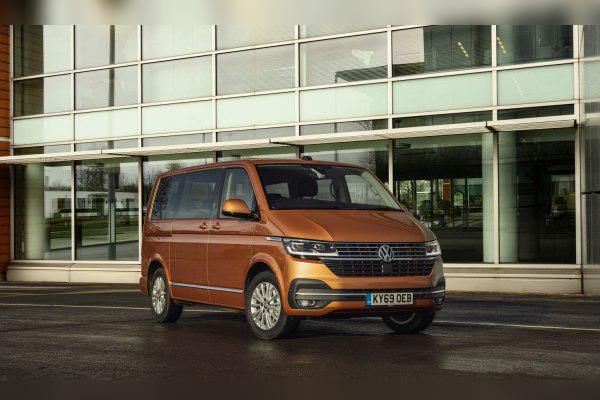

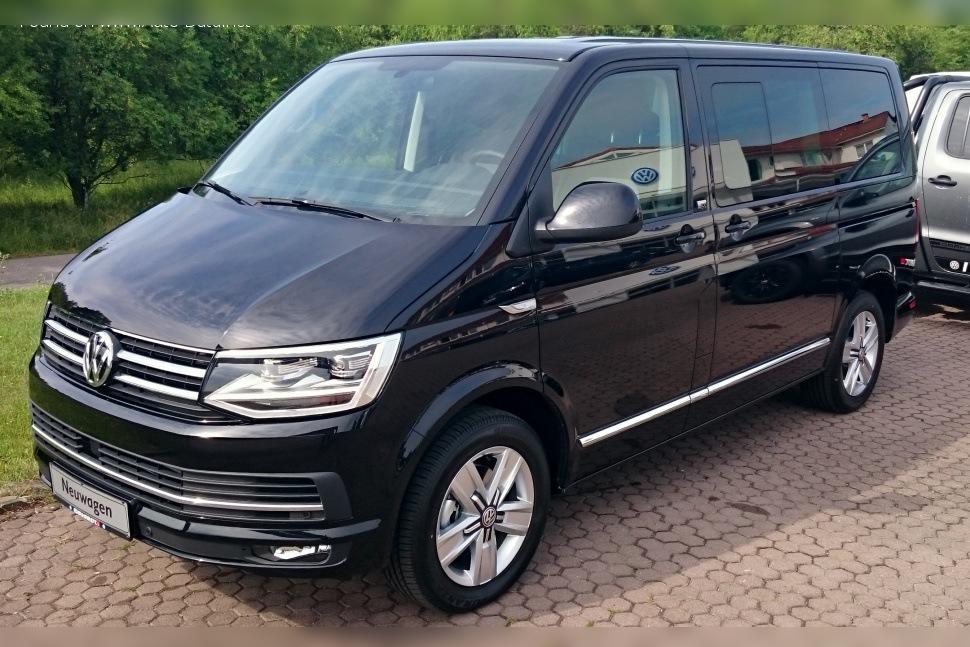
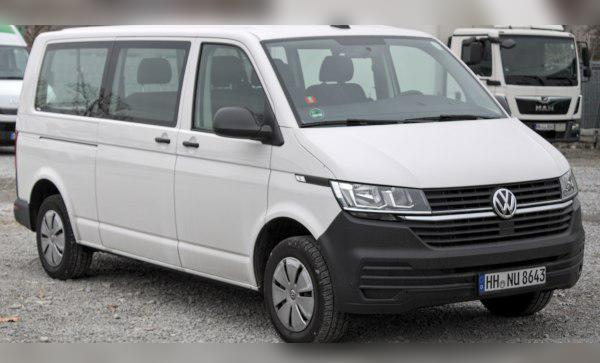
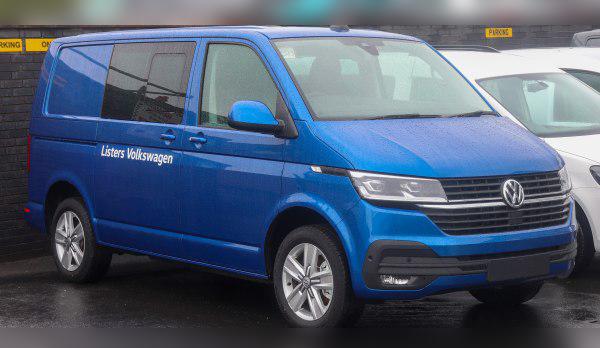
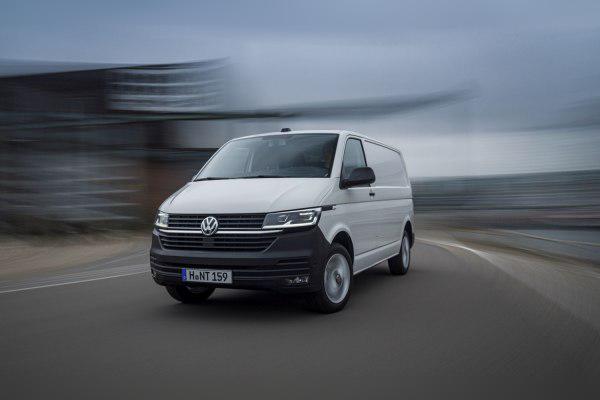
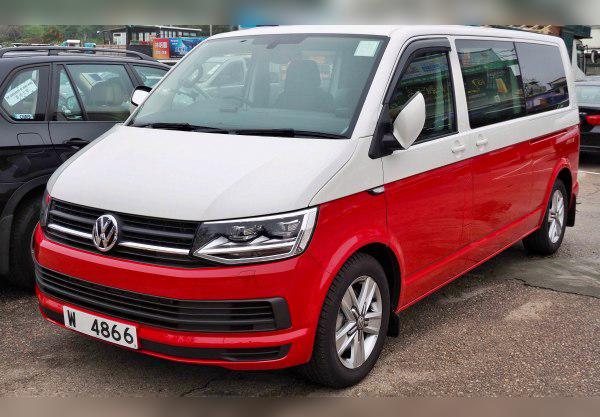

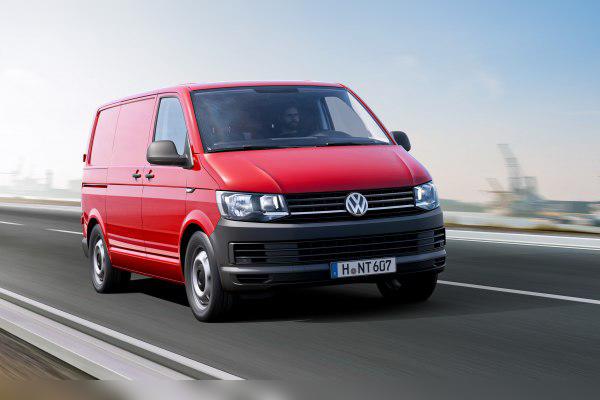
2.0 TDI (150 HP) EA288 in VW T6/T6.1: Experiences, problems, fuel consumption and used-buying guide
Key points (TL;DR)
- Sweet spot: The 150 HP version (CXFA/CXHA) is the best balance between power and reliability for the T6/T6.1 body.
- More reliable than BiTDI: Unlike the notorious BiTurbo engines (180/204 HP), this single-turbo engine is far more durable and cheaper to maintain.
- AdBlue system: The Achilles' heel of this model. Expect issues with sensors, heaters or the AdBlue pump.
- Major service: Although VW recommends longer intervals, replace the timing belt and water pump at a maximum of 150,000 km or 5 years.
- DSG gearbox: It uses the DQ500, one of the most robust gearboxes in the VW Group. It requires regular oil changes.
- Recommendation: An ideal choice for a family van or business vehicle that covers a lot of mileage.
Contents
Introduction: The engine that carries the whole range
When talking about the Volkswagen Transporter, Caravelle or Multivan of the T6 generation and the facelifted T6.1, the 150 horsepower engine is probably the most sensible choice you can make. It belongs to the EA288 family, but in a specific "Nutzfahrzeuge" (commercial) version. This means that although it shares its designation with the engine from the Golf or Passat, this unit has reinforced components, a different map and a significantly larger oil sump in order to withstand the torture of a heavy body and large loads.
The engine codes CXFA and CXHA are crucial. They denote Euro 6 compliance and come as successors to the legendary 2.0 TDI engines from the T5 generation. Unlike the weaker versions (84/102 HP), which struggle, and the stronger BiTDI versions (180/199/204 HP), which are known for catastrophic failures and oil consumption, the 150 HP variant offers peace of mind to the owner and perfectly adequate performance on the road.
Technical specifications
| Parameter | Value |
|---|---|
| Engine displacement | 1968 cc (2.0 l) |
| Power | 110 kW (150 HP) at 3250–3750 rpm |
| Torque | 340 Nm at 1500–3000 rpm |
| Engine codes | CXFA, CXHA |
| Injection type | Common Rail (direct injection) |
| Turbocharger | Single turbo with variable geometry (VTG) |
| Emission standard | Euro 6 (with AdBlue system) |
Reliability and maintenance
Timing belt or chain?
This engine uses a timing belt for the valvetrain. This is good news because the system is quieter and cheaper to replace compared to the complicated chains that caused problems on older generations of VW engines. The belt also drives the high-pressure fuel pump, while the oil pump is driven by a separate small belt in the sump (the so-called "oil in belt" technology on some EA288 versions, although this varies on commercial vehicles, but the main timing drive is a conventional dry belt).
Most common failures
Although robust, the engine is not without flaws. The most common issues include:
- Coolant leaks: The water pump and thermostat housing are plastic and prone to cracking or deforming, which leads to coolant loss.
- AdBlue system: This is a "weak spot" of all Euro 6 diesels, but it is particularly pronounced on the T6. Failures include the heater in the AdBlue tank, level sensors or urea crystallization that clogs the dosing nozzle. The symptom is a "Check Engine" light and a countdown of remaining kilometers until the engine can no longer be started.
- EGR cooler: Cracks can appear inside the EGR cooler, resulting in coolant loss that mixes with exhaust gases (white smoke).
- Auxiliary belt (serpentine belt) failure: If the serpentine belt tensioner is not replaced in time, the belt can slip off and get under the timing belt, which leads to catastrophic engine damage. Always check the tensioner.
Service intervals
Major service: The manufacturer often states an optimistic 210,000 km. In practice, this is too risky. The recommendation is to replace the timing kit (belt, tensioners, water pump) at 150,000 to 160,000 km or every 5 to 7 years, whichever comes first.
Minor service: Although there are "Long Life" intervals of 30,000 km, for a vehicle like this (heavy and often under load), change the oil every 10,000 to 15,000 km.
Oil: quantity and grade
This is an important point where the T6 differs from the Passat. The engine oil capacity is about 7.4 liters (the figure may vary slightly; always check the dipstick). This large amount of oil helps with better cooling and lubrication under load.
The recommended grade is strictly 5W-30 with the VW 507.00 specification. Using oil without this spec will destroy the DPF filter.
Oil consumption
Unlike older PD engines or the infamous BiTDI CFCA engine, this 150 HP engine should not consume a significant amount of oil. Consumption of 0.5 liters per 10,000 km is considered acceptable, especially if the vehicle is driven on the motorway at high speeds. Anything above that requires checking the turbo or piston rings, although this is not common before 300,000 km.
Injectors
The system uses Common Rail injection. The injectors are generally long-lasting and can easily exceed 250,000 km without issues, provided you use quality fuel. Symptoms of bad injectors are rough idle (cold start), increased fuel consumption and "clattering" of the engine under load. Refurbishment is possible, but the price of new ones (depending on the market) falls into the "expensive" category.
Specific parts (costs)
Dual-mass flywheel
Yes, this engine has a dual-mass flywheel, regardless of whether it is paired with a manual or DSG gearbox. In heavy vehicles such as the T6, the flywheel is under high stress. Symptoms of failure are a metallic noise (knocking) when switching off the engine, vibrations at idle that are transmitted to the seats, or rattling noises from the gearbox area. Typical lifespan is between 150,000 and 200,000 km, depending on driving style.
Turbocharger
The engine has a single turbocharger with variable geometry. This is a huge advantage over the BiTDI models with two turbos. A single turbo is simpler, cheaper to overhaul and more durable. With regular oil changes and proper cool-down after fast driving, the turbo will last as long as the engine.
DPF and EGR
A DPF filter is standard. On vehicles used exclusively in the city (delivery vans), the DPF can clog as early as 150,000 km. However, the T6 is often driven on open roads, where passive regeneration is successfully carried out. The EGR valve tends to accumulate soot, which leads to engine choking and the glow plug warning light coming on. Cleaning is possible, but replacement is often required.
AdBlue (SCR system)
CXFA/CXHA models use AdBlue. This is perhaps the most common cause of headaches for owners. The system is sensitive. The AdBlue pump is located in the tank and integrated with the heater. If the heater fails, the entire module has to be replaced, which is (very expensive). Advice: Do not allow the AdBlue level to drop to the minimum, as this puts extra strain on the pump, and use additives that prevent AdBlue crystallization.
Fuel consumption and performance
City driving
Let’s be realistic – you are driving a "brick" weighing over 2 tons. In city driving, real-world fuel consumption is between 9 and 11 l/100 km. If it has 4MOTION and you are stuck in traffic, count on up to 12 liters.
Is the engine "lazy"?
With 340 Nm of torque, the engine is not lazy, but it is not a sports car either. For normal driving, even with a van full of passengers, there is more than enough power for overtaking and climbing hills. The feeling of "heaviness" appears only when pulling away from a standstill if the vehicle is overloaded, but the DSG gearbox does an excellent job of masking the lack of torque at the very lowest revs.
Motorway and cruising
This is the T6’s natural habitat. At 130 km/h, the engine in 7th gear (DSG) runs at a relaxed 2,200–2,400 rpm. Fuel consumption on the motorway at 130 km/h is around 8.5 to 9.5 l/100 km. Aerodynamic drag plays a key role here – roof racks or a high roof drastically increase consumption.
Additional options and modifications
Chip tuning (Stage 1)
This engine responds very well to remapping. Since it is a "detuned" version (the hardware is very similar to the more powerful variants in passenger cars), a Stage 1 remap safely raises power to about 185–190 HP and torque to about 400–420 Nm.
This is highly recommended if you often drive a fully loaded van or tow a trailer. The difference in in-gear acceleration is dramatic, and fuel consumption can even slightly decrease with normal driving. The gearbox and clutch can easily handle this power increase.
Gearbox: manual vs DSG
Gearbox options
This engine comes with either a 6-speed manual gearbox or a 7-speed DSG automatic gearbox.
Manual gearbox
Reliable, precise, typical VW. Failures of the gearbox itself are rare. The most common expense is the clutch kit and dual-mass flywheel. If the vehicle is driven mostly in the city, the clutch can wear out earlier. An oil change in the manual gearbox is recommended at 150,000 km, even though VW claims it is "lifetime".
DSG (DQ500)
Here we come to one of the strongest points of the T6 models. They are fitted with the DQ500 dual-clutch gearbox in an oil bath (wet clutch). This is the most durable DSG gearbox that VW produces for transverse engines. It is designed to handle huge torque (up to 600 Nm) and heavy vehicles.
DSG maintenance: The oil and filter in the DSG gearbox MUST be changed every 60,000 km. If this is followed, the gearbox can easily exceed 400,000 km without being opened.
DSG failures: If the oil is not changed, the Mechatronic unit (the "brain" of the gearbox) fails, and repairs fall into the "very expensive" category. Symptoms are jerking when setting off, delayed shifting or dropping into "N" while driving. Also, the dual-mass flywheel on the DSG can be heard as rattling at idle ("like someone shaking a bucket full of bolts").
Buying used and conclusion
Before buying, be sure to check the following:
- Cold start: Listen for chain noise (although it has a belt, the camshafts are linked by a chain that can stretch at high mileage) and whether the flywheel knocks while the engine is cold.
- AdBlue history: Use diagnostics to check whether there have been any faults related to the "Reductant system".
- Suspension condition: The T6 is heavy; control arm bushes, strut mounts and anti-roll bar links are wear items. Knocking over bumps is a sign that money will need to be spent.
- Sliding doors: Check whether they open/close easily. The mechanism and rollers wear out.
Final verdict
The 2.0 TDI 150 HP (EA288) engine in the T6/T6.1 is an absolute winner of the range. You avoid the catastrophic problems of the BiTDI engines and get enough power for comfortable driving. Combined with the DSG DQ500 gearbox, you probably get the best powertrain in the light commercial vehicle class. Maintenance is not cheap (nor is the van itself), but it is predictable and, with regular servicing, this vehicle can serve for years and hundreds of thousands of kilometers.
Was this content useful to you?
Your opinion helps us to improve the quality of the content.