EA189 / CFCA Engine
- Engine
- 1968 cm3
- Aspiration
- BiTurbo, Intercooler
- Fuel
- Diesel
- Fuel injection system
- Diesel Commonrail
- Power
- 180 hp @ 4000 rpm
- Torque
- 400 Nm
- Cylinders
- 4
- Valves
- 16, 4 per cylinder
- Cylinders position
- Inline
- Valvetrain
- DOHC
- Oil capacity
- 7 l
- Coolant
- 11 l
- Systems
- Particulate filter
# Vehicles powered by this engine
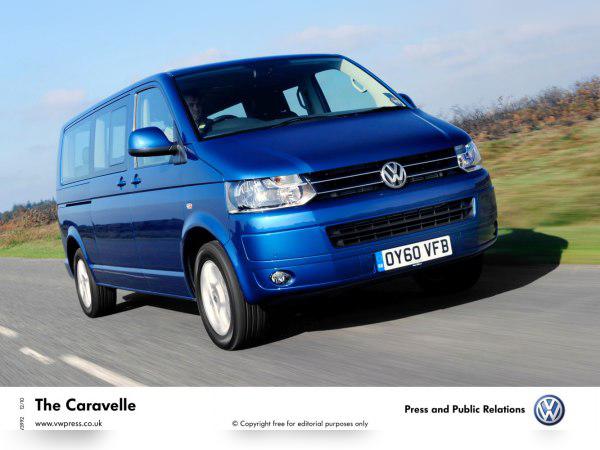
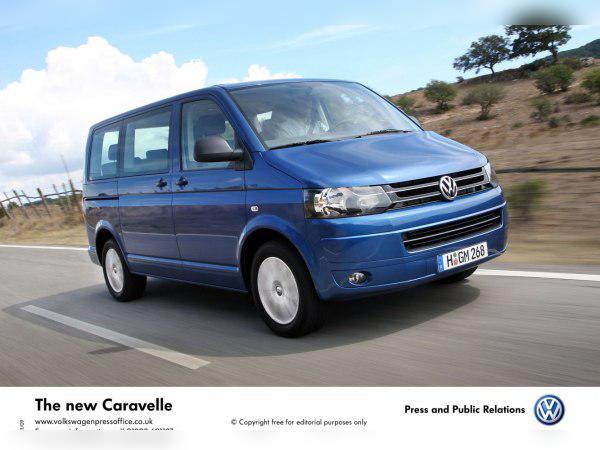
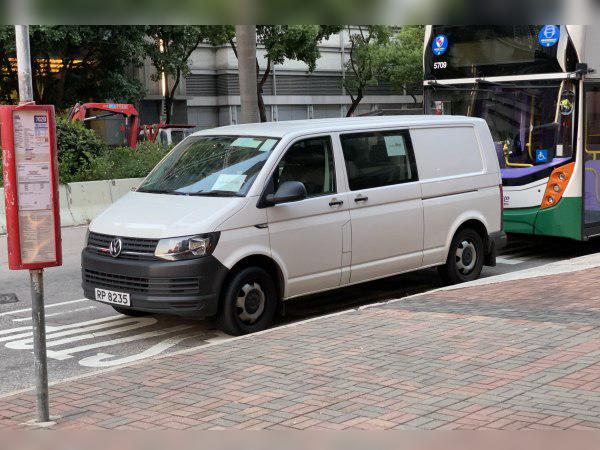
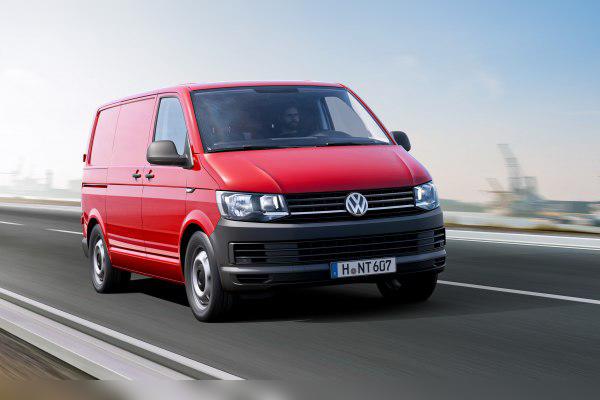
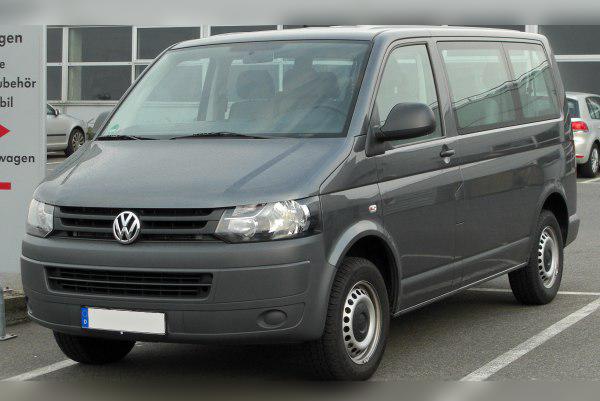
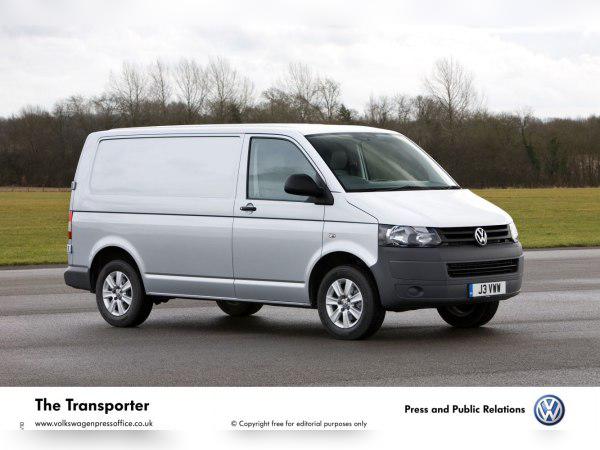
2.0 BiTDI (CFCA) 180 HP: Experiences, problems, fuel consumption and oil horror stories
Key points (TL;DR)
- Biggest issue: Catastrophic oil consumption caused by a factory defect in the EGR cooler (up to 2015). This is the “killer” of this engine.
- Performance: The BiTurbo system offers excellent torque (400 Nm) and linear acceleration, ideal for heavy bodies such as the Caravelle and Transporter.
- Gearbox: Comes with the excellent DQ500 DSG gearbox (wet clutch) or a 6-speed manual. DSG is highly recommended here.
- Drivetrain: Often paired with 4MOTION all-wheel drive, which makes it great for all terrains, but increases fuel consumption and maintenance costs.
- Costs: Maintenance is very expensive. Two turbochargers, a complex EGR system and a large oil capacity mean costly services.
- Verdict: Buy only if you have proof that the engine has already been replaced or that a revised EGR cooler (suffix D) has been installed. Otherwise, you risk a full engine rebuild costing thousands of euros.
Contents
- Introduction: Successor to the legendary five‑cylinder
- Technical specifications
- Reliability and maintenance (You must read this)
- Specific parts and costs
- Fuel consumption and performance
- Additional options and tuning
- Gearbox: DSG vs manual
- Buying used and conclusion
Introduction: Successor to the legendary five‑cylinder
The engine with the code CFCA (EA189 family) arrived with the facelift of the Volkswagen T5 in 2009 as a replacement for the beloved but rough 2.5 TDI engine. The goal was clear: smaller displacement, lower fuel consumption, and the same or higher power with the help of two turbochargers (BiTurbo). With 180 horsepower and 400 Nm of torque, this was the top of the range for the VW Transporter, Caravelle, Multivan and California models up until the arrival of the T6 (where the problem continued in the early series).
On paper, this is a perfect van engine. In practice, it has gained a reputation as one of the riskiest engines VW has ever made due to a specific EGR system issue that literally “eats” the engine from the inside.
Technical specifications
| Parameter | Value |
|---|---|
| Engine displacement | 1968 cc (2.0 litres) |
| Power | 132 kW (180 HP) |
| Torque | 400 Nm at 1500–2000 rpm |
| Engine code | CFCA (EA189 series) |
| Injection type | Common Rail (piezo injectors) |
| Charging system | BiTurbo (smaller turbo for low, larger for high revs) |
| Emission standard | Euro 5 (T5.1) / Euro 6 (early T6 versions) |
Reliability and maintenance
Does this engine have a timing belt or a chain?
The CFCA engine uses a timing belt. This is good news because the system is generally quieter and more reliable than the stretch‑prone chains on some other engines. Along with the timing belt, the water pump, tensioners and idler pulleys are replaced.
What are the most common failures on this engine? (Problem No. 1)
The biggest, most expensive and most common problem is the EGR cooler (exhaust gas recirculation cooler). On this engine, the aluminium fins inside the cooler corrode and disintegrate into fine dust (aluminium oxide). That dust is carried back into the intake manifold, enters the cylinders and acts like sandpaper.
Symptoms: The engine suddenly starts consuming oil, loses compression, and the cylinders (which do not have classic liners) are irreversibly damaged. Unfortunately, the solution is often only a replacement of the complete short block (block, pistons, crankshaft) along with mandatory installation of the revised EGR cooler (version with the letter “D” at the end of the part number).
At what mileage should the major service be done?
The factory recommendation is often optimistic (210,000 km for countries with “good” roads), but experienced mechanics and real‑world practice say otherwise. A major service is recommended at 120,000 to 150,000 km or at a maximum age of 5–6 years. A snapped belt leads to catastrophic engine damage.
How many litres of oil does this engine take and which grade is recommended?
Due to its purpose (commercial vehicles) and two turbochargers, the sump is large. The engine takes about 7.0 to 7.5 litres of oil (check precisely by VIN, as there are variations on 4MOTION models). Only fully synthetic 5W-30 with specification VW 507.00 is recommended.
Does it consume oil between services?
This is the crucial question. Normal consumption is up to 0.5 litres per 10,000 km. However, on CFCA engines affected by the EGR issue, consumption can go up to 1.5 to 2 litres per 1,000 km! If the seller tells you “I top it up a bit, that’s normal for VW”, be extremely careful. Increased oil consumption on this engine is almost always a sign that the cylinders are already damaged.
How long do the injectors last and how reliable are they?
The system uses Common Rail injection with piezo injectors. They have proven durable and can last over 250,000 km with good‑quality fuel. However, they are sensitive to poor diesel. Overhauling piezo injectors is complicated and often impossible, so they are usually replaced with new or factory‑refurbished units, which (depending on the market) is very expensive – expect hundreds of euros per piece.
Specific parts (Costs)
Does the engine have a dual‑mass flywheel?
Yes. Regardless of whether it is a manual gearbox or DSG, a dual‑mass flywheel is fitted. Given the 400 Nm of torque and the vehicle’s weight, the flywheel is under heavy load. A knocking sound when switching off the engine or rattling at idle are signs that it needs urgent replacement.
Does this engine have a turbocharger (or two) and what is their lifespan like?
It has two turbochargers (BiTurbo). The smaller turbo works at lower revs for quicker response, and the larger one takes over at higher revs. This system is complex. If one turbo fails (often the smaller one, due to high temperatures), parts can enter the engine or damage the other turbo. Overhauling a BiTurbo system is significantly more expensive than overhauling a single turbo.
Does this model have a DPF filter or an EGR valve that often clogs up?
It has both. The DPF filter is standard. The problem arises when the engine starts burning oil – burnt oil clogs the DPF at lightning speed. Frequent DPF cleaning or frequent regenerations are an indirect sign that the engine is consuming oil. We already mentioned the EGR valve – it is the Achilles’ heel of this engine, not so much because of clogging, but because of the cooler disintegrating.
Does this engine have AdBlue?
It depends on the model year and version:
- T5 Facelift (2009–2015): Most do not have AdBlue and meet Euro 5 standards with just a DPF.
- T6 (2015+): These models mostly have an AdBlue (SCR) system to meet Euro 6 standards. The system can be problematic (heater in the AdBlue tank, dosing injector). Repairs are expensive.
Fuel consumption and performance
What is the real‑world fuel consumption in city driving?
Don’t expect miracles. This is a vehicle weighing over 2 tonnes, with the aerodynamics of a brick.
City driving: 10 to 13 l/100 km (depending on how heavy your right foot is, DSG gearbox and 4MOTION drivetrain).
In winter and on short trips, consumption easily goes above 13 l/100 km.
Is this engine “lazy” for such a heavy body?
Absolutely not. This is the most powerful diesel offered for these generations. With 400 Nm available from low revs, the van pulls surprisingly well, even when loaded. Overtaking is safe and the engine does not struggle even on steep climbs.
How does the engine behave on the motorway and at what revs does it cruise at 130 km/h?
This is its natural habitat. Thanks to the 7th gear (on DSG) or long 6th gear (on the manual), at 130 km/h the engine spins at a comfortable 2,200–2,400 rpm (depending on the final drive ratio).
Fuel consumption on the open road: 8 to 9.5 l/100 km at 130 km/h. If you drive at 90–100 km/h, it is possible to get down to around 7.5 litres.
Additional options and modifications
How far can this engine be safely “chipped” (Stage 1)?
Theoretically, this engine can be raised to 205–210 HP and 450 Nm.
Editor’s recommendation: DO NOT DO IT. The CFCA engine already operates under high thermal stress (especially the cylinder head and the small turbo). Increasing power drastically raises the risk of overheating, cracked heads and accelerated turbo failure. If 180 HP is not enough for you in a van, you are probably driving the wrong type of vehicle.
Gearbox
Which gearboxes are fitted?
- Manual: 6‑speed. Precise, robust.
- Automatic: 7‑speed DSG (code DQ500). This is the “heavy duty” version of the DSG with a wet clutch, designed to handle up to 600 Nm.
What are the most common failures?
Manual: Dual‑mass flywheel and clutch kit. The gearbox itself is rarely a problem.
DSG (DQ500): Considered one of VW’s best gearboxes. Still, the mechatronics unit (the gearbox brain) can fail, which is an expensive repair (1000+ EUR). Also, clutch pack wear is normal at high mileage.
At what mileage does the gearbox need servicing?
On the DSG DQ500, changing the oil and filter is MANDATORY every 60,000 km. Skipping this service is a sure way to destroy the mechatronics.
Buying used and conclusion
Buying a VW T5/T6 with this engine is a minefield. If you are looking at a used one, you must check the following:
- EGR service history: Ask for proof that the EGR cooler has been replaced with version D (part number ending in 512D). If the original factory version is still fitted, the engine is probably already “on its way out”.
- Oil consumption: Ask the owner directly. Look at the exhaust – is it black and oily?
- Engine production/replacement date: If the engine was replaced under warranty after 2016, that’s the jackpot. Those engines have the issues resolved.
Conclusion
The 2.0 BiTDI 180 HP is an engine with fantastic performance that turns driving a van into a pleasure. However, the risk of a fatal failure due to the EGR cooler problem is too great to ignore. This engine is intended for buyers who either have deep pockets for maintenance, or those who can find a vehicle with an already replaced engine/EGR system of the newer generation. For the average buyer looking for reliability, the weaker 2.0 TDI (140 HP / 103 kW) with a single turbo is a far safer and more cost‑effective option.
Was this content useful to you?
Your opinion helps us to improve the quality of the content.