CPBA Engine
- Engine
- 999 cm3
- Aspiration
- Naturally aspirated engine
- Fuel
- Petrol (Gasoline)
- Fuel injection system
- Multi-port manifold injection
- Power
- 72 hp @ 5250 rpm
- Torque
- 95 Nm @ 3850 rpm
- Cylinders
- 4
- Valves
- 16, 4 per cylinder
- Cylinders position
- Inline
- Oil capacity
- 3.3 l
# Vehicles powered by this engine
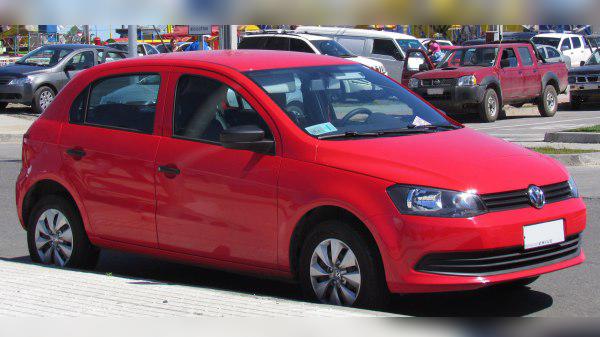
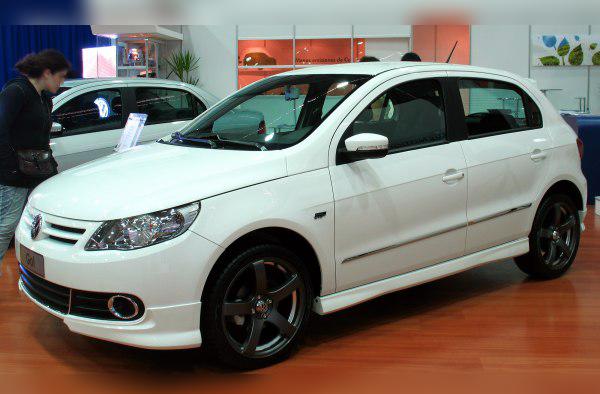
VW 1.0 CPBA (72 HP) Experiences, Problems, Fuel Consumption and Maintenance
Key points in short (TL;DR)
- Extremely simple design: Naturally aspirated petrol engine without turbo, dual-mass flywheel or complex emission systems.
- Ideal city engine: Works well in city driving, but seriously lacks power on open roads.
- Cheap to maintain: Parts are available and prices are generally affordable (depends on the market).
- Total Flex advantage: Since it is designed to run on ethanol as well, it has reinforced components, which makes it perfect for LPG conversion.
- Ignition coils and electronics: The most common issues are related to the ignition system and oil leaks on gaskets.
- Gearbox: The manual is excellent, the robotized one (I-Motion) should be avoided due to unpleasant driving characteristics and frequent failures.
- Recommendation: An excellent choice for beginner drivers or as a second car in the family for pure city use.
Contents
Introduction and application
The engine with the code CPBA belongs to the generation of VW engines designed to be “workhorses” in developing countries and markets where simplicity is valued over performance. Installed primarily in the Volkswagen Gol (G5), this 1.0-liter unit is the essence of basic transportation. It is not a sophisticated TSI engine you see in modern Golfs, but a proven, old-school naturally aspirated petrol engine that tolerates lower-quality fuel and irregular maintenance better than its modern relatives.
The “Total Flex” designation suggests its origin (often the Brazilian market), where a mixture of ethanol and petrol is used, which for us in Europe means one important thing – the engine is factory “toughened” in the cylinder head and valve area.
Technical specifications
| Specification | Data |
|---|---|
| Displacement | 999 cc (1.0 L) |
| Power | 53 kW / 72 HP (on petrol) |
| Torque | 95 Nm |
| Engine code | CPBA |
| Injection type | MPI (Multi-point indirect injection) |
| Aspiration | Naturally aspirated (no turbo) |
| Number of cylinders / valves | 4 cylinders / 8 valves (SOHC) |
Reliability and maintenance
When we talk about the CPBA engine, we are talking about simplicity. The main question most buyers have is about the timing system. This engine uses a timing belt to drive the camshaft. Although some drivers prefer a chain, on this engine the belt is a good solution because replacement is relatively cheap and simple. The major service (replacement of the timing kit and water pump) is recommended every 60,000 to 90,000 km, or every 5 years, whichever comes first. Do not wait for the factory interval of 120,000 km, because a broken belt leads to catastrophic engine damage (piston-to-valve contact).
Most common failures
Although robust, the CPBA is not immune to problems. The most common issue involves the ignition coils and spark plug wires. Symptoms include rough idle, jerking under acceleration and the “Check Engine” light coming on. There are also frequent issues with the thermostat housing, which is plastic and eventually cracks, causing coolant leaks. Pay attention as well to the PCV valve (oil vapor separator); if it clogs, the engine will start to “blow” through the dipstick and push oil out through the seals.
Oil and spark plugs
The oil pan holds about 3.3 to 3.5 liters of oil. The recommended grade is 5W-40 (VW 502.00 standard). As for oil consumption, these engines are known to use up to 0.5 liters per 1,000 km if driven hard on the motorway, but in normal city driving oil consumption should not be noticeable between services. If it uses more than that, valve stem seals are usually to blame.
Since this is a petrol engine, spark plugs should be replaced every 30,000 to 40,000 km. Always use quality spark plugs, because poor ignition directly destroys coils and the catalytic converter.
Specific parts (costs)
This is the section where the CPBA engine shines. It does not have a dual-mass flywheel; it uses a conventional solid flywheel which is practically lifetime. The clutch is standard and replacement is not expensive (depends on the market).
The injection system is classic MPI (port injection into the intake manifold). The injectors are extremely resistant to lower-quality fuel, cheap to clean and rarely fail before 200,000 km. Unlike direct injection (FSI/TSI), there are no issues with carbon buildup on the intake valves here.
The engine does not have a turbocharger, which means one (expensive) worry less. Also, as an older-design petrol engine, it does not have a DPF filter or AdBlue system. It only has a catalytic converter and lambda sensors. An EGR valve may be present depending on the market, but on petrol engines of this type it rarely clogs to the point of causing serious problems as it does on diesels.
Fuel consumption and performance
Do not be fooled by the small displacement – 1.0 engines have to be revved to move the car, which affects fuel consumption.
- City driving: Expect real-world consumption between 7.5 and 9 liters per 100 km. In heavy traffic, the small engine operates under high load.
- Performance: To be honest – the engine is “sluggish”. With 95 Nm of torque, every overtaking maneuver requires downshifting and high revs. If the car is fully loaded and the A/C is on, uphill sections become a challenge.
- Motorway: This is not the natural habitat of this engine. At 130 km/h the engine spins at a high 3,800 to 4,200 rpm (depending on the gearbox). That creates noise and raises fuel consumption to over 8 l/100 km. Cruising is comfortable up to about 110 km/h.
Additional options and modifications
Is it suitable for LPG? Absolutely YES. In fact, this is one of the best engines for LPG conversion. Due to its “Total Flex” nature (designed for ethanol), the valve seats and valves themselves are made of harder materials, so they handle the higher combustion temperatures of LPG very well. A regular sequential LPG system works perfectly.
As for chiptuning (Stage 1): Don’t waste your money. On a naturally aspirated engine of this displacement, a remap will give you maybe 2–3 HP, which is imperceptible in real driving. It is better to invest that money in quality tires or regular servicing.
Gearbox
This engine most commonly comes with a 5-speed manual gearbox (often from the MQ200 series). This is one of the best parts of the car – precise, light and very reliable. Failures are rare, and a clutch kit is inexpensive. An oil change in the gearbox is recommended at around 100,000 km, even though the manufacturer often claims it is “filled for life”.
Automatic gearbox: This is where you should be careful. With these engines, a robotized manual gearbox (ASG / I-Motion) was often offered. This is not a true automatic, but a manual gearbox operated by an actuator. Driving is “jerky” (there is a power interruption during shifts), and the actuators are prone to failures that are expensive to repair (depends on the market). If possible, choose the manual gearbox.
Buying used and conclusion
Before buying a car with the CPBA engine, pay attention to the following:
- Noise on cold start: If you hear loud knocking that does not disappear after a few seconds, there may be issues with the hydraulic lifters or pistons (wrist pins).
- Oil filler cap: Check if there is “mayonnaise” (white emulsion). These engines are often used on short trips, so condensation is common, but too much emulsion can indicate a head gasket problem.
- Test drive: Put it in third gear at low revs and floor the throttle. If the car hesitates or misfires, the coils or spark plug wires are probably due for replacement.
Conclusion: The VW 1.0 CPBA is an engine for a rational buyer. It is not fast, it is not quiet on the motorway, but it is cheap to maintain, tolerates various operating conditions and works great on LPG. It is ideal for city driving, delivery vehicles or as a first car for beginners. If you need a car for frequent long-distance trips, you should look for something more powerful (at least 1.4 or 1.6).
Was this content useful to you?
Your opinion helps us to improve the quality of the content.