CBFA Engine
- Engine
- 1984 cm3
- Aspiration
- Turbocharger, Intercooler
- Fuel
- Petrol (Gasoline)
- Fuel injection system
- Direct injection
- Power
- 200 hp @ 5100 rpm
- Torque
- 280 Nm @ 1800 rpm
- Cylinders
- 4
- Valves
- 16, 4 per cylinder
- Cylinders position
- Inline
- Valvetrain
- DOHC
- Oil capacity
- 4.7 l
# Vehicles powered by this engine
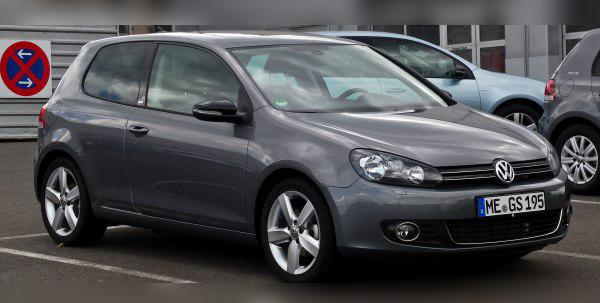
VW 2.0 TSI (CBFA) – Experiences, issues, fuel consumption and used-buying tips
Key points (TL;DR)
- Timing drive: Uses a chain. The problematic chain tensioner in early series can lead to complete engine failure.
- Oil consumption: Known for “liking to drink” oil, especially if the piston rings or the PCV (oil vapor separator) are worn.
- Water pump: The housing is plastic and often cracks, which causes coolant leaks.
- Performance: Excellent throttle response, a very elastic engine that gives the Golf a genuinely sporty character.
- Emissions (CBFA specificity): The CBFA version is a SULEV (Super Ultra Low Emissions Vehicle) variant, which means a more complex exhaust system and an additional secondary air pump (more parts to maintain).
- Recommendation: Buy only if the chain tensioner has been checked/replaced with the newer revision and if there is a documented service history for the DSG gearbox.
Contents
Introduction and applications
The CBFA engine belongs to the famous EA888 family (Gen 1/Gen 2) from the Volkswagen Group. This is the engine that defined the “hot hatch” class in the era when it was installed in the Golf VI GTI. Although very similar to the more common CCTA engine, CBFA is specific in that it was designed to meet stricter emissions standards (primarily for the US market, but it is often found on imported cars in Europe). The difference is that CBFA has three oxygen sensors (instead of two) and a secondary air system. It offers a fantastic balance between everyday drivability and sporty aggressiveness, but it comes with mechanical “baggage” that every owner needs to be aware of.
Technical specifications
| Parameter | Value |
|---|---|
| Engine displacement | 1984 cc (2.0 L) |
| Power | 147 kW (200 hp) |
| Torque | 280 Nm at 1700–5000 rpm |
| Engine code | CBFA (EA888 family) |
| Fuel injection system | TSI (Turbo Stratified Injection) – Direct injection |
| Induction | Turbocharger (BorgWarner K03) + intercooler |
| Engine block | Cast iron |
Reliability and maintenance
Timing system: chain or belt?
The CBFA engine uses a timing chain. This is probably the most critical point of this engine. Factory-installed chain tensioners on early models (up to around 2012/2013) are prone to failure. Symptoms include rattling on cold start (the infamous “death rattle”). If the tensioner lets go, the chain can jump, pistons hit the valves and the engine suffers catastrophic damage. The recommendation is a preventive replacement of the tensioner with the newer, revised version, even if there are no symptoms, usually around 100,000 km.
Oil consumption and service intervals
This engine takes approximately 4.6 to 4.7 liters of engine oil. Only fully synthetic oil of grade 5W-30 or 5W-40 that meets the VW 502 00 standard is recommended. Oil consumption is common. The PCV valve (oil vapor separator) often fails, which increases crankcase pressure and pushes oil out or into the intake. Also, worn piston rings can cause the engine to consume up to 1 liter per 2,000 km. Consumption of about 0.5 liters per 5,000 km is considered acceptable for this type of engine, but anything above that requires inspection.
Most common failures
Besides the chain and PCV valve, a frequent issue is the intake manifold. The runner flap system inside the manifold can get stuck or the flap position sensor fails, which triggers the “Check Engine” light (fault code P2015). Often the entire intake manifold has to be replaced. Also, ignition coils tend to fail suddenly, causing the engine to run on 3 cylinders.
Spark plugs and injectors
Since this is a turbocharged gasoline engine with direct injection, the spark plugs are under heavy thermal load. It is recommended to replace them every 60,000 km (or earlier, at 30,000 km, if the engine is tuned/chipped). Use only iridium or platinum plugs recommended by the manufacturer (NGK/Bosch).
Specific parts (costs)
Dual-mass flywheel
Yes, this engine comes with a dual-mass flywheel, regardless of whether it is paired with a manual or DSG gearbox. Its lifespan is usually between 150,000 and 200,000 km, depending on driving style. Replacement is expensive (varies by market), but necessary, as a worn flywheel can damage the gearbox.
Turbocharger and fuel injection
The engine uses a single BorgWarner K03 turbocharger. It is very responsive (spools up quickly) and is generally reliable if the oil is changed regularly and the engine is not switched off immediately after hard driving. The turbo’s service life is often over 200,000 km. The fuel system is direct injection (high pressure). The injectors are generally reliable, but direct injection has a downside: carbon buildup on intake valves. Since fuel does not wash the valves, carbon deposits accumulate, leading to power loss and rough idle. Cleaning the valves (walnut shell blasting) is recommended every 80,000–100,000 km.
EGR, DPF and CBFA specifics
As a gasoline engine, it does not have a DPF filter and does not use AdBlue. However, the CBFA version has a secondary air system (a pump that injects air into the exhaust on cold start to heat up the catalytic converter faster) and a sensor on the radiator that detects ozone. These parts are expensive if they fail and are specific only to the CBFA engine code (CCTA does not have them).
Fuel consumption and performance
Real-world fuel consumption
This is not an engine for those who want maximum fuel savings.
- City driving: Expect between 10 and 13 l/100 km, depending on how heavy your right foot is and traffic conditions.
- Highway / open road: It can go down to about 7 to 8 l/100 km with moderate driving.
- Combined: A realistic average is around 9–9.5 l/100 km.
Driving impressions
The engine is anything but “lazy”. On the contrary, with 280 Nm of torque available from just 1700 rpm, a Golf VI with this engine pulls strongly from low revs. In-gear acceleration is fantastic, overtaking is safe and quick. On the motorway at 130 km/h the engine runs relaxed, usually below 3,000 rpm (depending on the gearbox), which allows for comfortable long-distance trips.
Additional options and modifications
LPG conversion
Since this is a TSI engine with direct injection, LPG conversion is complicated and expensive (varies by market). Special systems are required that either use liquid-phase LPG through the gasoline injectors or inject a small percentage of gasoline for injector cooling. Cost-effectiveness is questionable unless you cover very high mileages. Most enthusiasts avoid LPG on this engine.
ECU remap (Stage 1)
The CBFA is very tuning-friendly. With a simple software remap (Stage 1), power can be safely raised from 200 hp to 240–250 hp, and torque jumps to over 350 Nm. The engine handles this increase very well, provided it is mechanically healthy (especially the chain and turbo).
Gearbox
Options and maintenance
The CBFA is most commonly paired with:
- 6-speed manual gearbox: Precise and robust. The most common issue is the clutch, which cannot handle the increased torque if the engine is tuned (it starts to slip). The cost of replacing the clutch kit together with the dual-mass flywheel is quite high (expensive).
- DSG (DQ250 – 6-speed): This is a dual-clutch automatic gearbox with wet clutches. It is quicker than the manual and offers a great driving experience. The biggest potential expense is servicing or repairing the mechatronics unit if it fails.
Gearbox service
For the DSG gearbox it is MANDATORY to change the oil and filter every 60,000 km. If this is neglected, the mechatronics unit can fail, and repairs are very expensive. On the manual gearbox, oil is changed less frequently, but it is advisable to replace it at around 100,000–120,000 km for smoother shifting.
Buying used and conclusion
When buying a Golf with the CBFA engine, pay attention to the following:
- Cold start: Listen to the engine when it is cold. Any metal-on-metal rattling from the timing chain area in the first 3–5 seconds is a red flag.
- Coolant leaks: Check under the intake manifold for traces of pink/red fluid (antifreeze) – a sign that the water pump is about to fail.
- Engine code check: Look at the sticker in the trunk or on the engine. If it is CBFA, check that the secondary air system is working properly, as repairs can be expensive due to emissions regulations.
- Diagnostics: Always check the “phase position” (chain stretch) via diagnostic tools.
Conclusion: The 2.0 TSI (CBFA) is an engine you buy with your heart, not your wallet. It is intended for drivers who enjoy driving, want a potent car and are willing to pay somewhat higher maintenance costs in exchange for a smile on their face. If you are looking for a reliable vehicle just to get from point A to point B with minimal expenses, this is not the engine for you. But if you want the true GTI feeling, and you take preventive care of the timing chain, this engine will delight you.
Was this content useful to you?
Your opinion helps us to improve the quality of the content.