BLG Engine
- Engine
- 1390 cm3
- Aspiration
- Turbocharging and Supercharger, Intercooler
- Fuel
- Petrol (Gasoline)
- Fuel injection system
- Direct injection
- Power
- 170 hp @ 6000 rpm
- Torque
- 240 Nm @ 1750 rpm
- Cylinders
- 4
- Valves
- 16, 4 per cylinder
- Cylinders position
- Inline
- Valvetrain
- DOHC
- Oil capacity
- 3.6 l
- Coolant
- 5.6 l
# Vehicles powered by this engine
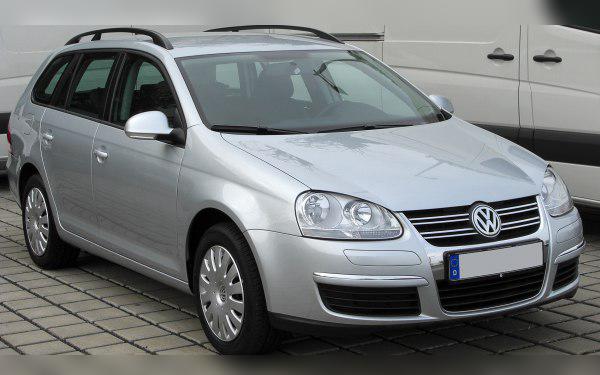
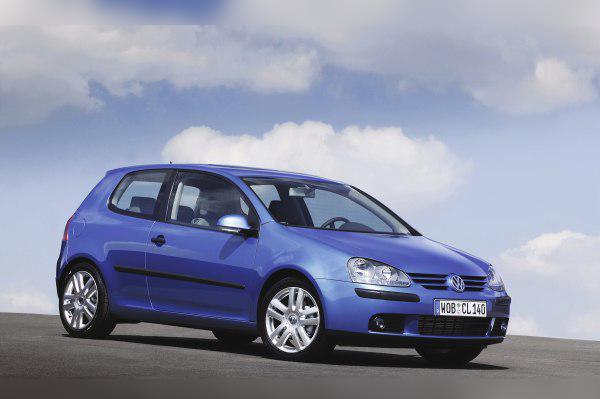
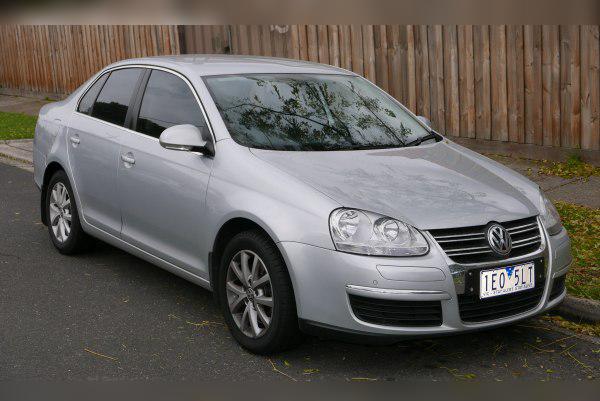
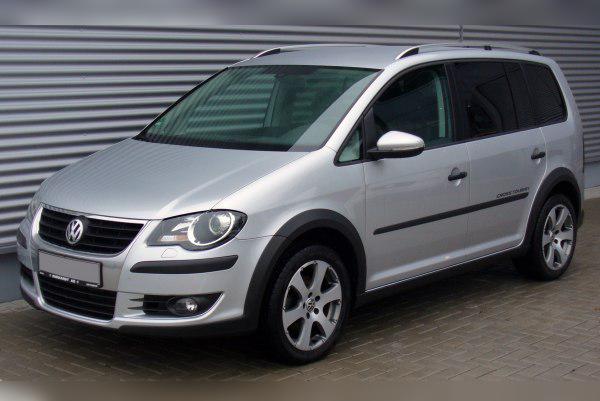
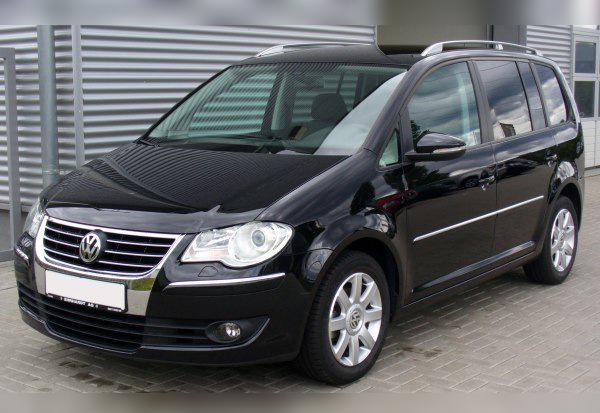
1.4 TSI (BLG) 170 HP – Experiences, problems, fuel consumption and buying tips
Key points (TL;DR)
- Performance: Extremely lively engine thanks to the combination of a mechanical supercharger and a turbocharger. Offers the power of a 2.0 naturally aspirated engine with less weight.
- Achilles’ heel: The timing chain is prone to stretching, and the tensioner can fail, which leads to chain jumping and catastrophic engine damage.
- Serious risk: For this generation (BLG) there are known cases of cracked pistons and rings due to excessive thermal load and poor fuel quality.
- Complexity: Maintenance is more expensive compared to classic naturally aspirated engines because of the Twincharger system (many sensors, valves, vacuum hoses).
- Gearbox: Often paired with a DSG gearbox that requires regular maintenance (oil changes) for the mechatronics to survive.
- Recommendation: Excellent to drive, but requires meticulous maintenance, high-quality fuel and caution when buying a high‑mileage used car.
Contents
- Introduction and Models
- Technical Specifications
- Reliability, Failures and Maintenance
- Specific Parts and Costs
- Fuel Consumption and Performance
- LPG and Tuning
- Gearbox and Drivetrain
- Buying Tips and Conclusion
Introduction: A technological marvel with flaws
The engine with code BLG belongs to Volkswagen’s EA111 series and represents one of the most ambitious downsizing projects from the mid‑2000s. It is a 1.4 TSI unit that squeezes an impressive 170 HP out of a small displacement. The secret lies in the Twincharger technology – the engine uses a mechanical supercharger for low revs and a turbocharger for higher revs.
This engine was aimed at drivers who want GTI‑level performance, but in a more discreet package such as the Golf V, Jetta or Touran. Although it offers a fantastic driving experience with linear acceleration, its complexity makes it challenging to maintain as the years go by.
Technical Specifications
| Parameter | Value |
|---|---|
| Engine displacement | 1390 cc (1.4 L) |
| Power | 125 kW (170 HP) at 6000 rpm |
| Torque | 240 Nm at 1500–4750 rpm |
| Engine code | BLG |
| Fuel injection system | Direct injection (TSI/FSI) |
| Induction | Twincharger (Mechanical supercharger + Turbocharger) |
| Number of cylinders/valves | 4 cylinders / 16 valves |
Reliability and Maintenance: What to watch out for?
Timing system: Chain or belt?
The BLG engine uses a timing chain
Symptoms: Metallic rattling or “rustling” when starting a cold engine that lasts a few seconds (or longer). If ignored, the chain can jump, leading to piston‑to‑valve contact – complete engine failure. The recommendation is a preventive replacement of the complete chain kit (chain, guides, tensioner, sprockets) as soon as the first suspicious noises appear.
This is a specific problem for the more powerful versions of the 1.4 TSI engine (including the 170 HP BLG). Due to high boost pressure and heavy thermal loads, pistons or rings can crack, especially on the third or fourth cylinder. The causes are often poor fuel quality that leads to detonation (knocking), as well as an aggressive injection map.
Symptoms: The engine starts running unevenly (on three cylinders), loses power, the Check Engine light comes on, and a compression test shows a drastic drop on one cylinder.
A major service (chain replacement) is not strictly prescribed, but in practice it is necessary to check it every 80,000–100,000 km. An oil service should be done strictly every 10,000 km to a maximum of 15,000 km (never 30,000 km “Long Life” intervals).
The engine takes approximately 3.6 liters of oil. Fully synthetic 5W‑30 or 5W‑40 oil that meets VW 502.00 or 504.00 standards is recommended.
Oil consumption: These engines are known to consume oil. Consumption of up to 0.5 liters per 1,000 km is considered “acceptable” according to factory documentation, but realistically, anything over 0.2–0.3 liters indicates a problem with the rings or the turbo. Regular oil level checks are mandatory.
Since this is a high‑performance petrol engine with direct injection, the spark plugs are under heavy stress. It is recommended to replace them every 40,000 to 60,000 km. Use only high‑quality iridium or platinum plugs (NGK or Bosch recommended for this engine). A bad spark plug can cause poor combustion that may damage a piston.
Yes, this engine has a dual‑mass flywheel, regardless of whether it is paired with a manual or DSG gearbox. Its role is to dampen engine vibrations. Failure symptoms include knocking when switching the engine off, vibrations at idle and rattling noises from the gearbox area. Replacement is (very expensive) (depends on the market), as it is usually done together with the clutch kit.
The system is direct fuel injection into the cylinder under high pressure. Injectors are generally durable but sensitive to poor fuel. They can clog or start “pissing” fuel, which washes the oil film off the cylinder walls. Also, with direct injection there is carbon build‑up on the intake valves, as they are not washed by fuel. This requires mechanical cleaning (walnut shell blasting) at higher mileage (e.g. every 100,000 km).
This engine has both.
This engine does not have a DPF filter or AdBlue system because it is a petrol engine. However, it does have an EGR valve (exhaust gas recirculation) that can get clogged with soot, causing rough idle and weaker throttle response. Cleaning is possible, but sometimes replacement is necessary.
Do not trust the factory figures of 6 liters. The 1.4 TSI BLG with 170 HP is very sensitive to driving style.
Absolutely not. This is the complete opposite of a lazy engine. Thanks to the supercharger, it pulls strongly from as low as 1500 rpm, with no turbo lag, and the turbo keeps pushing all the way to the redline. In a Golf V, this engine offers almost sports‑car performance (0–100 km/h in about 7.9 seconds). Even in the heavier Touran, the engine copes with the body with no problem, even when the car is fully loaded with passengers.
It is an excellent cruiser. At 130 km/h in sixth gear the engine spins at about 3,000 rpm (depending on the gearbox; DSG can be a bit lower). There is plenty of power in reserve for overtaking without the need to downshift.
This is complicated and expensive. Since the engine has direct injection (injectors are in the combustion chamber), you cannot install a regular sequential LPG system. You need a system designed for FSI/TSI engines that either uses a split‑fuel method (for example 20% petrol and 80% LPG to cool the petrol injectors) or a liquid LPG injection system through the petrol injectors (very expensive). Given the age of these cars, the cost‑effectiveness of such an investment is questionable unless you cover huge mileages.
The engine can be remapped to around 190–200 HP and gain an extra 40–50 Nm of torque. However, WARNING! Considering the known piston failure issues even on the stock map, further increasing pressure and temperatures in the cylinders drastically raises the risk of catastrophic engine failure. If you decide to do this, the engine must be mechanically perfect, and the map must be done by a top specialist, with a focus on safe fuel mixtures rather than maximum power.
The BLG engine was most commonly paired with a 6‑speed manual gearbox or a 6‑speed DSG (DQ250) with a wet clutch. In some later or lower‑powered variants there is also a 7‑speed DSG (DQ200 – dry clutch), but for 170 HP and 240 Nm in the Golf V/Touran I, the DQ250 was standard.
Manual gearbox: Generally reliable. At high mileage there can be issues with gearbox bearings (howling while driving). The cost of replacing the clutch kit together with the dual‑mass flywheel is a significant expense (expensive).
DSG (Automatic): The 6‑speed DSG (DQ250) is more robust than the 7‑speed “dry” unit, but it requires strict maintenance. The oil and filter in the gearbox must be changed every 60,000 km. If this is not done, the mechatronics (the gearbox control unit) can fail, and repairs are (very expensive). Symptoms of DSG issues include jerking when setting off, hesitation when shifting or harsh gear changes.
When buying a used car with the BLG engine, a cold start is the key test. Insist that the engine is completely cold. Listen to the chain during the first 3–5 seconds. Any rattling is a red flag (a cost of around 500–800 EUR depending on the market).
Also check whether the car emits bluish smoke when you blip the throttle (oil consumption/turbo) and whether the engine idles smoothly (compression/valve issues). A diagnostic scan is mandatory to check for misfire‑related fault codes.
Conclusion:
The 1.4 TSI (170 HP) BLG is an engine for enthusiasts who know what they are buying. It offers performance that is still respectable today, wrapped in practical body styles. However, it is not for drivers who want a “fill up and drive” experience with minimal expenses. Buy it only if you have the budget for proper maintenance and potential (expensive) timing chain or injection system repairs. For the average user, a simple 1.6 petrol or 1.9 TDI is more boring, but a much safer choice financially.
Pistons and Rings: A serious issue
Service intervals and Oil
Spark plugs and Injectors
Specific Parts and Costs
Dual‑mass flywheel
Fuel injection system and Injectors
Turbo and Supercharger (Twincharger)
1. Mechanical supercharger (Roots type): Works from idle up to about 2400–3500 rpm. It is driven by a belt via an electromagnetic clutch integrated into the water pump. The water pump is a common failure point – the electromagnetic clutch starts to squeal or fails to engage the supercharger.
2. Turbocharger: Takes over at higher revs. Turbo lifespan depends on regular oil changes and driving style (cool‑down after fast driving). The wastegate valve on the turbo can seize.
EGR, DPF and AdBlue
Fuel Consumption and Performance
Real‑world fuel consumption
City driving: Expect between 9 and 11 l/100 km. In heavy traffic and with a heavy right foot (e.g. in a VW Touran), this can easily go up to 12–13 liters.
Highway / open road: Here it is more economical. With calm driving on country roads it uses around 6–7 liters.
Is the engine “lazy”?
Motorway driving
Additional Options and Modifications
LPG conversion
Remapping (Stage 1)
Gearbox: Manual and DSG
Gearbox options
Problems and Maintenance
Buying a used car and Conclusion
Was this content useful to you?
Your opinion helps us to improve the quality of the content.