CJKB Engine
- Engine
- 1984 cm3
- Aspiration
- Turbocharger, Intercooler
- Fuel
- Petrol (Gasoline)
- Fuel injection system
- Direct injection
- Power
- 150 hp
- Torque
- 280 Nm
- Cylinders
- 4
- Valves
- 16, 4 per cylinder
- Cylinders position
- Inline
- Oil capacity
- 5.7 l
- Systems
- Start & Stop System
# Vehicles powered by this engine

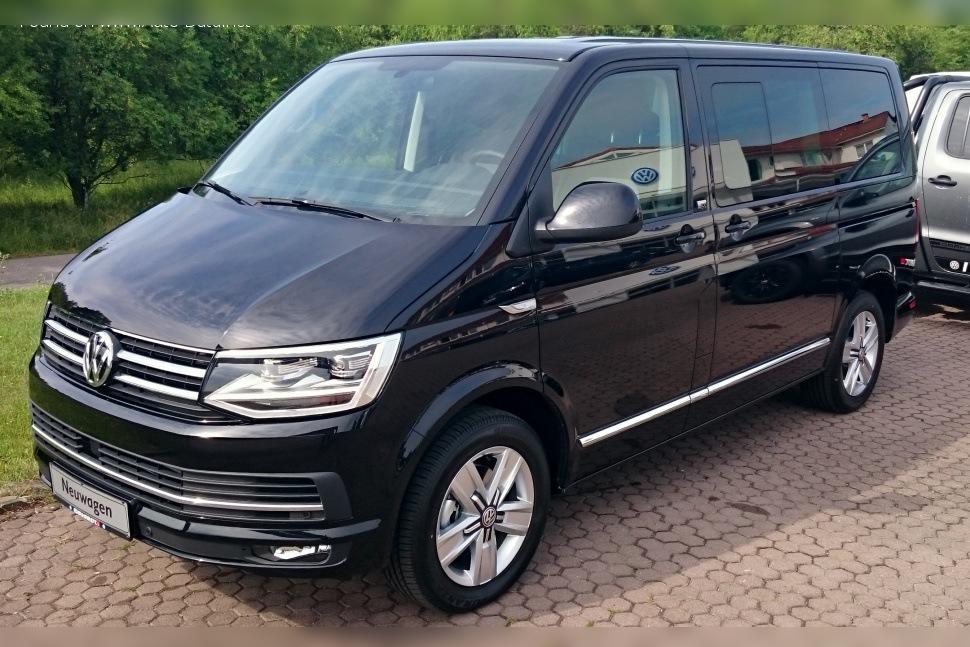
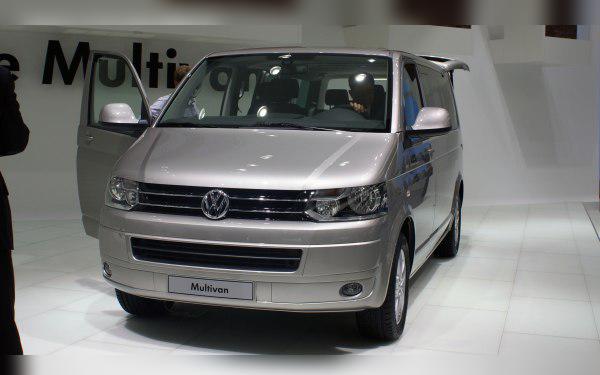
VW 2.0 TSI (CJKB) 150 HP – Experiences, Problems, Fuel Consumption and Buying Tips
Key points (TL;DR)
- Timing drive: The engine uses a chain. Although it is more reliable than on older generations, the tensioner and chain should be checked at every service.
- Oil consumption: Like most TSI engines, it can consume oil. You need to check the dipstick level regularly.
- Fuel consumption: Expect high numbers. In the heavy Multivan body, city driving rarely goes below 12–13 liters.
- Performance: 150 HP is the “lower limit” for such a large vehicle. It is not a sports car, but it can be easily chipped to higher power because it is software-detuned.
- Emissions: No DPF, no AdBlue (except the very latest versions with GPF), which means fewer exhaust system complications compared to its TDI siblings.
- Gearbox: Comes with a robust 6-speed manual or an excellent DQ500 DSG. Both require regular maintenance.
Contents
Introduction: A petrol engine in a van?
The CJKB engine belongs to the 2.0 TSI family (EA888 generation) and is an interesting exception in the world of Volkswagen commercial vehicles (T5 Facelift and T6), which are dominated by diesels. With 150 horsepower, this engine is aimed at those who want the quietness of a petrol engine, want to avoid DPF issues in city driving, or live in low-emission zones where diesels are restricted. Although it is not the most common choice on the used market, it is important to know whether this “silent giant” is a smart buy or a money pit.
Technical specifications
| Parameter | Value |
|---|---|
| Engine code | CJKB |
| Displacement | 1984 cc (2.0 L) |
| Power | 110 kW (150 HP) at 3750–6000 rpm |
| Torque | 280 Nm at 1500–3750 rpm |
| Fuel type | Petrol (Unleaded 95/98) |
| Injection system | Direct injection (TSI / FSI) |
| Forced induction | Turbocharger + Intercooler |
| Timing drive | Chain |
Reliability and Maintenance
Chain or belt?
The CJKB engine uses a timing chain for valve timing. This is a key point. Although this generation of EA888 engines solved the catastrophic tensioner issues that plagued earlier models (2008–2012), the chain is not eternal. A symptom of trouble is metallic rattling on cold start that lasts longer than 2–3 seconds. If you hear that, the chain is stretched or the tensioner is failing – an urgent timing chain kit replacement is needed to avoid engine damage (piston-to-valve contact).
Oil consumption and servicing
This engine takes approximately 5.7 to 6 liters of engine oil (always check by VIN, as sumps can vary on commercial vehicles). The recommended viscosity is 5W-30 or 5W-40 with VW 504.00 or 502.00 specification. A minor service should be done every 10,000 km, 15,000 km at most. Forget about “Long Life” 30,000 km intervals if you want the engine to last.
Does it burn oil? Yes. The manufacturer tolerates up to 0.5 liters per 1,000 km, but in practice a healthy engine should not consume more than 1 to 1.5 liters between services (over 10,000 km). If it consumes more, the usual culprits are oil control rings that get clogged with carbon deposits or the crankcase ventilation (PCV valve). Regular oil changes reduce the chance of stuck rings.
Spark plugs and injectors
Since this is a turbocharged petrol engine, spark plugs are under higher stress. It is recommended to replace spark plugs every 40,000 to 60,000 km. Do not wait for the engine to start misfiring, as this can damage the ignition coils (which are also wear items and moderately priced).
Most common issues
- Water pump leaks: The thermostat housing and pump are a common problem; the plastic cracks and coolant is lost.
- PCV valve (crankcase breather): When the membrane fails, the engine runs unevenly, whistles, and oil consumption increases.
- Carbon buildup: Due to direct injection, fuel does not wash the intake valves. Over time, carbon deposits build up and choke the engine. Cleaning (decarbonization or walnut shell blasting) is needed at around 100,000–150,000 km.
Specific Parts (Costs)
Dual-mass flywheel: Yes, this engine does have a dual-mass flywheel, regardless of whether it is paired with a manual or DSG gearbox. Its role is to smooth out four-cylinder vibrations before they reach the gearbox. Symptoms of failure are knocking at idle and shuddering when switching the engine off. The price is high (depends on the market).
Fuel injection system: It uses high-pressure injectors (direct injection). They are generally reliable but sensitive to poor fuel quality. If an injector “leaks,” it can wash down a cylinder and cause engine seizure. Replacing injectors is expensive.
Turbocharger: The engine has a single turbocharger (usually IHI or BorgWarner). Service life is long (over 200,000 km) with regular oil changes and, crucially, turbo cooldown after hard driving (let it idle for a minute before switching off). Rebuilds are possible and the cost is moderate.
EGR, DPF and AdBlue: Good news – this is a petrol engine. It has no DPF filter, no AdBlue system and no typical EGR clogging issues that plague diesels. There is a catalytic converter, but it rarely causes problems before very high mileage. (Note: Later T6.1 models may have a GPF, but CJKB usually does not.)
Consumption and Performance
Real-world fuel consumption
This is where it hurts. The Multivan is heavy and its aerodynamics are like a brick.
- City driving: Expect 13 to 16 liters per 100 km, depending on traffic and how heavy your right foot is. In winter, even more.
- Country roads: It is possible to get down to around 9–10 liters at 80–90 km/h.
- Motorway (130 km/h): The engine spins at about 2,800–3,000 rpm (depending on gearbox). Consumption is around 11–13 liters.
Is the engine “lazy”?
With 280 Nm of torque, the engine is adequate but not impressive. Compared to the 2.0 TDI (150 HP) with 340 Nm, the petrol feels weaker when pulling away and needs more revs to move the load. For an empty Multivan it is perfectly fine. If you plan to tow a trailer or drive with 7 passengers and luggage uphill, you will feel the lack of torque and will have to shift more often.
Additional Options and Modifications
LPG conversion
Since this is a direct-injection engine (TSI), LPG conversion is complex and expensive. You need a special system (“Direct Liquid Injection” or a system that mixes petrol and LPG to cool the injectors). The price of a quality kit often exceeds 1,000 EUR (depending on the market). Cost-effectiveness is questionable unless you drive huge mileage, because the engine still uses a certain percentage of petrol while running on gas.
Chiptuning (Stage 1)
This is where the CJKB shines. This engine is factory detuned. The same hardware in lighter vehicles produces much more power. A safe Stage 1 remap can raise power to 190–210 HP and torque to 350–380 Nm. This drastically changes the character of the vehicle, makes overtaking easier and driving much more pleasant, and fuel consumption (with normal driving) can even slightly decrease.
Gearbox: Manual and DSG
With the CJKB engine in the Multivan you will most often find:
- 6-speed manual gearbox: Precise and robust. Failures are rare and mostly limited to clutch kit and dual-mass flywheel replacement. The cost of replacing the clutch and flywheel is high (often over 600–800 EUR, depending on parts and labor).
- 7-speed DSG (DQ500): This is one of the best automatic gearboxes in the VW Group. It has wet clutches (running in oil) and is designed to handle very high torque (up to 600 Nm).
Gearbox maintenance
On the manual gearbox, the oil is changed preventively at around 100,000–150,000 km, even though VW often claims it is “lifetime”.
On the DSG gearbox (DQ500), oil and filter changes are MANDATORY every 60,000 km. If this is ignored, the mechatronics (the gearbox brain) will fail, and repairs are extremely expensive. DSG issues show up as jerks when shifting or delayed engagement when setting off.
Buying Used and Conclusion
What to check before buying?
- Cold start: Insist that the engine is completely cold. Listen to the chain during the first 5 seconds. Rattling = expensive repair.
- Exhaust: Look at the tailpipes. If they are oily and sooty, the engine is probably burning a lot of oil. Dry soot in small amounts is acceptable.
- DSG service history: If it is an automatic, ask for proof of oil changes every 60k km. Without that, the risk is too high.
- Coolant leaks: Check the coolant level and look for traces of leakage around the thermostat housing (at the front of the engine).
Verdict
The VW Multivan 2.0 TSI (CJKB) is a very specific beast. Buy it if you drive relatively low mileage per year (under 15,000 km), mostly short trips where a diesel would suffer, or if you value the quietness and refinement of a petrol engine. Avoid it if fuel consumption is a key concern or you plan to tow heavy loads over long distances – in that case, the TDI is still king.
Maintenance is cheaper in terms of emissions equipment (no DPF/EGR issues), but more expensive in terms of fuel. If you find a car with a proper service history and add a good Stage 1 remap, this can be the most fun van you have ever driven.
Was this content useful to you?
Your opinion helps us to improve the quality of the content.