DNUA Engine
- Engine
- 1984 cm3
- Aspiration
- Turbocharger, Intercooler
- Fuel
- Petrol (Gasoline)
- Fuel injection system
- Direct injection
- Power
- 272 hp
- Torque
- 350 Nm
- Cylinders
- 4
- Valves
- 16, 4 per cylinder
- Cylinders position
- Inline
- Valvetrain
- DOHC
- Oil capacity
- 5.7 l
- Systems
- Particulate filter
# Vehicles powered by this engine
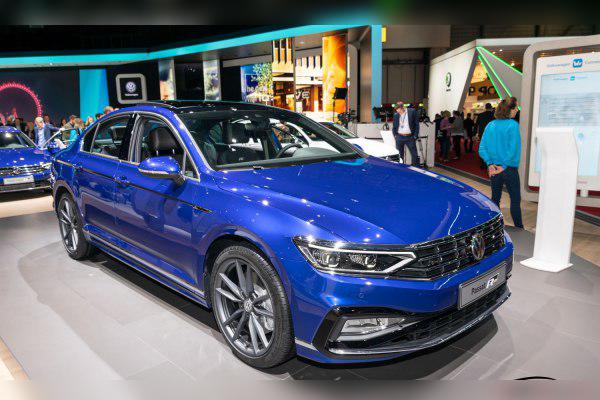
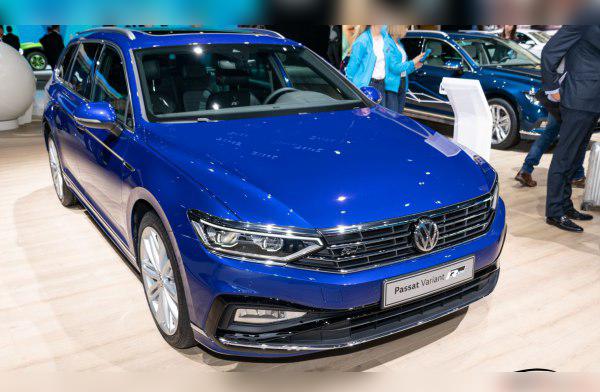
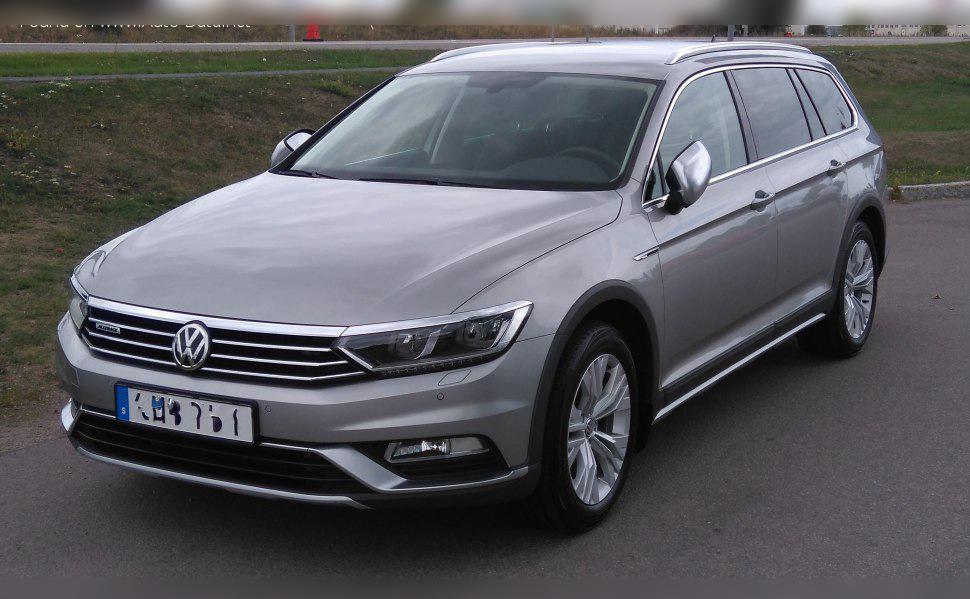
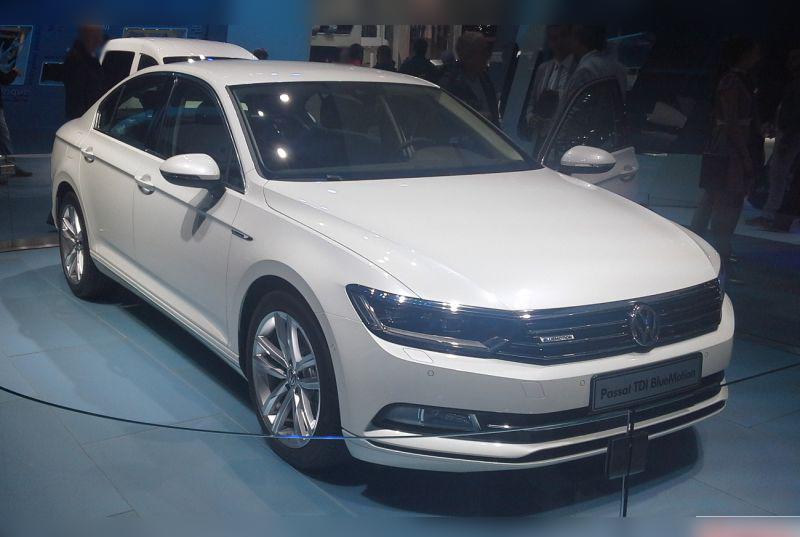
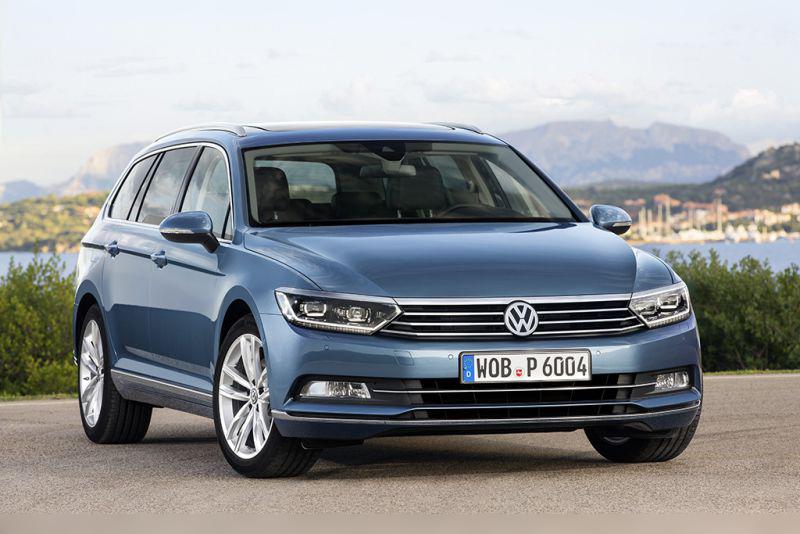
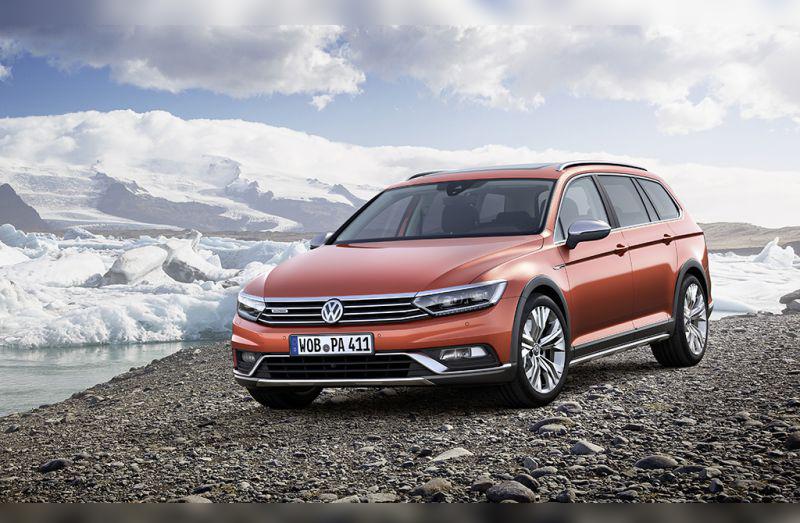
VW 2.0 TSI (DNUA) 272 HP: Experiences, Problems, Fuel Consumption and Buying Used
Key points (TL;DR)
- Performance: This is a sleeper engine. With 272 HP and 4MOTION all‑wheel drive, it turns a family Passat into a serious machine.
- Timing drive: Uses a chain. Much more reliable than on older generations, but it requires stretch inspection at higher mileage.
- Emissions: The DNUA code means the engine has a OPF (GPF) filter (gasoline particulate filter). It “chokes” it a bit compared to the previous 280 HP version, but it’s cleaner.
- Main weakness: Thermostat and water pump. The housing is plastic and prone to cracking and coolant leaks.
- Gearbox: Comes exclusively with a 7‑speed DSG (DQ381) wet‑clutch transmission. Requires regular oil changes.
- Fuel consumption: Not economical in the city. Expect a two‑digit figure, while on the highway it’s surprisingly efficient for this power.
- Recommendation: Ideal for those who want Golf R performance in the body of a comfortable sedan or wagon.
Contents
Introduction: DNUA Engine in the Passat B8
The engine with the code DNUA represents the top of the range in the facelifted version of the Volkswagen Passat B8 (from 2019 onwards). It is an evolution of the well‑known EA888 Gen 3 platform. This unit replaced the older 280 HP version, with power reduced to 272 HP primarily due to stricter emissions standards (Euro 6d‑TEMP) and the introduction of a gasoline particulate filter (OPF). Although it looks weaker on paper, in practice it offers exceptional flexibility and represents a perfect balance between a comfortable cruiser and a sports car. It is installed exclusively in models with all‑wheel drive (4MOTION).
Technical Specifications
| Characteristic | Data |
|---|---|
| Engine displacement | 1984 cc (2.0 L) |
| Power | 200 kW (272 HP) |
| Torque | 350 Nm |
| Engine code | DNUA |
| Injection type | Direct injection (TSI) |
| Forced induction | Turbocharger + intercooler |
| Number of cylinders | 4 (inline) |
Reliability and Maintenance
Does this engine have a timing belt or a chain?
The DNUA engine uses a timing chain. This is the third generation (Gen 3b) of the EA888 engines, where the chain stretching and breaking issues that were a nightmare on older TSI engines (before 2012) have largely been resolved. The chain is robust and designed to last the lifetime of the vehicle, but in practice it should be thoroughly inspected (checking cam/crank correlation via diagnostics or physically inspecting the tensioner) after 150,000 to 200,000 km. If you hear rattling on cold start that lasts longer than a few seconds, that’s a sign you need to visit a workshop urgently.
What are the most common failures on this engine?
Although it is mechanically very durable, the peripherals can cause issues:
- Water pump and thermostat: This is the Achilles’ heel of this engine. The thermostat module and pump housing are made of plastic that deforms over time from heat, which leads to coolant leaks. Symptoms are coolant loss or engine overheating.
- Oil leaks: Often occur at the timing cover or crankshaft seals, although less frequently than on older versions.
- Sensors: Occasional problems with fuel pressure sensors or sensors related to the OPF filter can trigger the “Check Engine” light.
At what mileage is the major service due?
Since the engine has a chain, a classic “major service” like on belt‑driven engines (replacement every 5–6 years) does not exist in that form. However, it is recommended to replace the serpentine belt, tensioner and idler pulleys every 80,000 to 100,000 km. The condition of the chain is only monitored.
How many liters of oil does this engine take and which grade is recommended?
The sump holds approximately 5.7 liters of engine oil. For the DNUA engine, VW often recommends the newer 0W‑20 grade (specification VW 508 00) to reduce fuel consumption and protect the OPF filter. However, many mechanics and owners, especially in warmer climates or for more spirited driving, prefer 5W‑30 (VW 504 00). Note: Always check the sticker under the hood or the owner’s manual, because using the wrong oil can damage the OPF filter.
Does it consume oil between services?
Yes, oil consumption is possible, but nowhere near as catastrophic as on EA888 Gen 2 engines. It is considered “normal” for the engine to consume 0.5 to 1 liter of oil per 10,000 km, especially if driven aggressively on the highway. If it consumes more than that (e.g. a liter per 2,000 km), this points to an issue with the crankcase ventilation (PCV valve) or, in a worse case, piston rings, although that is rare on this model.
At what mileage should the spark plugs be replaced?
Spark plugs should be replaced every 60,000 km. If the car is tuned (Stage 1), the interval should be shortened to 30,000–40,000 km, because higher cylinder pressures wear the electrodes faster. Use only NGK or Bosch spark plugs recommended for this engine type.
Specific Parts (Costs)
Does this engine have a dual‑mass flywheel?
Yes. Although this is a petrol engine with an automatic transmission, the 2.0 TSI DNUA uses a dual‑mass flywheel to smooth out engine vibrations before they reach the DSG gearbox. Its service life is usually long (over 200,000 km), but when it fails, you will hear metallic knocking at idle that disappears when you rev the engine. Replacement is expensive (depends on the market).
What kind of injection system does it have and are the injectors problematic?
This engine uses a high‑pressure direct injection system. Unlike some earlier versions that had combined injection (direct + port) to keep intake valves clean, the DNUA relies mostly on direct injection due to the precision required for Euro 6d standards. The injectors are generally reliable but sensitive to poor fuel quality. Carbon build‑up on the intake valves is possible after 100,000+ km, which is resolved by walnut shell blasting.
Does this engine have a turbocharger and what is its lifespan?
It has a single turbocharger (usually an IHI IS20 or a variant similar to the IS38 depending on the exact DNUA specification). The turbo is water‑cooled and very durable. With regular oil changes and proper cool‑down after hard driving, the turbo can last as long as the engine. Failures are usually related to the electronic actuator (wastegate), not the turbocharger core itself.
Does this model have a DPF filter or an EGR valve?
This is a petrol engine, so it doesn’t have a DPF in the diesel sense, but it does have an OPF (Otto Particulate Filter), which is the gasoline equivalent of a DPF. Its role is to trap fine soot particles created by direct injection. OPF filters are generally less problematic than DPFs because petrol exhaust gases are hotter, so passive regeneration happens more easily. There is an EGR valve for exhaust gas recirculation, but it clogs far less often than on diesels.
Does this engine use AdBlue?
No. AdBlue fluid is used only on diesel engines (TDI) to reduce NOx emissions. DNUA is a petrol engine and does not use AdBlue.
Fuel Consumption and Performance
What is the real‑world fuel consumption in city driving?
Be prepared for reality: 272 horsepower, all‑wheel drive and a heavy Passat need fuel. In pure city stop‑and‑go driving, real‑world consumption ranges from 11 to 14 liters per 100 km. If you are careful, you can bring it down to 10 l/100 km, but that requires a lot of self‑control.
Is this engine “lazy” for the weight of the car?
Absolutely not. With 350 Nm of torque available from low revs (around 1,700–2,000 rpm), the Passat really moves. The 0–100 km/h sprint is under 6 seconds (around 5.6–5.8 s), which is serious sports‑car territory. The 4MOTION system ensures there is no wheelspin when setting off, so the car just hooks up and goes.
How does the engine behave on the highway?
This is the natural habitat of this engine. At 130 km/h it runs relaxed, usually below 2,500 rpm (thanks to the 7th gear of the DSG). At that point it is quiet and fuel consumption drops to a reasonable 7.5 to 8.5 liters. Overtaking is lightning‑fast and safe, even at high speeds.
Additional Options and Modifications
Is this engine suitable for LPG conversion?
Not recommended. Due to direct injection, expensive and sophisticated systems (Direct Liquid Injection) are required, which use petrol together with LPG or inject gas through the petrol injectors. Installation cost is high (very expensive), and given the complexity of the engine, the risk of injector and electronics issues often doesn’t justify the savings, unless you cover huge mileage (50,000+ km per year).
How far can this engine be safely tuned (Stage 1)?
The DNUA engine has huge potential. With a simple software remap (Stage 1), power can easily be raised to 310 to 320 HP, and torque to over 420 Nm. The engine and gearbox can handle this without issues, provided they are regularly maintained. However, keep in mind that the OPF filter can be a limiting factor for sound and more extreme tuning (Stage 2 and above).
Transmission and Drivetrain
Which gearboxes are fitted?
The 2.0 TSI DNUA (272 HP) comes with an automatic DSG gearbox only. It is the DQ381 model, a 7‑speed dual‑clutch transmission with wet clutches. A manual gearbox is not an option for this power level and configuration in the facelifted Passat B8.
What are the most common automatic gearbox issues?
The DQ381 is an evolution of the legendary DQ250 and is very reliable. Failures are rare and usually the result of poor maintenance. Possible symptoms of problems are jerking when setting off, delayed shifts or grinding noises. The mechatronic unit (the gearbox “brain”) is the most expensive component that can fail, but this happens less often than on older models.
Does this model have a dual‑mass flywheel and how much does clutch replacement cost?
As mentioned, it has a dual‑mass flywheel. As for the clutch, it is a multi‑plate pack located inside the gearbox (in oil). They last a very long time (often over 250,000 km). Replacing the clutch pack on a DSG is a complex job and falls into the “expensive” category (depends on the market), as it requires removing the gearbox and special tools.
At what mileage should the gearbox be serviced?
The manufacturer sometimes specifies longer intervals, but any experienced mechanic will tell you: change the oil (and filter) in the DSG gearbox every 60,000 km. Also, don’t forget to service the Haldex coupling (4x4 system) – its oil should be changed every 45,000 to 60,000 km, and it is advisable to clean the pump strainer as well, even though VW does not officially prescribe this.
Buying Used and Conclusion
When buying a Passat with the DNUA engine, make sure to check:
- Coolant leaks: Look under the intake manifold for traces of pink residue (antifreeze).
- Service history of the gearbox and Haldex: If there is no proof that the oil in the DSG and 4MOTION system was changed on time, walk away from that car.
- Cold start: The engine must run smoothly. A brief rattle (1–2 seconds) is acceptable until oil pressure builds up, but anything longer points to a chain issue.
Conclusion: The VW 2.0 TSI DNUA is a fantastic engine. It offers performance that can embarrass many sports cars, yet it is wrapped in a discreet and practical vehicle. Although maintenance is not cheap (fuel consumption, tires, DSG service, potential water pump replacement), reliability is at a high level. It is aimed at drivers who want a powerful machine for the autobahn, do not cover huge mileage annually (due to fuel consumption) and are willing to pay for a top‑class driving experience.
Was this content useful to you?
Your opinion helps us to improve the quality of the content.