BWS, CNNA Engine
- Engine
- 3597 cm3
- Aspiration
- Naturally aspirated engine
- Fuel
- Petrol (Gasoline)
- Fuel injection system
- Direct injection
- Power
- 300 hp @ 6600 rpm
- Torque
- 350 Nm
- Cylinders
- 6
- Valves
- 24, 4 per cylinder
- Cylinders position
- V-engine
- Oil capacity
- 5.5 l
- Coolant
- 9 l
# Vehicles powered by this engine
TL;DR: The most important facts about the 3.6 V6 FSI (BWS/CNNA) engine
- Performance and Sound: This is the last “true” VR6 engine in this class. The sound is fantastic, and throttle response is instant because there is no turbo lag.
- Timing chain: The biggest potential expense. It is located at the back of the engine (next to the gearbox), so replacement requires removing the engine or the transmission.
- Fuel consumption: Be prepared for high numbers. In the city this engine easily drinks more than 13–15 liters.
- FSI Technology: Direct injection means carbon buildup on the intake valves, which requires occasional cleaning.
- Transmission and Drivetrain: Comes exclusively with DSG and 4Motion. Both systems are reliable if serviced regularly, but expensive to repair if neglected.
- Conclusion: An engine for enthusiasts who want refinement and power and don’t care too much about fuel consumption and higher registration costs.
Contents
- Introduction and applications
- Technical specifications
- Reliability and Maintenance
- Specific Parts and Costs
- Fuel Consumption and Performance
- Additional Options and Modifications
- Transmission and Drivetrain
- Buying Used and Conclusion
Introduction: The Last Mohican in the VW lineup
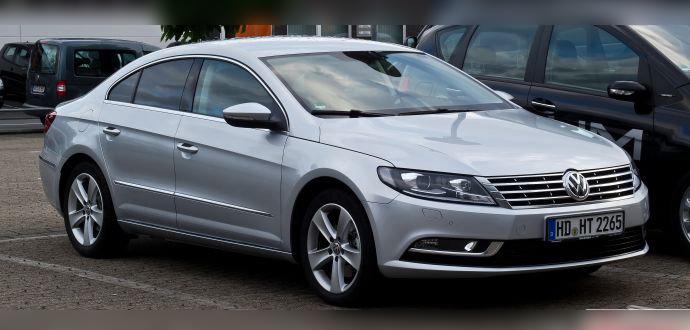
Volkswagen’s 3.6 V6 FSI (codes BWS and CNNA) represents the peak of the legendary VR6 concept. Installed in the VW CC (facelift), Passat R36 and Škoda Superb, this engine is a relic of a time when displacement mattered more than turbochargers. Its main role in the CC was to offer prestige, linear power delivery and a sound that no 2.0 TSI can imitate. Although the market gradually rejected it due to emissions regulations and fuel consumption, today it is highly appreciated among connoisseurs as a robust “sleeper” engine.
Technical specifications
| Specification | Value |
|---|---|
| Engine displacement | 3597 cc (3.6 L) |
| Configuration | VR6 (narrow angle between cylinders, single cylinder head) |
| Power | 220 kW (300 hp) |
| Torque | 350 Nm at 2400–5300 rpm |
| Engine codes | BWS (Europe/World), CNNA (often North American market) |
| Injection type | FSI (Direct gasoline injection) |
| Induction | Naturally aspirated |
| Camshaft drive | Chain |
Reliability and Maintenance
Timing system: Chain or belt?
This engine uses a timing chain. Although in theory a chain should last the “lifetime” of the engine, with VR6 units that is often not the case. The chain is located at the back of the engine (between the engine and the gearbox). Over time the chain stretches or the hydraulic tensioners weaken. Symptoms are rattling on cold start (metal grinding noise) or a “Check Engine” light due to camshaft timing correlation errors. Replacement is very expensive (depends on market) because the entire powertrain has to be removed from the car.
Most common issues
Besides the chain, a problematic point is the PCV valve (oil vapor separator). Its membrane tears, which leads to rough running, a “hissing” sound from the engine and increased oil consumption. Also, ignition coils are wear items; if the engine starts to misfire or runs on 5 cylinders, the coil is usually the culprit.
Service intervals and oil
There is no major service in the classic sense (as with a belt), but preventive inspection of the chain and tensioners is recommended at around 150,000–200,000 km. The engine takes approximately 5.5 to 6.0 liters of oil (always check the dipstick). Recommended grades are 5W-30 or 5W-40 (VW 504.00 or 502.00 standard). Due to the thermal load of this engine, I recommend changing the oil at a maximum of 10,000–12,000 km or once a year.
Oil consumption
3.6 FSI engines can consume some oil, but not as drastically as older TSI units. Consumption of 0.5 to 1 liter per 5,000 km can be considered acceptable, especially if driven aggressively. If it uses more than that, check the PCV valve first before suspecting piston rings.
Spark plugs
Since this is a high-performance gasoline engine with direct injection, spark plugs are crucial. They should be replaced every 60,000 km (or 4 years). Use only high-quality Iridium or Platinum plugs recommended by the manufacturer (e.g. NGK or Bosch).
Specific Parts (Costs)
Injection system and deposits
The engine uses FSI (direct injection). Injectors are generally durable, but the main issue with this system is carbon buildup on the intake valves. Since fuel does not wash over the intake valves, deposits accumulate and gradually choke the engine. Symptoms are loss of power and rough idle. Cleaning (walnut shell blasting or chemical cleaning) is needed every 80,000–100,000 km.
Turbo, DPF, EGR, AdBlue?
This is the biggest advantage of this engine: it has NO turbocharger, no intercooler, no complex DPF filter (because it’s a gasoline engine), and of course no AdBlue system. Fewer parts means fewer things that can fail. However, it does have catalytic converters, which can be expensive if they fail due to poor combustion.
Dual-mass flywheel
Yes, since it is paired with a DSG gearbox, this engine uses a dual-mass flywheel. Its lifespan is usually around 150,000–200,000 km, depending on driving style. Symptoms are metallic knocking noises at idle that disappear when you rev the engine, or vibrations when shutting the engine off.
Fuel Consumption and Performance
Real-world fuel consumption
Do not fool yourself. This is a large-displacement engine.
City driving: Expect between 12 and 16 l/100 km. In heavy stop-and-go traffic in winter, it can go even higher.
Country roads: Here the situation is better. At 80–90 km/h it can drop to around 7.5–8.5 l/100 km.
Highway: At 130 km/h it uses about 9–10 l/100 km.
Performance: Is it “lazy”?
Absolutely NOT. With 300 hp and 350 Nm, this engine plays with the VW CC’s body. Unlike turbo engines that give you a sudden “kick in the back”, the 3.6 FSI pulls linearly like a locomotive from the very bottom to the redline. The sound at full throttle is addictive. On the highway, at 130 km/h, the engine spins at relatively low revs (thanks to the DSG’s 6th gear) and has huge power reserves for overtaking without any real effort.
Additional Options and Modifications
LPG conversion
It is possible, but complicated and expensive. Because of FSI direct injection, a regular sequential LPG system cannot be used. You need a system that either injects liquid gas directly through the gasoline injectors (the best but most expensive option), or a system that “adds” a bit of gasoline along with LPG to cool the injectors. Cost-effectiveness is questionable unless you cover huge mileages, because installation is expensive (depends on market).
ECU remap (Stage 1)
On naturally aspirated engines, remapping does not bring dramatic gains like on turbo engines. Realistically you can expect 10 to 15 hp and slightly better throttle response. The benefit is more in “smoothing out” the torque curve than in peak power. The best modification for this engine is actually software optimization of the DSG gearbox, so that it shifts faster and more logically.
Transmission
Type of gearbox
With the 3.6 V6 FSI in the CC, you get a 6-speed DSG automatic gearbox (code DQ250) as standard. It is a gearbox with wet clutches. A manual gearbox with this engine in the CC is practically non-existent on the European market.
Maintenance and failures
The DSG DQ250 is a very robust gearbox that can handle high torque.
Service: Mandatory oil and filter change in the gearbox every 60,000 km. This is not a recommendation, this is a commandment if you want it to last.
Failures: The most common problem is the mechatronics unit (the gearbox brain). Symptoms are harsh take-offs, jerks when shifting or inexplicable shifting into Neutral. Mechatronics repair is expensive (depends on market).
Clutch cost: The clutch pack (friction plates) is rarely replaced before 200–250k km if the oil has been changed regularly, but replacement is an expensive job.
Buying used and Conclusion
When buying, do the following:
- Listen to a cold start: The engine must be completely cold. If you hear chain rattling for longer than 1–2 seconds after startup, walk away or lower the price by the cost of a chain replacement (very expensive).
- Diagnostics: Check “Measuring Blocks” 208 and 209 (with VCDS diagnostics) to see chain stretch (cam timing).
- Test drive: The DSG must shift smoothly, both cold and hot. Pay special attention to taking off from a standstill and reversing uphill.
Conclusion: The VW CC 3.6 V6 is a car for those who want a discreet sports car. It offers a fantastic blend of comfort, sound and power. Maintenance is more expensive than on a diesel (fuel consumption, registration, potential chain issues), but in return you get one of the most reliable and charismatic engines of the modern era, without headaches about DPFs and turbos. If you find a well-maintained example – buy it and enjoy it while engines like this still exist.
Was this content useful to you?
Your opinion helps us to improve the quality of the content.