DFNA Engine
- Engine
- 999 cm3
- Aspiration
- Naturally aspirated engine
- Fuel
- Petrol (Gasoline)
- Fuel injection system
- Multi-port manifold injection
- Power
- 80 hp @ 5500 rpm
- Torque
- 95 Nm
- Cylinders
- 3
- Valves
- 12, 4 per cylinder
- Cylinders position
- Inline
- Oil capacity
- 3.75 l
- Systems
- Particulate filter
# Vehicles powered by this engine
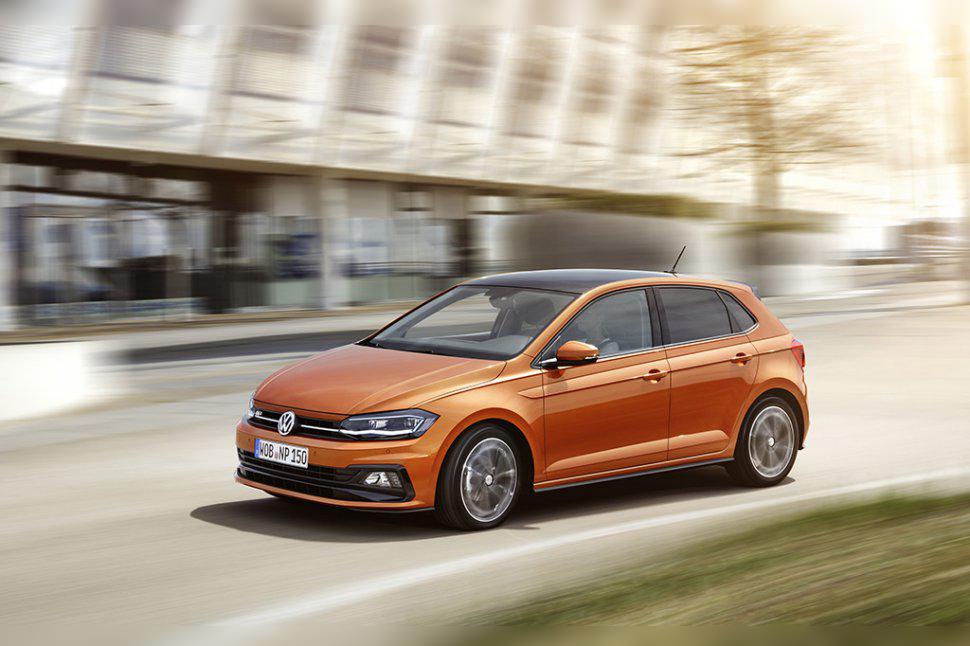
VW 1.0 MPI (DFNA) 80 HP – Experiences, issues, fuel consumption and buying tips
Key points in short (TL;DR)
- Ideal for city driving: Simple design and low fuel consumption make it perfect for urban environments.
- Cheap maintenance: No turbocharger, no dual-mass flywheel, no expensive direct-injection injectors.
- Performance: The engine is very sluggish. With only 95 Nm of torque, overtaking requires serious planning.
- LPG-friendly: Thanks to the MPI (indirect) injection, LPG installation is cheap and straightforward.
- Reliability: With regular maintenance, this is currently one of the most reliable engines in the VW group.
- Highway use: Not recommended for frequent long trips due to noise and high revs at 130 km/h.
Contents
Introduction
The engine with the code DFNA is the entry ticket into the world of the sixth-generation Volkswagen Polo (Polo VI). It is a three-cylinder naturally aspirated petrol engine that replaced the older 75 HP versions. Although on paper it looks weak by today’s standards, its role is clear: to be economical, reliable and cheap to run. This is not an engine for enthusiasts, but for those who need a means of transport from point A to point B with minimal headaches. It is often found in fleet cars and as a choice for beginner drivers.
Technical specifications
| Parameter | Data |
|---|---|
| Engine displacement | 999 cc (1.0 L) |
| Power | 59 kW (80 HP) at 6200 rpm |
| Torque | 95 Nm at 3000–4300 rpm |
| Engine code | DFNA (EA211 series) |
| Injection type | MPI (Multi-Point Injection) – Indirect |
| Aspiration | Naturally aspirated (No turbo) |
| Number of cylinders | 3 |
Reliability and maintenance
When we talk about the EA211 engine family, to which the DFNA belongs, VW has made a significant step forward compared to the older EA111 engines. This engine uses a timing belt instead of a chain. That is good news, because older VW engines had issues with timing chain stretch. The belt here is reinforced and replacement intervals are quite long.
The major service according to factory data is often only “inspected” after 210,000 km (depending on the market), but in practice any serious mechanic will advise you to replace the complete timing set (belt, tensioners, water pump) at an interval between 150,000 km and 180,000 km or after 8–10 years of age. If the car is driven exclusively in city stop‑and‑go conditions, the interval should be shortened.
The most common failures are mostly related to engine peripherals, not the block itself:
- Thermostat housing and water pump: A known weak point of EA211 engines. The housing is plastic and over time coolant leaks may appear. Symptoms are a dropping coolant level in the expansion tank or the smell of evaporated coolant under the bonnet.
- Oil level sensor: It can occasionally give false readings.
- Vibrations: Since this is a 3‑cylinder engine, the engine mounts (especially the hydraulic ones) are under higher stress. If you feel strong vibrations on the steering wheel at idle, one of the mounts is probably due for replacement.
As for the oil, this engine takes approximately 3.4 to 4.0 litres (always check the dipstick). The recommended grade for newer model years is usually 0W-20 (VW standard 508.00) to reduce friction and fuel consumption, although in warmer climates and older models 5W-30 (VW 504.00) is often used. This engine should not consume oil in significant amounts. Consumption up to 0.5 litres per 10,000 km can be tolerated, but anything above that points to a problem (often the PCV valve or valve stem seals on high‑mileage engines).
Spark plugs on this engine are replaced every 60,000 km or 4 years. Do not postpone this replacement, because worn plugs can overload the ignition coils (one per cylinder) and lead to their failure.
Specific parts (costs)
This is the section where the DFNA engine shines. Its simplicity means lower maintenance costs compared to its TSI siblings.
Dual-mass flywheel: This engine DOES NOT have a dual-mass flywheel. It uses a conventional solid flywheel. This is a huge saving, as the clutch kit is much cheaper and you don’t have to worry about expensive flywheel repairs.
Injection system: The engine uses an MPI (Multi-Point Injection) system. Fuel is injected into the intake manifold, in front of the valves. The injectors are simple, inexpensive (not costly – depends on the market) and very rarely fail. An additional advantage of this system is that fuel “washes” the intake valves, so this engine does not suffer from carbon buildup on the valves, which is a common issue on TSI (direct injection) engines.
Turbocharger: The engine DOES NOT have a turbocharger. That means no intercooler, no turbo that can start whining or burning oil, and no complex vacuum hoses for boost control. Fewer parts = lower chance of failure.
Emissions equipment (DPF/GPF/EGR): Petrol engines do not have a DPF (that’s for diesels), but newer models (Euro 6d‑TEMP standards) may have a GPF (Gasoline Particulate Filter), which is the petrol equivalent. However, on MPI engines the GPF very rarely clogs because exhaust gas temperatures on petrol engines rise quickly and passive regeneration is effective. There is no AdBlue system on this engine.
Fuel consumption and performance
This is perhaps the most controversial part of the story about this engine. Is it “lazy”? Yes. With only 95 Nm of torque, a Polo with this engine requires patience. The 0–100 km/h sprint takes about 15.5 seconds, which feels like an eternity when merging onto fast roads.
Real-world fuel consumption:
- City driving: Expect between 6.0 and 7.5 l/100 km. If the A/C is on and traffic is heavy, it can go up to 8 litres, because you have to “push” the engine to keep up with traffic.
- Country roads: This is where the engine feels most at home. Consumption drops to 4.5–5.5 l/100 km at speeds of 70–90 km/h.
- Motorway (130 km/h): At this speed, the engine is spinning at a high (approximately) 4000 rpm (because it has a 5‑speed gearbox). Noise is noticeable and fuel consumption rises to around 6.5–7.5 l/100 km. It really lacks a sixth gear for quieter cruising.
Additional options and modifications
LPG conversion: This is an ideal candidate for conversion to LPG. Due to the MPI injection system, standard, cheaper sequential systems can be used. You don’t need expensive direct‑injection kits. The valves are relatively durable, but a quality system with a well‑tuned map is recommended to avoid overheating the cylinder head.
Remapping (Stage 1): Is it worth it? Absolutely not. On small‑displacement naturally aspirated engines, software remapping can give you maybe 5 to 8 horsepower, which you won’t even feel in real driving. A waste of money. You’re better off investing in good tyres or regular servicing.
Gearbox
With the 1.0 MPI engine in the Polo VI you almost exclusively get a 5‑speed manual gearbox (code MQ200). An automatic gearbox (DSG) is usually not paired with this weakest naturally aspirated engine, but reserved for TSI versions.
Manual gearbox issues: The gearbox is generally robust for this power level (the engine simply doesn’t have enough torque to break it). Still, the following issues are possible:
- Difficulty engaging reverse: It often happens that the gearbox “crunches” when selecting reverse. This is a characteristic of the design (lack of a synchro for reverse on some versions) – the advice is to wait 2 seconds after pressing the clutch before engaging reverse.
- Clutch kit: Due to the low engine power, drivers often “ride” the clutch when starting uphill to gain power, which leads to faster wear of the friction disc. Replacement cost is not high (depends on the market, but it is among the cheaper jobs).
Gearbox maintenance: Although VW often states that the gearbox oil is “lifetime filled”, it is recommended to replace the gearbox oil every 90,000–120,000 km. This will significantly extend the life of the synchros and bearings.
Buying used and conclusion
Before buying a Polo with this engine, make sure to perform the following checks:
- Cold start: Listen to the engine while it is cold. The sound should be an even “purr” (typical for 3 cylinders), without metallic rattling or knocking.
- Coolant: Check for white traces (limescale) around the thermostat housing on the right side of the engine block.
- Clutch: Check where the clutch “bites”. If it bites very high, the friction disc is near the end of its life.
Conclusion: The VW Polo 1.0 MPI (DFNA) is a rational choice, not an emotional one. It is intended for students, delivery services, drivers who spend 90% of their time in the city and those who want a car with low running costs. If you plan frequent motorway trips or enjoy dynamic driving, skip this engine and look for the 1.0 TSI. But if you need a reliable city workhorse that rarely breaks down – this is the right machine for you.
Was this content useful to you?
Your opinion helps us to improve the quality of the content.