EA111 / CBZC Engine
- Engine
- 1197 cm3
- Aspiration
- Turbocharger, Intercooler
- Fuel
- Petrol (Gasoline)
- Fuel injection system
- Direct injection
- Power
- 90 hp @ 4500 rpm
- Torque
- 160 Nm
- Cylinders
- 4
- Valves
- 8, 2 per cylinder
- Cylinders position
- Inline
- Valvetrain
- SOHC
- Oil capacity
- 3.6 l
- Systems
- Start & Stop System
# Vehicles powered by this engine
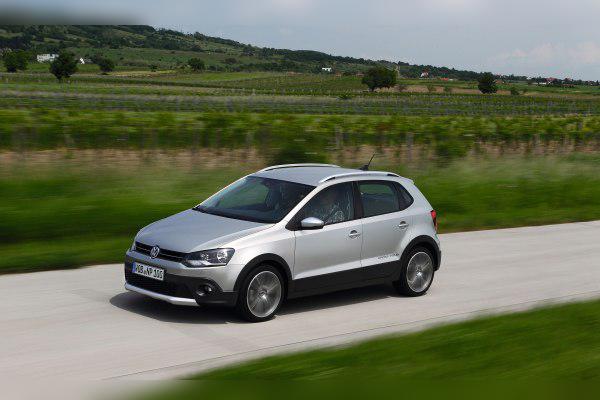
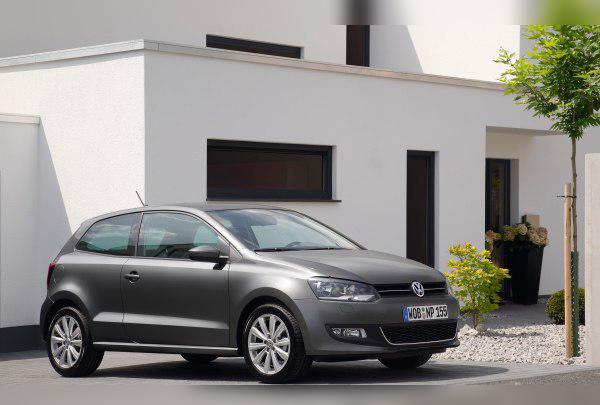
VW 1.2 TSI (EA111 / CBZC) – Experiences, problems, fuel consumption and used-car buying tips
Key points (TL;DR)
- Timing chain issue: This is an EA111-series engine with a timing chain. Although the CBZC code brought improvements, chain stretch and tensioner problems are still the biggest risk.
- Turbo actuator: A common issue is the sticking of the turbo actuator rod, which leads to power loss (Safe mode).
- Ignition leads: These engines are notorious for sensitive ignition cables (they often fail due to heat or rodents).
- Performance: For 90 hp, the engine pulls surprisingly well thanks to torque available at low revs.
- Fuel consumption: Very economical if driven moderately, but it increases drastically if you have a heavy right foot.
- LPG (Autogas): Due to direct injection, LPG installation is expensive and only pays off if you drive high mileages.
- Recommendation: An excellent choice for a city car (Polo), provided the chain has been replaced on time and the oil is changed regularly.
Contents
Introduction: 1.2 TSI EA111 in real life
The engine with the code CBZC belongs to the EA111 family. This is very important to emphasize because there is also a newer generation (EA211) that uses a timing belt. CBZC is the 90 hp variant most commonly found in the Volkswagen Polo (6R model) and CrossPolo. It was Volkswagen’s answer to the need for downsizing – a small engine with small displacement, but with a turbocharger that gives it the power of a much larger naturally aspirated engine.
Although it offers great performance for its size, this engine struggles with the reputation created by early TSI series due to timing chain problems. Still, CBZC is one of the later revisions of this engine, where many of the “childhood diseases” were mitigated, though not completely eliminated. Drivers like it for its flexibility in the city, but it requires disciplined maintenance.
Technical specifications
| Specification | Value |
|---|---|
| Engine displacement | 1197 cc (1.2 L) |
| Power | 66 kW (90 hp) @ 4500 rpm |
| Torque | 160 Nm @ 1500–3500 rpm |
| Engine code | CBZC (EA111 family) |
| Injection system | Direct injection (TSI/FSI) |
| Induction | Turbocharger + intercooler |
| Number of cylinders / valves | 4 cylinders / 8 valves (SOHC) |
Reliability and maintenance
Does this engine have a timing belt or a chain?
This engine (CBZC, EA111) uses a timing chain. This is the most critical point of the engine. The problem is not only the chain that stretches over time, but also the hydraulic chain tensioner and the design of the housing itself. If the car is left in gear on an incline without the handbrake applied, the chain can jump when you start the engine next time. Also, the chain is often audible (“rattling”) for a few seconds on cold start until the oil builds pressure in the tensioner. If the rattling lasts longer, replacement is urgent.
What are the most common failures on this engine?
Apart from the chain, owners often encounter the following problems:
- Ignition leads (high-voltage cables): They often fail, causing rough running (jerking). Interestingly, these cables are often targeted by rodents (martens) because of the composition of the insulation.
- Ignition coil: This engine uses a single “block” coil, not individual coils for each cylinder. Cracks in the coil housing allow moisture to enter and cause failure.
- Increased oil consumption: Although less pronounced than on 1.8 or 2.0 TSI engines, the 1.2 TSI can also consume oil due to worn oil control rings or problems with the PCV valve (oil vapor separator).
- Carbon buildup: Like any direct-injection engine, the intake valves are prone to carbon deposits, which gradually reduce performance.
At what mileage is the “major service” done?
Since the engine has a chain, a “major service” in the classic sense (belt replacement at a fixed interval) does not exist. However, in practice the chain on these engines rarely lasts more than 100,000–120,000 km without stretching. The recommendation is to replace the chain kit (chain, tensioner, guides, sprockets) preventively as soon as you hear the first metallic noise at startup, or preventively at around 100,000 km. The price of the chain kit replacement is moderate (depends on the market).
How many liters of oil does this engine take and which grade is recommended?
The sump holds approximately 3.6 to 3.9 liters of oil (always buy a 4L or 5L can). The recommended grade is 5W-30 or 5W-40 that meets the strict VW standards VW 504.00 / 507.00 (for LongLife) or VW 502.00 (for fixed intervals). Do the oil service at a maximum of 10,000–15,000 km or once a year. Avoid 30,000 km LongLife intervals on this engine!
Does it consume oil between services?
Consumption of up to 0.5 liters per 1,000 km is considered “normal” in the factory manuals, but in practice a healthy engine should not consume more than 0.5 to 1 liter of oil between two services (over 10,000 km). If you are topping up a liter every 1,000 or 2,000 km, the engine is due for an overhaul (rings or valve stem seals).
At what mileage should the spark plugs be replaced?
Although the manufacturer sometimes states 60,000 km, for TSI engines it is recommended to replace the spark plugs every 30,000 to 40,000 km. Worn spark plugs put additional strain on the coil (which is already a weak point) and can lead to its overheating and failure.
Specific parts (costs)
Does the engine have a dual-mass flywheel?
Here it depends on the gearbox. Versions with a manual gearbox (5-speed) in the 90 hp Polo most often have a solid (single-mass) flywheel, which is great news for your wallet. However, versions with a DSG automatic gearbox always have a dual-mass flywheel. Checking by VIN is essential before buying the part.
What kind of injection system does it have and are the injectors problematic?
It uses direct fuel injection under high pressure. The injectors are generally reliable, but sensitive to poor fuel quality. Symptoms of injector problems are leaking (which can dilute the engine oil with petrol) or rough running. The price of a single injector is not low (depends on the market), and there are four of them.
Does this engine have a turbocharger and what is its lifespan like?
It has a small single turbocharger. The biggest problem is not the turbo itself, but the electronic actuator (wastegate valve). It often happens that the actuator rod sticks or the electrical part fails. Symptom: The car suddenly loses power, the “Check Engine” light and EPC light come on. There is a repair kit (shim) that solves the play in the mechanism, but sometimes the entire actuator needs to be replaced.
Does this model have a DPF filter or EGR valve?
Since it’s a petrol engine, it does not have a DPF filter (newer TSI engines have a GPF, but this older one does not). It does have an EGR valve that recirculates exhaust gases for re-burning. The EGR can get clogged from city driving and soot, which leads to engine choking and warning lights. Cleaning often helps, but sometimes replacement is necessary.
Does this engine use AdBlue?
No, this engine does not use AdBlue fluid.
Fuel consumption and performance
What is the real fuel consumption in city driving?
Don’t believe the factory figures of 5 liters. The reality in the city (stop-and-go traffic) is between 7.0 and 8.5 liters per 100 km. In winter and on short trips it can go up to 9–10 liters until the engine warms up. Still, with careful driving it can be very economical.
Is this engine “sluggish” for the weight of the car?
On the contrary. With 160 Nm of torque available from just 1500 rpm, a Polo with this engine feels very lively, especially in city conditions (0 to 60 km/h). It’s not a sports car, but for the Polo’s weight (around 1100 kg), 90 hp is more than enough for dynamic driving.
How does the engine behave on the motorway and at what revs does it cruise at 130 km/h?
On the motorway it behaves decently. With the 5-speed manual gearbox, at 130 km/h the engine runs at about 3,000 rpm. That means it’s not too loud, but you can hear it. Fuel consumption at that speed is around 6.5 to 7.0 liters. The 7-speed DSG gearbox lowers the revs and makes driving quieter and more economical on open roads.
Additional options and modifications
Is this engine suitable for LPG (autogas) conversion?
Conditionally yes, but it’s expensive. Due to direct injection, you cannot install a standard sequential LPG system. You need a system that either injects liquid gas directly through the petrol injectors, or a system that uses a mixture of gas and petrol (e.g. 80% gas, 20% petrol) to cool the petrol injectors. Installing such systems costs from 800 to 1,200 EUR (depending on the market), so you need to carefully calculate whether it pays off.
How far can this engine be safely “chipped” (Stage 1)?
This engine is software “detuned”. The 105 hp version is almost mechanically identical. That’s why with a Stage 1 remap the power can be raised to 110–115 hp, and torque to about 200 Nm. The difference in driving is dramatic. However, keep in mind that higher torque puts additional strain on the chain and clutch.
Gearbox: Manual vs DSG
Which gearboxes are fitted?
This engine comes with a 5-speed manual gearbox or a 7-speed DSG (DQ200) dual-clutch gearbox.
Most common failures?
- Manual: Very reliable. Sometimes the gearbox bearings can become noisy at high mileages. It is recommended to change the gearbox oil every 60,000 km, even though VW says it is “lifetime fill”.
- DSG (DQ200): This is a gearbox with “dry” clutches. It is known for jerky take-off in traffic jams and clutch overheating. The most expensive failure is the mechatronics unit (the gearbox brain), which can fail suddenly. Repairs are very expensive.
Clutch replacement cost
For the manual gearbox, a clutch kit is relatively affordable (similar to standard petrol engines). For the DSG gearbox, the clutch kit is significantly more expensive, and replacement requires special tools and software recalibration, which further increases labor costs.
Buying used and conclusion
Before buying a used car with the 1.2 TSI engine, you must do the following:
- Cold start: Insist that the engine is completely cold. Start it and listen. If you hear metallic rattling for longer than 2–3 seconds, the chain needs to be replaced.
- Test drive: Accelerate hard in 3rd or 4th gear. If you feel the car “hesitating” or losing power and then regaining it, the problem is likely with the turbo actuator or the ignition leads/coil.
- Exhaust: Sooty exhaust can indicate a rich mixture or oil consumption.
Conclusion: The VW 1.2 TSI (90 hp) in the Polo is a fun, agile and modern engine that offers a much better driving feel than the old naturally aspirated 1.4 engines. However, it requires an owner who understands mechanics. If you buy a car with a documented chain replacement and regular servicing, it will serve you very well. If you buy a neglected example, be prepared to pay for a chain, turbo and possibly injectors. For city driving, the manual gearbox is a safer (cheaper) option than the DSG.
Was this content useful to you?
Your opinion helps us to improve the quality of the content.