DEND Engine
- Engine
- 2967 cm3
- Aspiration
- Turbocharger, Intercooler
- Fuel
- Diesel
- Fuel injection system
- Diesel Commonrail
- Power
- 231 hp
- Torque
- 500 Nm
- Cylinders
- 6
- Valves
- 24, 4 per cylinder
- Cylinders position
- V-engine
- Oil capacity
- 6.1 l
- Systems
- Particulate filter
# Vehicles powered by this engine
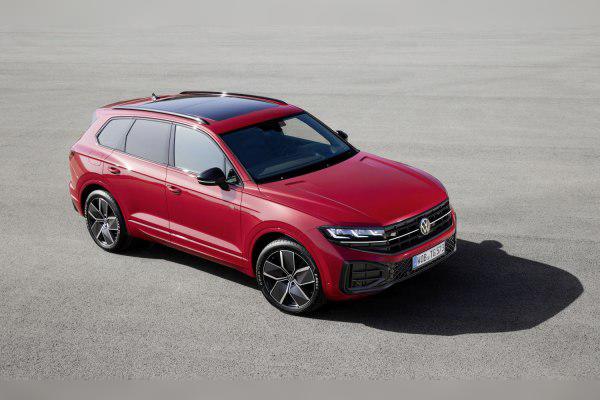
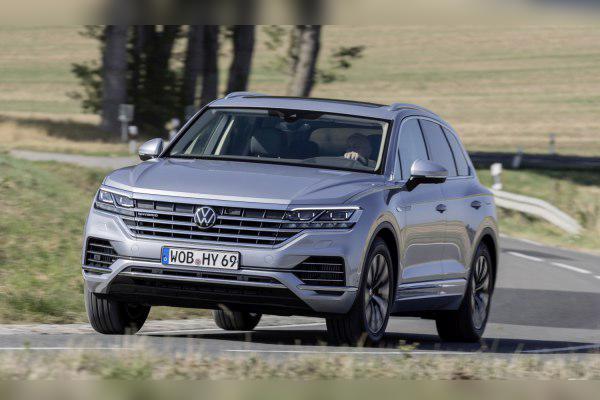
VW 3.0 V6 TDI (DEND) – Experiences, issues, fuel consumption and used-car buying tips
Key points in short (TL;DR)
- Complex timing chain system: The engine uses timing chains located at the rear of the engine. Replacement is labor-intensive and very expensive.
- Throttle response: The factory throttle pedal map has noticeable delay (the so‑called “turbo lag”), especially when starting from a standstill, due to emissions regulations.
- AdBlue system: Frequent issues with sensors, pumps and injectors for the AdBlue fluid.
- Gearbox: Paired with the excellent ZF 8‑speed automatic (Tiptronic), which is more reliable than DSG gearboxes in this class.
- Potential: This is a “detuned” version of the engine. Mechanically it is almost identical to the more powerful variants, so it is very suitable for a software power increase.
- Maintenance: Not an engine for those on a tight budget. Regular servicing requires a large amount of oil and high‑quality parts.
Contents
- Technical specifications
- Reliability and maintenance
- Specific components (costs)
- Fuel consumption and performance
- Additional options and modifications
- Gearbox
- Buying used and conclusion
Introduction
The engine with the code DEND belongs to the modern generation of Volkswagen V6 diesel units (EA897 series, most often evo2 or evo3 variation depending on the exact production year within the Touareg CR generation). This is the entry‑level version of the three‑liter diesel in the massive VW Touareg III. With 231 hp, it represents the base of the range, designed to offer the smoothness of a V6 engine with slightly lower registration and insurance costs in certain countries, compared to its 286 hp sibling. Although this is the “weaker” version, it is a technologically advanced unit burdened with strict emissions standards, which directly affects its driving behavior and maintenance.
Technical specifications
| Parameter | Value |
|---|---|
| Engine displacement | 2967 cc (3.0 V6) |
| Power | 170 kW (231 hp) |
| Torque | 500 Nm at 1750–3000 rpm |
| Engine code | DEND |
| Injection type | Common Rail (Piezo injectors) |
| Charging | Turbocharger (VGT) + intercooler |
| Configuration | V6 (cylinders at a 90‑degree angle) |
| Emissions standard | Euro 6d‑TEMP / Euro 6d |
Reliability and maintenance
Timing system: chain or belt?
The DEND engine uses a timing chain (more precisely, a system of multiple chains). What matters for owners is that the chain mechanism is located at the rear of the engine, next to the gearbox. Although the chains on this generation (EA897evo) are more durable than on the old 3.0 TDI engines from the 2000s, they are not eternal. A key symptom is rattling on cold start that lasts longer than 3–4 seconds. If you hear a metallic scraping noise while the engine is running, it is a sign that the tensioners have weakened or the chain has stretched. Replacement is very expensive (depends on the market) because the engine has to be removed from the vehicle.
Most common failures
Besides the chain, owners most often encounter coolant leaks at the thermostat housing or in the V‑section of the engine (between the cylinder banks) where the oil cooler and EGR cooler are located. Also, oil leaks at the crankshaft seal (towards the gearbox) are a known issue that requires removing the gearbox. Electronic turbo actuators can cause problems, leading to loss of power and the car going into “safe mode”.
Service intervals and oil
There is no major service in the classic sense (belt replacement) because of the chain, but the serpentine belt (auxiliary belt) with tensioners and water pump is usually replaced at around 180,000 to 210,000 km, or earlier if cracks are noticed.
The engine takes a large amount of oil, usually around 7.5 to 8 liters (always check the exact amount by VIN, as sumps vary). Recommended viscosity is 5W‑30 or 0W‑30 that meets the strict VW 507.00 specification (Low SAPS due to the DPF). On the newest models (2021+) 0W‑20 (VW 509.00) may be required, but 5W‑30 is the golden standard for longevity. An oil service should be done at a maximum of 15,000 km or once a year, never at 30,000 km (LongLife), if you want to preserve the chain.
Oil consumption and injectors
This engine can consume some oil, especially if driven aggressively. Consumption of 0.5 to 0.8 liters per 10,000 km is considered acceptable and normal. If it consumes more than a liter over a service interval, the turbo and piston rings should be checked.
As for the injectors, Piezo Common Rail injectors are used. They are precise and quiet, but sensitive to poor‑quality fuel. Their typical lifespan is over 200,000–250,000 km. Symptoms of failure are rough idle, increased smoke under acceleration or difficult starting. Overhauling Piezo injectors is often impossible or unsuccessful, so they usually have to be replaced with new ones, which is expensive (depends on the market).
Specific components (costs)
Turbocharger and EGR
The DEND engine uses a single variable‑geometry turbocharger (VGT). It is not a bi‑turbo variant. Turbo lifespan is long (over 200,000 km) with regular oil changes and proper cooldown after fast driving.
The EGR valve and EGR cooler are integrated and prone to soot buildup, especially if the car is driven mostly in the city. Symptoms are loss of power and the “Check Engine” light. Cleaning is possible in the early stages, but replacement is common.
DPF and AdBlue (SCR)
This is the Achilles’ heel of modern Euro 6 diesels. The DPF filter regenerates successfully on open roads, but city driving kills it. However, an even bigger problem is the AdBlue system. Heaters in the AdBlue tank, the pump and the dosing module often fail due to urea crystallization. AdBlue system repairs are expensive, and ignoring a fault will eventually prevent the engine from starting after a certain number of kilometers.
Fuel consumption and performance
City driving and “sluggishness”
Real‑world city consumption for a Touareg with this engine is between 9.5 and 12 liters per 100 km, depending on traffic and how heavy your right foot is. Keep in mind that the car weighs over 2 tons.
Is the engine sluggish? Yes and no. With 500 Nm it has plenty of torque, but the problem is the software‑induced throttle response delay. When you press the accelerator, it takes a second or two before the car really “pulls”. This is intentionally done because of WLTP eco‑norms to reduce sudden spikes in exhaust emissions. Many drivers find this annoying when entering roundabouts or junctions.
Highway
On open roads this engine shines. It cruises at 130 km/h at a very low 1,800–2,000 rpm (thanks to the 8‑speed gearbox). Fuel consumption then drops to 7.0–8.5 l/100 km. The engine is extremely quiet and refined, ideal for long journeys.
Additional options and modifications
Remapping (Stage 1)
This engine is an ideal candidate for a Stage 1 remap. Since the DEND (231 hp) is mechanically almost identical to the more powerful versions (from 286 hp), it is factory‑detuned. With a safe remap you can easily achieve 280–300 hp and 600+ Nm. This not only increases power, but can also fix the irritating throttle delay, making the car much more pleasant to drive. This is one of the best investments for this engine.
Gearbox: ZF 8HP (Tiptronic)
Type of gearbox and maintenance
The DEND engine is paired exclusively with an automatic gearbox, namely the famous ZF 8HP (8 speeds). VW calls it Tiptronic. This is NOT a DSG (S‑Tronic) dual‑clutch gearbox, but a conventional automatic with a hydraulic torque converter.
This is great news because the ZF 8HP is probably the best automatic gearbox on the market. It is very reliable and comfortable. Although VW claims the oil is “lifetime fill”, the gearbox manufacturer (ZF) strictly recommends changing the oil and the pan (which contains the filter) every 80,000 to 100,000 km. This is crucial for long life.
Most common issues and “dual‑mass flywheel”
Failures are rare, mostly related to the mechatronics unit if the oil is not changed. Oil leaks from the gearbox pan are possible.
Does it have a dual‑mass flywheel? This system uses a hydraulic torque converter instead of a clutch, but it also has a flexplate that serves to dampen vibrations. It is not a wear item like on manual or DSG gearboxes and is rarely replaced, except in cases of extreme mileage or failure. So you will not face the typical cost of replacing a clutch kit and dual‑mass flywheel as on 2.0 TDI models.
Buying used and conclusion
Before buying a Touareg with the DEND engine, make sure to check:
- Cold start: Listen for chain rattling during the first few seconds. If it doesn’t stop immediately, walk away or negotiate a price reduction of 1500–2000 EUR (depending on the market).
- Leaks: Remove the plastic engine cover and check for oil or coolant in the “valley” between the cylinder heads.
- Diagnostics: Check the DPF filter status (ash load) and the AdBlue system.
- Gearbox service history: If the car has over 150,000 km and the gearbox oil has never been changed, that is a risk.
Final verdict
The VW Touareg with the 3.0 TDI (231 hp) engine is the king of long‑distance travel. The engine is robust, but it requires an owner who is willing to pay for quality maintenance. The 231 hp version is a good choice if you want to save on the initial purchase price, as it is often sold cheaper than the more powerful versions, and with a simple remap you can get the same performance. If you are looking for cheap running costs for city driving, this is not the car for you.
Was this content useful to you?
Your opinion helps us to improve the quality of the content.