DMV Engine
- Engine
- 3956 cm3
- Aspiration
- BiTurbo, Intercooler
- Fuel
- Diesel
- Fuel injection system
- Diesel Commonrail
- Power
- 422 hp
- Torque
- 900 Nm
- Cylinders
- 8
- Valves
- 32, 4 per cylinder
- Cylinders position
- V-engine
- Oil capacity
- 9.1 l
- Systems
- Particulate filter
# Vehicles powered by this engine
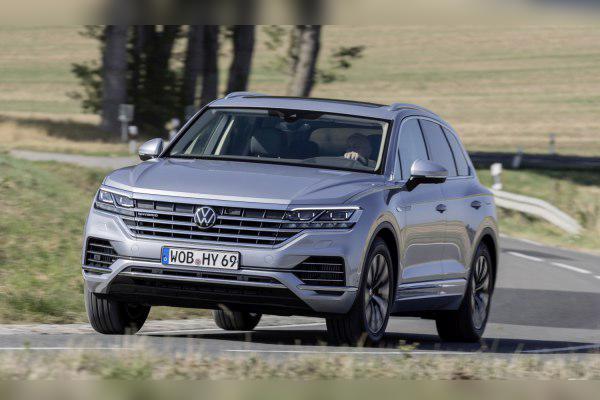
4.0 V8 TDI (DMV): Experiences, problems, fuel consumption and buying used
When engineering arrogance meets the desire to dominate the autobahn, you get an engine like the DMV 4.0 V8 TDI. This is probably one of the last “dinosaurs” of the diesel era – an engine that offers truck-like torque in a luxury SUV package. It is installed in the third-generation VW Touareg (CR), and shares its DNA with models such as the Audi SQ7 and Bentley Bentayga.
This is not an engine for someone who wants to save money. This is an engine for someone who wants to tow a speedboat uphill at 130 km/h without going over 2,500 rpm. Still, like any complex machine, it requires specific maintenance and a deep pocket when things go wrong.
Key points (TL;DR)
- Unmatched performance: 900 Nm of torque makes the heavy Touareg body behave like a hot hatch.
- System complexity: It has two turbochargers plus an electric compressor (EPC) that runs on a 48V system.
- Maintenance: Regular maintenance is expensive, and unexpected repairs can be financially devastating (depends on the market).
- Fuel consumption: Surprisingly low on the open road, but in the city it drinks like a tank.
- Transmission: Paired with a top-notch ZF 8-speed automatic, which is great news for reliability.
- Recommendation: Only buy examples with impeccable service history and a verified timing chain.
Contents
- Technical specifications
- Reliability and maintenance
- Specific parts and systems
- Fuel consumption and performance
- Transmission and drivetrain
- Additional options and tuning
- Conclusion and buying advice
Technical specifications
| Parameter | Value |
|---|---|
| Engine code | DMV (EA898 family) |
| Displacement | 3956 cc (4.0 L) |
| Configuration | V8 |
| Power | 310 kW (422 hp) |
| Torque | 900 Nm at 1250–3250 rpm |
| Injection type | Common Rail (Piezo injectors) |
| Forced induction | Bi-turbo + Electric compressor (EPC) |
| Camshaft drive | Chain |
Reliability and maintenance
Timing system: chain or belt?
The DMV engine uses a chain to drive the camshafts. However, this is not a simple system. The timing assembly is located at the rear of the engine (towards the gearbox), which means that any serious work on the chains requires removing the entire engine from the car. Although the chains on this generation (EA898) are more durable than on the older 4.2 TDI engines, they are still prone to stretching after high mileage (over 200,000–250,000 km) or due to poor maintenance (overly long oil change intervals). Rattling on cold start is the first warning sign.
Minor and major service
This engine does not have a classic “major service” like belt-driven engines where you replace the kit every 100,000 km. The chain is designed to last for the “lifetime” of the engine (according to the manufacturer), but in practice, checking the chain and tensioners is recommended after 200,000 km. Replacing the auxiliary belt and related pulleys (which drive the alternator and other accessories) is mandatory and relatively affordable.
As for the oil, this engine is a “swimming pool”. It takes about 9.2 to 9.5 liters of oil (depending on whether the filter is changed). Only fully synthetic oil of grade 0W-30 or 5W-30 that meets the strict VW 507.00 specification is recommended. Do not experiment with cheap oils on this engine.
Oil consumption
Due to the very construction of the V8 engine and the two turbos, a certain oil consumption is normal. Expect the engine to consume between 0.5 and 1 liter of oil per 10,000 km, especially if driven aggressively on the highway. Anything above that requires checking the turbochargers or piston rings.
Injectors and fuel injection system
High-pressure Piezo-electric injectors (over 2000 bar) are used. They are generally reliable, but extremely sensitive to poor fuel quality. The first symptoms of problems are rough idle, increased smoke when accelerating, or difficult starting. Overhauling is often impossible or short-lived, so they are usually replaced with new ones, which is very expensive (depends on the market, but expect a serious amount per piece).
Specific parts (costs)
Complex turbo system and EPC
This is where we get to the engineering delicacy, but also a potential nightmare. The engine has two conventional turbochargers that work sequentially (one for low, the other for high revs). In addition, there is an Electric compressor (EPC) powered by the 48V system. Its role is to build up boost pressure until the turbochargers spool up, eliminating turbo lag.
Failures: If the EPC fails, the car loses that instant throttle response. Also, the 48V system itself (separate battery and electronics) adds another layer of complexity. With proper cooling and regular oil changes, the turbos can last over 250,000 km, but their overhaul/replacement requires many labor hours.
Emissions: DPF, EGR and AdBlue
To make this beast comply with Euro 6 standards, it is packed with emissions equipment. The DPF filter and EGR valve are standard, but problems arise if the car is driven exclusively in the city. The V8 TDI is not made for stop-and-go driving; that will quickly clog the DPF.
The AdBlue system is a story of its own. Failures of the AdBlue fluid heater (often integrated into the tank or pump) and of the dosing injectors are common. The symptom is the “Check Engine” light and a countdown of remaining kilometers until the engine can no longer be started.
Engine mounts
It is worth noting that this engine uses active electro-hydraulic engine mounts to eliminate vibrations from the V8 unit. They are expensive (depends on the market) and when they start leaking, the engine begins to transmit unpleasant vibrations to the body.
Fuel consumption and performance
City driving
Do not be fooled by the official figures. In real city traffic, this Touareg will use between 12 and 15 liters per 100 km. With cold starts and short trips in winter, that figure goes even higher.
Open road and highway
This is the natural habitat of the 4.0 V8 TDI engine. At 130 km/h, the engine is spinning at extremely low revs (thanks to the 8th gear), and fuel consumption drops to an impressive 8 to 9 liters. If you are gentle on the throttle on country roads, it is possible to go below 8 liters, which is an engineering marvel for a 2.5-ton car.
Is the engine lazy?
Absolutely not. With 900 Nm available from just 1250 rpm, the feeling of acceleration is brutal. A Touareg with this engine “jumps” off the line. Overtaking is a matter of pure thought – you press the throttle and you’re already past. There is no sense of the vehicle’s weight; the engine plays with the body.
Additional options and modifications
Remapping (Stage 1)
This engine responds extremely well to remapping (“chipping”), because it is factory “detuned” so as not to threaten more expensive models within the VW Group (Bentley, Audi RSQ8).
A safe Stage 1 can raise power to about 500+ hp and torque to over 1000 Nm. However, be careful: the gearbox and differentials are subjected to enormous stress. Overdoing the torque can shorten the lifespan of the torque converter and driveshafts. Also, keep an eye on exhaust gas temperatures (EGT) because of the DPF filter.
Transmission: ZF 8HP
Good news! The Touareg CR with this engine does not use a DSG dual-clutch gearbox, but a conventional automatic with a torque converter (Tiptronic), specifically from the ZF 8HP series.
Reliability and failures
This is one of the best automatic transmissions in the world. It is very robust and handles high torque perfectly. There is no clutch pack that wears out like on manual gearboxes or DSG units.
Dual-mass flywheel: Yes, the engine has a dual-mass flywheel in front of the converter to further smooth out vibrations. Replacement is expensive, but it lasts significantly longer than on models with a manual gearbox.
Maintenance: Although VW often states that the transmission oil is “lifetime”, the transmission manufacturer (ZF) recommends changing the oil and filter (transmission pan) every 80,000 to 100,000 km. This is crucial for longevity. If the gearbox starts to “kick” or hesitate when changing gears, the first step is an oil change and flush.
Buying used and conclusion
What to check before buying?
- Cold start: Listen to the engine when it is completely cold. Any rattling that lasts longer than 1–2 seconds indicates a problem with the chain tensioners.
- Oil leaks: V8 engines like to “sweat”. Check the area between the two cylinder banks (in the V) where the oil cooler and filter housing are located. Leaks here are hard to spot without removing covers.
- 48V system: Use diagnostics to check for any faults related to the 48-volt battery or the electric compressor. Repairs are expensive.
- Suspension and brakes: The Touareg V8 is heavy. Discs and pads wear quickly, and the tires are large (often 20–21 inches), so check their condition because a set of tires costs a small fortune.
Final verdict
The VW Touareg 4.0 V8 TDI is a car for connoisseurs and people who know what they are buying. It is not intended for short city trips to the grocery store – that will destroy it. It is meant for drivers who cover high mileages on open roads, tow heavy trailers (boats, horses), or simply want a reserve of power at any moment.
If you can afford the maintenance (which is at premium-class level) and registration, you will get one of the best powertrains ever made in the diesel world. If your maintenance budget is tight, stay away from this engine and look for the 3.0 V6 TDI, which is a much more rational choice.
Was this content useful to you?
Your opinion helps us to improve the quality of the content.