CHZA Engine
- Engine
- 999 cm3
- Aspiration
- Turbocharger, Intercooler
- Fuel
- Petrol (Gasoline)
- Fuel injection system
- Direct injection
- Power
- 90 hp
- Torque
- 160 Nm
- Cylinders
- 3
- Valves
- 12, 4 per cylinder
- Cylinders position
- Inline
- Oil capacity
- 4 l
# Vehicles powered by this engine
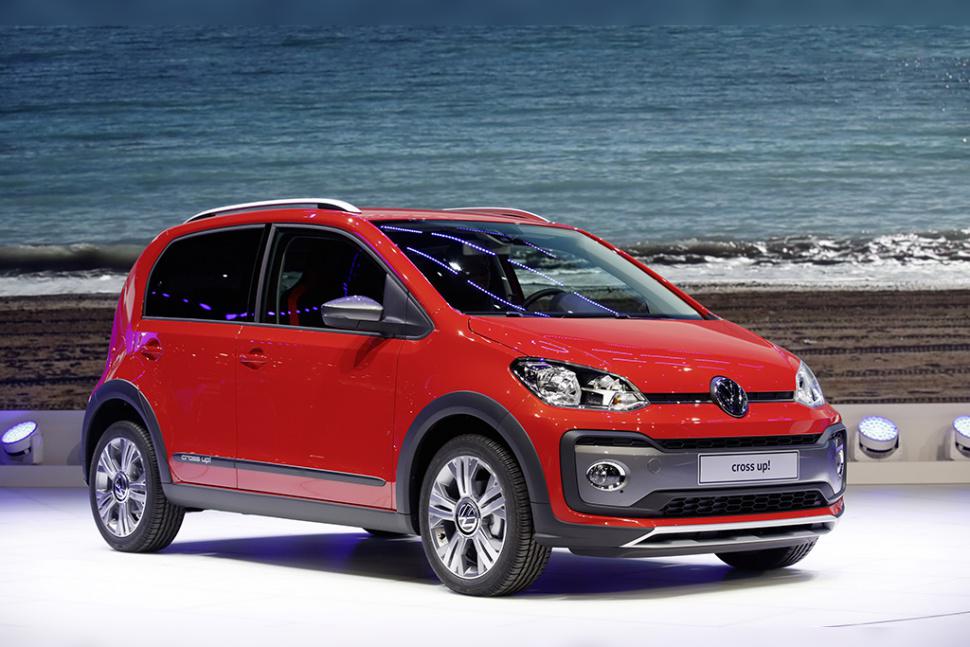
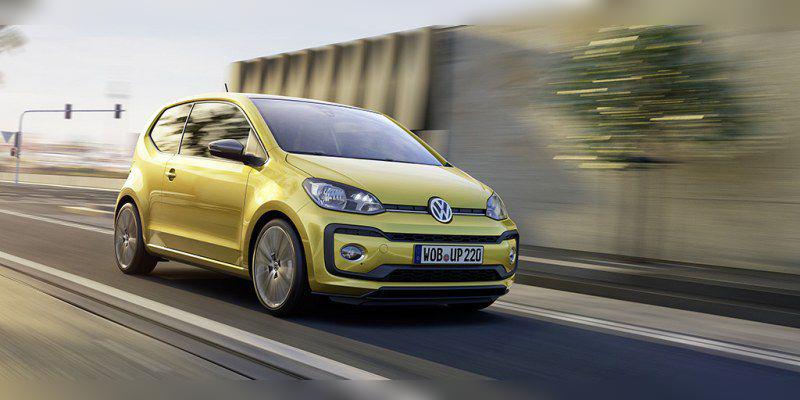
In short (TL;DR)
- Timing drive: Uses a timing belt, not the problematic chain from older generations. Very reliable system.
- Performance: In the light VW Up! body, these 90 hp make the car surprisingly lively and capable on the highway.
- Economy: Extremely low fuel consumption, realistically around 5.0–6.0 liters in mixed driving.
- Maintenance: Generally affordable, no dual-mass flywheel (in most cases), and the clutch is cheap.
- Main downside: Possible carbon buildup on intake valves due to direct injection and water pump leaks.
- Recommendation: An excellent choice for a city car that occasionally has to go on longer trips. A much better choice than the naturally aspirated 1.0 MPI engine.
Contents
- Introduction: A small giant in the VW Group
- Technical specifications
- Reliability and maintenance
- Specific parts and costs
- Fuel consumption and performance
- Additional options and modifications (LPG & tuning)
- Gearbox and drivetrain
- Buying used and conclusion
VW 1.0 TSI (CHZA) – Experiences, issues and buying used
The engine with the code CHZA is a turning point for the smallest Volkswagen Group models, primarily for the VW Up! and its “pseudo-off-road” version Cross Up!. Until this engine arrived (facelift in 2016), these cars were stuck with naturally aspirated engines that were great in the city but weak and sluggish on open roads.
This three-cylinder belongs to the EA211 engine family. That’s a key piece of information because it means VW corrected many of the mistakes from the past (EA111 series). This is a modern small turbo petrol engine that offers a fantastic balance of power and fuel consumption. Although 90 horsepower doesn’t sound like much on paper, in a car weighing less than one ton this engine delivers a driving feel far above expectations.
Technical specifications
| Specification | Data |
|---|---|
| Engine code | CHZA |
| Displacement | 999 cc (1.0 L) |
| Configuration | R3 (3 cylinders in-line), 12 valves |
| Power | 66 kW (90 hp) @ 5000–5500 rpm |
| Torque | 160 Nm @ 1500–3500 rpm |
| Injection type | TSI (direct injection) |
| Induction | Turbocharger + intercooler (integrated into the intake manifold) |
Reliability and maintenance
When talking about 1.0 TSI engines from the EA211 series, the first and most important news is good: the engineers learned their lesson.
Timing belt or chain?
The CHZA engine uses a timing belt. This is a big advantage over older TSI engines that had problematic chains. The belt on this engine is reinforced and designed to last a very long time. VW often lists “inspection” intervals after 240,000 km, but the realistic recommendation from mechanics is to replace the complete timing belt kit at 180,000–210,000 km or every 7 to 10 years, whichever comes first. (Service cost: mid-range, depends on the market).
Most common issues
Although reliable, the CHZA is not without flaws:
- Water pump and thermostat housing: This is its Achilles’ heel. The module is made of plastic and often develops coolant leaks or a sticking thermostat. Symptoms are coolant loss or engine overheating.
- Turbo actuator (wastegate): The actuator rod can stick or rattle. If it seizes, the car loses power and the “Check Engine” light comes on.
- Carbon buildup: Due to direct injection, the intake valves are not washed by fuel. Over time, carbon deposits build up, which can reduce performance and cause rough running.
Service intervals and oil
Minor services are done at fixed 15,000 km intervals or once a year (preferably every 10–12 thousand for longevity). The engine takes about 4.0 liters of oil (always check the dipstick, sumps can vary). The recommended grade is usually 5W-30 (VW 504.00/507.00) or the newer 0W-20 (VW 508.00) for the latest model years. Check the sticker under the bonnet.
As for oil consumption, EA211 engines are significantly better than their predecessors. Consumption up to 0.5 liters per 10,000 km is acceptable, but anything above that points to issues with piston rings or the turbo, which is not common at low mileage.
Spark plugs
Since this is a turbocharged direct-injection petrol engine, the spark plugs are under higher stress. Replacement is recommended every 60,000 km or 4 years. Use only iridium or platinum plugs according to factory specification.
Specific parts (costs)
This is where we get to the financial side of the story, which interests every used-car buyer.
Dual-mass flywheel
Good news: The 90 hp CHZA engine in the VW Up! most often does NOT have a dual-mass flywheel. It uses a conventional solid flywheel because the 160 Nm of torque doesn’t require a complex vibration-damping system like in more powerful models. This drastically lowers the cost of clutch replacement. (Always verify by VIN, but there’s a 99% chance it’s a solid flywheel).
Injection system and turbo
The injection system is high-pressure (direct injection) with injectors that spray fuel directly into the cylinder. The injectors are generally durable but sensitive to poor fuel quality. Replacing a single injector can be expensive (market-dependent).
The engine has a single turbocharger. Its lifespan is usually equal to the engine’s lifespan with regular maintenance. The turbo is small, spools up quickly and the intercooler is water-cooled (integrated into the intake manifold), which means the air path is short and throttle response is instant.
DPF, EGR, GPF
This engine does NOT have a DPF (because it’s not a diesel) and does NOT use AdBlue. However, it does have an EGR valve that routes exhaust gases back for re-combustion. On petrol engines it clogs less often than on diesels, but it’s still possible.
Important note about GPF (OPF): Models produced from late 2018 onwards (Euro 6d-TEMP standard) have a GPF filter (gasoline particulate filter). 2016 and 2017 models (CHZA) usually don’t have it, which is an advantage as it’s one less component to maintain.
Fuel consumption and performance
Is the engine “lazy”?
Absolutely not. The VW Up! with this engine is a “pocket rocket”. With 160 Nm of torque available from just 1500 rpm, the car pulls linearly and strongly. In the city it’s eager off the line, and overtaking on country roads is safe. There’s none of the struggling feeling you get with the 1.0 MPI (60/75 hp) versions.
Real-world fuel consumption
- City driving: Expect between 5.5 and 6.5 l/100 km. If you have a heavy right foot and constantly “wake up” the turbo, it can go up to around 7.5 liters.
- Open road: At 80–90 km/h, consumption drops to a ridiculous 4.0–4.5 l/100 km.
- Motorway (130 km/h): At this speed, the engine spins at about 3000 rpm (in 5th gear). Consumption is then around 5.5–6.0 l/100 km. Cabin noise is acceptable, and the engine still has enough power in reserve to accelerate to 150 km/h without any problem.
Additional options and modifications
LPG conversion
Is it possible? Yes. Is it worth it? Probably not. Since this is a direct-injection (TSI) engine, it requires a specific sequential LPG system that either uses liquid-phase injection (very expensive) or “adds” petrol while running on gas (for example, 20% petrol and 80% LPG) to cool the injectors. Considering the engine’s already low petrol consumption and the high cost of LPG systems for TSI engines (market-dependent, but generally in the “expensive” category), the economics are questionable unless you drive more than 30,000 km per year.
Chiptuning (Stage 1)
This engine is very suitable for remapping. The factory has deliberately limited it. A safe “Stage 1” can raise power from 90 hp to around 110–115 hp and torque to about 200 Nm. The difference in driving is dramatic, turning the Up! into a genuinely sporty little car, without significantly affecting longevity if driven sensibly.
Gearbox
The CHZA engine in the VW Up! is most commonly paired with a 5-speed manual gearbox (MQ200 series). There are also automatic options, but they are rarer in this combination (often reserved for more powerful or weaker engines depending on the market).
Manual gearbox issues
The gearbox is precise and light to operate. The most common “fault” isn’t a real fault but a characteristic – sometimes it’s harder to engage reverse (you need to press the clutch again). Apart from that, the gearbox is robust.
Gearbox oil change: Although VW claims it’s “lifetime fill”, it’s recommended to change it every 100,000 km or 5–6 years. This extends the life of the synchronizers and bearings.
The cost of replacing the clutch kit is relatively low (falls into the “not expensive” category) because there is no dual-mass flywheel.
Buying used and conclusion
The VW Up! with the 1.0 TSI (90 hp) engine is probably the best version of this model you can buy.
What to check before buying?
- Cold start: Listen to the engine when it’s cold. There should be no metallic rattling (wastegate actuator).
- Signs of leaks: Look around the water pump housing (on the side of the engine). Pink residue is a sign of coolant leakage.
- Idle quality: The engine should idle smoothly when warm. Shaking or rough idle can indicate dirty valves or bad spark plugs.
- Clutch: Check where it bites. If it engages very high, it will soon need replacing.
Verdict: If you’re looking for a small city car that isn’t afraid of the motorway, has low running costs and is fun to drive, the CHZA engine is a bullseye. Avoid the very cheapest examples with dubious service history and you’ll have a reliable companion.
Was this content useful to you?
Your opinion helps us to improve the quality of the content.