L2B Engine
- Engine
- 1485 cm3
- Aspiration
- Naturally aspirated engine
- Fuel
- Petrol (Gasoline)
- Fuel injection system
- Multi-port manifold injection
- Power
- 113 hp @ 6000 rpm
- Torque
- 141 Nm @ 4000 rpm
- Cylinders
- 4
- Valves
- 16, 4 per cylinder
- Cylinders position
- Inline
- Valvetrain
- DVVT
- Oil capacity
- 3.5 l
- Coolant
- 6.5 l
# Vehicles powered by this engine
GM 1.5 DVVT (L2B) – Experiences, problems, fuel consumption and buying tips
Key points (TL;DR)
- Simplicity: This is a classic naturally aspirated “old school” petrol engine – no turbo, no direct injection, which means fewer expensive failures.
- Timing chain: It uses a timing chain which is generally durable, but requires quality oil.
- Performance: The engine is sluggish by today’s standards. It lacks low-end torque, so it requires frequent gear changes.
- LPG (Autogas): An ideal candidate for LPG conversion thanks to its MPi injection.
- Maintenance: Regular maintenance is not expensive, but parts availability in Europe can vary because this engine is common in models for the Chinese and South American markets.
- Recommendation: An excellent choice for drivers who just want simple transport from point A to point B and want to avoid modern complications like DPF and dual-mass flywheels.
Contents
Introduction and applications
The engine designated as L2B belongs to GM’s S-TEC III engine family. Although it carries the Chevrolet badge, it’s important to know that this unit is the result of cooperation within the SAIC-GM-Wuling group. This means it was primarily designed for developing markets (China, Latin America, parts of Asia and Eastern Europe), where the priorities are durability, simplicity and low production cost, rather than top performance or the latest emission standards.
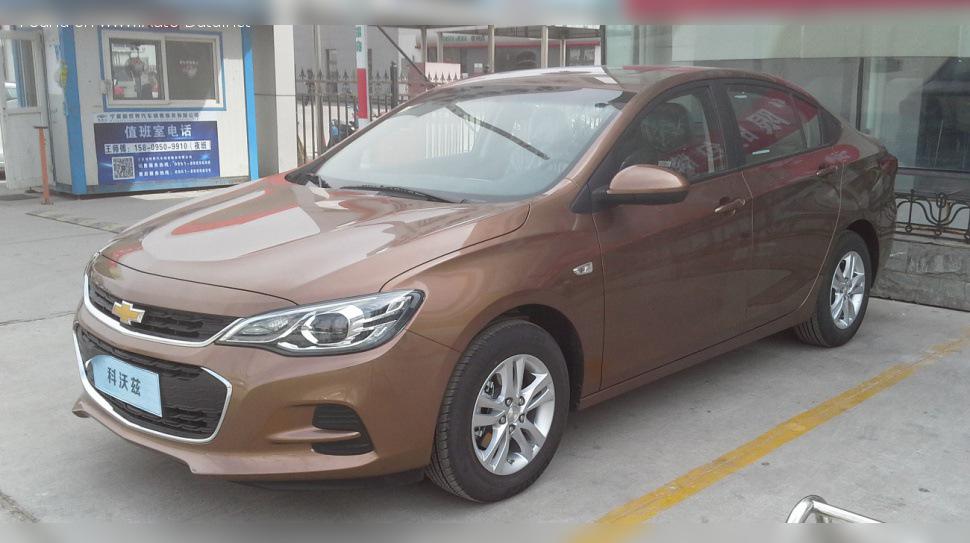
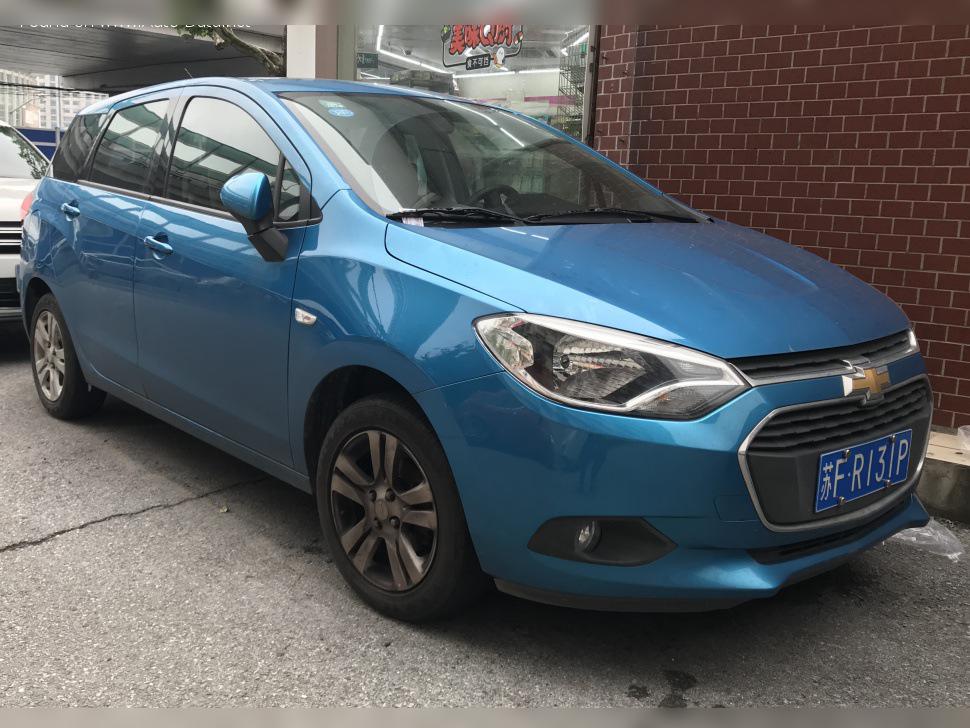
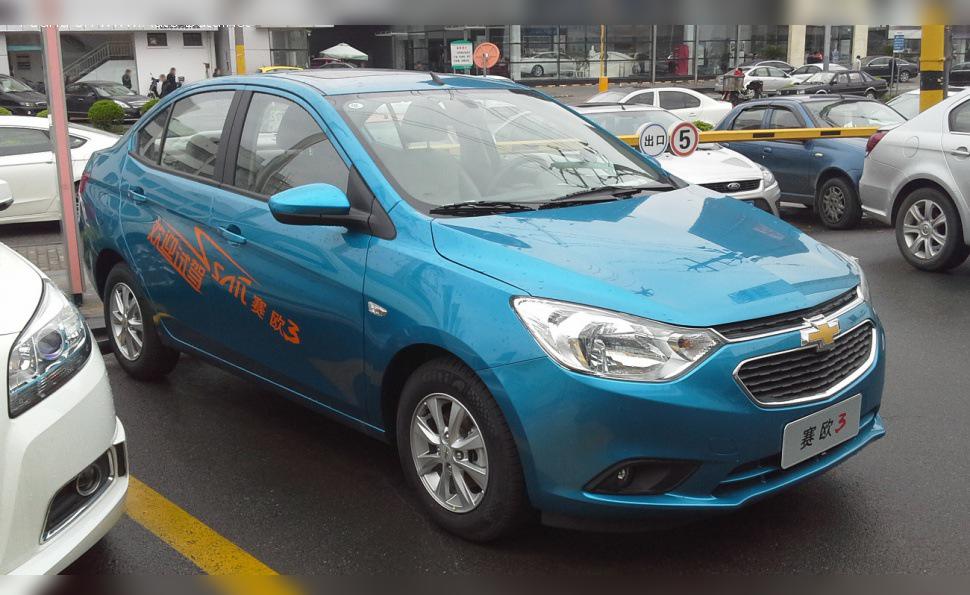
It is installed in models such as the Chevrolet Cavalier, Sail and Lova RV. This is not the same engine as the 1.5 Ecotec we see in the Opel Astra K (which has a turbo and direct injection), but a much simpler unit. For the driver, this is good news if you’re looking for cheap maintenance, but bad news if you expect sporty performance.
Technical specifications
| Specification | Value |
|---|---|
| Engine code | L2B (S-TEC III) |
| Displacement | 1485 cc (1.5 litres) |
| Power | 83 kW (113 hp) @ 6000 rpm |
| Torque | 141 Nm @ 4000 rpm |
| Fuel type | Petrol (naturally aspirated) |
| Valve train | DOHC, 16 valves, chain, DVVT |
| Injection | Multipoint (MPi) |
| Turbo | NO |
Reliability and maintenance
Does this engine have a timing belt or a chain?
The L2B engine uses a timing chain for the valve train. In theory this is good news because there is no regular belt replacement. However, the chain is not eternal. Experience shows that the chain on these engines can start to make noise (rattle) after 150,000 to 200,000 km, especially if the oil has been changed infrequently. The DVVT system (variable valve timing) also depends on oil pressure, so system cleanliness is crucial.
What are the most common failures on this engine?
Although robust, the L2B has a few “weak spots”:
- Oil leaks from the valve cover: The valve cover gasket is a common problem. The rubber hardens from heat and oil starts to seep over the engine, which you notice as a burning smell in the cabin.
- Ignition coils: They can fail, causing rough running and the “Check Engine” light to come on.
- Cooling system: The thermostat housing is plastic and prone to cracking after years of use, which leads to coolant loss.
- Deposit build-up: If the car is driven exclusively in the city on short trips, the DVVT solenoids can get dirty, which leads to loss of power.
At what mileage is the major service done?
Since it has a chain, the classic “major service” is not done at a fixed mileage like with a belt. However, the auxiliary belt (serpentine belt), tensioners and water pump should be checked and replaced if necessary at around 100,000 km or every 5–6 years. The chain is replaced only if symptoms appear (rattling).
Oil: quantity and grade
The engine takes approximately 3.75 to 4.0 litres of oil (always check the dipstick). The recommended grade is 5W-30 with Dexos 1 or Dexos 2 specification. Do not experiment with thicker oils (e.g. 10W-40) because the DVVT system and chain need fast lubrication at cold start.
Does it consume oil?
The L2B is not known as a heavy oil burner while in good condition. Consumption of up to 0.5 litres per 10,000 km is acceptable. If it uses more, it is usually due to valve stem seals (at higher mileage) or leaks at seals/gaskets, rather than worn piston rings.
Specific parts (costs)
Does the engine have a dual-mass flywheel?
No. This is one of the biggest advantages of this engine. Due to the low torque (141 Nm), it uses a conventional solid flywheel. The clutch kit is relatively cheap and straightforward to replace.
Injection system and injectors
It uses classic Multipoint (MPi) injection into the intake manifold. This is an older but much more reliable system than direct injection. The injectors are robust, rarely fail and are not as sensitive to poorer fuel quality as on more modern engines.
Turbocharger
The engine is naturally aspirated, so it has no turbocharger. That means no turbo overhaul costs, no intercooler that can crack, and no worries about cooling the turbo after driving.
EGR and DPF
As a petrol engine, it does not have a DPF filter. It has a catalytic converter which can fail if the car is driven with ignition problems (bad spark plugs/coils). It has an EGR valve for exhaust gas recirculation. It can get clogged with soot, which shows up as jerking under light throttle, but it can often be cleaned without replacement.
Fuel consumption and performance
Real-world city fuel consumption
Do not expect miracles. Although it’s only 1.5 litres, the engine has to rev to move a heavier body. In pure city driving, real consumption is between 8.5 and 10 litres per 100 km, depending on traffic and how heavy your right foot is. In winter it can go up to 11 litres.
Is the engine “lazy”?
Objectively – yes. With 141 Nm of torque available only at a high 4000 rpm, this engine feels weak at low revs. In models like the Chevrolet Cavalier or Lova RV, you will feel a lack of power when starting uphill or when the car is fully loaded with passengers and luggage. For overtaking, you must shift down one or two gears and rev the engine above 4500 rpm.
Behaviour on the motorway
This is not an Autobahn cruiser. At 130 km/h, in fifth gear (if it’s a 5-speed manual), the engine spins at about 3500–3800 rpm. That creates noise in the cabin and raises fuel consumption to about 7.0–7.5 l/100 km. It lacks “breath” for in-gear acceleration at those speeds.
Additional options and modifications
LPG conversion
An excellent candidate. Thanks to MPi injection and hydraulic tappets (which self-adjust valve clearance), this engine handles LPG very well. Installation is simple, and a sequential LPG system is cheaper than for engines with direct injection. It is recommended to install a valve lubrication system (“valve saver”) as a preventive measure, although it is not strictly necessary if the car is not constantly driven in the red zone.
Chip tuning (Stage 1)
Forget it. On a naturally aspirated engine of this displacement, chip tuning can give you maybe 3 to 5 hp, which is imperceptible in real driving. It’s better to invest that money in quality tyres or regular servicing.
Gearbox: manual and automatic
Types of gearboxes
The L2B engine is most commonly paired with:
- Manual: 5-speed or, more rarely, 6-speed gearbox.
- Automatic: Depending on the market and model, you will find a classic 6-speed automatic (GM Hydra-Matic) or, in newer versions (e.g. Cavalier), a DSS (Dynamic Start/Stop) system which is often paired with a more efficient automatic or even a CVT in certain Asian variants. The Lova RV model often comes with an older 4-speed automatic.
Most common issues
Manual: Very reliable. Possible problems include gear selector cables (hard to engage gears) or oil leaks at driveshaft seals. The cost of replacing the clutch kit is low to moderate.
Automatic: GM’s 6-speed automatics are known to overheat if not maintained. Symptoms of failure include jerking during gear changes, the gearbox “thinking” too long, or slipping.
Gearbox servicing
- Manual: It is recommended to change the oil at 80,000–100,000 km, even though the manufacturer often says it is not necessary.
- Automatic: Oil and filter changes every 60,000 km are MANDATORY. If you have an automatic gearbox, this is crucial for its long life. Automatic gearbox repair is very expensive.
Buying used and conclusion
When buying a car with the L2B engine, pay attention to the following:
- Cold start: Ask the seller to keep the engine completely cold. Listen carefully during the first 3–5 seconds after starting. If you hear a loud metallic rattle that does not stop immediately, the chain needs replacing.
- Valve cover: Run your hand or a torch around the valve cover. Traces of fresh oil mean the gasket is leaking.
- Coolant: Check the coolant reservoir. It should be clean, pink or orange. If it’s brown or has “mayonnaise” in it, walk away from that car (oil and coolant mixing).
- Diagnostics: Check the operation of the ignition coils and the catalytic converter.
Final verdict
The 1.5 DVVT (L2B) engine is a workhorse. It is not intended for enthusiasts, nor for drivers who spend a lot of time in the fast lane on the motorway. It is aimed at drivers who want predictability. Maintenance is cheap (unless you need body-specific parts for Chinese-market models), there are no expensive diesel components, and in general it will serve you well if you don’t push it hard when cold and change the oil regularly. If you don’t mind somewhat weaker performance and the plasticky interiors of the models it’s fitted to, this is a rational purchase.
Was this content useful to you?
Your opinion helps us to improve the quality of the content.