KFW TU3JP Engine
- Engine
- 1361 cm3
- Aspiration
- Naturally aspirated engine
- Fuel
- Petrol (Gasoline)
- Fuel injection system
- Multi-port manifold injection
- Power
- 75 hp @ 5500 rpm
- Torque
- 120 Nm @ 3400 rpm
- Cylinders
- 4
- Valves
- 8, 2 per cylinder
- Cylinders position
- Inline
- Valvetrain
- SOHC
- Oil capacity
- 3 l
- Coolant
- 6 l
# Vehicles powered by this engine
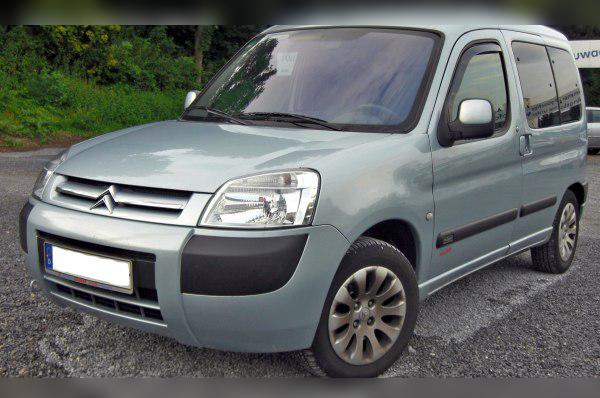
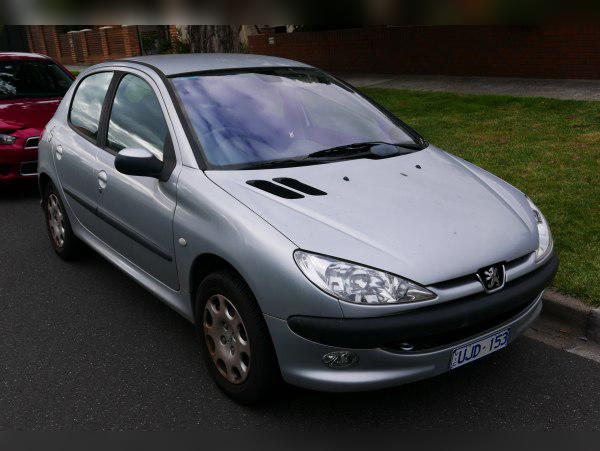
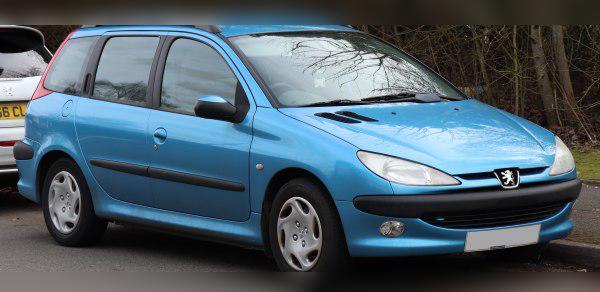
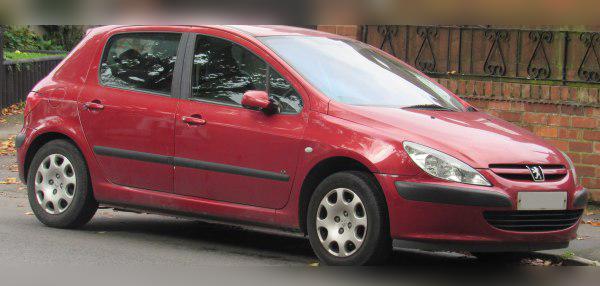
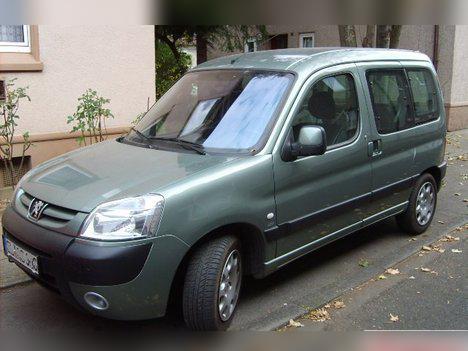
1.4i KFW (TU3JP) Engine: Experiences, Problems, Fuel Consumption and Used Car Buying Tips
Key points in short (TL;DR)
- Reliability: Extremely robust old-school engine (“beat it and wash it”), but with one well-known weak point – the cylinder head gasket.
- Maintenance: Parts are cheap and available everywhere. Ideal for drivers on a tight budget.
- Performance: With 55 kW (75 hp), this is a solid engine for the Peugeot 206, but too weak and “sluggish” for heavier bodies like the Peugeot 307, Berlingo or Partner.
- LPG: Handles LPG conversion very well, which makes it one of the most economical setups.
- Gearbox: Manual gearboxes are a bit imprecise, but durable. The automatic (AL4) requires caution and expert maintenance.
- Recommendation: Buy it in a smaller car (206) for city driving. Avoid it in a Berlingo if you plan frequent overtaking on open roads.
Contents
Introduction: TU3JP – A PSA Group Legend
The engine with the code KFW belongs to the famous TU family of the PSA group (Peugeot-Citroën). Specifically, it is a variant of the TU3JP engine that dominated European roads from the late 1990s to the mid-2000s. This is a classic four-cylinder, 8-valve engine, designed in an era when simplicity and durability were priorities.
Its role was to power entry-level models (such as the 206) and to serve as the basic, cheapest option for larger vehicles (307, Partner). Today this engine is a common choice for beginner drivers or those looking for a cheap “workhorse”, as it does not require expensive modern components.
Technical specifications
| Parameter | Value |
|---|---|
| Engine displacement | 1361 cc (1.4 litres) |
| Power | 55 kW (75 hp) at 5500 rpm |
| Torque | 120 Nm at 3400 rpm |
| Engine code | TU3JP (KFW, KFX – emission standard variations) |
| Number of cylinders / Valves | 4 cylinders / 8 valves (SOHC) |
| Injection system | Multipoint (MPI) – Indirect injection |
| Induction type | Naturally aspirated (No turbo) |
| Camshaft drive | Timing belt |
Reliability, Maintenance and Failures
When we talk about the KFW 1.4i engine, we are talking about simplicity. Still, it is not without flaws, and one of them is so common that it has become its trademark.
Most common failures: Achilles’ heel – the Head Gasket
The absolutely most common problem with this engine is failure of the cylinder head gasket. This happens on almost every unit, usually between 100,000 and 150,000 km, and sometimes even earlier.
Symptoms: Most often there is oil leakage on the outside of the block (the corner near the timing belt) or mixing of oil and coolant (appearance of “mayonnaise” in the expansion tank or on the oil filler cap). Fortunately, the repair is not excessively expensive compared to modern engines, but it is practically unavoidable.
In addition, problems with the coil pack are common, as it is made as a single block for all spark plugs. If one section fails, the engine runs on 3 cylinders, shakes and loses power. Also, the idle control valve (stepper motor) gets dirty, which leads to fluctuating revs at traffic lights or stalling.
Timing belt and major service
This engine uses a timing belt to drive the camshaft. Although the manufacturer sometimes states optimistic intervals of 120,000 km or 10 years, real-world experience has shown that this is risky. Recommendation: Do the major service every 60,000 to 80,000 km or every 5–6 years. A timing belt kit with water pump is very cheap (falls into the “very cheap” category), so there is no reason to take risks. A snapped belt will cause piston-to-valve contact.
Oil: Quantity and Consumption
The sump holds a relatively small amount of oil, about 3.0 to 3.5 litres (depending on whether you change the filter and on sump variants). Because there is little oil in the system, regular checks are critical! The recommended grade is 10W-40 semi-synthetic (for older engines) or 5W-40 synthetic (for better-preserved units and colder climates).
Oil consumption: TU3JP engines are known to consume oil, often due to valve stem seals that harden with age. Consumption of up to 0.3–0.5 litres per 1000 km is often tolerated on older units, but anything above that requires intervention (usually replacement of valve stem seals, which can sometimes be done without removing the head).
Specific Parts and Costs
This is the section where this engine really shines. Maintenance is extremely affordable.
- Dual-mass flywheel: NONE. The engine uses a classic solid flywheel. The clutch kit is cheap and straightforward to replace.
- Turbocharger: NONE. This is a naturally aspirated engine, which means one less worry (no turbo overhauls, no intercooler).
- Injectors: It uses a simple multipoint system. Injectors are rarely problematic, unless the car is run on very poor fuel or with a neglected LPG system. Ultrasonic cleaning usually solves any issues.
- DPF and EGR: This engine DOES NOT HAVE a DPF filter (that’s for diesels). As for the EGR valve, early models do not have it, while later Euro 3/4 models may have an exhaust gas recirculation system, but it rarely clogs on petrol engines compared to diesels. There is a catalytic converter, and it can fail if the engine burns a lot of oil or has poor combustion.
Fuel Consumption and Performance
Here we come to the reality that depends heavily on the body style.
City driving
Do not expect miracles. Although it is a small-displacement engine, old technology means it is not a fuel economy champion. In the Peugeot 206, real-world city consumption is around 7.5–8.5 l/100 km. However, in heavier models such as the Berlingo, Partner or 307, the engine struggles with the weight, so city consumption easily climbs to 9.5–11 l/100 km.
Is it “sluggish”?
- In the Peugeot 206: The engine is perfectly adequate. The car is light, throttle response is decent, and for city driving it feels fairly lively.
- In the Berlingo/Partner/307: Yes, the engine is very sluggish. With only 120 Nm of torque, every overtaking manoeuvre requires downshifting and high revs. If you load a Berlingo with cargo or family, uphill sections become a challenge. This is not an engine for rushing in these vehicles.
Motorway
The gearbox is usually short-ratio (five-speed). This means that at 130 km/h the engine is spinning at over 4000 rpm. This results in increased cabin noise and fuel consumption that does not drop dramatically on the motorway (around 7–8 litres). It is not an ideal cruiser for long trips.
Additional Options and Modifications
LPG conversion
This is an ideal candidate for LPG. The engine has a simple design, with a metal or resistant plastic intake manifold (depending on the year; KFW usually has a plastic one but tolerates sequential LPG). Hydraulic tappets (on some versions) or easy valve adjustment with screws (on most TU3JP versions) make it suitable. The tank is usually installed in place of the spare wheel (under the boot floor on the 206/Partner). Running this engine on LPG is probably the cheapest form of transport today.
Remapping (Stage 1)
Forget about it. Remapping a naturally aspirated 75 hp petrol engine will give you maybe 3 to 5 hp, which you will not even feel, while you will spend money. It is better to invest that money in quality spark plugs, leads and regular servicing – that way you will regain the factory horses that may have “run away”.
Gearbox: Manual and Automatic
Manual gearbox (MA series)
Most of these models come with a 5-speed manual gearbox. Failures: The gearbox itself is mechanically durable, but the gear selection mechanism (linkages and shifter) is known to become “sloppy” and imprecise. It often becomes difficult to engage reverse or first gear. Replacing the linkages is cheap. Clutch replacement: As mentioned, there is no dual-mass flywheel. A complete clutch replacement (pressure plate, disc, release bearing) is inexpensive (parts from 60 to 100 EUR + labour) and falls into the “cheap” category. Oil: It is recommended to change the gearbox oil every 60,000 km (about 2 litres of 75W-80), even though the manufacturer often claims it is “lifetime”.
Automatic gearbox (AL4)
The 206 and 307 models with this engine were offered with a 4-speed AL4 automatic gearbox (Porsche Tiptronic system). Warning: This gearbox has a bad reputation for reliability. Solenoids often fail, which causes harsh shifts or switching into “safe mode”. Cooling of the gearbox is also a weak point. If you are buying an automatic, a thorough inspection by a French-car specialist is mandatory. Repairs can easily exceed the value of the car.
Buying Used and Conclusion
What to check before buying?
- Oil cap and coolant reservoir: Look for “mayonnaise” (emulsion). If it is present, the head gasket is done.
- Oil leaks: Check the left corner of the engine (viewed from the front), above the alternator. That is where the head gasket most often leaks externally.
- Rear axle (torsion beam): Although not part of the engine, on 206, Partner and Berlingo models, rear wheels that sit with excessive negative camber (/---\) mean the axle is worn out. Rebuild is expensive (200–300+ EUR).
- Idle running: The engine should idle smoothly. If revs fluctuate, it may just be the idle control valve, but it can also indicate compression issues.
Final verdict
The KFW TU3JP engine is an excellent choice for students, city couriers (in smaller cars) and drivers who want minimal maintenance costs. It forgives mistakes, parts are available almost everywhere, and any mechanic knows how to repair it.
However, avoid it in heavy bodies (Berlingo, 307) if you often drive on open roads or under load – there is simply not enough power and it will struggle, along with you. For those purposes, the 1.6 16v petrol or 2.0 HDi diesel are much better choices.
Was this content useful to you?
Your opinion helps us to improve the quality of the content.