NFU TU5JP4 Engine
- Engine
- 1587 cm3
- Aspiration
- Naturally aspirated engine
- Fuel
- Petrol (Gasoline)
- Fuel injection system
- Multi-port manifold injection
- Power
- 109 hp @ 5750 rpm
- Torque
- 147 Nm @ 4000 rpm
- Cylinders
- 4
- Valves
- 16, 4 per cylinder
- Cylinders position
- Inline
- Valvetrain
- DOHC
- Oil capacity
- 3.25 l
- Coolant
- 6.2 l
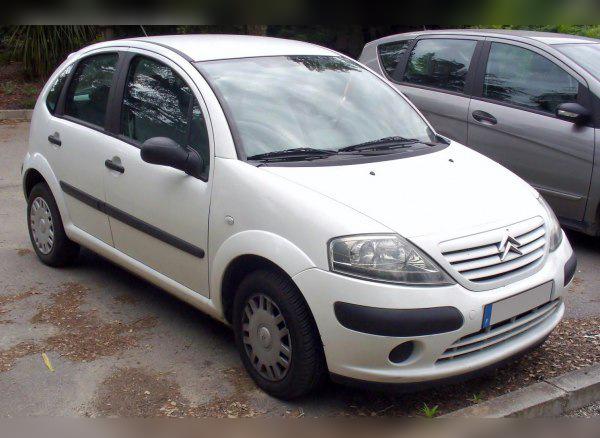
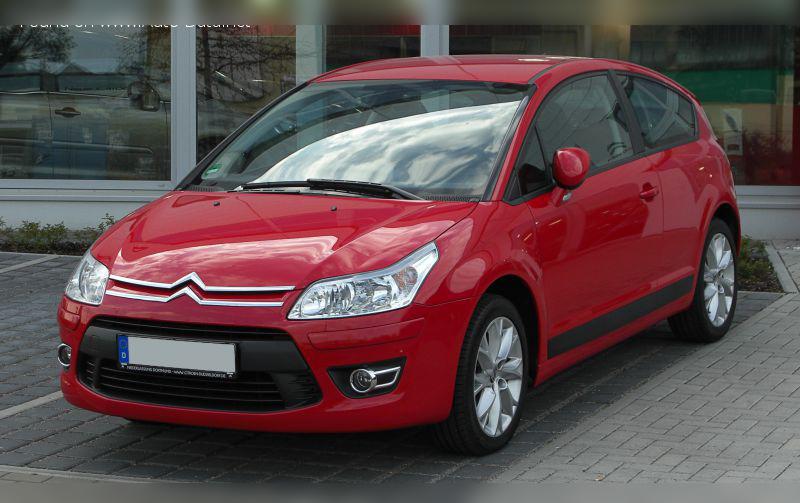
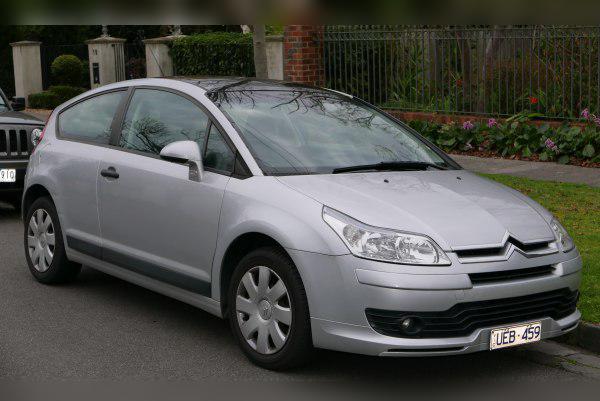
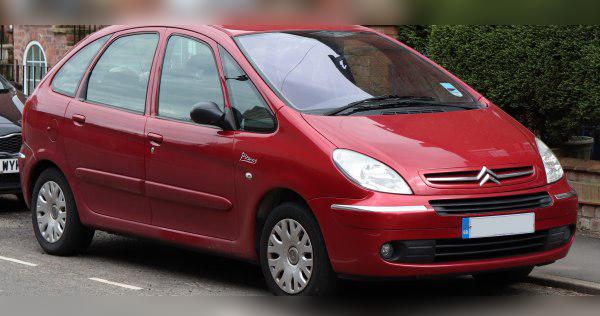
# Vehicles powered by this engine
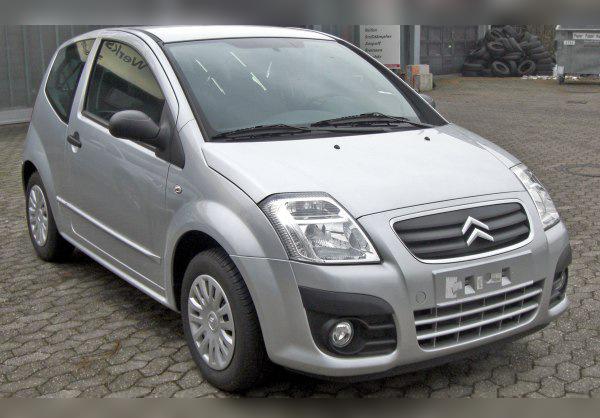
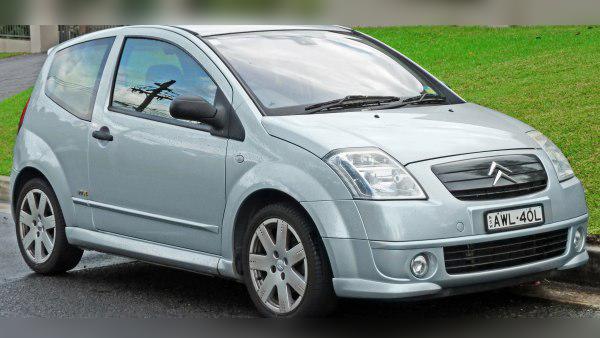
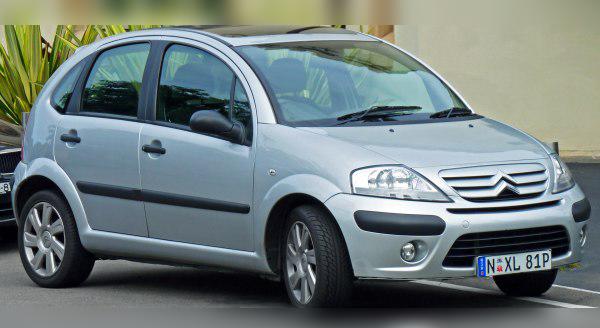
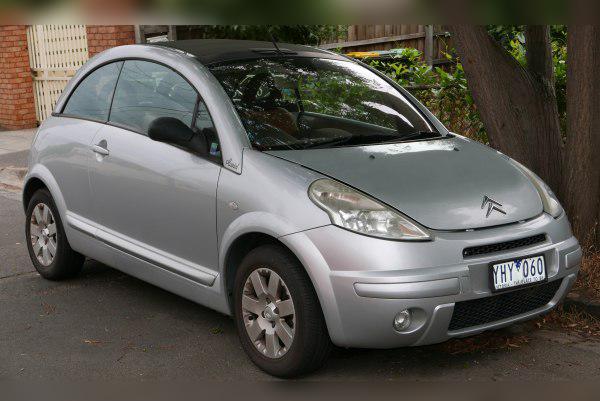


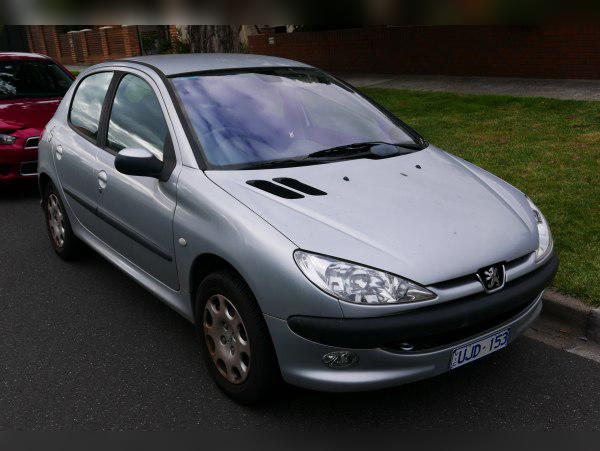
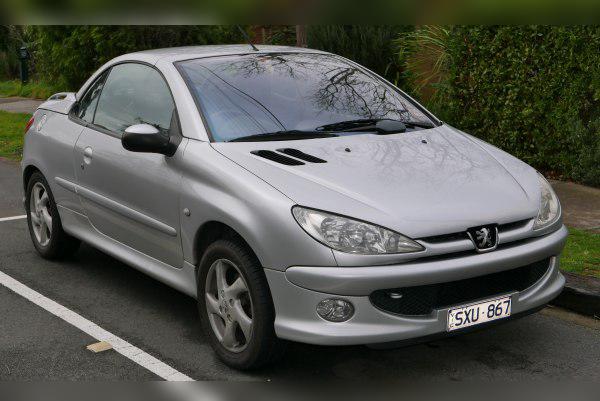
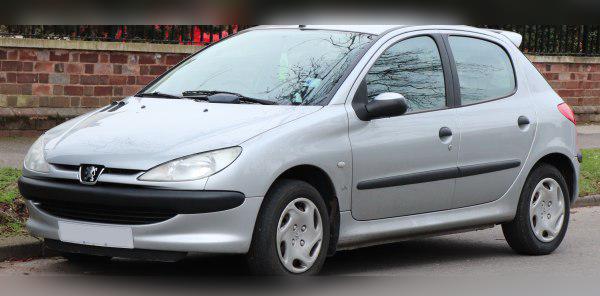
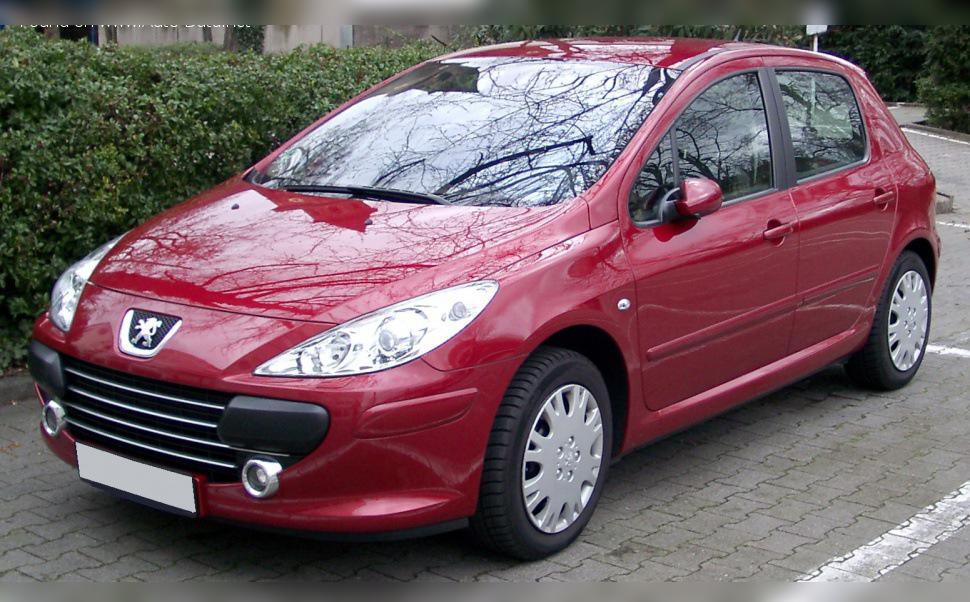
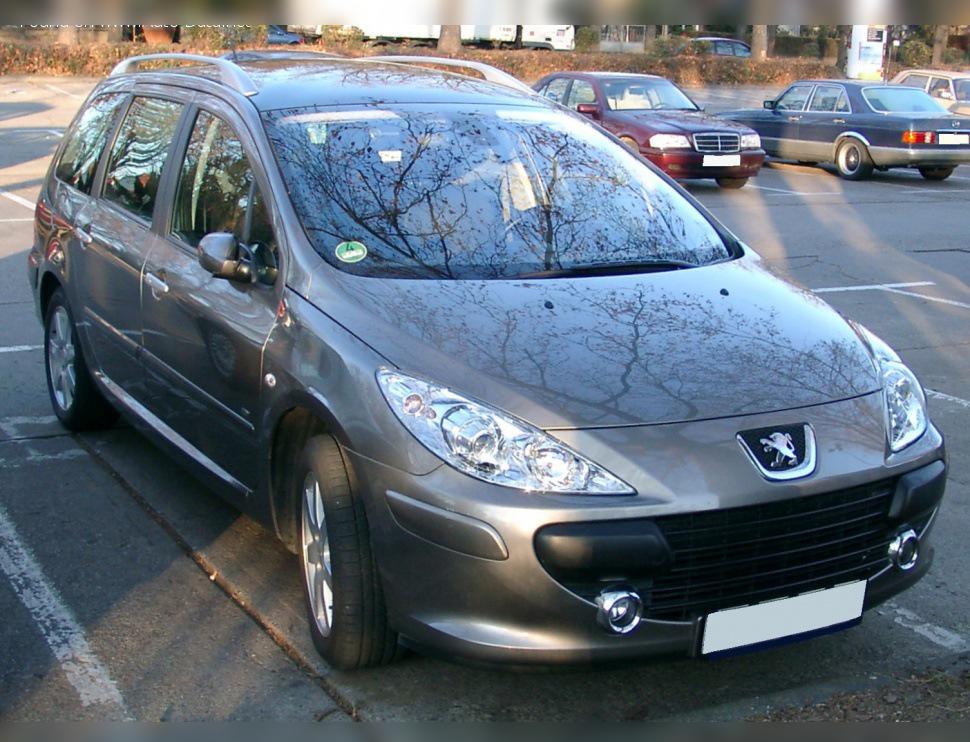
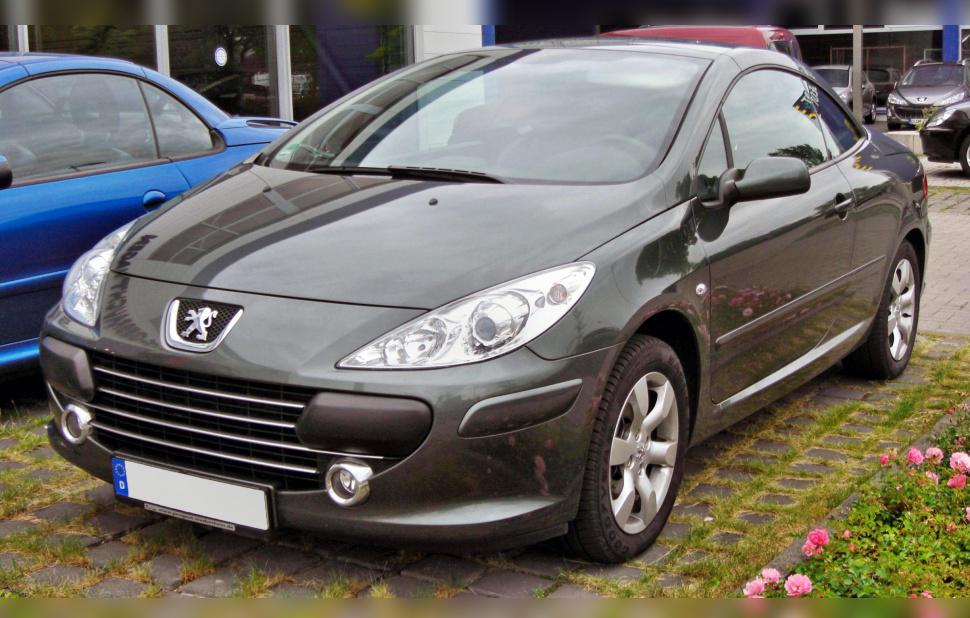
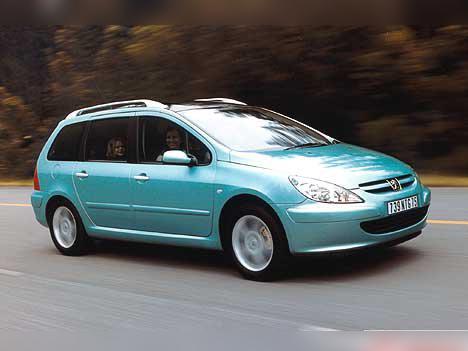
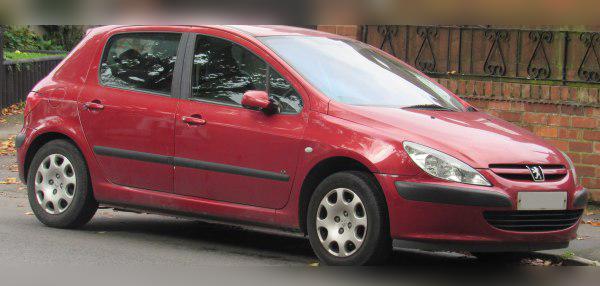
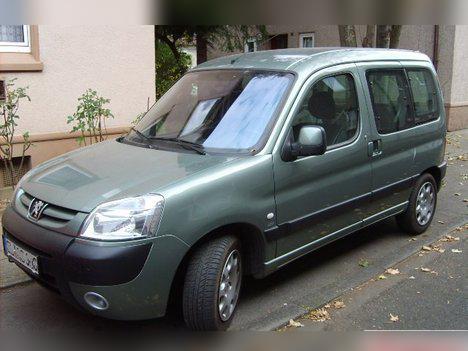
PSA 1.6 16v (NFU TU5JP4): Experiences, Issues, Fuel Consumption and Maintenance – The Last "Tank" from France
Key points (TL;DR)
- Old school: This is an "old school" engine – cast iron block, no turbo, no direct injection. Extremely robust.
- Cheap to maintain: No dual-mass flywheel, no expensive turbo, no DPF filter. Major service and parts are very affordable.
- Ideal for LPG: One of the best engines for LPG (TNG) conversion. Handles it like a champ.
- Performance vs Fuel Economy: Likes to rev high to deliver performance. In the city it consumes a lot (9–10 liters) considering the power output.
- Gearboxes are the weak point: While the engine is excellent, the automatic (AL4) and robotized (SensoDrive) gearboxes can be a source of headaches. Manual is the best choice.
- Recommendation: Ideal for beginners, city driving and drivers who want low running costs, especially in smaller bodies (206, C2, C3).
Contents
- Introduction and context
- Technical specifications
- Reliability and Maintenance
- Specific Parts and Costs
- Fuel Consumption and Performance
- Additional Options and LPG
- Gearbox (Manual vs Automatic vs SensoDrive)
- Buying Used and Conclusion
Introduction: The engine that powered the whole range
If you’re looking for a used French car from the 2000–2010 period, it’s almost impossible not to come across the 1.6 16v badge. Behind this badge, in most cases, hides the engine with the code NFU (TU5JP4). This is the powerplant that the PSA group (Peugeot and Citroën) installed in everything – from the small city hot-hatch Citroën C2 VTR/VTS, through bestsellers like the Peugeot 206 and 307, all the way to family vehicles such as the Xsara Picasso and Peugeot Partner.
Why is this engine important? Because it represents the last generation of simple, naturally aspirated petrol engines before PSA switched to the infamous "Prince" (VTi/THP) engines developed with BMW, which brought far more problems. The NFU engine is known for its durability and tolerance of poor maintenance, which makes it a favorite on the used car market in Serbia and the region.
Technical specifications
| Specification | Value |
|---|---|
| Engine code | NFU (TU5JP4) |
| Displacement | 1587 cc (1.6 liters) |
| Power | 80 kW (109 hp) at 5800 rpm |
| Torque | 147 Nm at 4000 rpm |
| Induction type | Naturally aspirated |
| Number of valves | 16 (DOHC – dual overhead camshafts) |
| Fuel injection | Multipoint (indirect injection) |
| Engine block | Cast iron |
| Cylinder head | Aluminum |
Reliability and Maintenance
Timing belt or chain?
The TU5JP4 engine uses a timing belt for the valvetrain. This is a classic solution that is cheap to maintain but requires regular replacement. The water pump is also replaced during the major service because it is driven by the same belt. A snapped belt on this engine causes the pistons and valves to collide, which means catastrophic engine damage, so regular replacement is imperative.
Most common issues
Although the engine is reliable, age takes its toll. Here’s what most often fails:
- Coil pack: This is the most common problem. The coil pack is made as a single unit (rail) for all 4 spark plugs. When one section fails, you have to replace the whole unit. Symptoms: Rough running (on 3 cylinders), loss of power, "Check Engine" light comes on.
- Throttle body: Often gets dirty from oil vapors. Symptoms: Fluctuating idle speed, engine stalling when stopping at traffic lights. Cleaning usually solves the issue.
- Valve cover gasket: Very common. Oil leaks and runs over the engine, sometimes even into the spark plug wells. It’s not an expensive repair, but it leaves a bad impression and a burning oil smell.
- Hydraulic tappets (lifters): At higher mileage or if poor quality oil was used, they can start making noise. Symptoms: Characteristic metallic ticking or tapping while the engine is cold.
Service intervals and oil
The major service is recommended every 80,000 to 100,000 km, or every 5–6 years, whichever comes first. Although the manufacturer may state longer intervals, given the age of these vehicles, it’s better not to take chances.
The engine takes approximately 3.2 to 3.5 liters of oil (with filter). The recommended grade is 5W-40 (synthetic) for most climates, although the engine also tolerates 10W-40 (semi-synthetic) on older examples with higher oil consumption.
Oil consumption: A healthy TU5JP4 engine should not consume a significant amount of oil. Consumption up to 0.5 liters per 10,000 km is acceptable. If it consumes more, the usual culprit is valve stem seals that have hardened with age, which manifests as bluish smoke at first start or after idling.
Specific Parts and Costs
Dual-mass flywheel and clutch
Good news: This engine DOES NOT have a dual-mass flywheel. It uses a classic solid flywheel. The clutch kit is therefore cheap (falls into the "not expensive" category) and straightforward to replace. This is a huge advantage compared to modern diesels or newer turbo petrol engines.
Fuel injection system and Turbo
The engine is naturally aspirated, which means it does not have a turbocharger. One less thing to worry about (and an expensive one at that). The fuel system is a classic multipoint injection into the intake manifold. Petrol injectors are very robust and rarely cause problems, unless the car is run on extremely poor fuel or has been driven exclusively on LPG without occasional use of petrol.
DPF, EGR and emissions
Since this is an older generation petrol engine, it DOES NOT have a DPF filter (which diesels do). It has an EGR valve (exhaust gas recirculation), but on petrol engines it clogs much less often than on diesels and is cheaper to replace or clean. There is a catalytic converter, which can fail at high mileage, recognizable by an unpleasant exhaust smell (like rotten eggs) and an error on the instrument cluster.
Fuel Consumption and Performance
Real-world fuel consumption
This is where we come to this engine’s downside. Although it’s a 1.6, fuel consumption is not low.
- City driving: Expect between 9 and 11 l/100 km. In heavier bodies (Picasso, 307 SW, C4) and with an automatic gearbox, in winter it can easily go up to 12 liters.
- Open road (rural / B-roads): This is where it’s most economical, around 6.0–7.0 l/100 km.
- Motorway (130 km/h): Due to the short gearbox ratios (usually 5 speeds), the engine revs high, so consumption rises to around 8–9 l/100 km.
Is the engine "lazy"?
It depends on the body. In a Peugeot 206 or Citroën C2/C3, these 109 hp provide almost sporty performance ("little rocket"). The car is light and the engine pulls it easily.
However, in a Peugeot 307 SW, Partner or Xsara Picasso, the engine is "just enough" for relaxed driving, but becomes sluggish when the car is fully loaded with passengers and luggage. Overtaking requires dropping a gear and revving it out to 5000–6000 rpm. The 147 Nm of torque comes high (at 4000 rpm), which means you have to rev it to make it go.
Motorway cruising
This is not an ideal companion for long motorway trips because of the noise. The gearboxes are geared short, so at 130 km/h the engine runs at about 4000 rpm in fifth gear. That creates cabin noise and increases fuel consumption.
Additional Options and Modifications
LPG (TNG) conversion
This is probably the best engine for LPG in its class. It has hydraulic valve lifters (no valve clearance adjustment required), the intake manifold is plastic but of good quality, and the electronics work very well with sequential LPG systems. With a toroidal tank instead of the spare wheel, this becomes an extremely economical vehicle. Recommendation: Absolutely.
Chiptuning (Stage 1)
On a naturally aspirated petrol engine, chiptuning is a waste of money. You might gain 5–8 hp and a slightly better throttle response, but in real-world driving you won’t feel the difference. It’s better to invest that money in quality tyres or a full major service.
Gearbox: Achilles’ heel?
Three types of gearboxes were fitted to this engine, and the experiences differ drastically:
- Manual gearbox (MA5): 5-speed.
- Characteristics: Somewhat vague shift feel ("like stirring porridge"), long throws.
- Common issues: Gear selector linkage set (plastic ball joints wear out), gearbox bearings (whining). Still, this is the most reliable option.
- Oil change: Recommended every 60,000 km (75W-80).
- Conventional automatic (AL4 / DP0): 4-speed (found in C4, 307, 206 automatic).
- Characteristics: Old design, only 4 gears, often "indecisive". Significantly increases fuel consumption.
- Common issues: Solenoids inside the hydraulic block are a frequent problem (the car goes into safe mode, harsh shifts). Prone to overheating. Expensive to repair.
- Recommendation: Avoid unless you’re prepared for potential expenses.
- Robotized gearbox (SensoDrive / 2-Tronic): (found in C2, C3).
- Characteristics: It’s actually a manual gearbox with actuators that operate the clutch and change gears instead of you. It has paddles on the steering wheel.
- Common issues: Clutch actuator and gear selection actuator. They are very expensive (very costly compared to the value of the car) and often fail. The software often gets confused. Driving is jerky (noticeable lurching during shifts).
- Recommendation: Avoid at all costs.
Buying Used and Conclusion
What to check before buying?
- Cold start: Listen if the hydraulic lifters tick (tick-tick-tick) for more than a few seconds. Does the engine idle smoothly or does it "shake" (coil pack/spark plugs)?
- Oil cap: Remove the cap and check for "mayonnaise" (white emulsion). A small amount may be from condensation and short trips. If there’s a lot, the head gasket may be failing.
- Oil leaks: Look at the left corner of the cylinder head (viewed from the front), above the alternator. TU5JP4 engines tend to leak oil from the head gasket there.
- Rear axle (torsion beam): If you’re buying a Peugeot 206, Partner or Xsara, be sure to check whether the rear wheels are "splayed" (/---\). Rebuilding the torsion beam is not cheap (medium-high expense).
Final verdict
PSA 1.6 16v (NFU) is one of those engines mechanics love because they’re simple, and owners love because they rarely suffer catastrophic failures. If you don’t mind slightly higher city fuel consumption, you’ll get a loyal and long-lasting powerplant.
Ideal purchase: A Peugeot 206 or Citroën C2/C3 with a manual gearbox. There you get the best performance and the fewest headaches. Avoid SensoDrive versions unless you’re a fan of risk. For larger vehicles (307 SW, Picasso), this engine is "adequate", but a 2.0 HDi diesel would be a better choice for the heavier body.
Was this content useful to you?
Your opinion helps us to improve the quality of the content.