K9K Engine
- Engine
- 1461 cm3
- Aspiration
- Turbocharger, Intercooler
- Fuel
- Diesel
- Fuel injection system
- Diesel Commonrail
- Power
- 110 hp @ 4000 rpm
- Torque
- 250 Nm @ 1750 rpm
- Cylinders
- 4
- Valves
- 8, 2 per cylinder
- Cylinders position
- Inline
- Valvetrain
- DOHC
- Oil capacity
- 4.8 l
- Coolant
- 6.5 l
- Systems
- Particulate filter
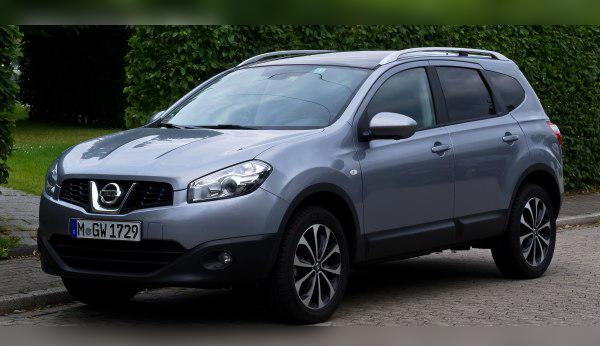
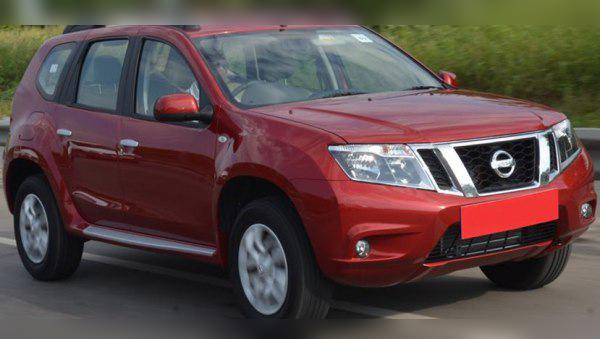
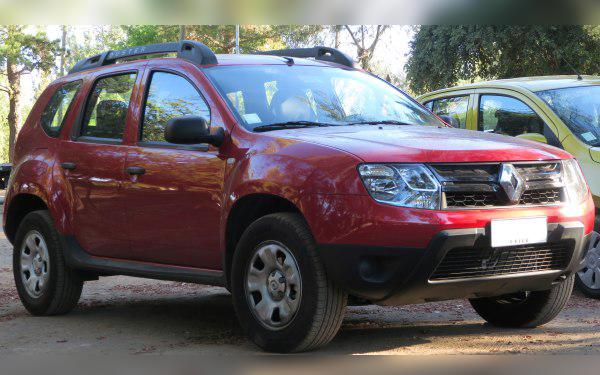
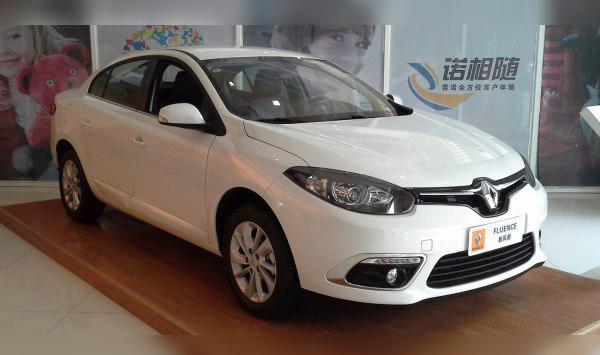
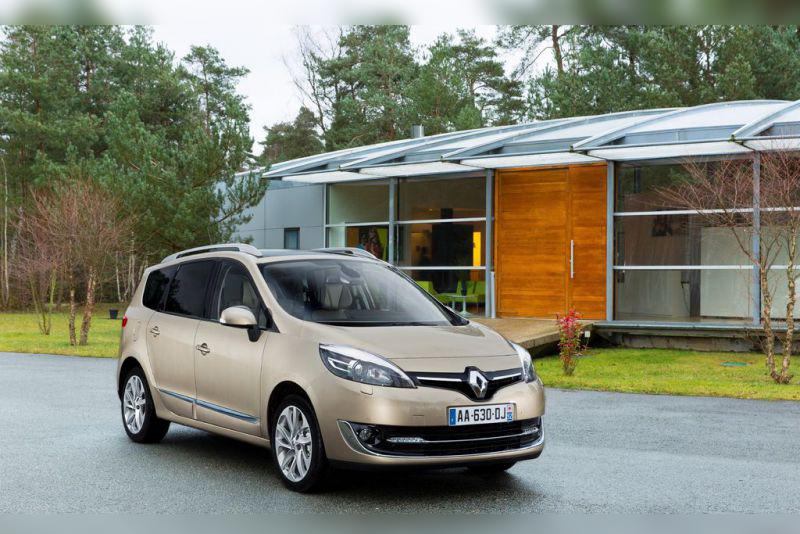
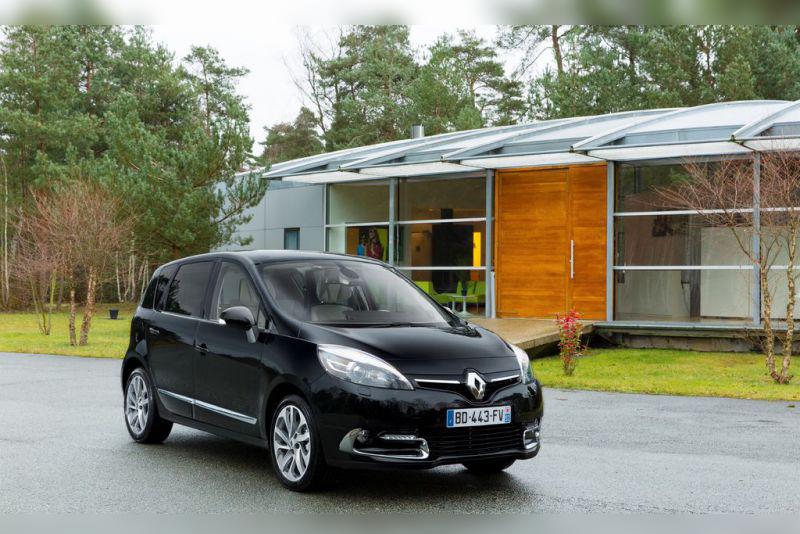
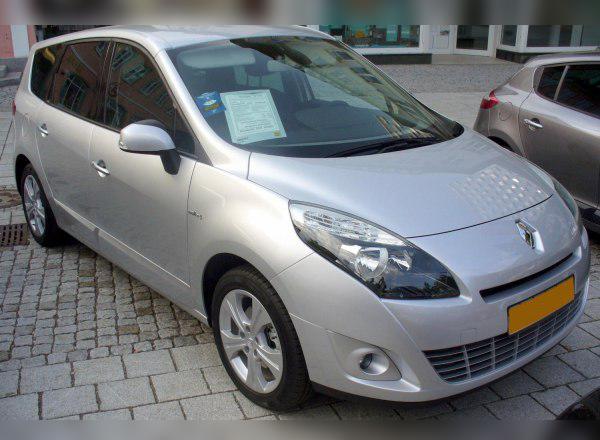
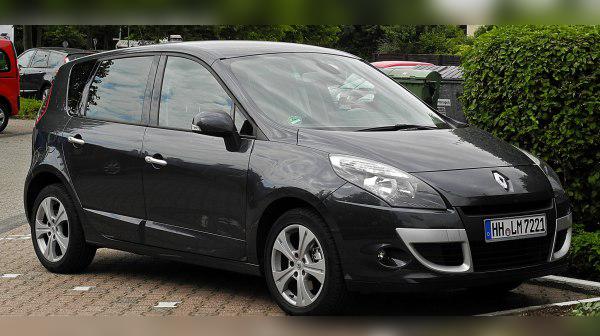
# Vehicles powered by this engine
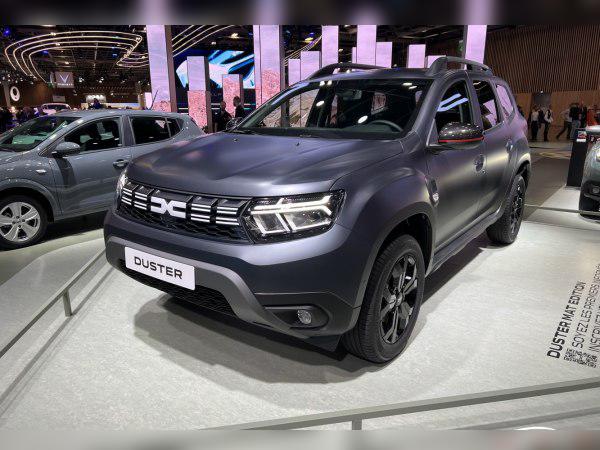
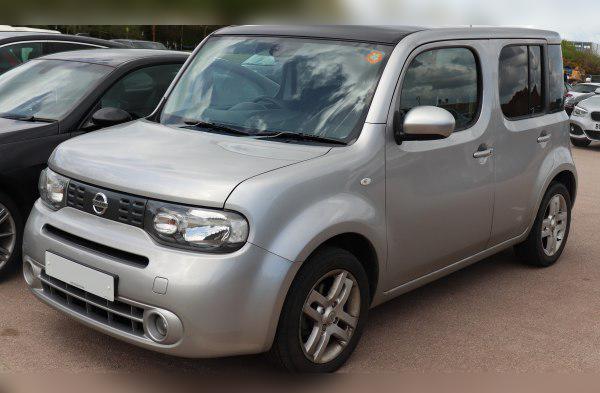
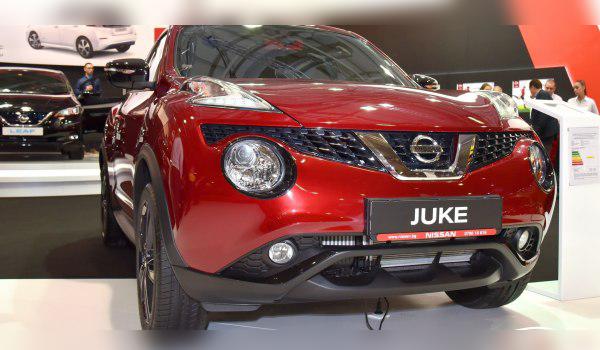
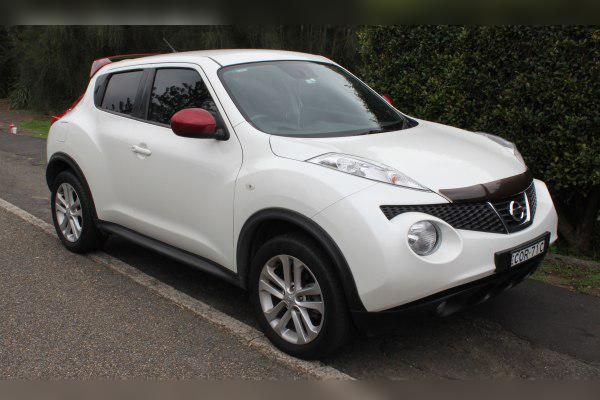


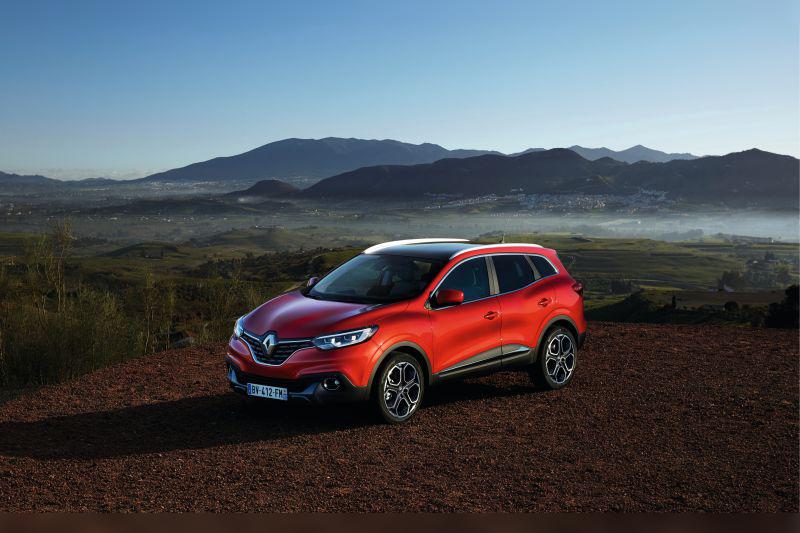
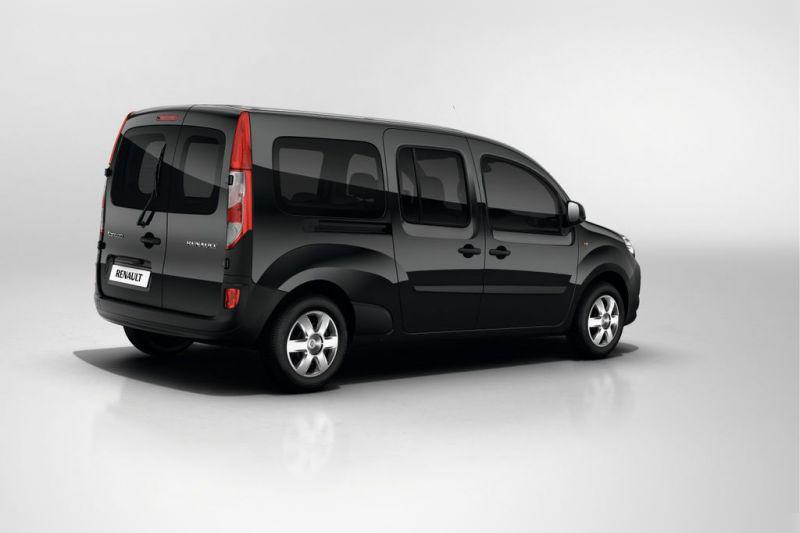
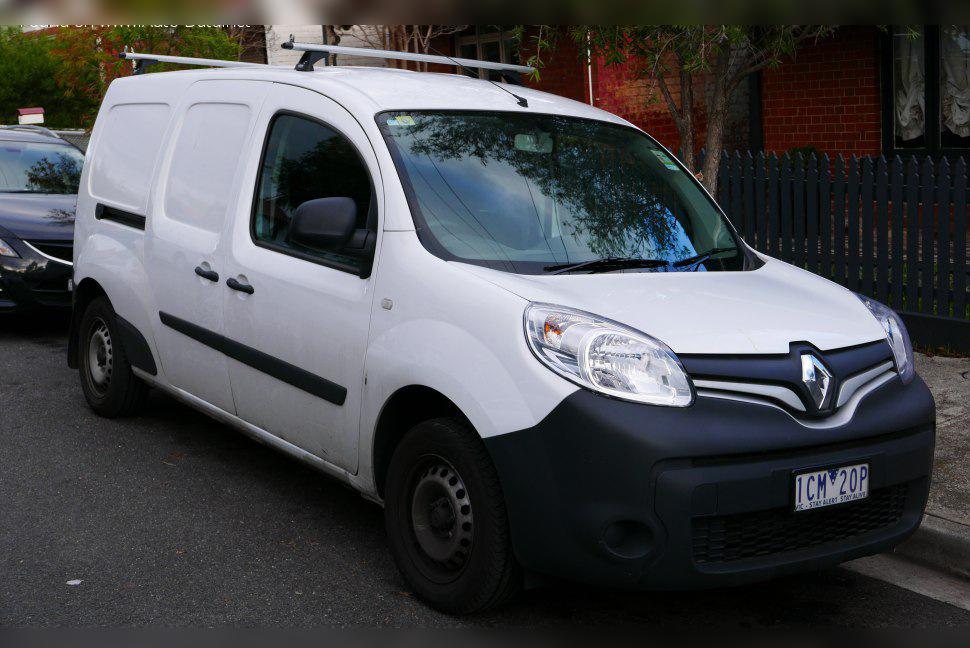

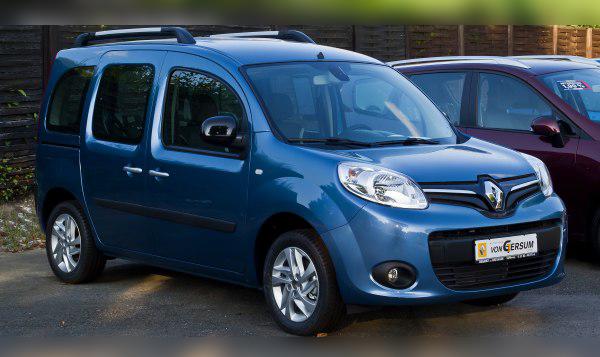


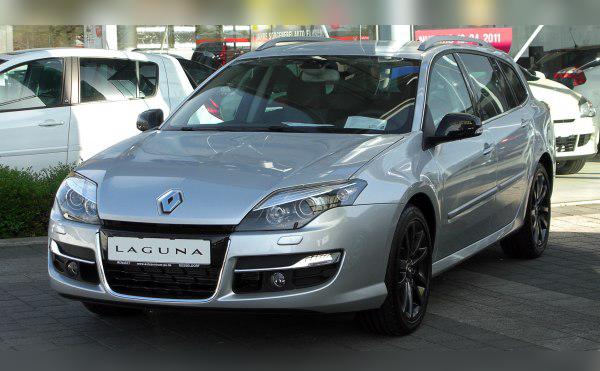

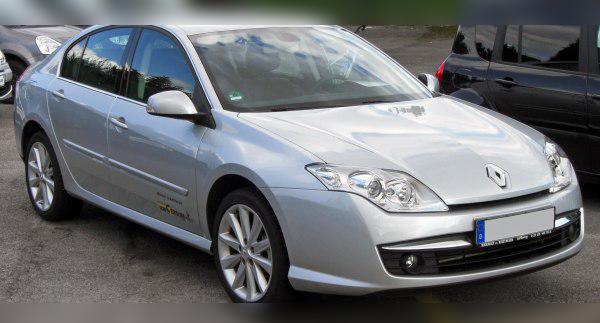
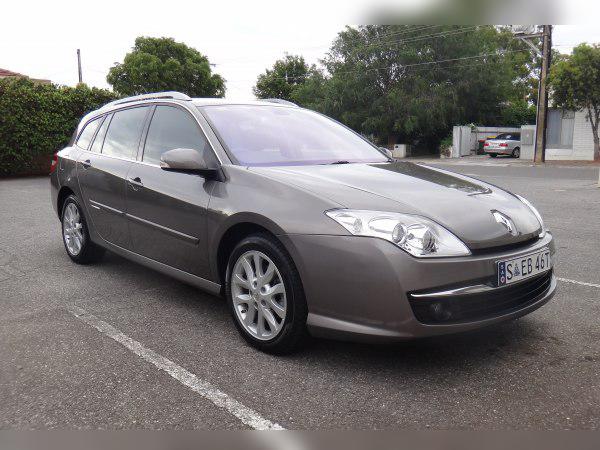
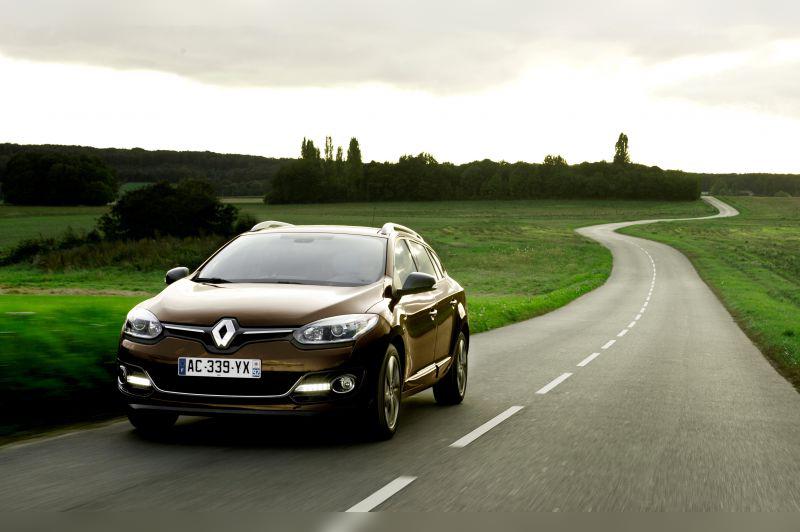

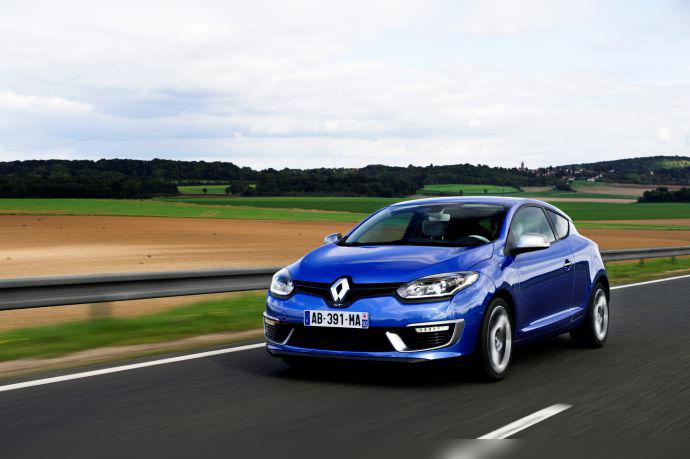
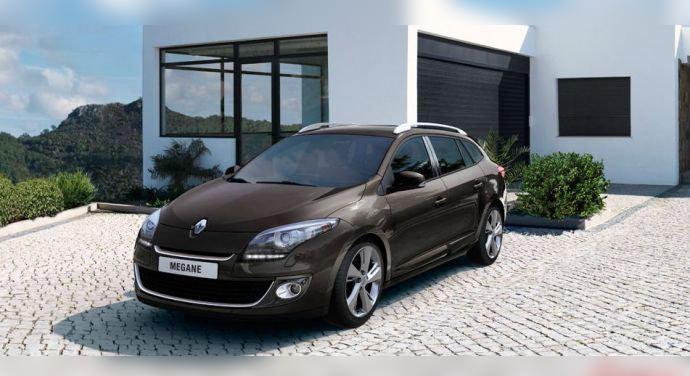
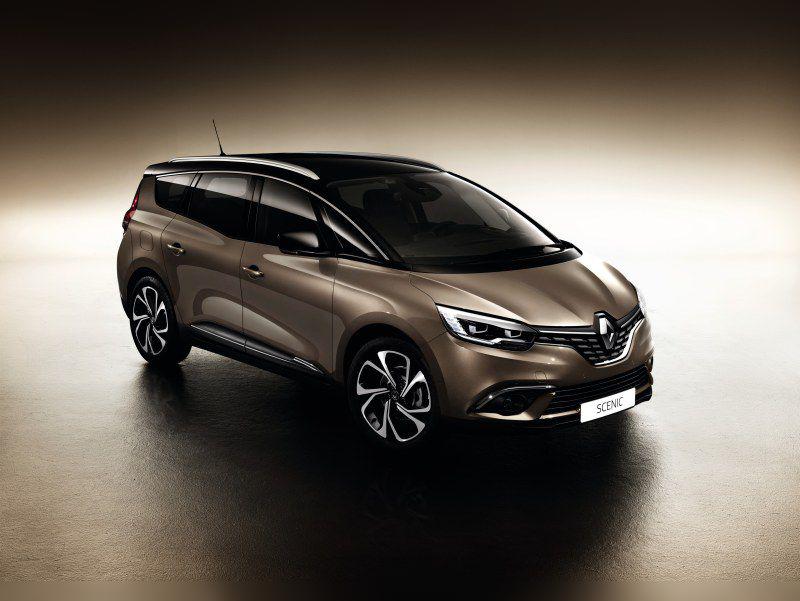
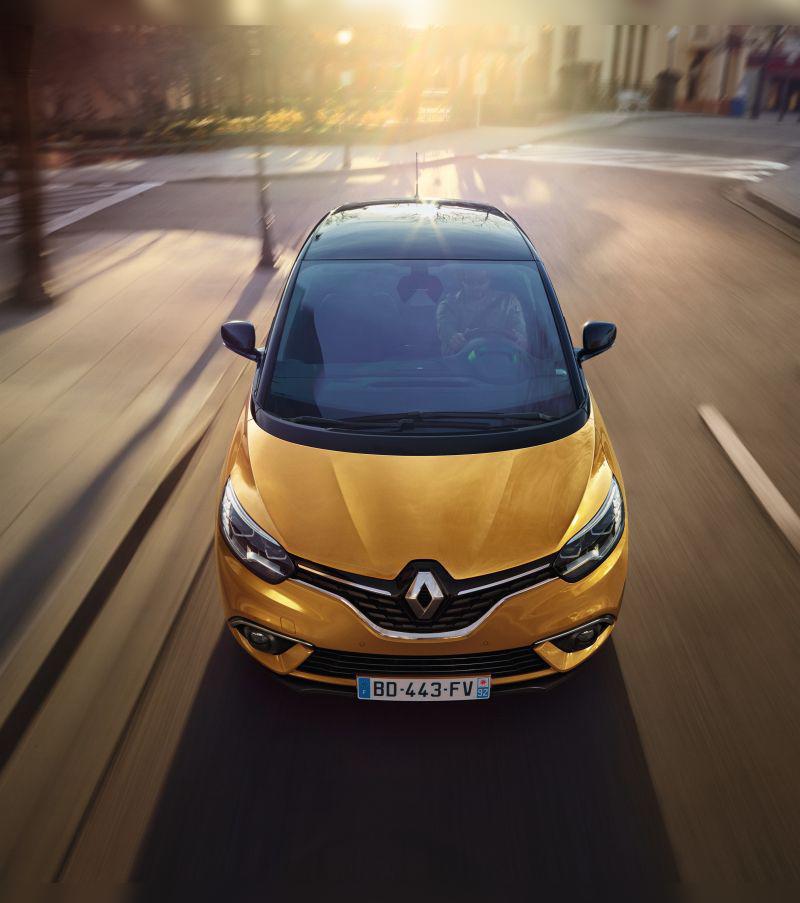


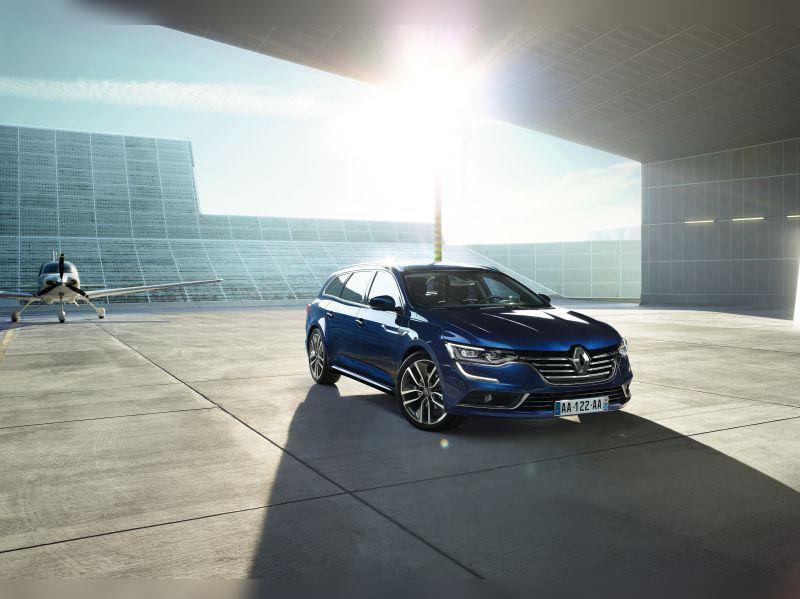
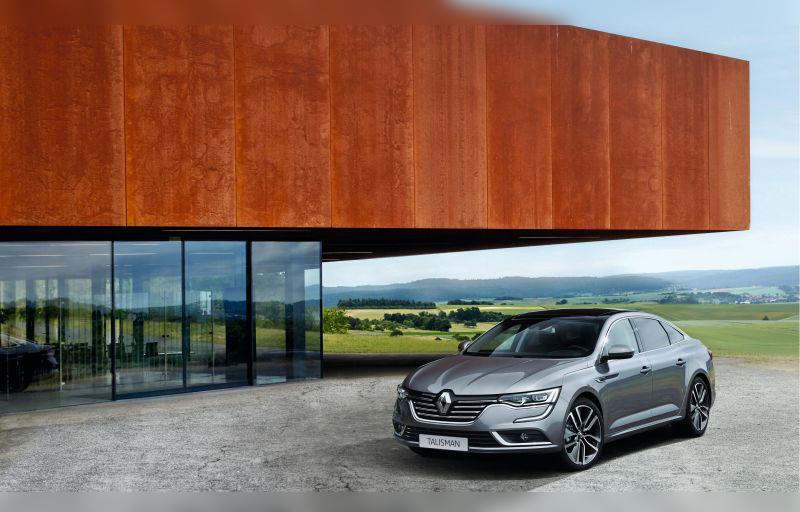
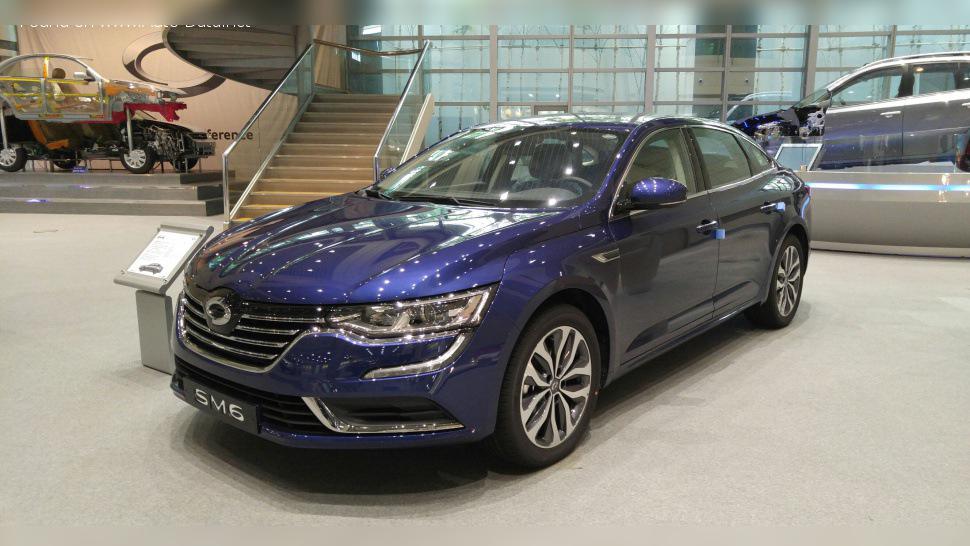
1.5 dCi (K9K) 110 HP: The little giant that powers half of Europe – Experiences, failures and maintenance
Key points (TL;DR)
- Fuel consumption: Extremely economical, realistically around 5.0 – 6.5 l/100 km even in larger bodies.
- Reliability: The 110 HP version is significantly improved compared to the older problematic series (Delphi injection), but it requires strict maintenance.
- Dual-mass flywheel: YES, this version has it and its replacement is a major expense.
- Achilles' heel: An oil change interval of 30,000 km is fatal for this engine. Reduce it to 10–15,000 km and it will last over 400,000 km.
- DPF/EGR: Sensitive to city driving. If you only drive short distances, expect clogging.
- Recommendation: Ideal for drivers who cover a lot of kilometers on open roads.
Contents
- Introduction: Why is the 1.5 dCi so important?
- Technical specifications
- Reliability, Major service and Oil
- Specific parts: Injectors, Turbo and Flywheel
- Fuel consumption and Performance (City vs Highway)
- Additional options and Tuning
- Gearbox: Manual vs EDC automatic
- Buying tips and Conclusion
Introduction: Why is the 1.5 dCi so important?
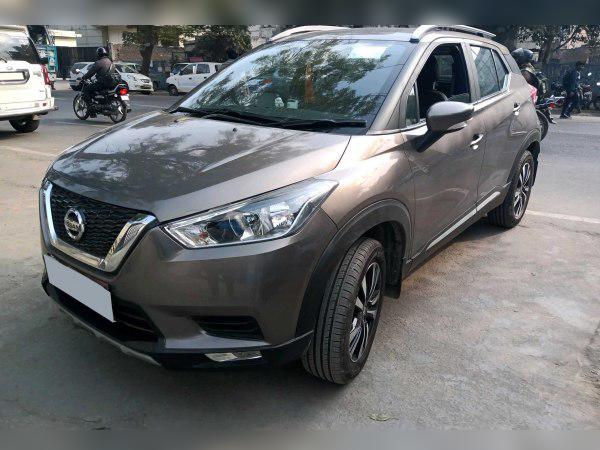
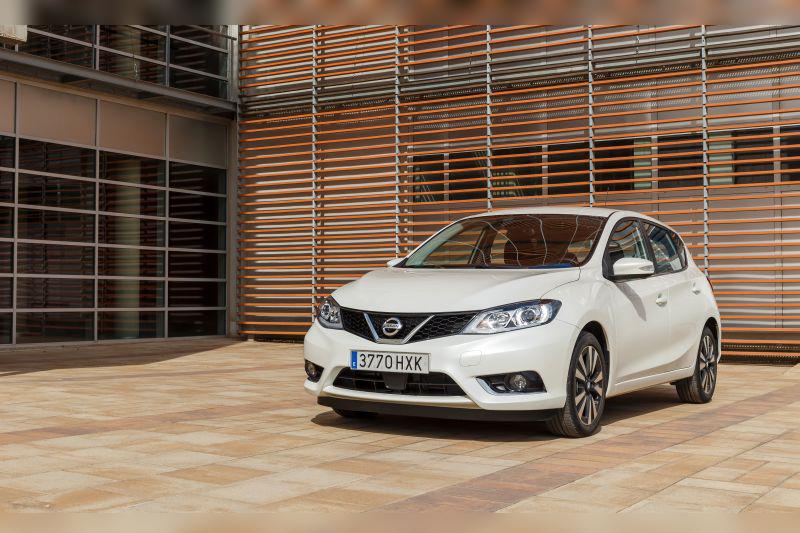
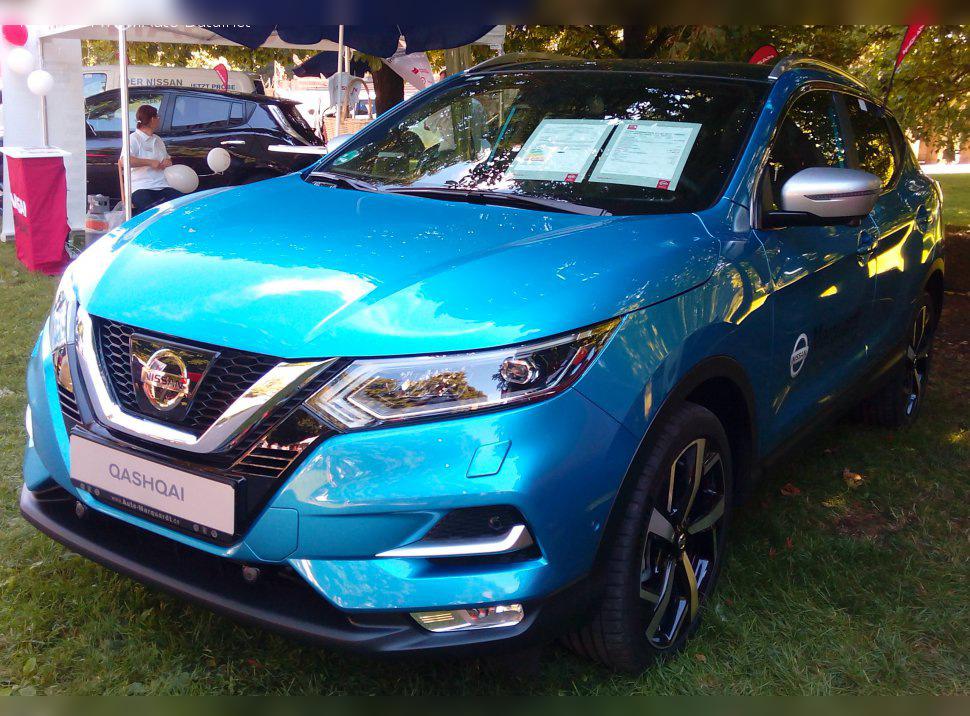
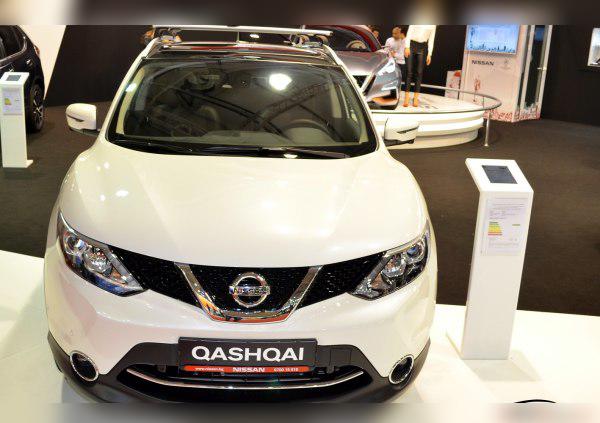
The engine with the code K9K is probably one of the most widespread diesel units in the world. Although its roots go back to the early 2000s, the 110 HP (81 kW) version we are talking about today represents the peak of this engine’s evolution. It is installed in everything from the budget Dacia Duster, through bestsellers like the Nissan Qashqai and Renault Megane, all the way to large family barges such as the Renault Grand Scenic and the Talisman sedan.
Why does this matter? Because the 110 HP version is the “golden middle ground”. It solved most of the teething problems of the older, weaker versions, and offers enough power to move even heavier SUVs, with laughably low fuel consumption. However, like every modern diesel, it has its expensive secrets.
Technical specifications
| Parameter | Value |
|---|---|
| Displacement | 1461 cc (1.5 l) |
| Power | 81 kW (110 HP) |
| Torque | 250 Nm (often up to 260 Nm in Overboost) |
| Engine codes | K9K (various suffixes: 636, 646, 836, 837...) |
| Injection type | Common Rail (Siemens / Continental) |
| Charging | Variable-geometry turbocharger + intercooler |
| Emissions | Euro 5 / Euro 6 (with DPF) |
Reliability, Major service and Oil
The first question everyone asks: Does it have a belt or a chain? The 1.5 dCi engine uses a timing belt. This is actually good news because the system is simple and reliable. The major service (replacement of belt, tensioners, water pump) is factory-recommended at as much as 150,000 km or 5–6 years. However, from experience I advise shortening that interval to a maximum of 120,000 km or 5 years, whichever comes first. A snapped belt leads to a “collision” between pistons and valves, which is a total disaster.
Oil and “spun bearings”
Older versions of this engine were notorious for spun crankshaft bearings. On the 110 HP version, the bearings were reinforced and the oil pump improved, but the risk still exists if you follow the factory schedule. The factory oil change interval of 30,000 km is far too long. This engine takes about 4.5 to 4.8 liters of oil. Only fully synthetic 5W-30 is recommended (most often RN0720 specification due to the DPF filter).
Symptoms of oil-related issues: The engine generally does not consume much oil (up to 0.5 l per 10,000 km is acceptable). If it consumes more, it is usually piston rings or the turbo. To avoid bearing problems, change the oil every 10,000 to 15,000 km. That is the cheapest insurance you have.
Specific parts: Injectors, Turbo and Flywheel
This is where we get to the part that interests used-car buyers the most – costs.
Dual-mass flywheel: Yes, the 110 HP version is powerful enough to require a dual-mass flywheel. Its lifespan is usually around 150,000 – 200,000 km, depending on driving style. Symptoms of failure are metallic noises when starting/stopping the engine and vibrations in the clutch pedal. The price of the kit (clutch + flywheel) falls into the “expensive” category (often 400–600 EUR just for parts), but it is necessary for comfortable driving.
Injection system: Unlike the old Delphi systems that would “disintegrate”, the 110 HP version uses a much more reliable Siemens (Continental) system. The injectors are piezoelectric. They are very precise and durable, but sensitive to poor-quality fuel. If they fail, refurbishment is often difficult or impossible, so you have to buy new or good used ones, which is very expensive.
Turbocharger: The engine uses a turbo with variable geometry. This gives it power at low revs. The problem arises in city driving – the vanes of the geometry get clogged with soot and seize. The symptom is “limp mode” (loss of power) when you floor it on the highway. Cleaning is possible and not too expensive, but if neglected, the entire turbo will fail.
DPF and EGR: All models on the list (Euro 5 and Euro 6) have a DPF filter. If you drive a Nissan Qashqai or Renault Megane exclusively in the city (taxi use, short commutes), the DPF will clog. The symptom is a warning light on the dashboard and increased fuel consumption. This engine must go out on the open road at least once every two weeks to “breathe”.
Fuel consumption and Performance (City vs Highway)
This is the K9K engine’s strongest trump card.
- City driving: In lighter bodies (Megane, Pulsar) it uses around 5.5 – 6.0 liters. In heavier ones (Duster, Qashqai, Grand Scenic), count on 6.5 – 7.5 liters depending on traffic.
- Open road: On regular roads, consumption drops to an incredible 3.8 – 4.5 liters.
- Highway: At 130 km/h in 6th gear, the engine runs at about 2,250 – 2,500 rpm (depending on the gearbox model). Consumption is then around 5.0 – 5.5 liters. The engine is not noisy.
Is the engine “lazy”? With 250–260 Nm of torque, the engine is surprisingly lively off the line (it “pulls” from as low as 1750 rpm). For a Megane, Juke or Qashqai, the power is more than enough. However, in models like the Renault Grand Scenic or Talisman, when fully loaded with passengers and luggage, the lack of displacement can be felt on long climbs. You will have to downshift more often when overtaking.
Additional options and Modifications
LPG: This is a diesel engine, so LPG installation is not a standard option. There are “diesel-gas” systems for trucks, but for passenger cars it is economically unprofitable and technically unnecessary given the low fuel consumption.
Chiptuning (Stage 1): This engine responds well to remapping. It can safely be raised to about 130–135 HP and around 290–300 Nm. Warning: Increasing torque puts additional stress on the dual-mass flywheel and clutch. If the car has high mileage, chiptuning will speed up the end of your clutch. Also, be careful with the DPF filter – a bad map can clog it at record speed.
Gearbox: Manual vs EDC automatic
With the 1.5 dCi 110 HP there are two main options:
- Manual gearbox (6-speed – usually TL4): Very precise and reliable. No characteristic failures. The factory says the gearbox oil does not need changing (“fill for life”), but I strongly recommend changing it every 80,000 – 100,000 km to preserve the synchros.
- Automatic gearbox (EDC – Dual Clutch): This is a dual-clutch gearbox (similar to DSG). It shifts quickly and does not increase fuel consumption. However, the dry clutch in the EDC gearbox has a limited lifespan, especially in stop-and-go city driving. The most common EDC failures: Control unit (mechatronics) failure and worn clutch plates. Repairing an EDC gearbox is very expensive (often over 1000 EUR). Before buying a used car with EDC, be sure to check whether it jerks when moving off from a standstill.
Models such as the Dacia Duster 4WD require additional checks – the differential and driveshaft are robust, but they add weight and potential failure points if the car has been driven off-road.
Buying tips and Conclusion
If you are buying a used car (Duster, Megane, Qashqai...) with this engine, pay attention to the following:
- Engine sound: When cold, it should run smoothly. Strong “knocking” or metallic noise may indicate injector problems or, in the worst case, crankshaft bearing issues.
- Smoke: Go out on the road and floor it. Black smoke = combustion/EGR/injector problem. Blue smoke = oil consumption/turbo. White smoke = coolant in the engine. A healthy DPF-equipped engine should not smoke from the exhaust – the exhaust tip should be clean to the touch.
- Intercooler hose: It often splits on these engines, which leads to a whistling air noise and loss of power. It is not expensive, but it is annoying.
- Electronics: Renault and Nissan love to throw “Check Injection” messages for all sorts of minor issues (glow plugs, pressure sensors). Diagnostics is a must.
Final verdict
Should you buy the 1.5 dCi 110 HP? Absolutely YES, if you need an economical workhorse. This is one of the best small diesels ever made, provided the previous owner changed the oil on time (every 10–15k km).
It is intended for drivers who cover over 15,000 km per year, mostly on open roads. If you only need a car to go to the shop (2 km) and back, skip it – the DPF and EGR will make your life hell. For everything else, this is a fuel-saving champion.
Was this content useful to you?
Your opinion helps us to improve the quality of the content.