198A7000 Engine
- Engine
- 1368 cm3
- Aspiration
- Turbocharger, Intercooler
- Fuel
- Petrol (Gasoline)
- Fuel injection system
- Multi-port manifold injection
- Power
- 140 hp @ 5000 rpm
- Torque
- 230 Nm @ 1750 rpm
- Cylinders
- 4
- Valves
- 16, 4 per cylinder
- Cylinders position
- Inline
- Valvetrain
- SOHC
- Oil capacity
- 3.5 l
- Coolant
- 6 l
- Systems
- Start & Stop System
# Vehicles powered by this engine
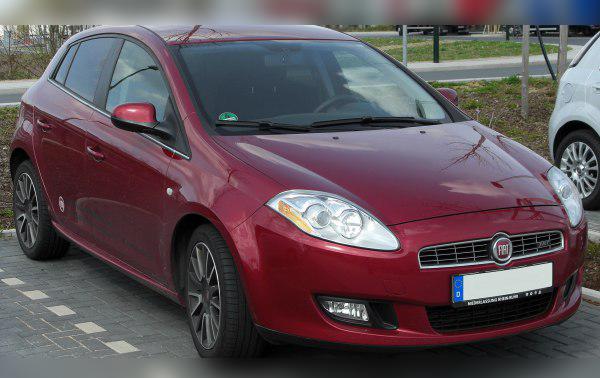
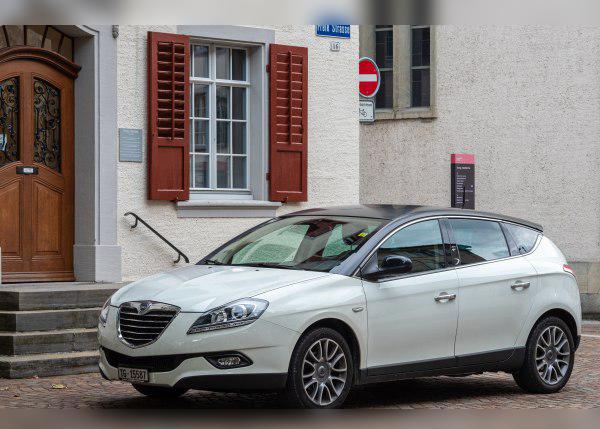
1.4 MultiAir Turbo Engine (140 HP) – Code 198A7000: Experiences, Problems and Maintenance
Key points (TL;DR):
- Technologically advanced: The MultiAir system offers a great balance of power and fuel consumption, but it is sensitive to maintenance.
- Achilles' heel: The MultiAir unit (module) is the most expensive and most common failure if the specified oil is not used.
- Oil is sacred: Mandatory change every 10,000 km. Strictly specific grade and standard (C3).
- Gearbox: Usually comes with the C635 gearbox, which is more reliable than the notorious M32, but can feel “notchy” when shifting.
- LPG friendly: Although modern, it uses indirect injection, which makes it an excellent candidate for LPG.
- Performance: A very lively engine, not lazy at all for Bravo or Delta bodies.
Contents:
- Technical Specifications
- Reliability and Maintenance
- Specific Parts and Costs
- Fuel Consumption, Performance and Impressions
- Additional Options (LPG and Tuning)
- Gearbox and Drivetrain
- Buying Used and Conclusion
The 1.4 MultiAir Turbo engine with 140 horsepower (engine code 198A7000) is Fiat’s answer to the need for more power with lower emissions. Unlike the older and simpler T-Jet engine, MultiAir brings a revolutionary electro-hydraulic intake valve control system.
This engine is the heart of the facelifted Fiat Bravo II models and the elegant Lancia Delta III. Drivers love it for its elasticity reminiscent of diesel engines, but it requires technically literate owners if it is to last long. It is not an engine for those who plan to skip services.
Technical Specifications
| Characteristic | Value |
|---|---|
| Displacement | 1368 cc |
| Power | 103 kW (140 HP) at 5000 rpm |
| Torque | 230 Nm at 1750 rpm |
| Engine code | 198A7000 |
| Injection type | MPI (Multi-Point Injection) – Indirect |
| Induction | Turbocharger (Garrett) + Intercooler |
| Valves | 16V (SOHC – one camshaft drives the exhaust valves, MultiAir drives the intake valves) |
Reliability and Maintenance
Belt or chain?
This engine uses a timing belt. This is good news for many, as the system is quieter and replacement is predictable. It is recommended to do the major service (timing kit + water pump) every 60,000 to 80,000 km or 4–5 years, whichever comes first. Do not wait for the factory 120,000 km interval.
Most common failures: MultiAir unit
The biggest issue with this engine is the MultiAir unit itself. It is an electro-hydraulic assembly that replaces the intake camshaft.
Cause of failure: Dirty oil or incorrect grade. There are micro-filters inside the unit that get clogged, which leads to actuator failure.
Symptoms: The engine runs on three cylinders, loses power, the “Check Engine” light comes on, and a metallic ticking can be heard from the top of the engine.
Solution: Replacement of the entire unit. This is an expensive failure (the price of a new unit is often high, although it has dropped compared to 5 years ago). Overhauls are rarely successful in the long term.
Oil and service intervals
The sump holds about 3.5 liters of oil (with filter). Due to the small oil quantity and the high thermal load from the turbo, the oil degrades faster.
Recommendation: Strictly use 5W-40 ACEA C3 (the factory recommendation is often Selenia K Pure Energy).
Oil consumption: These engines can “drink” some oil, especially if driven aggressively. Consumption of 200–300 ml per 1,000 km is not unusual, but anything over 0.5 liters points to a problem with the piston rings or the turbo.
Specific Parts (Costs)
Dual-mass flywheel
Yes, it has a dual-mass flywheel. Considering the 230 Nm of torque available low down, the flywheel is under stress. Symptoms are rattling when switching the engine off or vibrations in the clutch pedal. The price of replacing the clutch kit with the flywheel falls into the “moderately expensive” category – cheaper than on diesels, but more expensive than on a simple naturally aspirated petrol.
Injection system and injectors
Good news: The engine uses classic indirect (MPI) injection into the intake manifold. The injectors are robust, cheap to maintain and rarely cause problems. They are not as sensitive to fuel quality as direct injection systems (GDI/JTS).
Turbocharger
A small Garrett turbo is used (usually GT1238 or similar). It is very responsive. Service life is long (over 200,000 km) with regular oil changes.
Failure symptoms: Whistling (like an ambulance siren), blue smoke from the exhaust or a sudden loss of power. Sometimes the turbine housing cracks on the exhaust side (a crack near the wastegate valve), which can be seen with the naked eye if the heat shield is removed.
Emissions (DPF/EGR)
This engine DOES NOT have a DPF filter (that’s for diesels), and in this generation (Euro 5) it usually doesn’t have a GPF (Gasoline Particulate Filter) either, which came later. It has a catalytic converter. A classic EGR valve (as on diesels) is often not present because the MultiAir system, through valve control, performs “internal recirculation” of exhaust gases, which is one less thing for the owner to worry about.
Fuel Consumption and Performance
Real-world consumption
- City driving: Expect between 8.5 and 10.5 l/100 km. This is a turbo petrol; if you floor it from light to light, it can go up to 12 liters.
- Open road: This is where it shines. At 80–90 km/h it uses about 5.5–6 l/100 km.
- Motorway (130 km/h): Consumption is around 7.0–7.5 l/100 km.
Is it “lazy”?
Absolutely not. With 230 Nm available from just 1750 rpm, the 1.4 MultiAir in a Bravo or Delta (weighing around 1300–1400 kg) feels very agile. 0–100 km/h takes under 9 seconds. It has a “Sport” button (on some trim levels) which further sharpens throttle response and increases turbo pressure (Overboost).
Motorway cruising
Thanks to the 6-speed gearbox, the engine is relaxed. At 130 km/h the engine spins at about 3,000–3,200 rpm. Engine noise is well insulated, with wind noise being more dominant.
Additional Options and Modifications
LPG conversion
Yes, it’s excellent on LPG! Since it has indirect injection, installation is standard and cost-effective (sequential LPG). There is no need for an expensive direct-injection LPG system that also uses petrol while running on gas.
Note: Due to the MultiAir system, it is important that the LPG map is perfectly tuned to avoid mixture errors that could confuse the engine ECU.
Remapping (Stage 1)
The engine has potential. With a Stage 1 remap, power can be raised to 160–170 HP and torque to about 260–270 Nm.
Warning: The MultiAir unit is sensitive. Overly aggressive remapping can shorten its life, as well as the life of the clutch. Only a mild remap by reputable tuners familiar with MultiAir specifics is recommended.
Gearbox
Manual gearbox (C635)
With the 140 HP version (from 2010 onwards) you most often get Fiat’s C635 6-speed gearbox. This is a big improvement over the older Opel M32 gearbox used in lower-powered versions.
Failures: The C635 is robust, but suffers from stiff shifting (especially in winter into 1st and 2nd gear). The cause is often the shift cables or the gearbox oil.
Maintenance: Gearbox oil change (about 2 liters, 75W) is recommended every 60,000 km, even though the manufacturer calls it “lifetime”.
Automatic gearbox
In some models (more often the Lancia Delta), you can find a robotized gearbox or a dual-clutch gearbox (TCT/DDCT). They are comfortable, but very expensive to repair (mechatronics, clutch kit). The manual gearbox is a safer choice when buying a used car of this age.
Buying Used and Conclusion
What to check before buying?
- Small filter in the MultiAir unit: Check the service book to see if it has ever been cleaned or replaced (it is a small screw with a mesh on the side of the cylinder head).
- Noise on cold start: If you hear rattling that does not disappear after a few seconds, it may indicate problems with the hydraulic lifters or the MultiAir unit.
- Oil leaks: Look around the turbo and the valve cover.
- Suspension: Bravo and Delta are heavy at the front, check the bushings and control arms.
Final verdict
The 1.4 MultiAir (140 HP) engine is an excellent choice for drivers who want performance but do not want a diesel. It offers driving fun, the possibility of cheap running on LPG and a modern feel behind the wheel.
However, it punishes neglect. If you buy a car whose oil was changed every 30,000 km, be prepared to pay for a new MultiAir unit. If you find a well-maintained example and continue to pamper it with quality oil, it will serve you perfectly.
Was this content useful to you?
Your opinion helps us to improve the quality of the content.