EA288 evo / DTSA Engine
- Engine
- 1968 cm3
- Aspiration
- Turbocharger, Intercooler
- Fuel
- Diesel
- Fuel injection system
- Diesel Commonrail
- Power
- 150 hp @ 3500 rpm
- Torque
- 340 Nm
- Cylinders
- 4
- Valves
- 16, 4 per cylinder
- Cylinders position
- Inline
- Valvetrain
- DOHC
- Oil capacity
- 5.5 l
- Coolant
- 12.9 l
- Systems
- Start & Stop System, Particulate filter
# Vehicles powered by this engine


2.0 TDI EA288 evo (150 hp) – Experiences, problems, fuel consumption and used car buying guide
Key points (TL;DR)
- Modernized classic: This is the “Evo” version of the legendary 2.0 TDI engine, focused on strict emission standards (Euro 6d) and quieter operation.
- Timing belt: The engine uses a timing belt, not a chain. Replacement intervals are long, but require caution.
- Twin Dosing AdBlue: It features a system with two SCR catalytic converters and dual AdBlue dosing – excellent for emissions, but potentially expensive to maintain.
- 0W-20 oil: These engines are designed for ultra‑thin oils (VW 508.00/509.00) to reduce friction.
- DSG gearbox: Most often paired with the excellent DQ381 (wet) gearbox, which is reliable with regular oil changes.
- Reliability: Mechanically very robust; issues are mostly related to sensors, software and the AdBlue system.
- Recommendation: Ideal for high‑mileage highway driving, less suitable for exclusive city use due to the DPF.
Contents
- Introduction: EA288 evo in the modern lineup
- Technical specifications
- Reliability and maintenance
- Specific components and injection system
- Fuel consumption and performance
- Additional options and modifications
- Gearbox: Manual and DSG
- Buying used and conclusion
Introduction: EA288 evo in the modern lineup
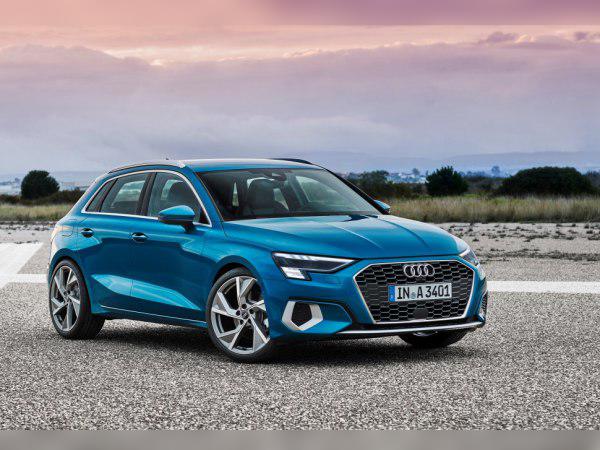
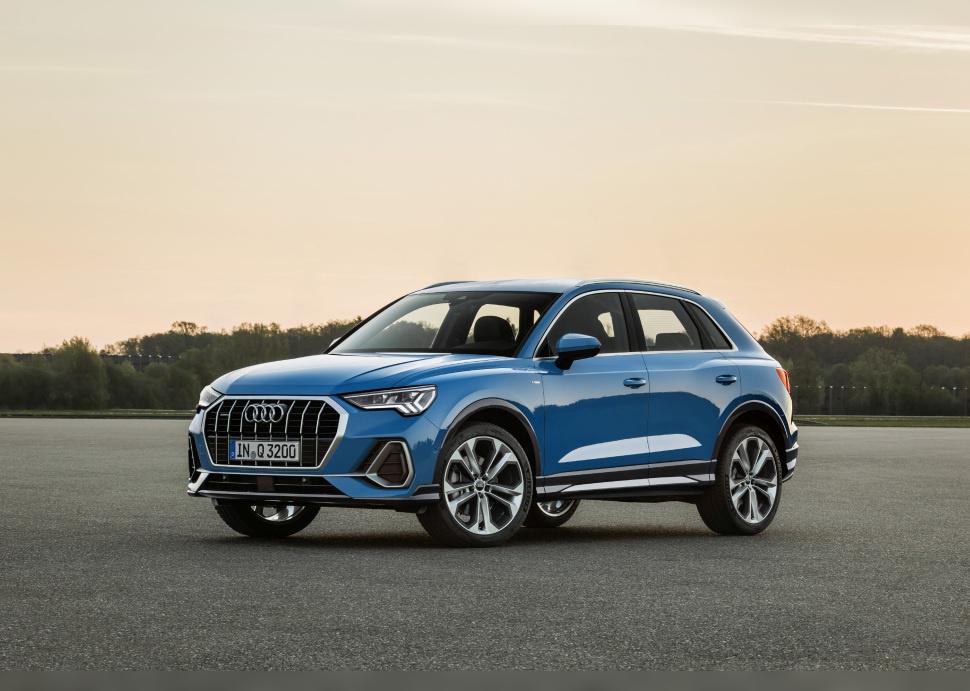
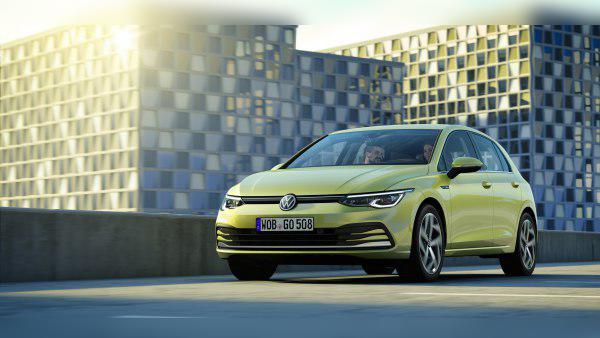
When you open the hood of a newer Volkswagen Golf 8, Audi A3 (8Y) or Tiguan, there is a good chance you will see an engine marked EA288 evo (engine codes often start with DT, e.g. DTSA). This is not the same 2.0 TDI from 15 years ago. It is the Volkswagen Group’s answer to the “Dieselgate” scandal and ever‑stricter Euro emission standards.
The engine has been significantly revised to be cleaner, lighter and more efficient. The block is now often aluminum (in certain variants, although cast iron is still used for the most heavily loaded versions), and the exhaust after‑treatment system is more complex than ever. It is installed in a wide range of vehicles, from compact hatchbacks to family SUVs, making it one of the most common diesel engines on the European market today.
Technical specifications
| Feature | Data |
|---|---|
| Displacement | 1968 cc |
| Power | 110 kW (150 hp) |
| Torque | 340 Nm (at 1600–3000 rpm) |
| Engine codes | DTSA, DTSB, DTTC (EA288 evo family) |
| Injection type | Common Rail (up to 2200 bar) |
| Charging | Variable geometry turbocharger (VGT) + intercooler |
| Camshaft drive | Timing belt |
| Emission standard | Euro 6d-ISC-FCM (depending on model year) |
Reliability and maintenance
Timing belt or chain?
This engine uses a timing belt. Volkswagen has remained faithful to this solution because it is quieter and creates less friction than a chain. Although modern belts are extremely durable, this is a vital component whose failure leads to catastrophic engine damage (piston‑to‑valve contact).
Major and minor service
The factory recommendation for timing belt replacement (major service) is often an optimistic 210,000 km. However, as an experienced editor and someone who listens to real‑world workshop practice, I strongly recommend shortening this interval to 150,000 to 180,000 km or a maximum of 5–7 years of age. The water pump (often electronically controlled or with variable flow) tends to start leaking or seize before that, which in any case requires removing the belt.
As for the oil, this engine takes approximately 5.5 to 5.7 liters of oil (always check the exact amount when filling). What is crucial for EA288 evo engines is the grade. These engines are factory‑filled and designed for 0W-20 oil with specification VW 508.00 / 509.00 (LongLife IV). This oil is “like water” and many old‑school mechanics are wary of it, but do not experiment with thicker oils without consulting the official manual, because the oil pump and internal clearances are calculated for this viscosity.
Oil consumption and injectors
Does it consume oil? Yes, like every modern turbo diesel with low‑friction rings. Consumption of around 0.5 liters per 10,000 km is completely normal and acceptable. If it exceeds 0.5 liters per 1,000 km (which is the factory limit for a warranty claim), only then do you have a real problem. In practice, between services (if you service every 15,000 km) you may need to top up half a liter to a liter.
The injectors are part of a Common Rail system, operating at pressures up to 2200 bar. In the 150 hp version, solenoid injectors are usually used, which have proven to be more durable and cheaper to refurbish than the piezo injectors used in more powerful variants. With good‑quality fuel, their service life easily exceeds 200,000 km. Symptoms of bad injectors include rough idle, increased smoke and harder starting.
Most common failures
Mechanically, the engine is a “beast”. Problems are peripheral:
- Water pump: It can start leaking or the flap that regulates flow can stick (engine overheating).
- Exhaust gas temperature sensors: Frequent failures that trigger the “Check Engine” light.
- Software issues: Sometimes the engine runs rougher or logs faults that are resolved with a software update at an authorized service center.
- Oil leaks: Pay attention to the crankshaft seal (gearbox side).
Specific components (costs)
Dual‑mass flywheel
Yes, the EA288 evo has a dual‑mass flywheel (DMF), regardless of whether it is paired with a manual or automatic (DSG) gearbox. Its role is to dampen diesel engine vibrations. Typical lifespan is between 150,000 and 250,000 km, depending on driving style. Replacement is expensive (varies by market, but expect a serious bill). Symptoms: rattling when switching the engine off, vibrations at idle transmitted to the seat, or jolts when changing gears.
Turbocharger
The engine has a single turbocharger with variable geometry. The turbo is reliable if the car is driven correctly (do not switch off a hot engine immediately after highway driving, do not push it hard when cold). Its lifespan generally matches the engine’s lifespan with regular maintenance. Rebuild is possible and the price is average (moderately expensive).
Emissions: DPF, EGR and AdBlue
This is the most sensitive part of the story. The engine has a DPF filter and an EGR valve, as well as a complex AdBlue system with “Twin Dosing” technology. This means there are two SCR catalytic converters and two AdBlue injectors to minimize NOx emissions as much as possible.
AdBlue system issues: The pump in the AdBlue tank, the fluid heater or the injectors themselves can fail. Repairs are expensive because the whole module is often replaced. If the system fails, the car will count down the remaining kilometers after which you will no longer be able to start the engine. Maintenance only involves regularly topping up good‑quality AdBlue.
The DPF clogs if the car is driven exclusively in the city. The EA288 evo is efficient at regeneration, but it still needs open‑road driving from time to time.
Fuel consumption and performance
City and highway driving
Fuel consumption is one of this engine’s strongest points.
- City driving: Expect between 6.5 and 7.5 l/100 km for a Golf or A3. Heavier models like the Tiguan Allspace or Q3 can use up to 8.5 l/100 km in heavy traffic.
- Country roads: On secondary roads, consumption drops to a ridiculous 4.0–4.5 l/100 km.
- Motorway: At 130 km/h, the engine spins at a low 1,800–2,000 rpm (in 7th gear with DSG), and consumption is around 5.0–6.0 l/100 km.
Is the engine “lazy”?
Absolutely not. With 340 Nm of torque available from just 1600 rpm, this engine pulls decisively. In a Golf 8 or A3 it even delivers somewhat sporty performance. In the heavier Tiguan Allspace it is no racer, but it is more than adequate for overtaking and fully loaded driving. There is no feeling of weakness on uphill sections.
Additional options and modifications
Chip tuning (Stage 1)
The EA288 evo is very suitable for software power upgrades. A safe Stage 1 remap usually raises power to 190–200 hp and torque to over 400 Nm.
Warning: Given the complexity of the AdBlue system and sensors, tuning must be done by a professional. A bad map can quickly clog the DPF or cause turbo overheating. Also keep in mind that higher torque shortens the lifespan of the dual‑mass flywheel.
Gearbox: Manual and DSG
Two types of gearboxes are paired with this engine:
- 6‑speed manual: Precise and robust. Failures are rare and mostly related to the clutch kit and flywheel (wear items).
- 7‑speed DSG (DQ381): This is the most common choice. It is a gearbox with a dual wet clutch.
DSG issues and maintenance
The DQ381 is a significant improvement over the older DQ200 (dry) gearboxes. It is very reliable and shifts smoothly. The most common failures are related to the mechatronics unit (the gearbox “brain”) if the oil is not changed regularly. Maintenance is mandatory: Oil and filter in the DSG gearbox should be changed every 60,000 to 120,000 km (depending on the exact revision and oil type, but the recommendation is to stick to 60,000 km for longevity). The cost of clutch replacement on a DSG is very high (varies by market, but falls into the “very expensive” category).
Buying used and conclusion
Before buying a car with this engine, pay attention to the following:
- Cold start: The engine should start instantly and idle smoothly. Any fluctuation in rpm can indicate injector or EGR issues.
- Flywheel noise: Listen for metallic noises when switching the engine off.
- Diagnostics: Always check the DPF status (how many grams of soot it contains) and whether there are any faults related to the AdBlue system (heaters, pumps, NOx sensors).
- Gearbox service history: If it has a DSG, ask for proof of oil changes.
Final verdict
The 2.0 TDI EA288 evo (150 hp) is probably the best diesel engine in its class currently on the market. It offers a near‑perfect balance between power and fuel consumption. It is not as simple as old diesels – it is packed with sensors and emission systems that are costly when they fail – but it delivers an excellent driving experience.
Who is it for? Drivers who cover more than 15,000 km per year, often drive on open roads and want a reliable, powerful car with low fuel consumption. If you only drive short city trips (up to 5 km), avoid this engine because of DPF and AdBlue complications and look for a petrol or hybrid instead.
Was this content useful to you?
Your opinion helps us to improve the quality of the content.