EA888 / DKZA Engine
- Engine
- 1984 cm3
- Aspiration
- Turbocharger, Intercooler
- Fuel
- Petrol (Gasoline)
- Fuel injection system
- Direct injection and Multi-port manifold injection
- Power
- 190 hp @ 4200 rpm
- Torque
- 320 Nm
- Cylinders
- 4
- Valves
- 16, 4 per cylinder
- Cylinders position
- Inline
- Valvetrain
- DOHC
- Oil capacity
- 5.7 l
- Coolant
- 10 l
- Systems
- Start & Stop System, Particulate filter
# Vehicles powered by this engine
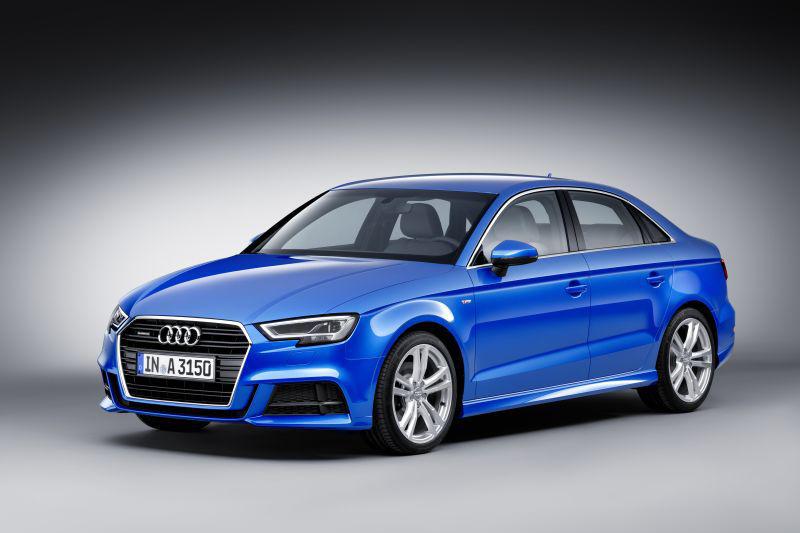
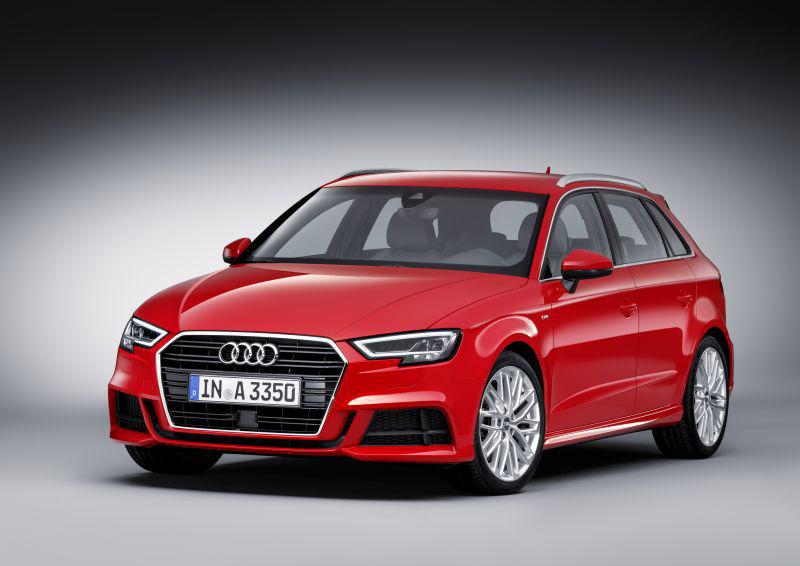
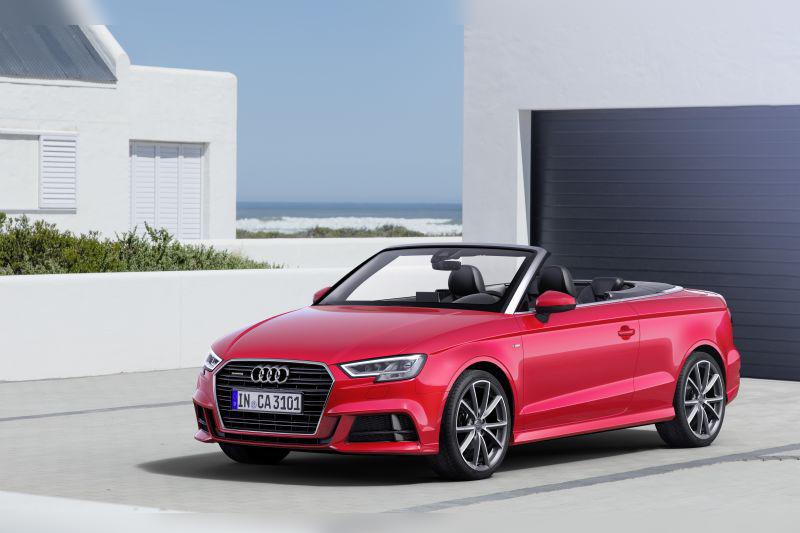
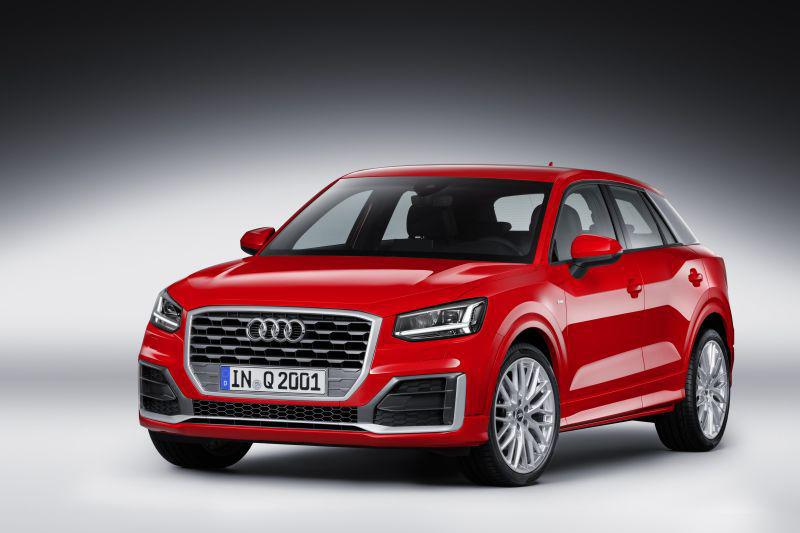







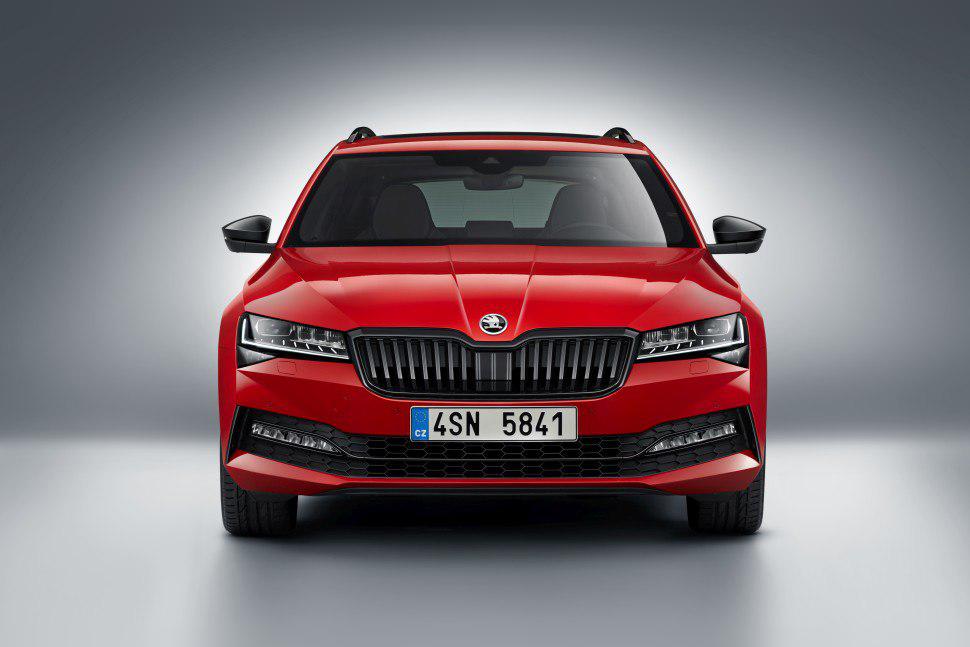
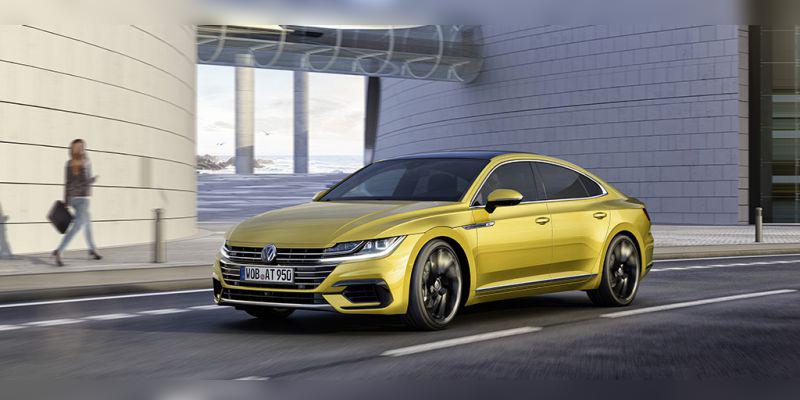
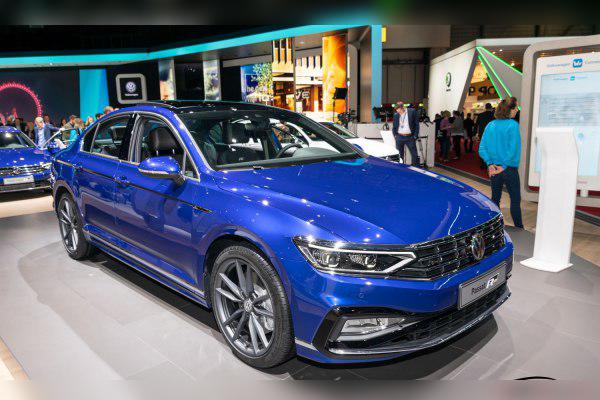
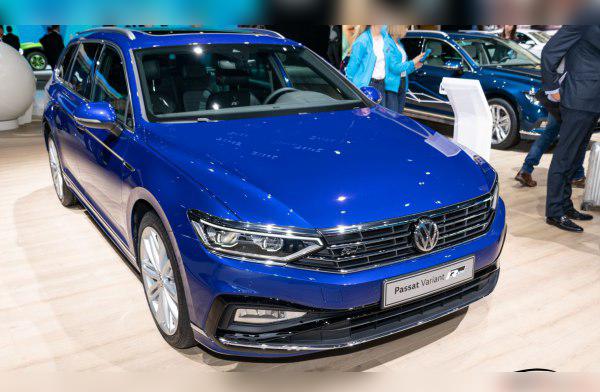
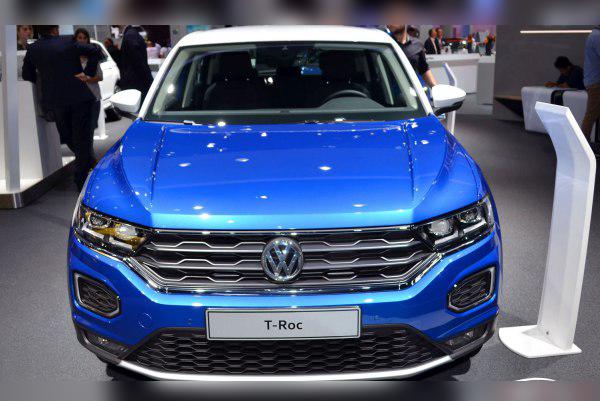

2.0 TSI / TFSI (190 hp) EA888 Gen 3b – Experience, fuel consumption and maintenance: The golden middle of the VW Group
Key points (TL;DR)
- Golden middle: This is a “B-cycle” (Budack) engine, optimized for efficiency rather than racing. It offers better fuel consumption than older 2.0 TSI engines and significantly better performance than the 1.5 TSI.
- Timing chain: It uses a timing chain, which in this generation (Gen 3b) is much more reliable than in the notorious predecessors, but still requires attention.
- Achilles’ heel: The thermostat housing and water pump are the most common cause of coolant leaks.
- The gearbox is key: It is paired almost exclusively with DSG gearboxes (wet clutch). Their lifespan directly depends on regular oil changes.
- OPF filter: Most of these models (especially from 2018 onwards) have a gasoline particulate filter (OPF/GPF) that muffles the sound but rarely causes driving issues.
- Recommendation: An excellent choice for heavier bodies (SUV, estate) where diesel is not an option and you still want strong overtaking performance.
Contents
- Introduction and engine applications
- Technical specifications
- Reliability, maintenance and failures
- Specific parts and costs
- Fuel consumption and performance
- Additional options (LPG and tuning)
- Gearbox: DSG and S tronic
- Used car tips and conclusion
Introduction and engine applications
The engine with the code DKZA belongs to the famous EA888 family, but in its “Gen 3b” evolution. This is important to emphasize because it differs from the engine in the Golf GTI. The letter “b” indicates that the engine operates on the so‑called Budack cycle (a modified Miller cycle). In simple terms: engineers shortened the intake time so that the engine uses less fuel while cruising, while the turbocharger compensates for power when you need it.
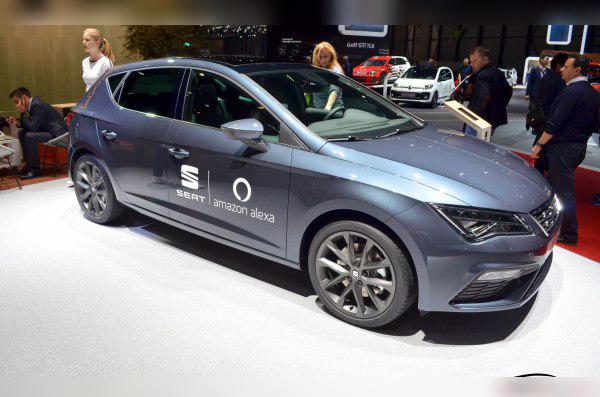
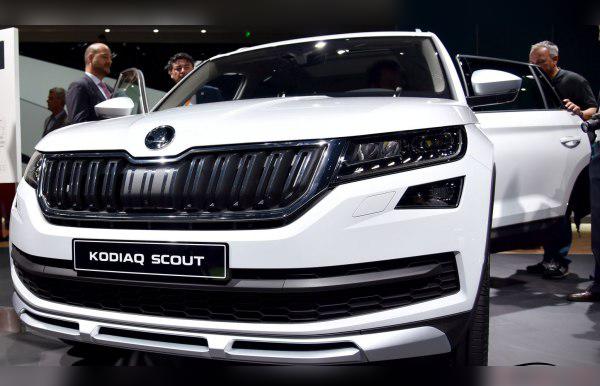
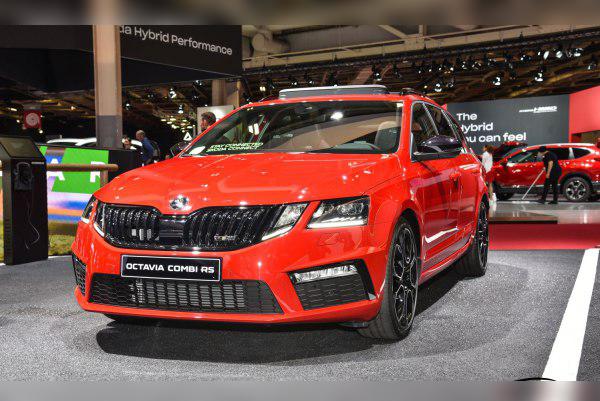
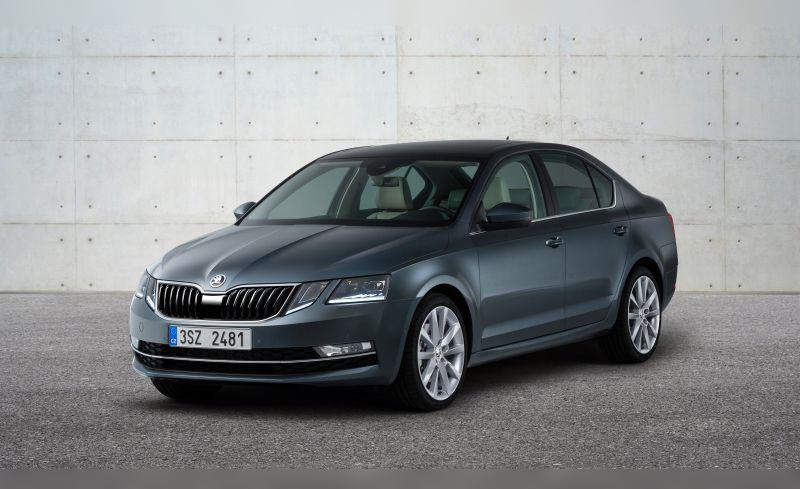
This 190 hp unit was conceived as the perfect replacement for the more powerful 2.0 TDI diesels. It is installed in a wide range of VW Group vehicles, from the compact Audi A3, through family cruisers such as the Škoda Superb and VW Passat, all the way to heavy SUVs like the Škoda Kodiaq and Seat Tarraco.
Technical specifications
| Parameter | Data |
|---|---|
| Displacement | 1984 cc (2.0 L) |
| Power | 140 kW (190 hp) at 4200–6000 rpm |
| Torque | 320 Nm at 1500–4100 rpm |
| Engine codes | DKZA (most common), CVKB, CZPB (depending on model year and vehicle) |
| Injection type | Direct injection (TSI / TFSI) |
| Induction | Turbocharger + intercooler |
| Emissions standard | Euro 6d-TEMP / Euro 6d (with OPF/GPF filter) |
Reliability and maintenance
Chain or belt?
The EA888 Gen 3b (DKZA) engine uses a timing chain to drive the camshafts. Unlike older generations (Gen 1 and 2), where the chain was a nightmare for owners, the system here is significantly improved. Still, the chain is not eternal. Although the manufacturer does not specify a fixed replacement interval, in practice it is advisable to check chain stretch (via diagnostics or inspection port) after 150,000 km. If you hear rattling on a cold start lasting more than 2–3 seconds, that is a sign you need to visit a workshop urgently.
Most common issues
Although this is one of the more reliable modern petrol engines, there are some specific problems:
- Thermostat module and water pump: The housing is made of plastic, which eventually cracks due to heat cycles. Symptoms include loss of coolant (dropping level in the expansion tank) or the smell of antifreeze under the hood. This is the most common failure.
- PCV valve (oil vapor separator): If the membrane tears, the engine may run unevenly, whistle, or consume oil.
- Carbon buildup: Due to direct injection, the intake valves are not “washed” by fuel. At higher mileage (over 100–120k km), performance can drop, requiring mechanical cleaning (walnut shell blasting).
Service intervals and oil
Major service: Since the engine uses a chain, a classic “major timing service” is not done at a fixed mileage as with belts. However, the auxiliary/serpentine belt (driving the alternator and A/C) and its tensioners are usually replaced between 100,000 and 120,000 km.
Engine oil: This engine takes approximately 5.7 liters of oil.
The recommended viscosity grade is often a controversial topic. For the DKZA (for efficiency and the B-cycle), the manufacturer pushes 0W-20 (VW 508.00 specification). This is a “thin” oil that reduces friction. Many experienced mechanics, for warmer climates or heavily loaded driving, recommend switching to 5W-30 (VW 504.00), but only if the vehicle is not under a strict warranty requirement tied to 0W-20.
Oil consumption: Yes, it does consume some oil, but not like the older models. It is normal to top up 0.5 to 1 liter between services (over 10–15 thousand km). If it uses a liter per 2,000 km, you likely have a problem with piston rings or the turbo.
Spark plugs: On turbocharged direct‑injection petrol engines, spark plugs are under heavy stress. They should be replaced every 60,000 km or 4 years. Do not wait longer, because a bad spark plug can damage an ignition coil (which is also a wear item).
Specific parts (costs)
Dual‑mass flywheel: Yes, this engine combined with a DSG gearbox does have a dual‑mass flywheel. Its job is to smooth out engine vibrations before they reach the gearbox. If you hear metallic knocking at idle that disappears when you rev the engine, or a strong thump when switching the engine off, the flywheel is nearing the end of its life. The price is high (very expensive, depends on the market), but it usually lasts over 150,000–200,000 km with normal driving.
Turbocharger: The engine has a single turbocharger (usually an IS20 or a variant). Its lifespan is long, often as long as the engine itself, provided the oil is changed regularly and the engine is not switched off immediately after hard driving. There are no “twin‑turbo” issues here, as this is a single‑turbo system.
Fuel injection system: The injectors are high‑pressure piezo units for direct injection. They are not as problematic as diesel injectors, but they are sensitive to poor‑quality petrol. A single injector is not cheap (expensive), but failures are rare before high mileage.
Emissions (GPF/OPF and EGR): These models (DKZA) are equipped with an OPF/GPF filter (the petrol equivalent of a DPF). It regenerates much faster and easier than on diesels because petrol exhaust gases are hotter. Clogging is extremely rare, unless the car is literally driven 100% of the time in stop‑and‑go city traffic on very short trips. This engine DOES NOT USE AdBlue (that is only for diesels).
Fuel consumption and performance
This is the section where the DKZA engine really shines. Thanks to the Budack cycle, it offers an excellent balance.
- City driving: Expect between 8.5 and 11 l/100 km. This heavily depends on vehicle weight (a Škoda Kodiaq 4x4 will be closer to 11L, while an Audi A3 will be closer to 9L).
- Motorway: At 130 km/h, the engine spins at a low 2,000 to 2,200 rpm (in 7th gear). Fuel consumption ranges from 6.5 to 7.5 l/100 km, which is fantastic for a 190 hp petrol engine.
- Is it lazy? Absolutely not. With 320 Nm of torque available from just 1500 rpm, the engine pulls linearly and strongly. In heavier SUVs (Tarraco, Kodiaq) it is no sports car, but you will never struggle with overtaking or climbing hills. In a lighter Audi A3 or Leon, this engine delivers an almost “GTI‑like” feel in everyday driving.
Additional options and modifications
LPG conversion
Can you fit LPG? You can, but it is not cost‑effective for most drivers. Since this is a direct‑injection engine, it requires a sophisticated LPG system. There are two options:
1. A system that still injects 20–30% petrol to cool the injectors (you save less).
2. A liquid‑phase LPG injection system using the petrol injectors (very expensive, over 1000–1500 EUR, depending on the market).
Given the relatively low petrol consumption, the payback period for such an investment is very long.
Remapping (Stage 1)
This engine has a lot of tuning potential. Since it is hardware‑wise similar to more powerful versions, with a simple software remap (Stage 1) the power can be safely raised to 220–240 hp, and torque to 400+ Nm. However, keep in mind that higher torque puts additional stress on the gearbox and clutches.
Gearbox: DSG and S tronic
With this engine (especially in 4x4 variants), you almost always get a DSG dual‑clutch automatic gearbox (called S tronic in Audi models). Manual gearboxes are rare in this power and equipment configuration.
Which gearbox model? Most commonly it is the DQ381 (7‑speed, wet clutch). This is an improved version of the older DQ250 gearbox. The term “wet clutch” means that the clutch packs are immersed in oil, which is excellent for cooling and longevity.
Gearbox maintenance (CRUCIAL): The oil in the DSG gearbox must be changed every 60,000 km (or at most 120,000 km according to some newer recommendations, but professionals still say 60k for peace of mind). Replacing the gearbox filter is also mandatory.
Most common failures:
1. Mechatronics unit: The “brain” of the gearbox. Failure manifests as harsh shifting, popping out of gear, or warning lights. Repairs are expensive.
2. Clutch pack: A wear item. It usually lasts around 200,000 km, depending on driving style (city driving wears it out faster).
Buying used and conclusion
Buying a used car with the 2.0 TSI (DKZA) engine requires a few checks:
- Cold start: Insist that the engine is completely cold. Listen to the chain for the first 3–5 seconds. If it rattles longer, that is a cost waiting to happen.
- Leaks: Look under the intake manifold for traces of pink/purple crust (dried antifreeze from the water pump).
- DSG service history: Ask for proof of gearbox oil changes. If the car has 130,000 km and the gearbox oil has never been changed – walk away from that car.
- Test drive: The engine should pull smoothly and linearly, without hesitation. The gearbox should shift imperceptibly, both up and down.
Conclusion
The 2.0 TSI (190 hp) engine is probably the best all‑rounder that the VW Group currently offers. It does not have the complexity of hybrids, it avoids DPF and AdBlue issues of diesels, and it goes very well while consuming a reasonable amount of fuel. It is ideal for drivers who cover 15,000–25,000 km per year and want a car that is quiet and refined in the city, yet powerful on the open road.
Was this content useful to you?
Your opinion helps us to improve the quality of the content.