CXSB, CZCA Engine
- Engine
- 1395 cm3
- Aspiration
- Turbocharger, Intercooler
- Fuel
- Petrol (Gasoline)
- Fuel injection system
- Direct injection
- Power
- 125 hp @ 5000 rpm
- Torque
- 200 Nm
- Cylinders
- 4
- Valves
- 16, 4 per cylinder
- Cylinders position
- Inline
- Valvetrain
- DOHC
- Oil capacity
- 4 l
# Vehicles powered by this engine
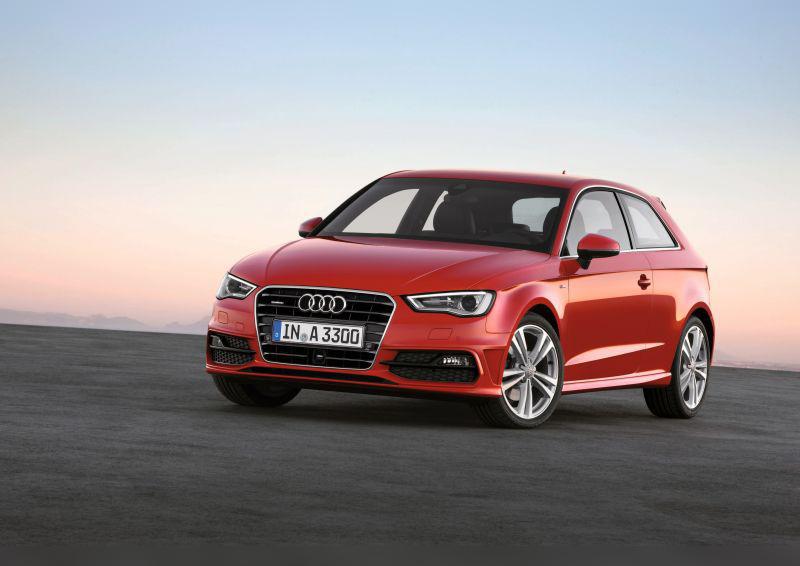
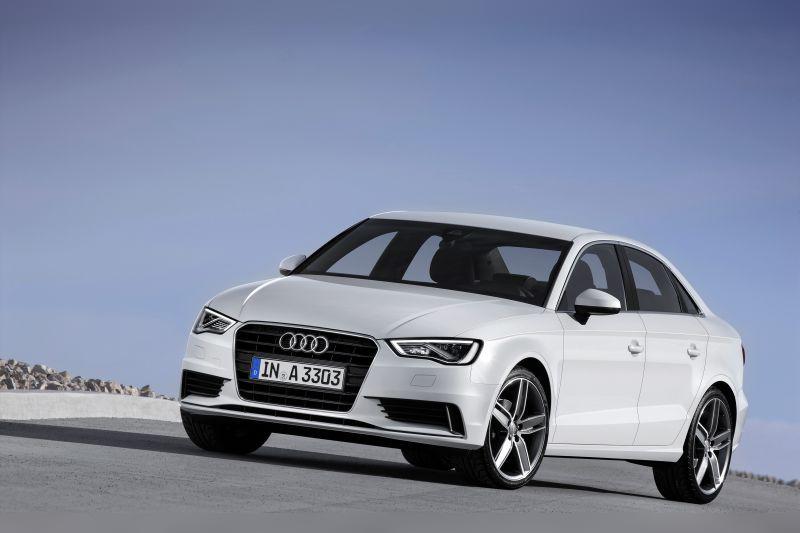
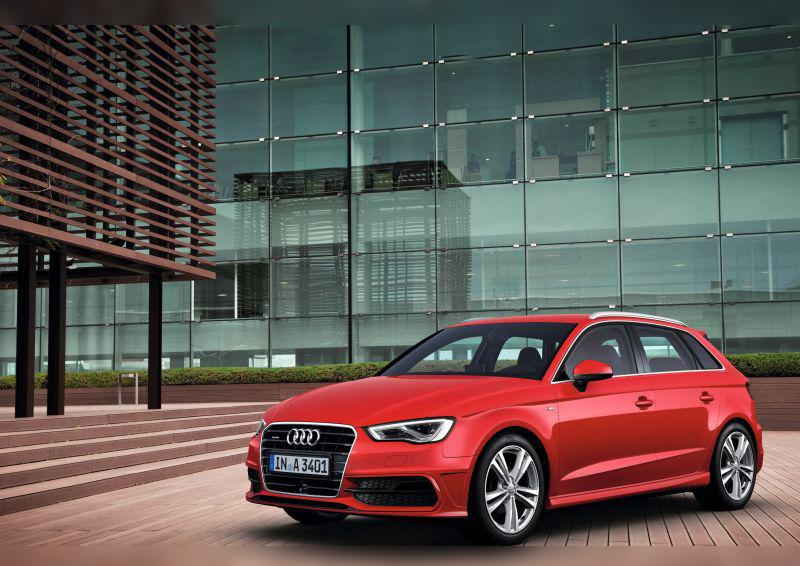
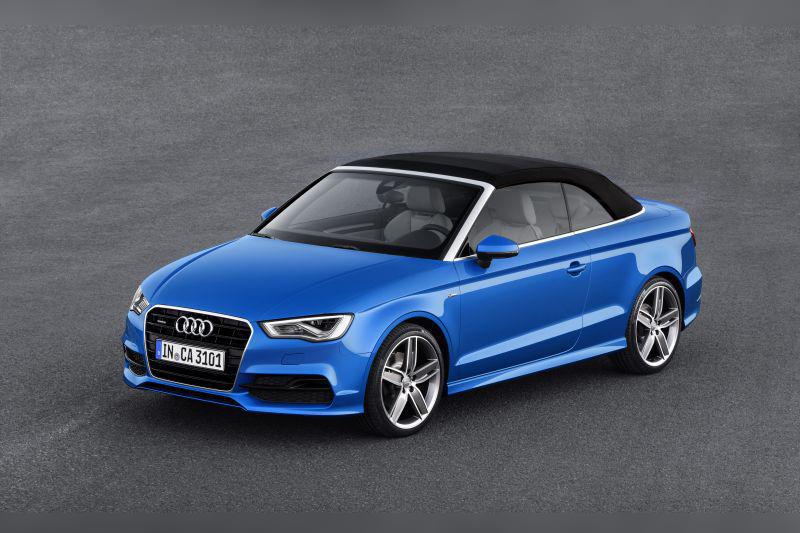

1.4 TFSI (CXSB, CZCA) experiences, problems, fuel consumption and used car buying guide
Key points (TL;DR)
- Biggest advantage: Belongs to the EA211 engine generation, which means it has solved most of the issues of the old 1.4 TSI engines (no more problematic timing chain).
- Timing drive: Uses a timing belt, not a chain, which has proven to be a much more reliable solution.
- Achilles’ heel: Thermostat housing and water pump are prone to coolant leaks.
- Gearbox: The S tronic (DSG) version requires caution – it is the DQ200 model with a dry clutch, which can be expensive to repair (mechatronics).
- Performance: Surprisingly lively for its displacement, an excellent balance of power and fuel consumption.
- Recommendation: One of the best “small” petrol engines from the VW Group, ideal for those who want to avoid diesels.
Contents
- Introduction and engine applications
- Technical specifications
- Reliability and maintenance
- Specific parts and injection system
- Fuel consumption, performance and driving
- Additional options (LPG and chip tuning)
- Gearbox: Manual vs S tronic
- Used car buying tips and conclusion
Introduction and engine applications
The engine we’re talking about today carries the codes CXSB and CZCA. It is a unit from the EA211 family, which debuted with the Golf 7 and Audi A3 (8V). This is a key piece of information because many drivers are still afraid of the “1.4 TSI/TFSI” label due to the catastrophic timing chain problems on the older generation (EA111). That fear does not apply here – this is a completely different engine, designed from scratch, lighter, more efficient and, most importantly, much more reliable.
With its 125 horsepower, this engine represents the “golden middle” in the Audi A3 and VW Scirocco range. It’s not the basic underpowered engine, but it’s also not the more expensive 1.8 or 2.0 version. It is aimed at drivers who want the refinement of a petrol engine, cabin quietness and low registration costs, without sacrificing safe overtaking on open roads.
Technical specifications
| Specification | Data |
|---|---|
| Displacement | 1395 cc (1.4 L) |
| Power | 92 kW (125 hp) at 5000–6000 rpm |
| Torque | 200 Nm at 1400–4000 rpm |
| Engine codes | CXSB, CZCA (EA211 family) |
| Injection type | Direct injection (TSI / TFSI) |
| Charging | Turbocharger + intercooler (water–air) |
| Number of cylinders/valves | 4 cylinders / 16 valves |
Reliability and maintenance
Does this engine have a timing belt or a chain?
This is the most common question and the answer is reassuring: The engine has a timing belt. VW Group engineers learned from the mistakes of the previous generation and went back to a belt. That’s great news for owners because the system is quieter and incomparably more reliable than the old chain that used to stretch. The manufacturer sometimes states optimistic replacement intervals (up to 210,000 km), but in practice, due to material aging and different operating conditions, a major service is recommended every 160,000 to 180,000 km or every 5 to 7 years, whichever comes first.
What are the most common failures on this engine?
Although reliable, the CXSB/CZCA is not without flaws:
- Water pump and thermostat housing: This is problem number one. The housing is plastic and often cracks or deforms, leading to coolant loss. If you notice the coolant level dropping, this is the first place to check. A symptom can also be engine overheating.
- Carbon buildup on intake valves: Due to direct injection, fuel does not wash over the intake valves. Over time (usually at higher mileage, above 150,000 km) carbon deposits build up, which can reduce performance and cause rough running.
- Turbo actuator (wastegate): Sometimes you can hear a metallic rattling sound when applying or lifting off the throttle. This often indicates that the wastegate rod has developed play. In more severe cases, the car can go into “safe mode”.
Oil: quantity, grade and consumption
The engine takes approximately 4.0 litres of engine oil (with filter). The recommended grade is usually 5W-30 (VW 504.00 standard), although newer model years may require 0W-20 (VW 508.00). Always check the sticker in the engine bay or the owner’s manual.
Does it consume oil? Unlike older TSI engines that were known to burn litres of oil due to poor piston rings, EA211 engines (CXSB, CZCA) are very decent in this regard. Consumption of around 0.5 litres per 10,000 km is completely normal and acceptable. If it uses more than 1 litre over a few thousand kilometres, that points to a problem with the turbocharger or valve stem seals, but this is not a systemic fault of this engine model.
Spark plugs and injectors
Since this is a petrol engine, spark plugs are a consumable item. Replacement is recommended every 60,000 km. Don’t skimp on spark plugs – use only NGK or Bosch according to factory specifications (Iridium or Platinum), because a bad plug can damage the ignition coil (which is also a sensitive point).
Specific parts (costs)
Does this engine have a dual-mass flywheel?
Yes, in most cases. In the Audi A3 (8V), comfort is a priority, so versions with the 125 hp manual gearbox usually come with a dual-mass flywheel. With S tronic (automatic) gearboxes the situation is different – there is still a flywheel, but of a different type, and it usually lasts longer than on manuals, though it remains a potential expense. The price of a clutch kit with flywheel is in the “mid-range expensive” category (depending on the market), but still cheaper than on diesels.
Injection system and injectors
It uses a high-pressure direct injection system. The injectors are generally very reliable and rarely cause problems before 200,000 km. However, if a failure does occur (symptoms: fuel leaking into a cylinder, cylinder washing, smoke), replacement can be expensive because the piezo injectors are sophisticated components.
Turbocharger
The engine uses a single turbocharger (usually IHI or Mitsubishi). The turbo is water-cooled and integrated into the exhaust manifold (on some cylinder head variants), which allows the engine to warm up faster. Their service life is long; they often exceed 200,000 km with regular oil changes. The most common issue is not the turbo itself, but the electronic actuator that controls boost pressure.
EGR, DPF and AdBlue
Good news: This engine does not have an AdBlue system. Also, as a petrol engine, it does not have a conventional DPF filter that clogs like on diesels. However, newer versions (especially CZCA towards the end of production and with the introduction of stricter emission standards) may have a GPF (Gasoline Particulate Filter). A GPF is much harder to clog than a diesel DPF because petrol burns at higher temperatures. An EGR valve is present, but it rarely gets dirty enough to disrupt engine operation, unlike on TDI engines.
Fuel consumption and performance
What is the real-world fuel consumption?
This is one of the most economical petrol engines on the market.
- City driving: Expect between 7.0 and 8.5 l/100 km. In heavy stop-and-go traffic it can go up to 9 litres, but the S tronic gearbox and start–stop system help save fuel.
- Country roads: This is where the engine shines. It’s possible to bring consumption down to 5.0–5.5 l/100 km.
- Motorway (130 km/h): Consumption is around 6.5–7.0 l/100 km.
Is the engine “lazy”?
Absolutely not. With 200 Nm of torque available from as low as 1400 rpm, the car pulls almost like a diesel. In the Audi A3 body (which is not very heavy), 125 hp is more than enough for dynamic driving. It’s not a sports car, but you will never feel unsafe when overtaking.
Behaviour on the motorway
Thanks to the 6-speed manual or 7-speed S tronic gearbox, the engine is not stressed. At 130 km/h in top gear, the engine spins at around 2600 to 2800 rpm (depending on gearbox and wheel size). This means the cabin is quiet and comfortable for long journeys.
Additional options and modifications
LPG conversion
Since this is an engine with direct injection, LPG conversion is complex and expensive. A special system is required (“Direct Liquid” or a system that also injects a small amount of petrol to cool the injectors). Installation costs significantly more than on conventional engines (very expensive), and the cost-effectiveness is questionable unless you cover very high annual mileage (over 30–40,000 km per year).
Chip tuning (Stage 1)
This engine responds very well to a software power increase. A safe Stage 1 usually raises power to around 145–150 hp and torque to around 250 Nm. The engine can handle this mechanically without issues, but keep in mind that the higher torque will wear the clutch faster (especially on the manual gearbox).
Gearbox: Manual vs S tronic
Types of gearboxes
This engine comes with either a 6-speed manual gearbox or a 7-speed S tronic (DSG) with the code DQ200.
Problems with the S tronic (DQ200) gearbox
The DQ200 is a gearbox with a dual dry clutch. This is a critical point. Although it is faster and more economical than the manual, it has a reputation for being sensitive.
- Symptoms of failure: Jerking when setting off, a “clang” sound when shifting from 1st to 2nd gear, or delayed response.
- Most common failures: Wear of the clutch pack (often before 150,000 km in city driving) and failure of the mechatronics unit (the hydraulic unit that controls gear changes).
- Maintenance: Although the manufacturer claims the gearbox oil is “lifetime fill”, experts recommend changing the oil in the mechatronics and gearbox every 60,000 km to extend its service life.
Manual gearbox
The manual gearbox is robust and precise. The main expense here is the clutch kit and dual-mass flywheel. Replacement is usually done when the clutch becomes heavy or the flywheel starts knocking when switching the engine off. The cost is significantly lower than repairing the automatic.
Used car buying guide and conclusion
What to check before buying?
- Cold start: Listen to the engine for the first 5 seconds. There should be no metallic rattling (even though there is no chain, rattling can indicate a problem with the hydraulic lifters or turbo actuator).
- Coolant traces: Look around the engine on the left-hand side (viewed from the front) for white/pink traces of leakage on the plastic thermostat housing.
- Test drive (S tronic): Start gently uphill without pressing the accelerator. The car must not shudder. Gear changes should be imperceptible.
- Diagnostics: Check for “misfire” error codes, which can indicate problems with carbon deposits on the valves.
Final conclusion
The 1.4 TFSI (CXSB, CZCA) engine is an excellent choice. It has successfully overcome the teething problems of its predecessor and offers a level of refinement that diesels lack. It is ideal for buyers who drive up to 20,000 km per year, use a mix of city and highway, and want a premium driving feel.
If you’re choosing between a manual and an automatic: the manual is the safer purchase in terms of maintenance costs. If you really want an automatic, be prepared to set some money aside for a potential clutch or mechatronics service, but in return you get top-notch comfort.
Was this content useful to you?
Your opinion helps us to improve the quality of the content.