CBBB, CFGB Engine
- Engine
- 1968 cm3
- Aspiration
- Turbocharger, Intercooler
- Fuel
- Diesel
- Fuel injection system
- Diesel Commonrail
- Power
- 170 hp @ 4200 rpm
- Torque
- 350 Nm @ 1750 rpm
- Cylinders
- 4
- Valves
- 16, 4 per cylinder
- Cylinders position
- Inline
- Valvetrain
- DOHC
- Oil capacity
- 4.3 l
- Coolant
- 8.7 l
- Systems
- Particulate filter
# Vehicles powered by this engine
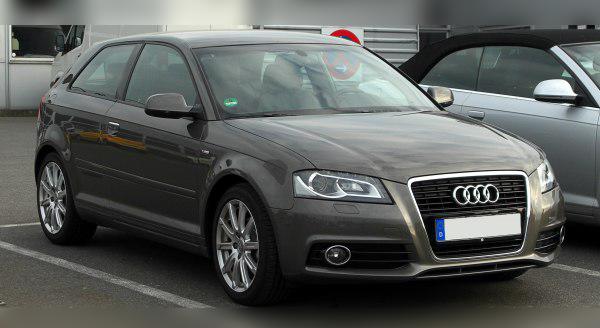
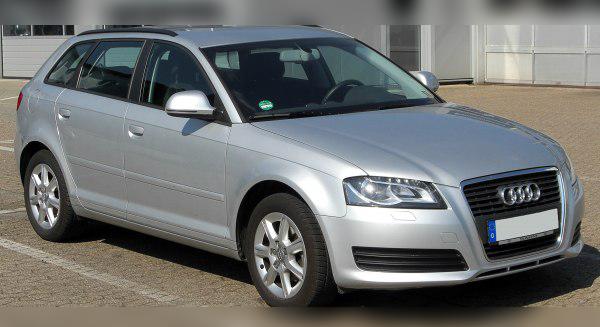
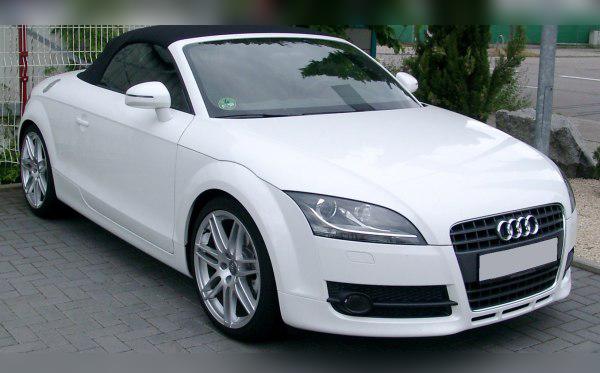

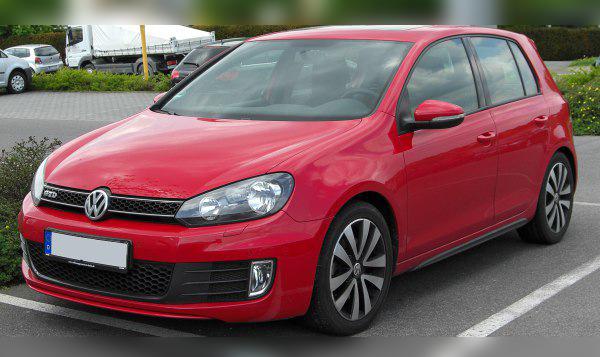
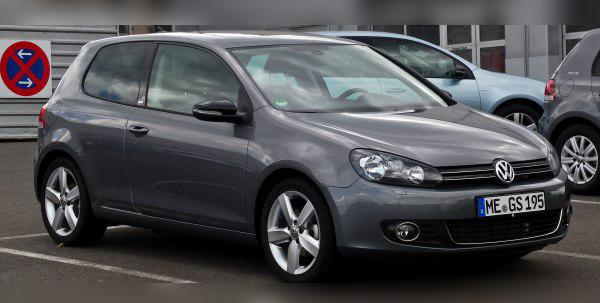
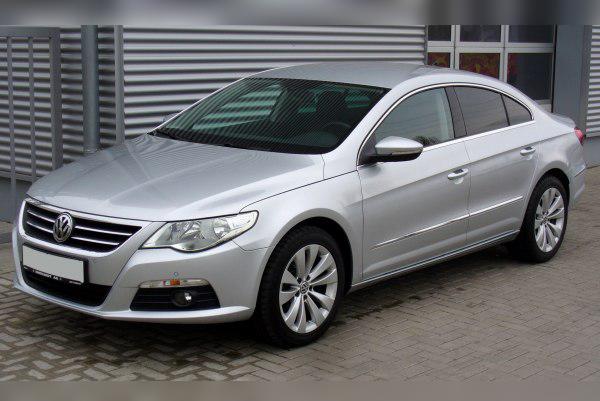
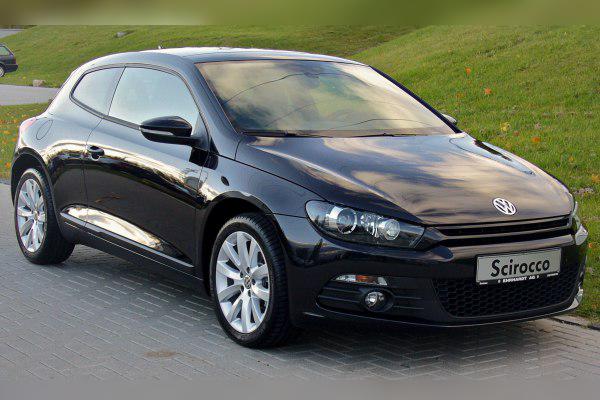
2.0 TDI CR (CBBB, CFGB) 170 HP: Real-world experience, issues, fuel consumption and maintenance
If you’re looking for a strong diesel engine from the VW Group’s “golden era” (late 2000s and early 2010s), the CBBB and CFGB codes are probably on your radar. These engines brought a much-needed revolution by switching from the noisy “Pumpe-Düse” (PD) system to the more refined Common Rail (CR) injection system. With 170 horsepower, these units in models such as the Golf VI GTD, Audi A3 or VW CC offer a perfect balance between sporty performance and low fuel consumption.
However, although they are far more reliable than their predecessors (the notorious 170 HP PD engines with Siemens injectors), these engines are not immune to expensive failures if not maintained properly. Below is a detailed analysis.
Key points in short (TL;DR)
- Common Rail system: Much quieter, smoother and more reliable operation compared to the old PD engines.
- Intake manifold (swirl flaps): One of the most common issues. Plastic flaps get stuck (Error P2015).
- Oil pump drive shaft: Although improved compared to older models, the small hex (“Allen”) shaft can still round off at higher mileage.
- DPF filter: Standard equipment. Sensitive to frequent short city trips.
- Performance: Excellent throttle response, ideal for overtaking and highway driving.
- Recommendation: Look for cars with a documented gearbox service history (especially if it’s DSG) and verified injector condition.
Contents
- Technical Specifications
- Reliability and Maintenance
- Specific Parts and Costs
- Fuel Consumption and Performance
- Tuning Options and Modifications
- Gearbox (Manual and DSG)
- Buying Used and Conclusion
Technical Specifications
| Feature | Data |
|---|---|
| Engine codes | CBBB, CFGB (EA189 series) |
| Displacement | 1968 cc (2.0 l) |
| Power | 125 kW (170 HP) @ 4200 rpm |
| Torque | 350 Nm @ 1750–2500 rpm |
| Injection system | Common Rail (piezo injectors) |
| Charging | Variable-geometry turbocharger (VGT) + intercooler |
| Emissions standard | Euro 5 |
Reliability and Maintenance
Timing belt or chain?
The CBBB and CFGB engines use a timing belt for the valve train. This is good news because the system is quieter and more predictable than the chains from that period. The factory replacement interval is often listed as 180,000 km or 210,000 km (depending on production year), but real-world experience says otherwise. Recommendation: Replace the timing belt, tensioners and water pump at a maximum of 150,000 km or 5 years, whichever comes first. A snapped belt will cause catastrophic engine damage.
Most common failures
Although these are solid engines, they do have some specific weak points:
- Intake manifold actuator (swirl flaps): The plastic mechanism that opens and closes the flaps in the intake manifold often breaks or gets stuck. The symptom is a “Check Engine” light and error code P2015. It’s solved by replacing the intake manifold or repairing the mechanism (repair kits are available).
- Oil pump drive shaft (hex): The famous 2.0 TDI issue. On these CR engines the problem is rarer than on PD units, but it still happens that the small hex shaft driving the oil pump rounds off (wears out). When that happens, the pump stops, oil pressure drops to zero and the turbo fails instantly, followed shortly by the engine. Preventive replacement of this shaft during a major service is a small price to pay for peace of mind.
- EGR valve: It collects soot and gets stuck, especially on cars that have had the “Dieselgate” software recall, because after that the EGR operates under higher load.
- Thermostat: A common issue on CFGB engines (in the Passat B7/CC) is a thermostat that remains open, so the engine struggles to reach operating temperature in winter.
Minor and major service
As mentioned, the major service is done preventively at around 150,000 km. As for the minor service (oil and filters), it’s recommended every 10,000 to 15,000 km, or once a year. Factory “Long Life” intervals of 30,000 km are too long for used engines and city driving.
Oil: quantity and consumption
The engine takes approximately 4.3 litres of oil. Always use 5W-30 oil that meets the strict VW 507.00 specification (Low SAPS), because of the DPF filter.
Regarding oil consumption, Common Rail engines are significantly better than the old PD units. Consumption of 0.5 to 1 litre per 10,000 km is considered completely normal and acceptable. If it uses more than that, check the turbocharger or piston rings. An increasing oil level on the dipstick is a bad sign – it means diesel is mixing with the oil due to failed DPF regenerations.
Injectors
These engines use piezoelectric injectors (usually Bosch). They are much more reliable than the Siemens injectors from the previous generation. Their lifespan is usually over 250,000 km. Symptoms of bad injectors are rough idle, smoke on cold start and increased fuel consumption. They can be overhauled, but the cost is still high (expensive, depends on the market).
Specific Parts (Costs)
Dual-mass flywheel
Yes, this engine has a dual-mass flywheel. Considering the 350 Nm of torque, the flywheel is under heavy load. Symptoms of failure are metallic knocking when starting and stopping the engine, as well as vibrations in the clutch pedal. On models with a DSG gearbox, there is also a flywheel that can fail, and the symptom is rattling from the gearbox area while the car is idling (in “P” or “N” mode).
Turbocharger
The engine uses a single variable-geometry turbocharger (VGT). It is generally very durable and often lasts as long as the engine itself with regular oil changes. Its biggest enemies are switching off a hot engine immediately after fast driving (motorway) and high revs on a cold engine.
DPF and EGR
All models with CBBB and CFGB engines (Euro 5) are equipped with a DPF filter and an EGR valve.
DPF: It is sensitive to short city trips. If you only drive in the city, the warning light will come on quickly. You need to regularly go on open roads so the filter can passively regenerate. A clogged DPF chokes the engine and can destroy the turbo.
EGR: The EGR cooler often fails, which leads to loss of coolant.
AdBlue system
Most models from this generation (Golf 6 GTD, A3 8P, Scirocco, early CC) with the 2.0 TDI 170 HP engine DO NOT have an AdBlue system. They meet the Euro 5 standard using only a DPF and an oxidation catalyst.
Note: There were specific versions (e.g. Passat CC BlueTDI) that did have AdBlue, but they are very rare. If you have a standard GTD or TDI 170 HP from this period, you most likely don’t have to worry about AdBlue fluid, which is a big advantage in terms of maintenance.
Fuel Consumption and Performance
Real-world fuel consumption
- City driving: Expect between 7.0 and 8.5 l/100 km. In winter and heavy traffic, this can go up to 9–10 litres, especially with automatics.
- Country roads: This is where the engine shines. It’s possible to get consumption down to 4.5–5.5 l/100 km.
- Motorway (130 km/h): Consumption is around 5.5–6.5 l/100 km.
Is the engine “lazy”?
Absolutely not. With 170 HP and 350 Nm, this engine makes the Golf 6 GTD, Scirocco or A3 very agile cars. Even in the heavier Passat CC, the engine delivers excellent in-gear acceleration. There is no feeling of lack of power when overtaking, even with a fully loaded car.
Behaviour on the motorway
This is the natural habitat of this engine. At 130 km/h in 6th gear, the engine spins at around 2,200–2,400 rpm (depending on gearbox and model). The cabin is quiet, and there is enough power reserve to accelerate up to 160 km/h without downshifting.
Tuning Options and Modifications
Chip tuning (Stage 1)
The 2.0 TDI Common Rail engines respond very well to remapping. A safe “Stage 1” tune raises power from 170 HP to approximately 200–210 HP, and torque goes up to over 400–420 Nm.
Warning: Increasing power drastically shortens the lifespan of the dual-mass flywheel (especially with manual gearboxes) and clogs the DPF faster if the map is not done properly (if it smokes too much). DSG gearboxes generally cope well with this power increase, but a software adjustment of the gearbox is also recommended.
Gearbox
Manual vs automatic
Two types of gearboxes are paired with this engine:
- 6-speed manual gearbox: Precise, robust and long-lasting. The only major cost is the clutch kit and dual-mass flywheel. Oil change in the manual gearbox is not prescribed, but is recommended every 100,000 km for smoother shifting in winter.
- 6-speed DSG (DQ250): This is a dual-clutch gearbox with wet clutches. It is considered one of the best automatic gearboxes of that era. It shifts lightning-fast and matches the engine’s character perfectly.
DSG maintenance and failures
DSG requires strict maintenance. Oil and filter in the DSG gearbox MUST be changed every 60,000 km. If this is neglected, the mechatronics unit (the “brain” of the gearbox) fails, and repairs are very expensive (often over 1000 EUR). The clutch packs in the DSG also wear, but usually last over 200,000 km with normal driving.
Clutch replacement cost
The cost of replacing the clutch kit with the dual-mass flywheel for the manual gearbox falls into the expensive category (depends on the market, but expect a significant expense). On DSG, flywheel replacement is also costly, and if the clutches are replaced at the same time, the price rises sharply.
Buying Used and Conclusion
What to check before buying?
- Cold start: The engine should start “on the first turn”. If it cranks for a long time, it could be injectors, glow plugs or the high-pressure pump.
- Flywheel noise: Listen for metallic knocking while the engine is idling. Press the clutch pedal (on manuals) – if the noise disappears or changes, the flywheel is near the end of its life.
- Exhaust: Wipe the inside of the tailpipe with your finger. If your fingers are black with soot, the DPF has likely been removed, drilled or is faulty. With a healthy DPF, the exhaust should be “pharmacy clean”.
- Diagnostics: Always check DPF saturation (ash mass) and injector status (corrections must not be excessive).
Conclusion
The 2.0 TDI (CBBB/CFGB) 170 HP engine is probably the best choice for drivers who want GTD-level performance but have a budget limited to 10–15-year-old cars. It has solved most of the “childhood diseases” of the old PD engines, runs quieter and uses less fuel.
It is intended for drivers who cover a lot of kilometres on open roads. If you drive exclusively in the city (“from traffic light to traffic light”), the DPF and EGR will give you headaches. With preventive inspection of the intake manifold and regular servicing, this engine can easily exceed 400,000+ km without being opened.
Was this content useful to you?
Your opinion helps us to improve the quality of the content.