F20 Engine
- Engine
- 1997 cm3
- Aspiration
- Naturally aspirated engine
- Fuel
- Petrol (Gasoline)
- Fuel injection system
- Multi-port manifold injection
- Power
- 147 hp @ 6000 rpm
- Torque
- 184 Nm @ 4800 rpm
- Cylinders
- 4
- Valves
- 16, 4 per cylinder
- Cylinders position
- Inline
- Valvetrain
- OHC
- Oil capacity
- 4.3 l
- Coolant
- 5.8 l
# Vehicles powered by this engine
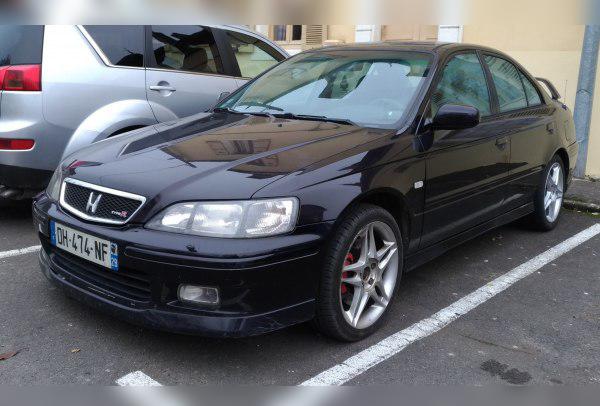

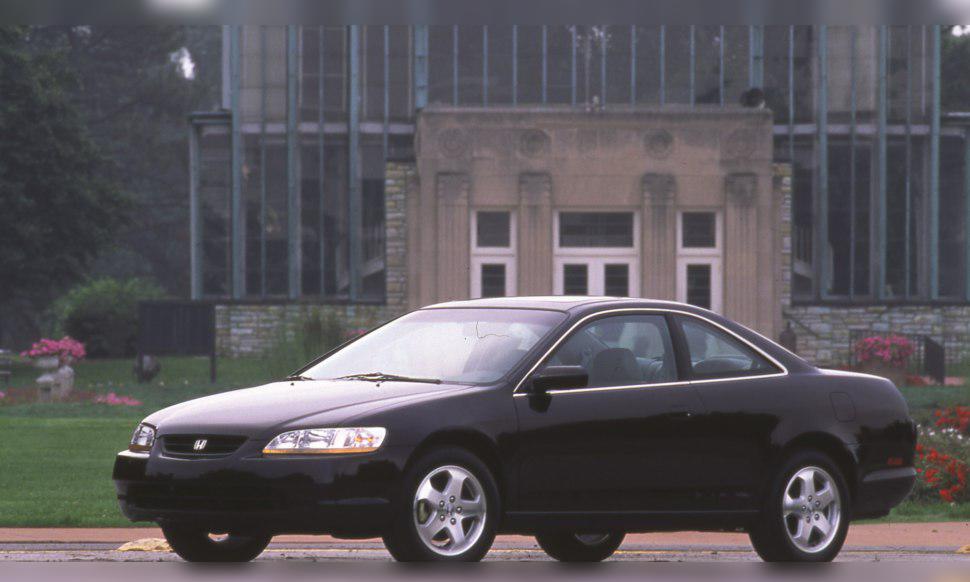
Honda F20 2.0 VTEC (147 hp): Experiences, problems, fuel consumption and buying used
Key points in short (TL;DR)
- Reliability: One of the most reliable petrol engines from the 90s and early 2000s, provided it is regularly maintained.
- VTEC character: The engine has "two faces" – calm and economical at low revs, and very lively above 4,500 rpm.
- Maintenance: Uses a timing belt (not a chain) and requires regular mechanical valve adjustment (no hydraulic lifters).
- Oil consumption: On older examples and with aggressive driving in the VTEC zone, oil consumption is common.
- LPG: Handles LPG very well, but requires more frequent valve clearance checks.
- Gearbox: Manual gearboxes are precise and durable; automatics are an older 4-speed design and increase fuel consumption.
- Recommendation: Ideal for drivers who want an old-school sporty feel without expensive turbo and DPF failures.
Contents
Introduction and applications
The engine we’re talking about today is Honda’s legendary F20 unit, more precisely its SOHC VTEC variant (most commonly designated F20B6 in Europe) which produces 147 horsepower. This engine is the heart of the sixth-generation Honda Accord (1998–2002), a car that in its day was synonymous with engineering precision and driving pleasure in the mid-size sedan class.
Unlike modern engines that rely on turbochargers, the F20 (147 hp) is a classic naturally aspirated engine that makes its power from high revs and variable valve timing and lift (VTEC). This is an engine of the "old school" – built to last, to rev, and to provide a mechanical feeling of connection with the road that has almost disappeared today.
Technical specifications
| Specification | Value |
|---|---|
| Displacement | 1997 cc (2.0 L) |
| Configuration | Inline 4-cylinder, SOHC (single camshaft), 16 valves |
| Power | 108 kW / 147 hp @ 6000 rpm |
| Torque | 184 Nm @ 4800 rpm |
| Engine codes | F20B6, F20B5, F20B7 (depending on market and body style) |
| Injection type | Multi-point indirect injection (PGM-FI) |
| Aspiration | Naturally aspirated with VTEC system |
| Emission standard | Euro 2 / Euro 3 (depending on model year) |
Reliability and maintenance
Belt or chain?
This engine uses a timing belt. This is very important because Honda F20 engines actually have two belts – a main timing belt and a smaller balance shaft belt.
The major service is recommended every 100,000 km or 5 years (whichever comes first). It is extremely important to replace the tensioners and water pump, as well as the small balance shaft belt. If the balance belt snaps, it can slip under the main belt, cause the timing to jump and destroy the engine (piston-to-valve contact).
Most common failures
Although the engine is mechanically "bulletproof", age takes its toll:
- Distributor: A common weak point. Symptoms include hard starting, jerking while driving or stalling. Contacts oxidize or the ignition coil inside the distributor fails.
- VTEC solenoid (gasket): Oil can leak from the VTEC solenoid gasket. It’s a cheap fix, but if ignored, the engine will lose oil.
- EGR valve and passages: Even though it’s a petrol engine, it has an EGR system. The intake manifold passages can clog with carbon, causing rough idle and a "Check Engine" light. Cleaning (intake "decarbonization") usually solves the problem.
- Valve adjustment: This engine does not have hydraulic lifters. Valve clearances must be checked and adjusted mechanically every 40,000 km (or more often if you run LPG). If neglected, the valves can burn.
Oil: capacity and consumption
The sump holds approximately 4.3 liters of oil with the filter. The recommended viscosity is 5W-40 or 10W-40 (for higher-mileage engines).
Does it burn oil? Yes, that is expected for VTEC engines, especially if they are often driven at high revs ("in the red"). Consumption of up to 0.5 liters per 1,000 km was officially considered acceptable by Honda, although a healthy engine should not use more than 1–1.5 liters between services (over 10,000 km). Increased consumption usually points to hardened valve stem seals or worn oil control rings.
Spark plugs
Standard spark plugs should be replaced every 30,000 to 40,000 km. If you use iridium plugs (NGK or Denso are recommended for Honda), the interval can be extended up to 100,000 km. Don’t skimp on spark plugs, as they directly affect coil load and fuel consumption.
Specific parts (costs)
In general, parts for the sixth-generation Honda Accord are not expensive, but some specific OEM parts can be harder to find or pricier compared to European rivals (like the VW Passat).
- Dual-mass flywheel: Good news – this petrol engine (with a manual gearbox) uses a classic solid flywheel. The clutch is relatively cheap and a full clutch kit (pressure plate, disc, release bearing) falls into the "affordable" category (market-dependent, but not expensive).
- Fuel injection system: Uses a classic indirect PGM-FI system. The injectors are extremely robust and rarely cause problems. It is not as sensitive to fuel quality as modern GDI engines.
- Turbo / DPF / AdBlue: This engine has no turbocharger, no DPF filter and does not use AdBlue. That means you avoid the failure risks that can cost thousands of euros on modern diesels. This is a huge advantage for used-car buyers.
- Catalytic converter: It’s there, and due to age it often gets clogged or the internal honeycomb breaks up, which chokes the engine.
Fuel consumption and performance
Fuel consumption
Let’s be realistic – this is a 2.0 old-tech engine in a relatively heavy body. It’s no fuel-economy champion.
- City driving: Expect between 10 and 12 l/100 km. In winter and heavy traffic, this can easily go up to 13 l/100 km. (Automatics use 1–2 liters more.)
- Country roads: Things are better here. At 80–90 km/h, consumption can drop to around 6.5–7.5 l/100 km.
- Motorway (130 km/h): Consumption is around 8–9 l/100 km.
Performance: is it "sluggish"?
The answer is: It depends how you drive.
Below 3,500 rpm, the engine can feel a bit sluggish by modern turbo-diesel standards, which have huge torque. You have to rev it to make it go. However, once it passes about 4,500 rpm and the VTEC system switches cam profiles, the engine changes its sound and character, pulling strongly all the way to the redline (around 6,800 rpm).
At 130 km/h in fifth gear, the engine spins at about 3,500–3,800 rpm (depending on tyre size and final drive). That means there is a noticeable amount of engine noise in the cabin, but it is always ready to overtake without needing to downshift.
Extras and modifications
LPG conversion
This is one of the most common questions. The answer is: YES, this engine is excellent on LPG.
The injection system is simple and sequential LPG systems work perfectly. However, there is one big BUT: Honda engines have somewhat "softer" valve seats. When running on LPG, it is essential to:
- Check valve clearances more frequently (every 20,000 km).
- Consider installing a valve lubrication system ("Flashlube" dripper), although it is not 100% necessary if you drive moderately and adjust the valves regularly.
Remapping (Stage 1)
Forget about it. This is a naturally aspirated petrol engine. With a simple remap you might gain 3 to 5 horsepower, which you won’t feel in real life. The only realistic gains are a slightly sharper throttle response or moving the VTEC engagement point (which requires more serious tuning), but for daily use this is basically a waste of money.
Transmission
Manual gearbox (5-speed)
This gearbox is known for its precision (that "click-click" feel). It is very reliable.
- Most common issues: Third-gear synchros can wear out if the car has been driven aggressively. Check if it grinds when shifting quickly from second to third.
- Maintenance: Gearbox oil should be changed every 60,000–80,000 km. Only use Honda MTF (Manual Transmission Fluid). Universal oils can make the gearbox stiff, especially in winter.
Automatic gearbox (4-speed)
This is a classic 4-speed hydraulic automatic.
- Characteristics: Very smooth and comfortable, but slow. With only 4 gears, engine revs are higher on the motorway and acceleration is weaker than with the manual.
- Reliability: Generally reliable if maintained, but sensitive to overheating.
- Maintenance: ATF must be changed every 40,000–60,000 km. Use ATF-Z1 or the newer DW-1 spec. If the oil smells burnt or is black, the gearbox is probably near the end of its life.
Buying used and conclusion
When buying a Honda Accord with this engine, the engine is often the least of your worries. The bodywork is what usually fails first.
What to check (checklist):
- Rust: Be sure to inspect the rear arches, sills and the underside of the car. Unfortunately, the sixth-gen Accord is prone to rust.
- Blue smoke: Have someone drive behind you while you accelerate hard. Blue smoke means the engine is burning oil (rings or valve stem seals).
- VTEC operation: Warm up the engine, get onto an open road and floor it in second gear. At around 4,500 rpm you should hear and feel a change in sound and a "kick" forward. If acceleration is linear and boring, VTEC is not working (often the solenoid or low oil level).
- Idle: If idle speed hunts up and down, the throttle body is likely dirty or the EGR passages are clogged.
Conclusion
The Honda Accord 2.0 (147 hp) with the F20 engine is an excellent choice for enthusiasts who love mechanical engineering. It is not the most economical city car, but it offers a rare combination of comfort, reliability and high-revving sporty character. Routine maintenance costs are low because there are no expensive modern systems (turbo, dual-mass flywheel), but you must be prepared to check oil level regularly and to fight rust on the bodywork.
If you find an example that isn’t "rotten" and whose owner has regularly adjusted the valves – go for it. Engines like this are no longer being made.
Was this content useful to you?
Your opinion helps us to improve the quality of the content.