L15B7 Engine
- Engine
- 1498 cm3
- Aspiration
- Turbocharger, Intercooler
- Fuel
- Petrol (Gasoline)
- Fuel injection system
- Direct injection
- Power
- 174 hp @ 6000 rpm
- Torque
- 220 Nm
- Cylinders
- 4
- Valves
- 16, 4 per cylinder
- Cylinders position
- Inline
- Max engine speed
- 6600 rpm
- Valvetrain
- DOHC
- Oil capacity
- 3.5 l
- Coolant
- 4.92 l
# Vehicles powered by this engine
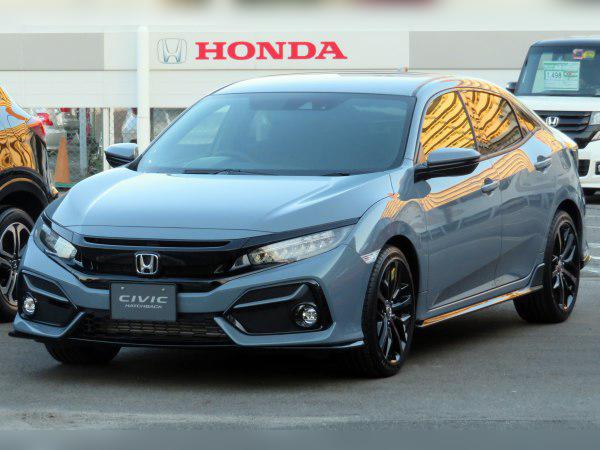
Honda 1.5 VTEC Turbo (L15B7) – Experiences, problems, fuel consumption and the "Oil Dilution" phenomenon
Key points (TL;DR)
- Performance: The engine is extremely lively and flexible, far better than the old naturally aspirated 1.8 engines.
- Main issue (Oil Dilution): A well-known problem of fuel mixing with oil, especially in cold climates and with short trips.
- Transmission: The CVT requires regular fluid changes every 40,000 km (or 2 years). If this is followed, it is very reliable.
- Direct injection: Prone to carbon buildup (soot) on intake valves.
- Fuel consumption: Extremely economical for the power it offers, especially on the open road.
- Maintenance: Requires high-quality synthetic oil and stricter service intervals than the factory recommendation.
- Recommendation: An excellent engine for those who drive mixed routes or mostly on highways; less ideal for exclusively short city drives in winter.
Contents
- Technical Specifications
- Reliability and Maintenance
- Specific Components and Injection System
- Fuel Consumption and Performance
- Additional Options and Modifications (LPG and Tuning)
- Transmission (CVT and Manual)
- Buying Used and Conclusion
With the L15B7 engine, Honda made a radical turn, abandoning its philosophy of high-revving naturally aspirated engines in favor of turbo technology (downsizing). This engine is at the heart of the tenth-generation Civic (Civic X), including the 2020 facelift model. Although it offers fantastic performance and low fuel consumption, it has also brought certain controversies that every owner needs to know about before buying. It is no longer that simple Honda “fill up and drive”, but a machine that demands a bit more technical literacy from its owner.
Technical Specifications
| Parameter | Value |
|---|---|
| Engine code | L15B7 |
| Displacement | 1498 cc (1.5 liters) |
| Power | 128 kW (174 hp) / There is also a 134 kW (182 hp) version for the EU market |
| Torque | 220 Nm (CVT) / 240 Nm (manual transmission) |
| Injection type | Direct injection |
| Induction | Turbocharger (single scroll) with intercooler |
| Camshaft drive | Chain (timing chain) |
Reliability and Maintenance
Timing system (Belt or Chain?)
The L15B7 engine uses a chain to drive the camshafts. Honda timing chains are generally very reliable and are designed to last as long as the engine itself, provided the oil is changed regularly. There is no scheduled replacement interval; it is replaced only if rattling is heard or if it stretches (rarely before 200,000 km with good maintenance).
Most common issues and "Oil Dilution"
The biggest and most well-known problem of this engine is oil dilution with fuel.
Symptoms: The oil level on the dipstick rises above the maximum mark, and the oil smells like gasoline.
Cause: With direct injection, fuel is sprayed at high pressure directly into the cylinder. While the engine is cold, part of the fuel condenses on the cylinder walls and runs past the piston rings into the oil pan, mixing with the oil. Since this engine is very thermally efficient, it warms up slowly, so the fuel does not have time to evaporate from the oil if you drive short distances.
Solution: Honda released a software update (ECU update) that helps the engine warm up faster. Still, the key is more frequent oil changes (every 7,000–10,000 km) and avoiding short winter trips where the engine does not reach operating temperature.
Service intervals and Oil
A classic “major service” (timing belt replacement) does not exist because the engine has a chain. However, at around 100,000–120,000 km the valve clearances should be checked (mechanical adjustment, not hydraulic) and the auxiliary (serpentine) belt should be replaced.
Oil quantity and type: The engine takes approximately 3.5 to 3.7 liters of oil (with filter).
The recommended grade is exclusively 0W-20. This thin oil is crucial for the operation of the turbocharger and the VTC system. Do not experiment with thicker oils (such as 5W-40) unless you are in an extremely hot climate and know exactly what you are doing, as this can affect oil flow through the turbo.
Oil consumption
This engine does not consume oil in the classic sense (with the level dropping). On the contrary, due to the above-mentioned problem, it is more common for the level to rise. If the oil level is dropping, this indicates a problem with the turbo or piston rings, which is not typical for a healthy low-mileage L15B7 engine.
Spark plugs
Since this is a turbocharged gasoline engine with direct injection, the spark plugs are under heavy stress. Only iridium spark plugs are used (e.g. NGK or Denso).
The factory interval is often 100,000 km, but based on experience it is recommended to replace them at 60,000 to 80,000 km in order to protect the ignition coils and ensure optimal combustion.
Specific Components (Costs)
Dual-mass flywheel
The version with the CVT transmission (which is the subject of this text) DOES NOT have a dual-mass flywheel. It uses a torque converter and a flexplate instead. This is a big advantage because it eliminates an expensive flywheel replacement.
Note: Versions with a manual transmission do have a dual-mass flywheel, which is quite expensive (depends on the market).
Injection system and Turbo
The system is direct injection (GDI). The injectors are generally reliable, but sensitive to poor fuel quality. They can clog or start leaking, which contributes to the oil dilution problem.
Turbocharger: The engine uses a “low-inertia” turbocharger (usually from the Mitsubishi TD03 family) with an electronic wastegate. It is very reliable and rarely fails before 200,000 km, provided 0W-20 oil is used and the engine is not shut off immediately after hard driving. Turbocharger repair or replacement falls into the category: Very expensive.
Emissions (GPF, EGR)
Models for the European market (especially the 2020 facelift) are equipped with a GPF filter (Gasoline Particulate Filter) – the gasoline equivalent of a DPF. Unlike diesels, the GPF regenerates much more easily and passively (due to the higher exhaust gas temperatures of gasoline engines) and rarely clogs to the point of requiring a service intervention.
The engine does not have an AdBlue system (that is reserved for diesels). There is an EGR valve which can get dirty with soot, but it is not a critical point as it is on diesels.
Fuel Consumption and Performance
This is where the L15B7 shines. The power-to-consumption ratio is one of the best in its class.
- City driving: Real-world consumption ranges from 7.5 to 9.0 l/100 km. The CVT helps in the city because it keeps revs low, but the turbo “likes to drink” if you have a heavy right foot.
- Open road / Highway: Here the engine is impressive. At 130 km/h it uses about 5.5 to 6.5 l/100 km.
- Cruising: Thanks to the CVT, at 130 km/h the engine spins at a low 2,200–2,400 rpm, which contributes to quietness and efficiency.
Is the engine sluggish? Absolutely not. With 174 hp (or 182 hp) and 220 Nm available from just 1,700 rpm, the Civic with this engine really moves. The body is not too heavy and turbo lag is minimal. In-gear acceleration is excellent, and overtaking is safe and quick.
Additional Options and Modifications
LPG conversion
Not recommended. Although it is physically possible to install LPG, due to the direct injection system this requires a specific and expensive kit (which either uses liquid-phase LPG or constantly injects 10–20% gasoline to cool the injectors). Cost-effectiveness is questionable, and the risk of overheating the gasoline injectors and cylinder head is increased. Given the low gasoline consumption, LPG rarely pays off.
Chiptuning (Stage 1)
The engine has huge tuning potential. Stage 1 maps safely raise power to 200–210 hp.
Warning for CVT: The CVT transmission is the bottleneck. While the manual gearbox can handle more torque, the CVT is more sensitive. If you tune a CVT model, limit the torque so you do not cause the belt in the transmission to slip. Overdoing the power on a CVT quickly leads to expensive failures.
Transmission
Transmission type: CVT (Continuously Variable Transmission)
With this engine in 2020 you most commonly get Honda’s LL-CVT (G-Design Shift).
This is not the old CVT that whines like a scooter. Honda has programmed “virtual gears” under heavier throttle, so it behaves similarly to a conventional automatic (revs rise and fall), which gives a more natural driving feel.
Transmission failures and maintenance
Most common failures: CVT transmissions are sensitive to overheating and old fluid. Symptoms of problems are shuddering when taking off, whining noises or slipping (revs rise, the car does not accelerate).
Service: This is the most important point. The fluid in the CVT must be changed every 40,000 km (or 2 years), even though some mechanics say it is “fill for life”. Use only genuine Honda HCF-2 fluid. Never pour regular ATF! The change is inexpensive compared to the cost of rebuilding the transmission.
As mentioned, the CVT has no dual-mass flywheel and no conventional clutch that is replaced as a wear item.
Buying Used and Conclusion
Before buying a Honda Civic with the 1.5 Turbo engine, make sure to do the following:
- Check the oil: Pull out the dipstick. Smell the oil. If it strongly smells of raw gasoline and the level is well above the maximum, be cautious – the engine has been driven cold and fuel is in the oil pan.
- Cold start: Listen to the startup. Rattling in the first few seconds may indicate a problem with the VTC actuator (a common issue, annoying sound but not always fatal) or with the chain.
- CVT test: The transmission should start moving immediately when you release the brake, without shuddering. Under acceleration there should be no “steps” in power delivery except for the simulated gear changes.
- Air conditioning: The Civic X has a known factory defect with the A/C condenser, which is porous. Check if the A/C works, because the repair is expensive (although Honda often acknowledges extended warranty for this part).
Conclusion
The L15B7 engine is a technological gem that offers hot-hatch performance with the fuel consumption of a small city car. However, it requires a meticulous owner. If you plan to drive only 2–3 km to work and back, and you live in a cold area, this engine (due to fuel mixing with oil) may not be the best choice for you – or you will have to change the oil twice a year. For everyone else, especially those who drive on open roads, this is one of the most fun and most efficient engines in its class.
Was this content useful to you?
Your opinion helps us to improve the quality of the content.