R20A Engine
- Engine
- 1997 cm3
- Aspiration
- Naturally aspirated engine
- Fuel
- Petrol (Gasoline)
- Fuel injection system
- Multi-port manifold injection
- Power
- 150 hp @ 6500 rpm
- Torque
- 189 Nm @ 4300 rpm
- Cylinders
- 4
- Valves
- 16, 4 per cylinder
- Cylinders position
- Inline
- Valvetrain
- SOHC, i-VTEC
- Oil capacity
- 3.7 l
- Coolant
- 6 l
# Vehicles powered by this engine
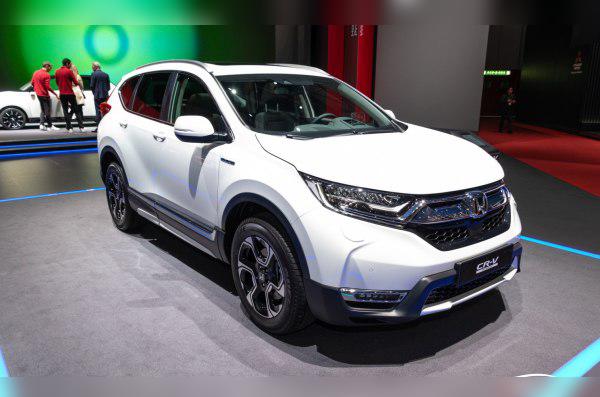
Honda R20A (2.0 i-VTEC) – Experiences, issues, fuel consumption and used car buying tips
Key points (TL;DR)
- Reliability: One of the most reliable modern petrol engines. A classic naturally aspirated unit that easily covers very high mileage.
- Timing: Uses a timing chain, which is very durable and rarely needs replacement before 200,000 km.
- Performance: In a heavy body like the CR-V, this engine feels quite sluggish at low revs due to modest torque.
- LPG: Works very well on LPG because it has indirect injection, but requires regular valve clearance adjustment.
- Gearbox: The CVT gearbox requires strict maintenance (oil changes) and a specific driving style – it’s not made for racing.
- Maintenance: Cheaper compared to modern turbo engines (no turbo, no DPF, no direct injection).
Contents
- Introduction and applications
- Technical specifications
- Reliability and maintenance
- Specific parts and systems
- Fuel consumption and performance
- Additional options and modifications
- Gearbox and drivetrain
- Buying used and conclusion
Introduction and applications
The Honda R20A engine is part of the R-series of powertrains that the Japanese manufacturer launched in the mid-2000s as a replacement for the legendary but more expensive K-series. While the K-series was focused on performance, the R-series, and especially the 2.0 i-VTEC (R20A), was designed with an emphasis on fuel economy, low emissions and, above all, ease of maintenance.
This engine is particularly important in the fifth-generation Honda CR-V (although it was also fitted to the fourth generation). At a time when everyone was switching to small turbo engines (downsizing), Honda kept this 2.0 naturally aspirated engine as the “entry-level” and most reliable option in certain markets. For drivers who are wary of turbochargers and complex electronics, the R20A is often the only logical choice.
Technical specifications
| Specification | Data |
|---|---|
| Engine displacement | 1997 cc (2.0 L) |
| Power | 110 kW (150 hp) at 6500 rpm |
| Torque | 189 - 192 Nm at 4300 rpm |
| Engine codes | R20A, R20A1, R20A2, R20A9 (depending on market) |
| Injection type | Multipoint (MPI) – indirect |
| Design | SOHC (single camshaft), i-VTEC, 16 valves |
| Induction | Naturally aspirated |
Reliability and maintenance
Timing belt or chain?
The R20A engine uses a timing chain. Honda’s chains on this engine have proven to be extremely durable. Unlike some European competitors where the chain fails at low mileage, here the chain often lasts as long as the engine itself – over 250,000 km, provided the oil is changed regularly. Rattling from the chain on a cold start is the first sign that the hydraulic tensioner has weakened or that the chain has stretched.
Most common issues
Although very reliable, there are a few things to watch out for:
- Auxiliary belt tensioner: The hydraulic tensioner of the auxiliary (serpentine) belt often develops play and starts rattling or making unpleasant noises.
- Oil leak at the VTEC valve: The gasket behind the VTEC solenoid at the back of the engine can harden and start leaking oil. It’s a cheap repair, but it can make a mess of the engine.
- Idle vibrations: The R-series runs at very low idle speeds to save fuel. If the engine mounts (especially the hydraulic ones) are even slightly worn, you will feel vibrations in the cabin.
- Oil level sensor: It can sometimes give false readings on the dashboard.
Major and minor service
A classic “major service” (timing belt replacement) does not exist here because of the chain. However, at around 100,000 – 120,000 km it is recommended to thoroughly check the condition of the chain, and replace the auxiliary (serpentine) belt, water pump and coolant.
A minor service is done every 10,000 km to a maximum of 15,000 km. Extended intervals of 20–30,000 km are not recommended if you want to preserve the chain and camshaft.
Oil: capacity and consumption
The sump holds approximately 3.7 to 4.0 litres of oil (with filter). The recommended grade is 0W-20 (factory recommendation for economy and new engines) or 5W-30 (often a better choice for higher-mileage engines in warmer climates).
Does it burn oil? The R20A is generally not known as an “oil burner”. However, VTEC engines do tend to use a bit of oil if driven aggressively at high revs. Consumption up to 0.5 litres per 10,000 km is completely acceptable. If it uses a litre per 1000 km, you have a problem with piston rings or valve stem seals (rare, except on neglected examples).
Spark plugs and valves
The spark plugs are iridium and are replaced every 100,000 to 120,000 km. Don’t skimp on them – use NGK or Denso according to factory specification.
IMPORTANT: This engine does not have hydraulic lifters. Valve clearance must be adjusted mechanically every 40,000 to 100,000 km (more often if you run LPG). Symptoms of incorrect valve clearance are tapping when the engine is cold or, even worse, complete silence (over-tightened valves), which can lead to burnt valves.
Specific parts (costs)
Fuel injection system and injectors
The R20A uses classic MPI (Multi-Point Injection). This is very good news. The injectors are robust, do not clog easily and are cheap to clean or replace. There are no issues with carbon build-up on the intake valves as with direct injection.
Turbo, DPF, EGR, AdBlue
- Turbo: None. This is a naturally aspirated engine. One less thing to worry about.
- DPF: None (this is a petrol engine).
- GPF (gasoline particulate filter): Early versions don’t have it; later models for stricter EU markets may have it, but the R20A is mostly free of this because it meets standards through efficient combustion. Check by VIN.
- EGR valve: It has one. It can get clogged with soot; symptoms are rough running and weaker throttle response. Cleaning is relatively simple.
- AdBlue: None.
Dual-mass flywheel
On models with a CVT automatic gearbox (the most common in the fifth-generation CR-V), there is no dual-mass flywheel in the traditional sense – a torque converter is used instead. On manual versions, Honda usually uses a conventional solid flywheel or a very simple dual-mass flywheel that is much cheaper and more durable than those on diesels. Flywheel failures on petrol versions are extremely rare.
Fuel consumption and performance
Real-world fuel consumption
Let’s be honest – the CR-V is a heavy car (over 1500 kg), and this is a 2.0-litre naturally aspirated petrol engine.
- City driving: Expect between 10 and 13 l/100 km, depending on traffic and how heavy your right foot is. More in winter.
- Country roads: This is where it’s most economical – it can go down to 6.5–7.5 l/100 km.
- Motorway: At 130 km/h, consumption is around 8.5–9.5 l/100 km.
Is the engine “lazy”?
By today’s standards – yes. The 189 Nm of torque only arrives at 4300 rpm. This means that, unlike a diesel or turbo petrol that pulls as soon as you touch the throttle, you have to rev this engine high for the CR-V to pick up briskly. For overtaking you need to floor the pedal. For relaxed family driving it is perfectly adequate, but don’t expect sporty performance.
On the motorway at 130 km/h, thanks to the CVT, the engine usually runs at relatively low revs while cruising, but at every acceleration or uphill section the gearbox will raise the revs (and the noise) to extract power.
Additional options and modifications
LPG conversion
This is an ideal engine for LPG. Due to indirect injection, installation is cheap and simple (standard sequential system). The engine handles LPG very well.
WARNING: Honda engines on LPG require more frequent valve clearance checks! Instead of every 40–100k, check the valves every 20,000–30,000 km to prevent valve seat recession. Installing a valve lubrication system (“valve saver”) is recommended.
Chip tuning (Stage 1)
Don’t waste your money. On a naturally aspirated petrol engine, a remap brings a negligible power increase (maybe 5–8 hp), which you won’t really feel in everyday driving. The only noticeable change may be a slightly sharper throttle response, but the engine won’t actually become faster.
Gearbox
Gearbox variants
With this engine in the CR-V (5th generation) you most commonly get a CVT gearbox (Continuously Variable Transmission). In some markets there is also a 6-speed manual, but it is rare in this combination on newer models.
CVT issues and maintenance
Honda’s CVT is better than most competitors (e.g. Jatco), but it has its own rules:
- Failure symptoms: Slipping, jerking when setting off, noise (whining) or overheating at high speeds.
- Rubber band effect: Under hard acceleration, the revs jump up and stay high while the car accelerates slowly. This is normal for a CVT, but many drivers find it annoying.
- Maintenance: The oil in the CVT (Honda original HCF-2 fluid) must be changed every 40,000 km or every 2 years at most. This is crucial! If you don’t change the oil, the CVT will fail.
- AWD system: If you have the 4x4 version, don’t forget to change the oil in the rear differential (DPS-F fluid) if you hear grinding or “groaning” when turning the steering wheel to full lock.
The cost of clutch replacement on the manual gearbox is standard and not excessively high (depends on market), while CVT overhaul is very expensive, so the condition of the gearbox is critical when buying.
Buying used and conclusion
What to check before buying?
- Cold start: Listen for chain rattling in the first 3–5 seconds after start-up.
- Idle: Turn off the A/C and radio. The engine should run smoothly. Strong vibrations indicate worn engine mounts.
- Test drive (CVT): The gearbox should accelerate smoothly, without jerks (apart from a slight “jolt” when shifting from P to D, which is sometimes normal on Hondas).
- Service history: Check whether the oil in the gearbox and differential has been changed.
Final verdict
The Honda CR-V with the R20A engine is a car for the head, not for the heart. It is aimed at drivers who want a vehicle that won’t break down, who cover moderate mileage and for whom performance is not the top priority.
If you don’t mind having to floor the throttle on uphill sections and the fact that the engine is no “athlete”, you’ll get one of the highest-quality SUVs on the market, with an engine that, with basic maintenance, can outlive the rest of the car. An ideal purchase for those who plan to keep the car for 5–10 years without headaches.
Was this content useful to you?
Your opinion helps us to improve the quality of the content.