C32A Engine
- Engine
- 3206 cm3
- Aspiration
- Naturally aspirated engine
- Fuel
- Petrol (Gasoline)
- Fuel injection system
- Multi-port manifold injection
- Power
- 210 hp @ 5300 rpm
- Torque
- 294 Nm @ 4500 rpm
- Cylinders
- 6
- Valves
- 24, 4 per cylinder
- Cylinders position
- V-engine
- Valvetrain
- SOHC
- Oil capacity
- 5.3 l
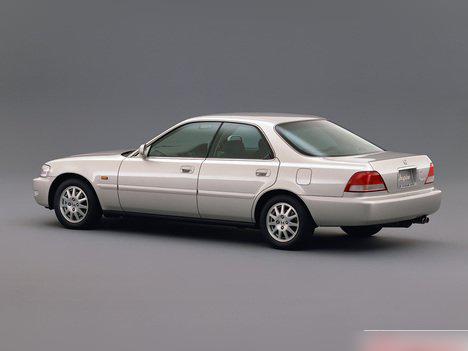
# Vehicles powered by this engine
Key points in short (TL;DR)
- Engine and character: The C32A is an "old-school" engine – large displacement (3.2L), linear power delivery and very refined operation. It’s not a sports car engine, but a cruiser.
- Timing belt: The engine uses a timing belt that also drives the water pump. Replacement is expensive and complicated due to the longitudinal position of the engine.
- Fuel consumption: Be prepared for high numbers. In the city this V6 easily "drinks" more than 15 liters of petrol.
- Weak spots: Cooling system (overheating quickly leads to a blown head gasket), oil leaks on seals and the main fuel pump relay.
- Gearbox: The automatic transmission requires regular oil changes; neglect leads to slipping and costly failures.
- Recommendation: An excellent choice for fans of '90s JDM luxury, but only if you have the budget for fuel and preventive maintenance.
Contents
Honda C32A 3.2 V6: The last samurai of ‘90s luxury
The Honda C32A is an engine that sparks nostalgia in every true connoisseur of the Japanese car industry. This is not an engine designed for racing from traffic light to traffic light in a small Civic; this is a power unit engineered for the Honda Inspire (and its sister model Acura Legend), with the goal of providing maximum comfort, quietness and instant throttle response without the need for high revs.
A specific feature of this engine is the way it’s installed. Although it drives the front wheels, it is mounted longitudinally, which is rare for FWD (Front Wheel Drive) vehicles. This was done for better weight distribution and reduced vibrations, but it significantly complicates access to certain components during servicing. Today, the C32A represents a ticket into the world of youngtimer classics, but it requires an owner who understands that old V6 engines demand attention and respect.
Technical Specifications
| Specification | Value |
|---|---|
| Displacement | 3206 cc (3.2 L) |
| Configuration | V6, SOHC, 24 valves |
| Power | 155 kW (210 hp) @ 5300 rpm |
| Torque | 294 Nm @ 4500 rpm |
| Engine code | C32A |
| Injection type | PGM-FI (Multi-Point Injection) |
| Aspiration | Naturally aspirated |
| Camshaft drive | Timing belt |
Reliability and Maintenance: Rock solid, temperature sensitive
Timing system: Belt or chain?
The C32A engine uses a timing belt. This is a critical maintenance item. Since this is an interference engine, a snapped belt almost certainly leads to piston-to-valve contact, which means total engine failure.
The major service is recommended every 100,000 km or every 5 to 7 years of belt age (whichever comes first). Due to the specific longitudinal position of the engine and limited space, labor costs can be higher than on average vehicles. Always replace the tensioners, idler pulleys and water pump at the same time, because the pump is driven by the same belt.
Oil consumption and service intervals
The oil pan of this engine holds about 4.5 to 5 liters of oil (always check on the dipstick). The recommended viscosity is 5W-30 or 10W-40, depending on climate and mileage.
As for oil consumption, these older engines are known to use some oil. Consumption of up to 0.5 liters per 1,000 km is often tolerated on higher-mileage examples, but the cause is usually hardened valve stem seals or leaks on the crankshaft and camshaft seals, and less often worn piston rings (unless the engine has been overheated).
Spark plugs should be replaced every 40,000 km if you use standard copper plugs, or up to 100,000 km if you opt for iridium ones (recommended for this engine due to the more difficult access).
Most common failures
Besides oil leaks, the biggest enemy of the C32A engine is overheating.
- Cooling system: Radiators are prone to cracking at the plastic sections due to age. If the engine overheats, the aluminum head easily warps and the head gasket fails. Symptoms include "mayonnaise" under the oil cap, hard radiator hoses or white smoke.
- Main relay: A classic issue on ‘90s Hondas. The car cranks but won’t start when the cabin is hot, yet starts normally once it cools down. The problem is cold solder joints in the fuel pump relay.
- EGR system: The passage in the intake manifold clogs with soot, which triggers the Check Engine light and can cause rough running.
Specific Parts (Costs)
Since this engine was installed in higher-class cars, parts prices can be above average (depending on the market), and availability of specific components can be problematic.
- Dual-mass flywheel: In the Inspire, the C32A comes exclusively with an automatic transmission, so it does not have a dual-mass flywheel. Instead, it uses a torque converter, which is generally more reliable, but it can also fail if the transmission is not maintained.
- Injectors: The fuel system is a classic MPFI setup. The injectors are extremely durable and rarely cause issues. If the engine runs unevenly, ultrasonic cleaning usually solves the problem. They are not expensive to refurbish.
- Turbo / DPF / AdBlue: This engine does not have a turbocharger, has no DPF filter and does not use AdBlue. It’s an old-school petrol engine, which means fewer expensive components that can fail, but it does not meet modern emission standards (often Euro 2 or Euro 3).
- EGR valve: It does have an EGR valve. As mentioned, it does not often fail mechanically, but the passages through which it recirculates gases get clogged, which requires physical cleaning of the intake manifold (removing the "top hat").
Fuel Consumption and Performance: Power that comes at a price
City driving and “laziness”
To be honest – this is not an economical engine. City fuel consumption realistically ranges between 13 and 16 liters per 100 km. If you have a "heavy right foot" or drive short distances in winter, the figure can go up to 18 liters.
Is the engine lazy? Absolutely not. With 294 Nm of torque available relatively low for a petrol engine, the C32A moves the Honda Inspire’s body with ease. The feeling is not a sporty "kick in the back", but strong, continuous acceleration like a locomotive.
Open road
This is the engine’s natural habitat. On the highway it is extremely quiet and refined. At 130 km/h, the engine spins at low revs (thanks to the long gear ratios of the automatic), and fuel consumption drops to a more acceptable 9 to 11 liters. Overtaking is safe and quick, without the need for frantic downshifts.
Additional Options and Modifications
LPG conversion
Yes, the C32A is very suitable for LPG conversion. Given the high fuel consumption, LPG is the only way to run this car economically. Note: The engine does not have hydraulic lifters; valve clearance is adjusted mechanically (screw and locknut). Running on LPG requires more frequent valve clearance checks (every 20,000–30,000 km) to prevent the valves from "sinking" into the valve seats. Do not skimp on a quality sequential LPG system and a vaporizer capable of supporting 210 hp.
Chiptuning (Stage 1)
This is a large-displacement naturally aspirated engine. Chiptuning (remap) does not bring significant gains. You can expect maybe 5–8 hp, which you won’t really feel in everyday driving. It’s better to invest the money in proper maintenance, fresh spark plugs and clean filters – that will "free up" more power than any software tweak.
Transmission: Achilles’ heel or reliable companion?
In the second-generation Inspire, the C32A comes with a classic 4-speed automatic transmission. There are no factory manual gearboxes paired with this engine in this body style (unlike some Legend variants).
Maintenance and issues
Honda automatic transmissions from this period are known to be sensitive if neglected, but they are not as problematic as the 5-speed units from later V6 models (2000+).
- Service interval: Transmission fluid should be changed every 40,000 to 60,000 km. It is strongly recommended to use only genuine Honda fluid (ATF-DW1 or the older ATF-Z1), because these transmissions are specific in design (they resemble automated manuals more than classic planetary automatics).
- Most common issues: Jerks when shifting (especially from 1st to 2nd), clutch slip under hard acceleration, or clogged solenoids due to dirty fluid. If the transmission "bangs" when engaging D or R, the problem is often worn engine/transmission mounts rather than the gearbox itself.
- Cost: Overhauling these transmissions is very expensive (often exceeding the value of the car), so preventive fluid changes are crucial.
Buying Used and Conclusion
Before buying, make sure to check:
- Cold start: Do you hear valve ticking? (Valve adjustment needed.) Is there blue smoke from the exhaust? (Oil consumption.)
- Transmission: It must shift smoothly, without bangs, and respond immediately when engaging D or R. Test the kickdown (sudden full throttle) – there must be no slipping.
- Leaks: Inspect the engine from underneath. Due to age, the oil pan and valve cover gaskets are often bad. Leaks at the junction between engine and gearbox may indicate a crankshaft rear main seal issue (expensive in labor).
- ABS sensor / VSS: If the speedometer doesn’t work or the ABS light is on, it’s often a problem with the vehicle speed sensor.
Conclusion: The Honda Inspire with the C32A engine is a car for the soul, not for saving money. This engine is intended for drivers who appreciate ‘90s engineering precision, the smooth operation of a V6 and comfort. It is not for beginners on a tight budget due to high fuel consumption and potentially expensive parts. If you find a well-maintained example, you’ll get one of the most pleasant engines Honda has ever built.
Was this content useful to you?
Your opinion helps us to improve the quality of the content.