G25A Engine
- Engine
- 2451 cm3
- Aspiration
- Naturally aspirated engine
- Fuel
- Petrol (Gasoline)
- Fuel injection system
- Multi-port manifold injection
- Power
- 190 hp @ 6500 rpm
- Torque
- 237 Nm @ 3800 rpm
- Cylinders
- 5
- Valves
- 20, 4 per cylinder
- Cylinders position
- Inline
- Valvetrain
- SOHC
- Oil capacity
- 5.2 l
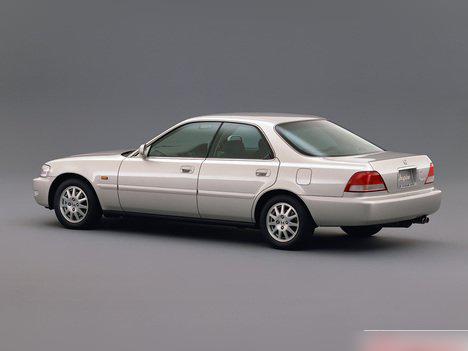
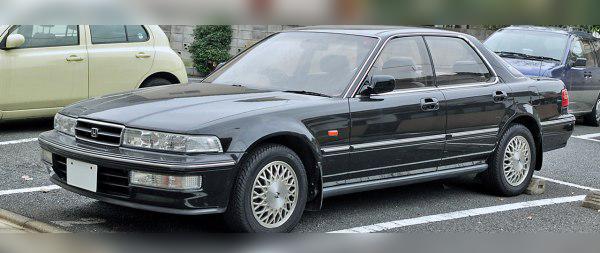
# Vehicles powered by this engine
Key points in short (TL;DR)
- Unique design: The G25A is an inline five-cylinder (R5) mounted longitudinally, which gives it a distinctive sound and extremely smooth operation.
- Reliability: Like most Honda engines from the 90s, the mechanicals are “indestructible” with regular maintenance, but age takes its toll (gaskets, hoses).
- Transmission: Automatic transmissions are sensitive to oil quality. Jerking when changing gears is a warning sign.
- Fuel consumption: This is not an economical engine. In city driving you should expect double-digit fuel consumption.
- Maintenance: Parts for regular servicing are available, but specific engine components (sensors, injection parts) can be harder to find and more expensive due to the rarity of this engine.
- Recommendation: An excellent choice for fans of Japanese engineering who want a comfortable cruiser (JDM classic), not a race car.
Contents
Honda G25A 2.5 i – Experiences, issues, fuel consumption and buying used
The Honda G25A is one of those engines that showcases the golden era of Japanese engineering in the 1990s. It is a rather exotic configuration – an inline five-cylinder (R5) petrol engine. What makes it special is the installation layout: although it drives the front wheels, the engine is mounted longitudinally, not transversely like in most Hondas (Accord, Civic). The goal of this design was to achieve a 50:50 weight balance and reduce vibrations, resulting in exceptional refinement.
This powerplant is the heart of the Honda Inspire and Vigor (depending on the market), cars aimed at the “premium” segment, just below the Legend icon. With 190 hp from 2.5 litres of displacement without a turbo, the G25A offers linear power delivery and that recognizable “Honda sound” at high revs.
Technical Specifications
| Specification | Data |
|---|---|
| Engine code | G25A |
| Displacement | 2451 cc |
| Configuration | R5 (Inline, 5 cylinders), 20 valves |
| Power | 140 kW (190 hp) at 6500 rpm |
| Torque | 237 Nm at 3800 rpm |
| Fuel injection system | PGM-FI (Multi-point injection) |
| Induction type | Naturally aspirated |
| Valve timing | SOHC (Single overhead camshaft) |
Reliability and Maintenance
Timing belt or chain?
The G25A engine uses a timing belt for valve timing. This is a key maintenance item. The replacement interval is usually specified at 100,000 km or 5 years, whichever comes first. During the major service, the tensioner must also be replaced, as well as the water pump. Since this is an interference engine (a snapped belt will cause the pistons and valves to collide), postponing this service is gambling with the entire engine.
Most common failures
Although the mechanicals (pistons, crankshaft) are extremely durable, age brings peripheral issues:
- Distributor: The Achilles’ heel of Hondas from this period. Symptoms include hard starting, stalling while driving, or oil leaking at the distributor seal. The internal bearing or the ignition module often fails.
- Oil leaks: Most commonly at the valve cover gasket, the camshaft seal, and the well-known VTEC solenoid (if it’s a VTEC version, although the G25A often comes in a “regular” variant focused on torque). Also check the crankshaft seal.
- Crankshaft position sensor: Can cause starting problems.
- Valves: Since this is a Honda, valve clearance is adjusted mechanically. If you hear “ticking” when the engine is cold or warm, it’s time to adjust the valves (recommended every 40,000 km).
Service intervals and oil
A minor service is recommended every 10,000 km or once a year. The engine takes about 4.5 to 5 litres of oil (depending on filter and sump size, always check with the dipstick). For European climates, the recommended grades are 5W-30 or 10W-40 (semi-synthetic), given the age of the engine.
Oil consumption: These engines, if in good condition, should not consume significant amounts of oil. However, due to age and hardened valve stem seals, consumption of 0.5 to 1 litre per 10,000 km can be considered acceptable. If it smokes blue on startup or engine braking, the valve stem seals need replacing.
Spark plugs
Spark plug replacement depends on the type. Standard copper plugs (NGK or Denso) last about 20,000 – 30,000 km. If you install iridium plugs, the interval extends to 80,000 – 100,000 km. Never skimp on plug quality, as bad plugs can overload the coil and leads.
Specific Parts (Costs)
Dual-mass flywheel and clutch
Since Honda Inspire models with the G25A engine almost exclusively came with an automatic transmission, they do not have a dual-mass flywheel. They use a torque converter (hydraulic converter), which is a very reliable component and rarely fails.
Fuel injection system
It uses the classic PGM-FI (Programmed Fuel Injection) system. The injectors are extremely durable and rarely cause problems. It is not direct injection, so there are no issues with carbon buildup on intake valves like on modern engines. Ultrasonic injector cleaning at high mileage can restore smooth running and reduce fuel consumption.
Turbo, DPF, EGR, AdBlue
- Turbo: The engine does not have a turbocharger. This is a pure naturally aspirated unit, which means fewer parts that can fail.
- DPF and AdBlue: Given the age and fuel type (petrol), this engine does not have a DPF filter or AdBlue system.
- EGR valve: There is an exhaust gas recirculation (EGR) system. At high mileage, the EGR passages in the intake manifold can clog with soot, resulting in an unstable idle and a “Check Engine” light. Cleaning is relatively cheap and straightforward.
Fuel Consumption and Performance
Real-world fuel consumption
Let’s be honest – 5 cylinders, 2.5 litres of displacement and a 90s automatic transmission are not a recipe for low consumption.
City driving: Expect between 12 and 15 l/100 km, depending on traffic and how heavy your right foot is. In winter it can go even higher.
Highway / open road: Things improve here, and consumption can drop to 8 – 9 l/100 km with moderate driving.
Is the engine “lazy”?
With 190 hp and 237 Nm, this engine is anything but lazy, even in a sedan body like the Inspire. However, like every Honda, it delivers power linearly and loves revs. Maximum torque is available at 3800 rpm, which is relatively low for a petrol engine, so the car is very driveable in the city. The automatic transmission can somewhat “dull” the sensation of acceleration compared to a manual, but overall, performance is more than adequate for overtaking.
Highway driving
This is the natural habitat of this model. At 130 km/h the engine runs relaxed and, thanks to the 5 cylinders, noise and vibrations are minimal. Revs at that speed depend on the gear ratio (4th gear is “overdrive”), but they are usually around 3000 – 3200 rpm, which is a comfort zone for this engine.
Additional Options and Modifications
LPG conversion
The G25A is an excellent candidate for LPG conversion. The MPI injection system “likes” LPG. However, there is one crucial rule: since the engine does not have hydraulic lifters and valve clearance is adjusted mechanically, when running on LPG you must check valve clearances more often (e.g. every 20,000 – 30,000 km). If this is neglected, the valves can recess and burn, leading to an expensive cylinder head repair. A quality sequential LPG system is recommended.
ECU remap (Stage 1)
On naturally aspirated engines, ECU remapping (“chipping”) doesn’t make much sense. Gains are minimal, in the range of 5 to 8 hp, which you won’t really feel in everyday driving. It’s better to invest the money in proper maintenance (plugs, leads, filters) to restore factory power rather than trying to boost it via software.
Transmission
Types of transmissions
With the G25A engine in Inspire/Vigor models, the standard setup was a 4-speed automatic transmission. Manual gearboxes were extremely rare with this engine in this body style (they were more commonly paired with smaller engines or sporty versions of other models).
Automatic transmission failures and maintenance
Honda automatic transmissions from this period are not classic planetary automatics; structurally they are more similar to manual gearboxes with hydraulic clutches for each gear.
Most common issues: Harsh shifting (“thumping”) when moving from P to D or R, or slipping between gears. This is usually the result of dirty oil or clogged solenoids.
Service: The transmission fluid should be changed every 40,000 to 60,000 km. Use only Honda ATF-DW1 (or the older ATF-Z1) fluid. Other oils can damage the transmission. Note: These transmissions should not be “flushed” with a high-pressure machine; only drain-and-fill should be performed, because pressure flushing can stir up sludge and clog fine passages.
Buying Used and Conclusion
When buying a used car with the G25A engine, pay attention to the following:
- Cold start: The engine should start instantly. Any cranking longer than a few seconds points to an issue with the fuel pump, the main relay (a common Honda problem), or the distributor.
- Transmission behaviour: When the car is both cold and warm, shift through all gears. There should be no delay in engagement or strong jerks.
- Leaks: Inspect the engine from underneath and around the valve cover. Due to the specific (longitudinal) layout, access to some gaskets can be more difficult, which also makes labour more expensive.
- Cooling system: Check whether the hoses are rock hard (a sign that compression is leaking into the coolant) and whether the radiator is leaking. Old plastic radiator tanks often crack.
Conclusion: The Honda G25A is an engine for enthusiasts. It is not the cheapest to run due to its fuel consumption, but it offers a level of refinement and sound (that R5 growl) that is rarely found today. If you find a well-preserved example, you’ll get a comfortable and fast sedan that, with proper maintenance, rarely breaks down. It is aimed at drivers who appreciate engineering uniqueness and are willing to pay a bit more for fuel in exchange for driving enjoyment.
Was this content useful to you?
Your opinion helps us to improve the quality of the content.