G20A Engine
- Engine
- 1996 cm3
- Aspiration
- Naturally aspirated engine
- Fuel
- Petrol (Gasoline)
- Fuel injection system
- Multi-port manifold injection
- Power
- 160 hp @ 6700 rpm
- Torque
- 186 Nm @ 4000 rpm
- Cylinders
- 5
- Valves
- 20, 4 per cylinder
- Cylinders position
- Inline
- Valvetrain
- SOHC
- Oil capacity
- 5.2 l
# Vehicles powered by this engine
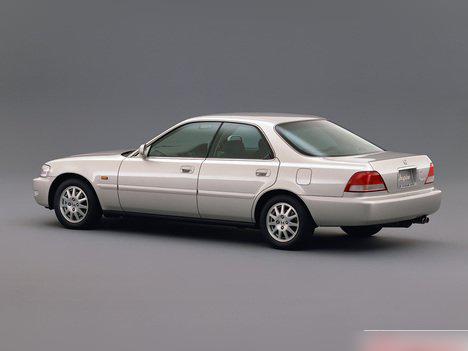
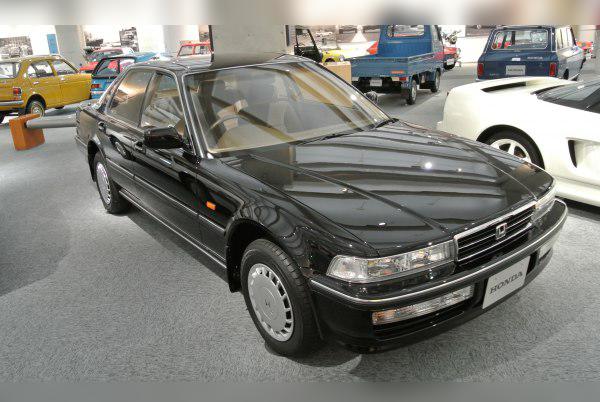
Honda G20A (2.0 and 5-cylinder): Experiences, issues, fuel consumption and maintenance
Key points in short (TL;DR)
- Unique sound and refinement: This is an inline five-cylinder (Inline-5), which gives it a distinctive sound and exceptional smoothness, more similar to V6 engines.
- Fuel consumption is not low: Due to its older design, automatic transmission and vehicle weight, you should expect double-digit consumption in city driving.
- Sensitive to maintenance: It requires regular oil changes and quality parts. It’s not an engine that tolerates neglect like some simpler four-cylinders.
- Problematic components: The distributor and the main fuel pump relay are the Achilles’ heel of Hondas from this era.
- Body-related parts: The engine itself is durable, but since it was installed in specific models (Inspire, Vigor), finding certain parts around the engine can be challenging in some markets.
- LPG (Autogas): It works very well on LPG, but requires regular valve clearance adjustment.
Contents
Introduction: Japanese exotica under the hood
The Honda G20A is not a typical engine you’ll find in every Civic. It is an engineering gem from Honda’s “golden era” (early 90s). It’s a 2.0-liter inline five-cylinder (R5) engine. What makes it special, apart from the number of cylinders, is the way it’s installed – it’s mounted longitudinally, yet it drives the front wheels, which is rare and a technical solution that allowed Honda to have a low hood line and excellent weight balance (the so‑called “FF-Midship” layout).
It was primarily installed in more luxurious models such as the Honda Inspire and its derivatives. This engine was designed to be smooth, quiet and to provide an upper-class driving feel, not to break lap records, although 160 hp was not a small figure for that time.
Technical specifications
| Specification | Data |
|---|---|
| Displacement | 1996 cc (2.0 L) |
| Configuration | Inline-5 (in-line, 5 cylinders), SOHC, 20 valves |
| Power | 118 kW (160 hp) @ 6700 rpm |
| Torque | 186 Nm @ 4000 rpm |
| Engine code | G20A |
| Injection type | PGM-FI (multi-point indirect injection) |
| Induction | Naturally aspirated |
| Fuel | Petrol (gasoline) |
Reliability and maintenance
Timing belt or chain?
The G20A engine uses a timing belt to drive the camshaft. This is a key maintenance item. A snapped belt on this engine will cause the pistons and valves to collide, which means catastrophic engine damage. Due to the specific engine layout (longitudinal with front-wheel drive), access for replacement can be a bit more difficult than on standard Accord models, so mechanics may charge more labor hours.
Major service and intervals
It is recommended to do a major service (timing belt kit, tensioners, water pump) every 80,000 to 100,000 km, or every 5 to 6 years, whichever comes first. Rubber ages and loses elasticity even if the car is not driven. Parts cost is moderate (depends on the market), but do not skimp on the water pump.
Most common failures
Although mechanically (block, pistons, crankshaft) this engine is “indestructible”, time takes its toll. The most common issues are:
- Distributor: A classic problem on 90s Hondas. The O-ring seal fails and oil enters the distributor, or the bearing inside the distributor seizes. Symptoms include misfiring, stalling or a no-start condition.
- Main relay: Solder joints on the fuel pump relay circuit board crack with age and heat. Symptom: the engine cranks but won’t start when the cabin is hot (e.g. in summer), and starts normally once it cools down.
- Oil leaks: Most often from the valve cover gasket and the camshaft seal. Also check the plug at the end of the camshaft.
- IACV (idle air control valve): It can get clogged with carbon, causing unstable idle (revving up and down while the car is stationary). Cleaning usually solves the problem.
Oil: quantity, grade and consumption
The engine takes approximately 4.5 to 5 liters of oil (always check on the dipstick). For our climate and higher-mileage engines, the recommended grade is 10W-40 semi-synthetic. If the engine is in factory-fresh condition (after a full rebuild), you can use 5W-30 or 5W-40.
Does it burn oil? Yes, older Honda engines tend to “drink” some oil, especially in the VTEC zone (although the G20A is generally not as aggressive as the B-series). Consumption up to 0.5 liters per 1,000 km is often tolerated on older examples, but the most common cause is hardened valve stem seals. If you see bluish smoke on first cold start in the morning or after long idling, the seals need to be replaced.
Spark plugs
This is an older type of engine. If you use standard copper/nickel plugs (NGK or Denso), they should be replaced every 20,000 to 30,000 km. If you install iridium plugs, the interval extends to 80,000 - 100,000 km. It is recommended to stick to the factory NGK specifications.
Specific parts (costs)
Dual-mass flywheel and clutch
Most models with the G20A engine (Inspire, Vigor) came with an automatic transmission. If you come across a manual, it did not have a dual-mass flywheel at that time, but a classic solid flywheel instead. That’s good news because the clutch kit is significantly cheaper. The cost of clutch replacement is acceptable (not expensive), but as mentioned, about 90% of these cars are automatics.
Fuel injection system and turbo
The engine uses a classic PGM-FI indirect injection system. The injectors are extremely durable and rarely cause problems, unless low-quality fuel has been used for years. Cleaning the injectors in an ultrasonic bath at high mileage (over 200k km) can restore smooth running and reduce fuel consumption.
Turbocharger: This engine does not have a turbocharger. It is a naturally aspirated petrol engine. This means: no turbo rebuilds, no intercooler issues, no turbo lag. It develops power linearly, with revs.
Emissions: DPF, EGR, AdBlue
Good news for your wallet:
- DPF filter: None (that’s for diesels).
- AdBlue: None.
- EGR valve: There is an EGR system on most variants to reduce NOx emissions. It can get clogged with carbon (intake manifold passages), which causes a “flat spot” when you press the throttle or triggers the “Check Engine” light. Cleaning is relatively simple and inexpensive.
Fuel consumption and performance
Real-world fuel consumption
Let’s be honest – this is early 90s technology, 5 cylinders and a heavy body.
- City driving: Expect between 11 and 14 liters per 100 km. In winter and heavy traffic, with an automatic transmission, this can easily go up to 15 liters.
- Open road: This is where the engine feels best. At 90-100 km/h, consumption drops to around 7.5 - 8.5 liters.
- Motorway (130 km/h): Around 9 - 10 liters.
Performance: Is it “lazy”?
With 160 hp, the car is not slow, but it has a lack of torque at low revs (only 186 Nm at a relatively high 4000 rpm). This means that in city driving, until you pass 3500-4000 rpm, the car feels somewhat sluggish and heavy. The 4-speed automatic further “kills” the feeling of eagerness. However, once the engine spins past 4500 rpm, it shows its true Honda character and accelerates very nicely, accompanied by a beautiful five-cylinder sound.
On the motorway at 130 km/h, the engine revs a bit higher than modern cars (depending on the gearbox, often around 3200-3500 rpm), but thanks to the inherent balance of 5 cylinders, vibrations are minimal and the ride is comfortable.
Additional options and modifications
LPG (autogas) conversion
YES. The G20A is an excellent candidate for LPG. Since it has indirect injection and a metal intake manifold, a sequential LPG system works perfectly.
IMPORTANT WARNING: Honda engines do not have hydraulic lifters. This means valve clearances must be adjusted mechanically. When running on LPG, it is recommended to check and adjust the valves every 20,000 to 30,000 km (much more often than on petrol). If you neglect this, the valves will “sink”, you’ll lose compression and destroy the cylinder head.
Chiptuning (Stage 1)
On naturally aspirated petrol engines, especially ones this old, “chipping” is a waste of money. You might gain 5-8 hp and a slightly better throttle response, but you won’t feel it in real driving. It’s better to invest that money in proper maintenance, new spark plugs and leads – that will bring back more “horses” than any software.
Gearbox
Types of gearboxes
The G20A most commonly comes with a classic 4-speed automatic transmission. There are also versions with a 5-speed manual gearbox, but on models like the Inspire/Vigor they are extremely rare.
Issues and maintenance
- Automatic transmission: Honda automatics from that period are durable but somewhat rough. The most common issue is linear solenoids getting dirty, causing the gearbox to “slam” when shifting or to shift late. Also, the torque converter lock-up clutch can cause vibrations.
- Automatic maintenance: Fluid should be changed every 60,000 km (or more often if the car is used only in city traffic). Use only Honda ATF-Z1 or the newer DW-1 fluid (or strictly compatible substitutes). Do not perform a high-pressure machine flush on an old transmission; use only the simple drain-and-fill method (about 3 liters come out, the same amount goes back in).
- Manual gearbox: Almost trouble-free. Sometimes the 2nd or 3rd gear synchro can grind if the car has been driven aggressively. Change the oil in the manual gearbox (Honda MTF) every 80,000 km.
Conclusion and buying a used one
The Honda G20A is an engine for enthusiasts who appreciate engineering oddities and smooth operation. It is not for those who want cheap city commuting.
What to check before buying?
- Cold start: Does it stall immediately after starting? (Fuel pump relay or IACV).
- Exhaust smoke: Blue smoke when you press the throttle or after idling means bad valve stem seals or piston rings (an expensive repair).
- Gearbox (automatic): It should shift gears without harsh bangs. Check the color of the transmission fluid on the dipstick – it must be red or pink, never black, and it must not smell burnt.
- Oil leaks: Inspect the engine from underneath and around the distributor.
Verdict: If you find a well-preserved Inspire or Vigor with this engine, buy it as a “youngtimer” for weekend enjoyment. The engine is very reliable if maintained, but parts specific to that model (not the engine itself, but hoses, mounts, electronics) can be hard to source. Maintenance costs are medium, but fuel consumption is high (expensive).
Was this content useful to you?
Your opinion helps us to improve the quality of the content.