J37A3 Engine
- Engine
- 3664 cm3
- Aspiration
- Naturally aspirated engine
- Fuel
- Petrol (Gasoline)
- Fuel injection system
- Direct injection
- Power
- 295 hp @ 6200 rpm
- Torque
- 371 Nm @ 5000 rpm
- Cylinders
- 6
- Valves
- 24, 4 per cylinder
- Cylinders position
- V-engine
- Valvetrain
- SOHC
- Oil capacity
- 4.3 l
- Coolant
- 6 l
# Vehicles powered by this engine
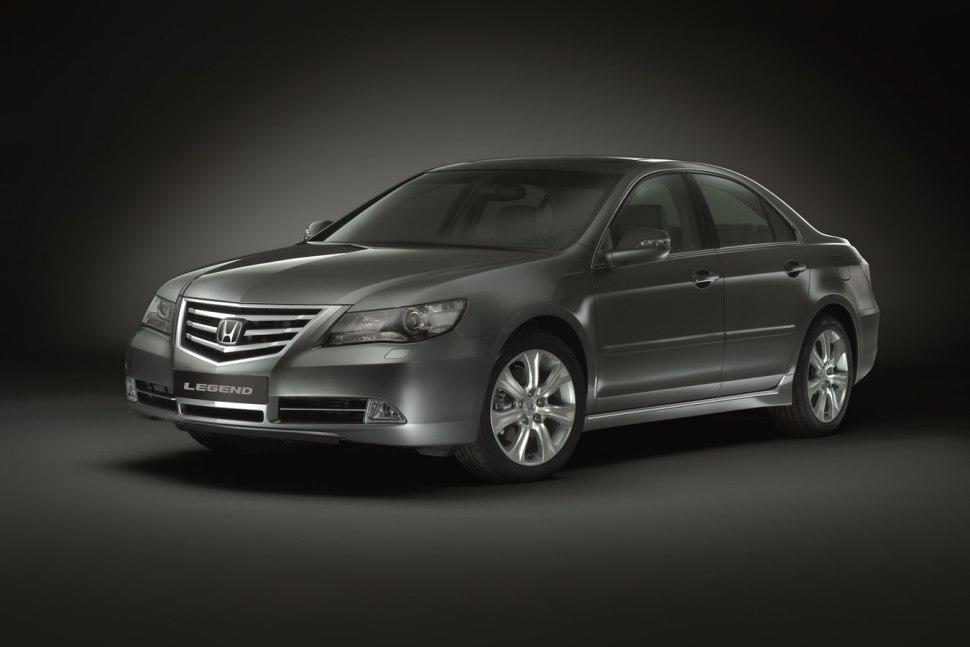
Honda J37A3 (3.7 VTEC V6) – Experiences, issues, fuel consumption and maintenance
1. The most important in short (TL;DR)
- Performance and sound: Top-class naturally aspirated V6 engine with linear power delivery and excellent sound. It doesn’t feel “lazy” despite the vehicle’s weight.
- Oil consumption: The biggest downside of this engine. Due to specific cylinder liners (FRM technology), higher-mileage engines can consume significant amounts of oil.
- Drivetrain: Comes exclusively with SH-AWD, which is fantastic, but requires strict maintenance (regular differential oil changes).
- Major service: The engine uses a timing belt, not a chain. Replacement is mandatory and not cheap.
- Fuel consumption: High. In the city expect 14–16 liters. It is suitable for LPG, but with caution regarding valve adjustment.
- Registration: Due to the 3.7-liter displacement, registration falls into the “very expensive” category in most European countries.
Contents
- Introduction and applications
- Technical specifications
- Reliability and maintenance
- Specific parts and fuel injection system
- Consumption, performance and highway driving
- LPG and remapping
- Gearbox and drivetrain
- Buying tips and conclusion
Introduction and applications
The J37A3 engine is the pinnacle of Honda’s “J-series” V6 engineering and represents one of the most powerful V6 engines the company produced for passenger cars before the turbo era. It was primarily installed in the Honda Legend IV (KB2 generation, 2008 facelift).
This engine replaced the older 3.5 V6 (J35), bringing more power and torque to cope with the heavy body of the luxury sedan and the advanced SH-AWD all-wheel-drive system. Unlike many competitors that switched to smaller turbo engines, Honda here remained faithful to large displacement and VTEC technology, offering a truly refined, “gentlemanly” driving experience.
Technical specifications
| Parameter | Value |
|---|---|
| Displacement | 3664 cc (3.7 L) |
| Configuration | V6 (6 cylinders in V layout) |
| Power | 217 kW (295 hp) @ 6200 rpm |
| Torque | 371 Nm @ 5000 rpm |
| Engine code | J37A3 |
| Injection type | PGM-FI (Indirect injection / Multipoint) |
| Aspiration | Naturally aspirated |
| Valvetrain | 24v, SOHC VTEC (Variable Valve Timing) |
Reliability and maintenance
Timing belt or chain?
The J37A3 engine uses a timing belt for valve timing. This is crucial information for owners. Honda recommends replacement at intervals of around 100,000 to 120,000 km, or every 5 to 7 years (whichever comes first). Since this is an interference engine (pistons can hit the valves if the belt snaps), a broken belt leads to catastrophic engine failure. During the major service, the tensioner, water pump and accessory belt must also be replaced.
Most common failures and issues
Although Honda is synonymous with reliability, the J37 series has one specific weakness: oil consumption. For this engine Honda used special aluminum cylinder liners reinforced with fibers (FRM – Fiber Reinforced Metal) instead of classic steel ones, in order to increase displacement without enlarging the engine block.
Symptoms: If the piston rings are worn or inappropriate oils are used, the engine may start burning oil. In extreme cases, this can reach up to 1 liter per 1000 km. Also pay attention to oil leaks from the valve cover gasket and the VTEC solenoid (a common issue on all J engines). Sometimes camshaft wear (pitting) appears if the oil hasn’t been changed regularly.
Oil: quantity, grade and intervals
The engine takes approximately 4.5 to 5.0 liters of oil (with filter). The recommended grade is usually 5W-20 or 5W-30. Due to the aforementioned oil consumption issue, stricter level checks are advised (every 500–1000 km) and shortened change intervals to a maximum of 10,000 km, ideally 8,000 km for city driving. Consumption of about 0.5 liters per 2000–3000 km is, unfortunately, often considered “acceptable” by authorized service centers for this engine, but anything above that requires attention.
Spark plugs
It uses iridium spark plugs. The replacement interval is typically 100,000 km. However, due to potential oil consumption, it’s recommended to check them earlier – oil deposits on the plugs can cause poor engine operation (misfires) and damage to ignition coils (which are not cheap).
Specific parts (costs)
Dual-mass flywheel and clutch
Since the Honda Legend with this engine was supplied exclusively with an automatic transmission, it does not have a classic dual-mass flywheel like manual diesels that often fail. Instead, it uses a hydraulic torque converter. This means you are spared the cost of replacing a clutch and flywheel set, which is a big advantage.
Fuel injection system and injectors
The J37A3 uses the proven PGM-FI system with indirect (port) injection. The injectors are extremely reliable and rarely cause problems, unlike modern direct-injection engines that suffer from carbon buildup on intake valves. Injector cleaning is inexpensive and is done only preventively at high mileage.
Turbo, DPF, EGR, AdBlue
Good news for your wallet:
- Turbo: None. The engine is naturally aspirated, which means zero turbocharger repair costs.
- DPF: None (this is a petrol engine).
- AdBlue: None.
- EGR: Present. The EGR valve and passages in the intake manifold can clog with soot (especially if the engine burns oil), which triggers the “Check Engine” light. Cleaning solves the problem and is not overly expensive (depends on the market, but falls under regular maintenance).
Fuel consumption and performance
City driving and real-world consumption
Let’s be realistic – this is a 3.7-liter engine in a heavy sedan with all-wheel drive. City consumption is high. In real life, expect 13 to 16 liters per 100 km in heavy traffic. In winter and on short trips, this figure can go up to 18 liters. If someone tells you it uses 10 liters in the city, they’re not telling the truth.
Is the engine “lazy”?
Absolutely not. With 295 hp and 371 Nm, this engine toys with the Honda Legend’s body. Throttle response is instant (no turbo lag), and the VTEC system ensures the engine “goes crazy” at high revs with a fantastic sound. Thanks to the SH-AWD system that actively distributes power to the wheels, the car feels lighter and more agile than it really is, especially in corners.
Highway driving
This is this model’s natural habitat. At 130 km/h the engine runs relaxed, usually around 2,500 rpm (thanks to the long 5th gear). At this speed, fuel consumption drops to a reasonable 9 to 10 liters. Overtaking is routine and requires no special effort.
Additional options and modifications
LPG conversion
Yes, this engine is suitable for LPG. Since it has indirect injection, the conversion is simpler and cheaper than on direct-injection engines.
Important note: Honda J-series engines do not have hydraulic lifters; valve clearance is adjusted mechanically (screw and locknut). LPG burns at a higher temperature, so valve seat recession occurs faster. If you run on LPG, valve clearance adjustment is mandatory every 30,000–40,000 km. Also, due to the SH-AWD system and rear differential, the trunk has a specific shape, so check what size toroidal tank you can physically install.
Remapping (Stage 1)
On naturally aspirated petrol engines, remapping does not bring drastic gains like on turbo engines. Realistic power increase is around 10 to 15 hp, with better throttle response. Considering the cost of a quality remap, for most drivers this is not a cost-effective investment, as the engine is already highly tuned for performance from the factory.
Gearbox
Type of gearbox
With the J37A3 in the Honda Legend KB2 you get exclusively a 5-speed automatic gearbox with paddle shifters on the steering wheel (F1-style). There is no manual gearbox in this combination.
Gearbox reliability and maintenance
Honda’s 5-speed automatics from this period are generally robust, but sensitive to old oil.
Service: The transmission fluid should be changed every 40,000 to 60,000 km. Use only genuine Honda fluid (ATF-DW1) or a high-quality equivalent that strictly meets Honda specifications.
Most common issues: Jerking when shifting from first to second when cold (often solvable by changing the oil), or delayed response. If the gearbox has been regularly maintained, it can easily exceed 300,000 km without overhaul.
Note on the drivetrain: In addition to the gearbox, the SH-AWD rear differential has its own specific oil (DPSF) and change intervals. Neglecting this leads to expensive drivetrain failures (“shuddering” in corners).
Buying used and conclusion
When buying a Honda Legend with the J37 engine, the procedure is clear:
- Cold start: Have someone start the car while you stand behind it. Bluish smoke from the exhaust is a sure sign that the engine burns oil (piston ring/liner issue).
- Engine sound: Listen for valve ticking. A quiet “tapping” is often normal until it warms up, but a loud metallic noise indicates an urgent need for valve adjustment or a camshaft problem.
- Test drive: The gearbox should shift imperceptibly. Under full throttle in a corner, SH-AWD should “push” the car through the bend without strange noises or vibrations from the rear.
Conclusion:
The Honda J37A3 is an engine for enthusiasts. It is aimed at those who want refinement, the sound of a V6 petrol engine and a top-tier all-wheel-drive system, and are willing to pay the price in the form of high registration fees and fuel consumption. If you find an example that has been regularly maintained and does not burn excessive oil, you will get one of the most reliable and most comfortable sedans on the market, which is at the same time a real “wolf in sheep’s clothing”.
Was this content useful to you?
Your opinion helps us to improve the quality of the content.