S07B Engine
- Engine
- 658 cm3
- Aspiration
- Naturally aspirated engine
- Fuel
- Petrol (Gasoline)
- Fuel injection system
- Multi-port manifold injection
- Power
- 58 hp @ 7300 rpm
- Torque
- 65 Nm @ 4800 rpm
- Cylinders
- 3
- Valves
- 12, 4 per cylinder
- Cylinders position
- Inline
- Valvetrain
- DOHC
# Vehicles powered by this engine
Honda S07B (0.7 i-VTEC): Experiences, problems, fuel consumption and maintenance of the Japanese "Kei" gem
Key points in short (TL;DR)
- Reliability: Extremely reliable Japanese engine, provided it is regularly maintained. A typical Honda.
- Intended use: Strictly city driving. This is an engine for "Kei" cars (micro cars), not for highway cruising.
- Maintenance: It is driven by a timing chain, which reduces major service costs.
- Fuel consumption: Very low in the city, but can increase drastically if pushed hard on open roads.
- Transmission: Almost exclusively comes with a CVT gearbox that requires specific fluid and regular replacement.
- Parts availability: Since this is an engine for the Japanese market (JDM), body parts and specific sensors can be very expensive and hard to source in Europe.
- Recommendation: Ideal as a second or third car in the family for traffic jams, deliveries or beginners.
Contents
Introduction and engine application
The engine designated as S07B represents the second generation of Honda’s modern powerplants for so‑called "Kei" cars (light vehicles limited by dimensions and engine displacement in Japan). It is the successor to the S07A model and brings significant improvements in the form of a longer piston stroke for better torque at lower revs. Although the displacement is tiny – only 658 cc – the engineering behind this three‑cylinder unit is serious.
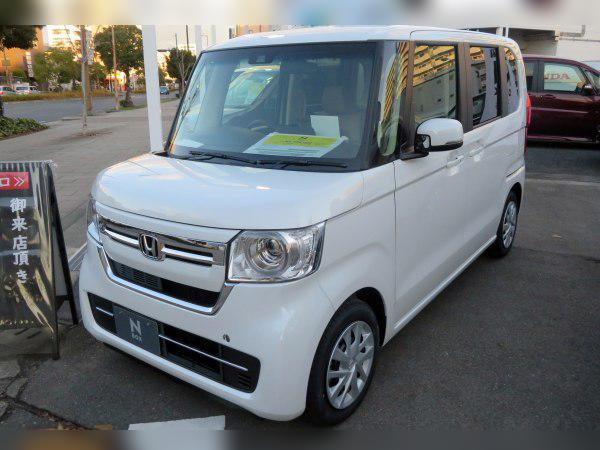
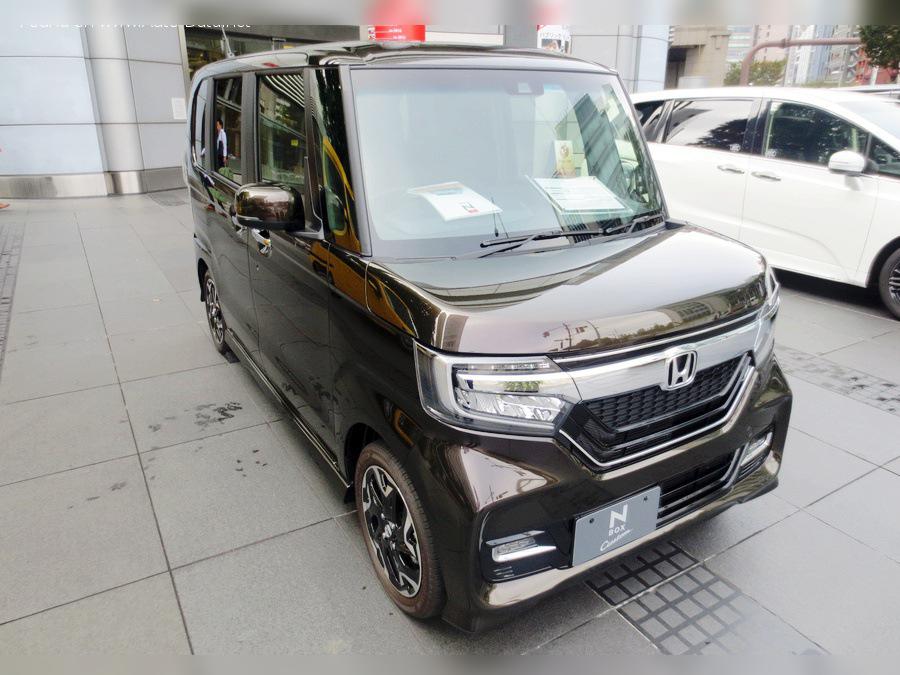
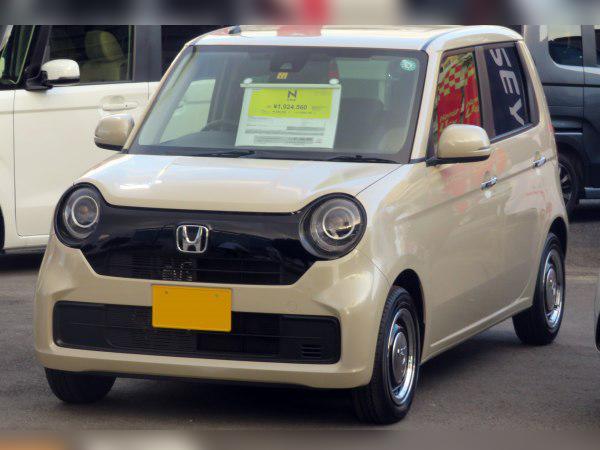
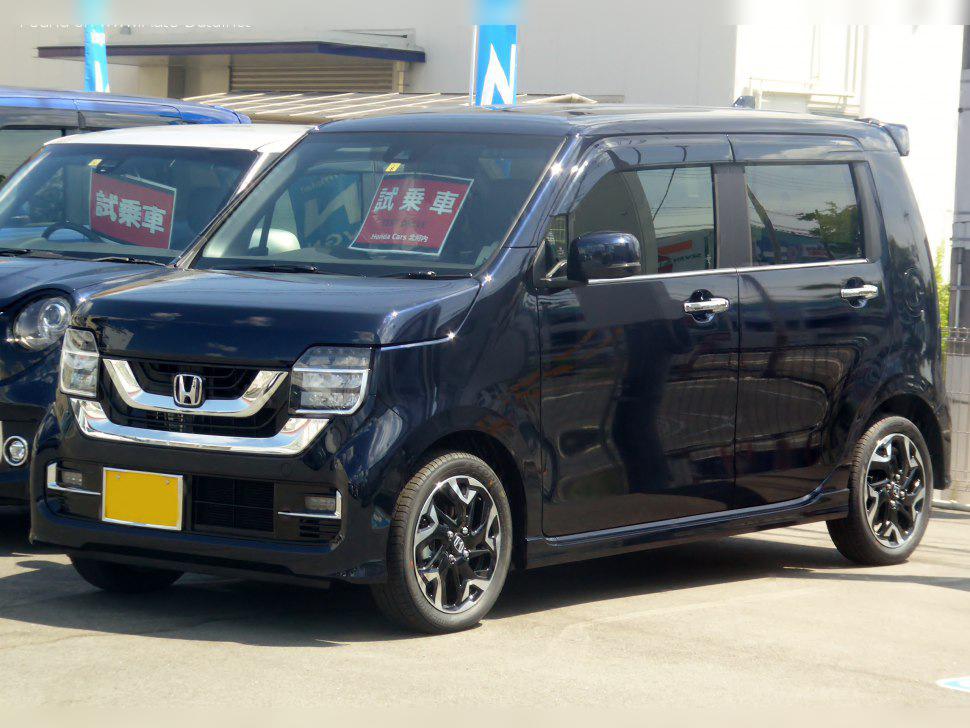
This naturally aspirated petrol engine (non‑turbo) is installed in models such as the Honda N-Box, N-One and N-WGN. These cars are popular because of their incredible interior space relative to their exterior dimensions (a "boxy" design). It is important to note that, although small, this is not a "toy" but a technologically advanced engine with an i-VTEC system (on the intake side), designed to extract maximum efficiency from every drop of fuel.
Technical specifications
| Characteristic | Value |
|---|---|
| Engine code | S07B |
| Displacement | 658 cc (0.7 L) |
| Configuration | Inline, 3 cylinders, DOHC |
| Power | 43 kW (58 hp) at 7300 rpm |
| Torque | 65 Nm at 4800 rpm |
| Aspiration | Naturally aspirated |
| Fuel injection system | Multipoint (PGM-FI) |
| Timing drive | Chain |
Reliability and maintenance
Does this engine have a timing belt or a chain?
The Honda S07B uses a timing chain. This is great news for owners because there is no fixed replacement interval as with a belt. On these engines, the chain is designed to last as long as the engine itself, provided the oil is changed regularly. Problems with chain stretching are rare and usually occur only on high‑mileage examples (over 200,000 km) with poor maintenance.
What are the most common failures on this engine?
Since this is a naturally aspirated petrol engine, the list of failures is short but specific:
- Vibrations at idle: Like every three‑cylinder, the S07B is naturally not perfectly balanced. Over time, the engine mounts (especially the lower mount) can weaken, transmitting unpleasant vibrations into the cabin while you are standing at a traffic light.
- Start‑stop system: These models are equipped with an aggressive start‑stop system to save fuel. This can lead to faster wear of the starter motor and the battery (which has to be specific for start‑stop systems and is more expensive).
- Intake contamination (VTEC solenoid): If poor‑quality oil is used, the screen on the VTEC valve can clog, causing power loss and illuminating the "Check Engine" light.
- CVT noise: Although not part of the engine, the "whining" noise often comes from the gearbox, and owners mistakenly think the engine is at fault.
At what mileage is the major service done?
Since the engine has a chain, a classic "major service" (preventive replacement of belt, tensioners, water pump) is not done at a fixed mileage. Instead:
Auxiliary belt (alternator/AC): Checked at every service, usually replaced at 60,000 - 80,000 km or when cracks appear.
Water pump and chain: Replaced only if needed (chain rattling or pump leakage), which is rare before 150,000 km.
How many liters of oil does this engine take and which grade is recommended?
This is a small engine and it holds very little oil.
Quantity: About 2.4 to 2.6 liters (with filter).
Grade: Exclusively 0W-20 (Honda Green Oil or equivalent).
Due to the small amount of oil in the sump, it degrades faster. It is recommended to change the oil every 8,000 to 10,000 km or once a year, whichever comes first. Do not use thicker oils (such as 10W-40) because the VTEC system and narrow oil passages do not tolerate them well.
Does it consume oil between services?
In general, the S07B does not consume oil in alarming quantities. Consumption of up to 0.5 liters per 10,000 km is acceptable, especially if the engine is often driven at high revs (which is inevitable with 58 hp). If it consumes more than that, the problem is usually "stuck" oil control rings on the pistons due to infrequent oil changes.
At what mileage should the spark plugs be replaced?
The factory recommendation for iridium spark plugs (which Honda usually installs) is around 100,000 km. However, given that this engine runs at higher revs than an average car, it is realistic to expect replacement at 40,000 to 60,000 km to protect the ignition coils and catalytic converter. Use only NGK or Denso according to specification.
Specific parts (costs)
Does the engine have a dual‑mass flywheel?
No. Models with a CVT gearbox (which make up 99% of these vehicles) do not have a dual‑mass flywheel. Instead, they have a torque converter or a conventional flywheel on the rare manual versions. This is a big saving in maintenance.
What kind of fuel injection system does it have?
The naturally aspirated version of the S07B engine (58 hp) most commonly uses PGM-FI multipoint injection (indirect). This is a very reliable system. Injectors are not prone to clogging unless extremely poor fuel is used. They are cheaper to replace and maintain than direct‑injection injectors.
Does the engine have a turbocharger?
The version we are talking about (58 hp / 43 kW) is naturally aspirated and does not have a turbocharger. That means one less thing to worry about (no turbo overhauls, no intercooler). There is also a turbo version of this engine (64 hp), but it carries different designations and risks.
Does it have a DPF filter or an EGR valve?
As a petrol engine, it does not have a DPF filter. However, it does have a catalytic converter and an EGR valve (exhaust gas recirculation system). On city cars, the EGR valve can get clogged with soot, causing rough running. Cleaning is possible and not expensive (it depends on the market, but it is considered regular maintenance).
Does it use AdBlue?
No. AdBlue is used exclusively on diesel engines.
Fuel consumption and performance
What is the real‑world fuel consumption in city driving?
This is where the S07B shines. In heavy city traffic, real‑world consumption ranges between 4.5 and 5.5 liters per 100 km. If you are careful and use "ECON" mode, it can drop closer to 4 liters. In winter or with the AC on in stop‑and‑go traffic, expect around 6 liters.
Note: 4WD versions use about 0.5 to 1 liter more due to higher weight and drivetrain losses.
Is this engine “sluggish” for the weight of the body?
You need to be realistic: 58 horsepower in a tall, boxy body (like the N-Box) means performance is not sporty.
In the city (0–60 km/h): The engine is perfectly adequate. The gearbox and engine are tuned so that the car "jumps" off the line, making it very lively in city driving.
Uphill and under load: If 4 adults get into the car and you turn on the AC, you will feel the lack of power. The engine will have to rev high to maintain speed.
What is the engine like on the highway and at what revs does it cruise at 130 km/h?
The highway is not this engine’s natural habitat.
At 130 km/h, the engine spins at very high revs (often over 4,000 or 4,500 rpm, depending on wind and gradient), cabin noise is significant, and fuel consumption increases drastically (it can exceed 8–9 liters). Overtaking at these speeds requires a lot of patience and space. Top speed is often electronically or physically limited to around 130–140 km/h.
Additional options and modifications
Is this engine suitable for LPG conversion?
Technically – yes, the engine can handle LPG with proper equipment (sequential gas injection) and mandatory valve lubrication (since Honda valves are sensitive).
Practically – it is not recommended. The reason is not the engine, but the space. These cars have no room for a spare wheel (they often come with a repair kit), and the trunk is tiny. There is nowhere to put the tank except by sacrificing the entire boot, which defeats the practicality of the vehicle. Also, fuel consumption is already so low that the payback period for the conversion is very long.
How much can this engine be safely “chipped” (Stage 1)?
Since this is a small‑displacement naturally aspirated engine, chiptuning is basically a waste of money. The gain would be in the range of 2 to 4 hp, which is imperceptible in real driving. It is better to invest in quality tires and regular maintenance.
Transmission
Which gearboxes are installed?
With this engine (S07B NA), in 99% of cases you get a CVT (Continuously Variable Transmission). Honda is a master of CVT and these gearboxes are tuned to keep the engine in the optimal rev range. A manual gearbox is extremely rare on naturally aspirated versions of these models (it is more common on Turbo RS versions of the N-One).
Most common gearbox issues and maintenance?
CVT gearbox:
Symptoms of problems are "jerking" when setting off, slipping (revs rise, the car does not accelerate) or whining noises.
Maintenance is crucial: The oil in the CVT gearbox (Honda HCF-2 fluid) must be changed every 40,000 km or every two years. If this is followed, the gearbox is very durable.
Manual gearbox:
If you come across one, it is practically indestructible. The clutch is simple and cheap to replace.
Does this model have a dual‑mass flywheel?
As mentioned, it does not. The cost of clutch replacement (on the manual) is low (not expensive, parts are standard), while on the CVT there is no classic clutch kit to replace; instead, the unit is overhauled if it fails (which is very expensive, often more than the value of a used engine).
Buying used and conclusion
When buying a Honda with the S07B engine, pay attention to the following:
- Gearbox service history: If there is no proof that the oil in the CVT has been changed, be very cautious.
- Chain noise: On a cold start, the chain should not rattle for more than 1–2 seconds.
- Exhaust smoke: Bluish smoke means the engine is burning oil (worn rings or valve stem seals).
- Bodywork: These cars are mostly imports from Japan. Check the underbody for corrosion, even though newer model years are well protected.
Conclusion:
The 58 hp Honda S07B is a fantastic engineering achievement for its intended purpose – city driving. If you need a car for deliveries, commuting through traffic jams, or as a second family car, it is an excellent choice. It is reliable, economical and offers a lot of space.
However, if you plan frequent highway trips or live in hilly areas, this engine will struggle, and you will get tired of the noise and lack of power. Also keep in mind that body panels and glass can be difficult to source in Europe (with waiting times of several weeks).
Was this content useful to you?
Your opinion helps us to improve the quality of the content.