H23A2 Engine
- Engine
- 2259 cm3
- Aspiration
- Naturally aspirated engine
- Fuel
- Petrol (Gasoline)
- Fuel injection system
- Multi-port manifold injection
- Power
- 160 hp @ 5800 rpm
- Torque
- 209 Nm @ 4500 rpm
- Cylinders
- 4
- Valves
- 16, 4 per cylinder
- Cylinders position
- Inline
- Valvetrain
- DOHC
- Oil capacity
- 4.3 l
# Vehicles powered by this engine
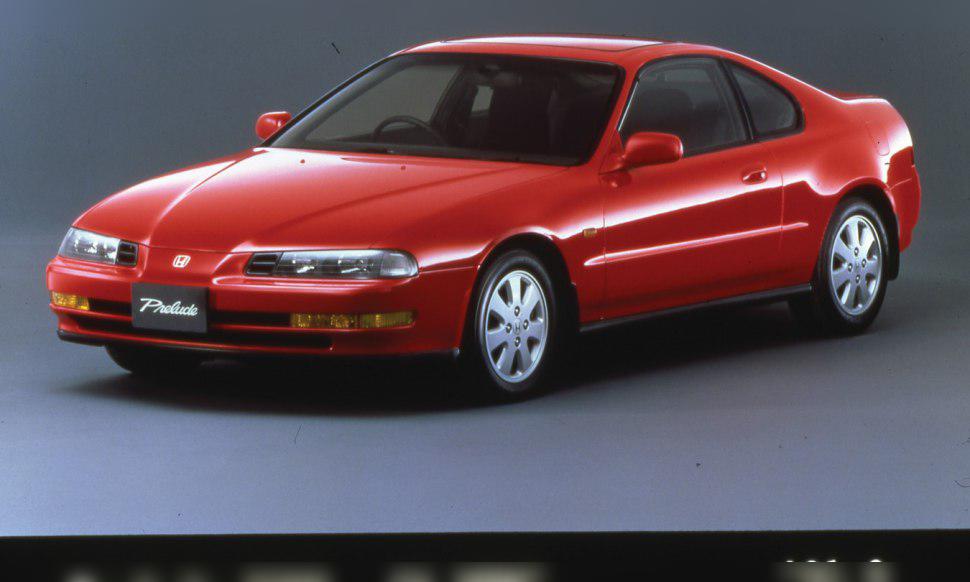
Honda H23A2 (Prelude 2.3i): Experiences, issues, fuel consumption and buying tips
Key points in short (TL;DR)
- Engine type: Naturally aspirated 2.3-liter petrol engine without VTEC, but with dual overhead camshafts (DOHC).
- Reliability: Generally a very robust “old-school” engine, but requires specific maintenance because of the FRM cylinder liners.
- Biggest downside: Increased oil consumption on most higher-mileage units.
- Maintenance: Uses a timing belt and an additional belt for the balance shafts – it is critical to replace them on time.
- Performance: Excellent low-end torque (better than the 2.0 variants), ideal for cruising.
- Recommendation: Intended for enthusiasts who know what they’re driving. A full rebuild is not cheap due to the specific block materials.
Contents
Introduction: Honda Prelude’s forgotten hero
The H23A2 is a specific engine that marked the fourth generation of the Honda Prelude (BB2 chassis) on the European market in the early and mid-90s. Unlike its more famous “brother” H22A (which has the VTEC system), the H23A2 was designed to provide more torque at lower revs and a more comfortable drive, sacrificing the high-revving character Honda is known for.
This is an engine for drivers who prefer flexibility and pull at lower revs rather than an engine “screaming” at 7000 rpm. Although often overshadowed by the VTEC models, the H23A2 is technically fascinating, but also demanding and unforgiving of owner neglect.
Technical specifications
| Specification | Data |
|---|---|
| Displacement | 2259 cc (2.3 L) |
| Configuration | Inline 4-cylinder, DOHC (dual camshafts), 16 valves |
| Power | 118 kW (160 hp) @ 5800 rpm |
| Torque | 209 Nm @ 4500 rpm |
| Engine code | H23A2 |
| Fuel injection system | PGM-FI (multi-point injection) |
| Induction type | Naturally aspirated |
| Engine block | Aluminium with FRM liners |
Reliability and Maintenance
Timing belt: Achilles’ heel if neglected
The H23A2 uses a timing belt to drive the camshafts. However, there is a “catch” typical for Honda’s H and F series engines: there is also a second, smaller belt for the balance shafts.
A major service is recommended every 80,000 to 100,000 km or 5 years. This is crucial: it is quite common for the small balance shaft belt to snap (due to age or poor quality), then get caught under the main timing belt, which leads to the belt jumping teeth and a piston-to-valve collision. So during a major service you must replace both belts, all tensioners and the water pump. Parts prices are moderate, but labour can be more expensive because the engine bay in the Prelude is tight (depends on the market).
Oil consumption and FRM cylinders
The most common question about the H23A2 is oil consumption. This engine uses FRM (Fiber Reinforced Metal) liners in the block. It’s a wear-resistant material, but very sensitive to poor lubrication and overheating.
- Does it burn oil? Yes. Almost every H23A2 with over 200,000 km will consume oil. Consumption of around 0.5 liters per 1000 km is often considered acceptable for this engine if driven hard. If it exceeds 1L per 1000 km, the engine is ready for a serious rebuild.
- Cause: Usually valve stem seals (which harden with age) or oil control rings that get stuck. Due to the FRM material, not every machine shop can properly work on this block, which makes a “full rebuild” more expensive and complicated.
Oil and spark plugs
The engine takes approximately 4.3 to 4.8 liters of oil (including the filter). The recommended grade is 10W-40 semi-synthetic for our climate and for older engines, although 5W-40 can be used in winter.
Spark plugs should be replaced every 20,000 - 30,000 km if you use standard copper plugs (NGK ZFR6F-11 recommended), or at longer intervals if you use iridium plugs.
Most common failures (symptoms)
- Main relay: A classic issue on 90s Hondas. Symptom: the engine cranks but won’t start when the cabin is hot (in summer). The fix is to resolder the relay contacts.
- Distributor: The O-ring seal fails and oil leaks down the distributor, or the ignition module (igniter) fails, which causes the engine to cut out while driving.
- EGR passages: They can clog with carbon deposits, leading to rough running or loss of performance.
Specific Parts and Costs
Dual-mass flywheel: Good news – this engine does not have a dual-mass flywheel. It uses a classic solid flywheel. The clutch kit is relatively affordable and straightforward (depending on the market).
Fuel injection and injectors: The system is Honda’s reliable PGM-FI. The injectors are extremely durable and rarely cause problems. If an issue does appear, it is usually due to dirt and can be solved with ultrasonic cleaning rather than replacement.
Turbo, DPF, AdBlue: This engine has no turbocharger, no DPF filter and no AdBlue system. It’s “old-school” mechanics with no expensive emissions systems that tend to fail. It has a catalytic converter and a simple EGR valve. The EGR valve can be cleaned if it sticks (symptom: hesitation at low revs), and the cost is minimal (mostly labour).
Fuel Consumption and Performance
Is the engine “lazy”?
Absolutely not. With 160 hp and, more importantly, 209 Nm of torque, the H23A2 handles the Prelude’s body (around 1200–1300 kg) very well. Unlike smaller Honda engines that you have to rev to the redline to get them going, this 2.3 pulls strongly already from 2500–3000 rpm. The driving feel is more like a 2.5 V6 than a typical small, high-revving Japanese four-cylinder.
Real-world fuel consumption
- City driving: Expect between 11 and 13 liters/100 km. This is not an economical engine. A heavy right foot in the city will easily push the average to 14+ liters.
- Open road: On country roads it can go down to 7.5 - 9 liters/100 km, depending on speed.
- Highway: At 130 km/h the engine spins at about 3500–3800 rpm (in 5th gear), which means it’s not the quietest, and consumption is around 9 liters. The gearbox is relatively “short” by today’s standards.
Additional Options and Modifications
Does it work on LPG?
Yes, the H23A2 can run on LPG, but with great caution. Honda engines generally have sensitive valve seats. If you install LPG, you must:
1. Use a high-quality sequential system with precise mapping.
2. Check and adjust valve clearances more frequently (every 15,000 - 20,000 km), because this engine does not have hydraulic lifters. If the valves tighten up, they will burn and you’ll be facing an expensive cylinder head repair.
Chip tuning (Stage 1)
Since this is a naturally aspirated engine, “chipping” it is basically throwing money away. The gain is negligible (maybe 3–5 hp), which you won’t feel in real driving. The only meaningful modification enthusiasts often do is the so-called “G23” or “Frankenstein” hybrid – putting an H22 (VTEC) head on this block, but that is a complex and expensive job.
Gearbox
Manual gearbox (5-speed): The gearbox code is usually M2S4. It has a very precise and sporty shift feel. Most common issues: 2nd and 3rd gear synchros can wear out with aggressive driving (grinding when shifting quickly). The gearbox oil (Honda MTF-3) should be changed every 40,000 - 60,000 km. It takes about 2 liters of oil.
Automatic gearbox (4-speed): A classic automatic was also offered with this engine. Advice: Avoid it if you care about reliability or performance. These 90s automatics are slow (they “eat” engine power) and prone to overheating and failure after 20+ years of use. A rebuild is often more expensive than the car’s value (very costly).
Buying used and Conclusion
When buying a Honda with the H23A2 engine, do the following:
- Cold start: Watch the exhaust. Blue smoke right after starting indicates worn valve stem seals. Blue smoke at high revs points to worn rings/cylinders (a more expensive issue).
- Idle: The engine should idle smoothly. If the revs go up and down (so-called “hunting idle”), the problem is likely with the IACV valve or an air leak.
- Oil leaks: Check the belt side of the engine. If it’s oily, the seals have failed, which can soak the timing belt in oil and cause a catastrophic failure.
Conclusion:
The H23A2 is an engine for true fans of 90s Japanese coupes. It offers a fantastic balance of power and torque, making the Prelude a very enjoyable car to drive. However, age takes its toll – be prepared for regular oil level checks and investment in the cooling and sealing systems. If you find a well-maintained example with a manual gearbox, you’ll have a future classic in your garage.
Was this content useful to you?
Your opinion helps us to improve the quality of the content.